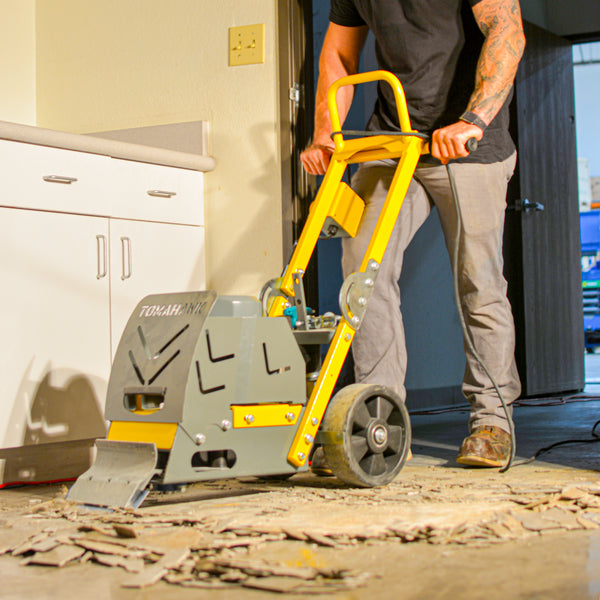
Are you ready to give your concrete floor a fresh start? Removing vinyl flooring might seem like a tough job, but with the right steps, you can do it yourself without breaking a sweat.
This guide will walk you through simple, effective methods to strip away that old vinyl and reveal the clean concrete beneath. Whether you’re planning a new floor or just want to refresh your space, understanding how to remove vinyl properly will save you time, money, and frustration.
Keep reading to discover easy tips that make this task straightforward and even satisfying. Your floor’s transformation begins here!

Credit: www.youtube.com
Tools And Materials Needed
Removing vinyl flooring from a concrete floor needs the right tools and materials. Having these ready makes the job easier and safer. Below is a list of what you will need to complete the task efficiently.
Basic Tools
- Utility knife to cut vinyl into manageable pieces
- Floor scraper or putty knife to lift vinyl edges
- Hammer to tap the scraper under the vinyl
- Heat gun or hair dryer to soften adhesive
- Wire brush to clean residue from concrete
- Bucket and mop for cleaning the floor after removal
Safety Equipment
- Gloves to protect your hands
- Safety goggles to guard your eyes
- Knee pads to reduce strain while working on the floor
- Dust mask to avoid inhaling dust and particles
Adhesive Removal Supplies
- Adhesive remover or solvent designed for vinyl flooring
- Scrubbing pads or abrasive pads to remove glue
- Plastic scraper for gentle adhesive removal
Prepare The Work Area
Preparing your work area is crucial before you start removing vinyl flooring from a concrete floor. A well-organized space helps you work faster and safer. It also prevents damage to your home and makes cleanup easier.
Clear The Room Completely
Remove all furniture, rugs, and decorations from the room. Even small items like lamps or wall hangings should be taken down. This gives you full access to the floor and avoids accidental damage.
Think about places where dust or debris might settle. Cover vents and doorways with plastic sheeting to keep dust from spreading to other parts of your home. This simple step saves you from extra cleaning later.
Gather Necessary Tools And Supplies
Collect everything you will need before starting. Typical tools include a utility knife, floor scraper, heat gun or hairdryer, gloves, and safety glasses. Having these at hand prevents interruptions and frustration.
Don’t forget trash bags or a container for the removed vinyl and adhesive. Planning where to dispose of waste can make your project smoother. Ask yourself: Do I have a safe spot to store sharp tools when not in use?
Protect Yourself And The Surroundings
Wear protective gear like gloves, knee pads, and safety glasses. Removing vinyl can expose you to sharp edges and dust. Protecting your skin and eyes is essential to avoid injuries.
Lay down drop cloths or old sheets around the work area. This protects your concrete floor from scratches and keeps dust contained. How will you keep your tools and materials organized to avoid tripping hazards?
Start Peeling The Vinyl
Start peeling the vinyl carefully to avoid damaging the concrete floor. This step requires patience and the right tools. Begin by finding an edge or corner that lifts easily. Vinyl flooring often peels away from the concrete in sheets or strips.
Use a utility knife or a putty knife to lift the corner gently. Slowly pull the vinyl back, keeping it low and close to the floor. Pulling too fast can tear the vinyl or leave adhesive behind. Work your way across the floor, peeling steadily.
Some vinyl floors stick tightly. Warm the vinyl with a heat gun or hair dryer to soften the adhesive. This makes peeling easier and reduces the risk of damage.
Tools Needed To Peel Vinyl Flooring
- Utility knife
- Putty knife or floor scraper
- Heat gun or hair dryer
- Protective gloves
- Knee pads for comfort
How To Lift Vinyl Edges Safely
- Start at a loose corner or seam
- Slide the putty knife under the vinyl
- Lift gently to avoid tearing
- Use heat if adhesive is tough
- Keep pulling the sheet slowly
Tips To Make Peeling Easier
- Work in small sections for control
- Keep the vinyl close to the floor while pulling
- Heat stubborn areas for softer adhesive
- Take breaks to avoid fatigue
- Dispose of removed vinyl properly
Use Heat To Loosen Adhesive
Heat helps soften the adhesive that holds vinyl flooring to concrete. This makes removing the vinyl easier and less damaging to the floor below. Using heat reduces scraping effort and speeds up the process.
Applying heat loosens the glue, so the vinyl peels away smoothly. It works well for stubborn adhesive spots. A controlled heat source prevents damage to the concrete.
Choose The Right Heat Tool
- Use a heat gun or a hair dryer for best results.
- A heat gun offers higher temperatures for tough adhesives.
- A hair dryer is safer for delicate surfaces or small areas.
- Avoid open flames to prevent floor damage or fire hazards.
- Clear furniture and obstacles to have full floor access.
- Open windows or use fans for ventilation.
- Wear gloves to protect hands from heat and adhesive.
- Place a drop cloth to catch any debris or adhesive residue.
Heat The Adhesive Properly
- Hold the heat source about 6 inches above the vinyl.
- Move the heat tool slowly in a back-and-forth motion.
- Heat the area evenly for about 30 seconds to 1 minute.
- Test the vinyl edge to see if the adhesive softens.
Peel The Vinyl Gently
- Use a scraper or putty knife to lift the vinyl edge.
- Pull slowly to avoid tearing the vinyl or damaging concrete.
- Reapply heat if the adhesive resists removal.
- Work in small sections for better control and results.
Scrape Off Residual Adhesive
After removing vinyl flooring, sticky adhesive often stays on the concrete floor. This residue can cause problems when installing new flooring. Removing the adhesive ensures a clean, smooth surface. Scraping off the leftover glue is a key step. It takes patience and the right tools to do it well. Proper removal prevents bumps and uneven spots later.
Choose The Right Scraper
Select a scraper that fits the job and your strength. A metal scraper works well for tough adhesive. Use one with a wide blade to cover more area quickly. For delicate concrete, try a plastic scraper to avoid damage. Hold the scraper at a low angle. This helps lift the adhesive without scratching the floor. Change blades often to keep scraping efficient.
Apply Adhesive Remover
Adhesive remover softens glue for easier scraping. Choose a remover made for concrete floors. Follow the product instructions carefully. Apply a thin layer of remover to the sticky areas. Let it sit for the time recommended on the label. This breaks down the glue’s hold. After waiting, scrape the adhesive again. Repeat the process until the floor is clean.

Credit: www.angi.com
Clean The Concrete Surface
Begin by clearing the concrete surface to prepare for vinyl removal. Sweep and vacuum to eliminate dust and debris. Ensure the area is clean and dry to facilitate effective adhesive breakdown during the vinyl flooring removal process.
Cleaning the concrete surface after removing vinyl flooring is a crucial step to ensure a smooth and polished finish. It’s not just about wiping away the dust; it’s about preparing the concrete for whatever comes next, whether it’s a new flooring installation or leaving it bare. Imagine walking into a room with a spotless concrete floor that gleams with cleanliness. This clean slate can significantly enhance the aesthetics of your space, making it feel fresh and inviting.Vacuum Debris
Begin by vacuuming the concrete surface to remove all loose debris and dust. Use a vacuum cleaner with a brush attachment to capture tiny particles that might be hiding in crevices. This step is essential as leftover debris can interfere with the application of new flooring or sealant. Consider doing a thorough pass over the floor, not just a quick sweep, to ensure nothing is missed.Wash With Detergent
Once the debris is gone, it’s time to wash the floor with detergent. Mix a mild detergent with warm water and use a mop to scrub the surface. This helps in removing any stubborn adhesive residue left from the vinyl flooring. Rinse the floor with clean water afterwards to ensure no soap remains, which can cause slipperiness or discoloration over time. Cleaning your concrete thoroughly might feel like a small task, but it makes a world of difference. Have you ever noticed how a clean floor can transform a room? That’s the impact you’re aiming for—a fresh start.Inspect And Repair Concrete
Before you dive into removing vinyl flooring from your concrete floor, it’s crucial to inspect and repair the concrete underneath. Ignoring this step can lead to uneven surfaces or damage that affects your new flooring installation. Taking the time to carefully check and fix the concrete will save you headaches later.
Check For Cracks And Holes
Look closely at the concrete for any visible cracks or holes. These imperfections can cause the new flooring to shift or crack over time. Use a flashlight to spot smaller cracks that might be easy to miss in normal lighting.
If you find cracks, ask yourself: how deep are they? Surface cracks can be filled easily, but deeper ones might need more attention. Small holes should be cleaned out before filling to ensure a strong repair.
Before making repairs, clean the concrete thoroughly. Remove dust, dirt, grease, or leftover adhesive from the vinyl. A clean surface helps repair materials stick better and keeps your floor smooth.
Use a stiff broom or vacuum to clear dust, then wash the floor with a concrete cleaner or mild detergent. Let it dry completely before moving on to repairs to avoid trapping moisture under the patch.
Fill And Patch Imperfections
Use a concrete patching compound or epoxy to fill cracks and holes. Apply the product with a putty knife or trowel, pressing firmly to fill every gap. Smooth the surface so it matches the surrounding concrete.
Allow the patch to dry as per the product instructions—usually 24 to 48 hours. This step prevents uneven spots that could cause problems when installing new flooring. Have you considered using self-leveling compounds for larger damaged areas? They can save you a lot of time.
Test For Moisture Issues
Concrete can hold moisture that damages flooring materials. To check, tape a square piece of plastic to the floor and leave it for 24 hours. If condensation appears underneath, your concrete has moisture problems.
Moisture issues need addressing before you install new flooring. Solutions like sealers or vapor barriers can protect your new floor and extend its life. Have you faced moisture challenges in your home renovation? Tackling them early prevents costly repairs later.
Safety Tips During Removal
Removing vinyl flooring from a concrete floor can be tough work, and safety should always come first. Ignoring safety tips can lead to injuries or exposure to harmful substances. Taking a few precautions will protect you and make the job smoother.
Wear Proper Protective Gear
Always wear gloves to protect your hands from sharp tools and rough surfaces. Use safety goggles to shield your eyes from flying debris. A dust mask or respirator is essential to avoid inhaling dust or chemical fumes, especially if adhesives are involved.
Ensure Good Ventilation
Open windows and doors to let fresh air circulate while you work. If you’re using chemical adhesives remover, ventilation is even more important to prevent headaches or dizziness. Consider using fans to push fumes outside.
Use The Right Tools Carefully
Using the correct tools makes removal easier and reduces the risk of injury. A sturdy scraper or floor scraper designed for vinyl works better than improvised tools. Take your time and avoid rushing—forceful moves can lead to slips or cuts.
Be Mindful Of Hidden Hazards
Vinyl flooring installed decades ago may contain asbestos in the backing or adhesive. If you suspect this, don’t proceed yourself—consult a professional for safe removal. Also, watch out for nails or staples that might be under the vinyl or stuck in the concrete.
Take Breaks And Stay Hydrated
Floor removal can be physically demanding. Regular breaks help prevent fatigue, which can cause accidents. Drinking water keeps you alert and energized throughout the task.
Have you ever started a project without protective gear and regretted it? Taking these safety measures seriously saves you pain and time in the long run. What safety step will you prioritize first during your vinyl removal?

Credit: www.youtube.com
Frequently Asked Questions
How Do I Remove Vinyl Flooring From Concrete?
Start by cutting the vinyl into manageable sections. Use a heat gun to soften the adhesive. Scrape off the vinyl with a floor scraper. Clean the concrete with a solvent to remove residue. Always wear protective gear during the process.
What Tools Are Needed To Remove Vinyl Flooring?
You will need a utility knife, heat gun, floor scraper, gloves, and safety glasses. A solvent or adhesive remover can help clean residue. Having a sturdy work surface and proper ventilation is also important for safety.
Can I Remove Vinyl Flooring Without Damaging Concrete?
Yes, by using heat and gentle scraping, you can avoid damage. Avoid using harsh chemicals or excessive force. Take your time and work in small sections for the best results.
How Long Does Vinyl Floor Removal Usually Take?
Removal time depends on the floor size and adhesive type. Small rooms may take a few hours. Larger areas or stubborn glue might require a full day or more.
Conclusion
Removing vinyl flooring from a concrete floor takes time and care. Start by loosening the edges and peeling the vinyl slowly. Use the right tools to avoid damaging the concrete beneath. Clean the floor well to remove any leftover glue or debris.
Taking these steps ensures a smooth, ready surface for your next project. Patience and effort pay off in a clean, strong floor. Now, you can enjoy your space with a fresh look or new flooring. Simple steps lead to great results.