If your Moen kitchen faucet is leaking, loose, or just not working right, you might be thinking about replacing it. But before you call a plumber or buy a new one, you should know how to remove your single handle Moen kitchen faucet yourself.
It’s easier than you think, and with the right steps, you can save time and money. In this guide, you’ll find clear, simple instructions that anyone can follow. By the end, you’ll feel confident handling your faucet like a pro.
Ready to get started? Let’s dive in!
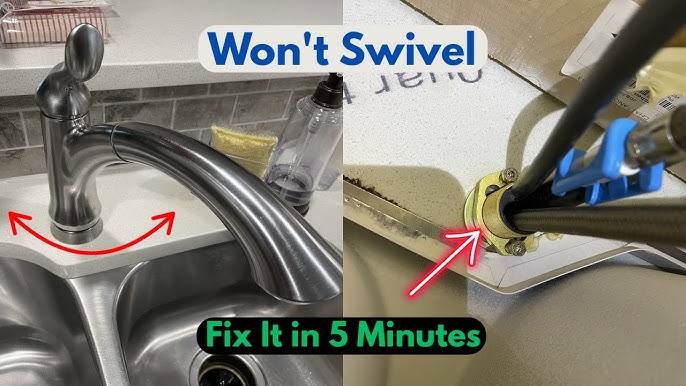
Credit: www.youtube.com
Tools Needed
A basin wrench, adjustable wrench, and screwdriver are essential for removing a single-handle Moen kitchen faucet. Having a bucket helps catch any water spills during the process. Basic plumbing tools make the task easier and safer.
Removing a single handle Moen kitchen faucet requires preparation. Having the right tools makes the process easier and efficient. Before starting, gather all necessary tools to avoid interruptions. This ensures a smooth workflow and saves time.Adjustable Wrench
An adjustable wrench is essential for loosening nuts and bolts. It provides the flexibility to fit various sizes. Make sure it is sturdy for better grip.Phillips Screwdriver
A Phillips screwdriver is needed for screws with cross-shaped slots. It helps in removing the faucet handle. Ensure the screwdriver fits the screw size correctly.Allen Wrench
Allen wrenches are crucial for dealing with hex screws. They are often used in faucet assembly. Keep a set handy for different sizes.Plumber’s Putty
Plumber’s putty is used to seal joints and prevent leaks. It is important for securing the base of the faucet. Make sure the putty is fresh for effective sealing.Bucket
A bucket is useful to catch water during removal. It prevents spills and keeps the area dry. Choose a bucket that fits under the sink.Towel
A towel helps in cleaning and drying surfaces. It is useful for wiping excess water. Keep a clean towel ready for use.Flashlight
A flashlight is helpful for illuminating dark areas. It aids in seeing under the sink. Ensure it has fresh batteries for uninterrupted light.Prepare The Area
Preparing the area before removing your single handle Moen kitchen faucet is key to making the process smooth and stress-free. Taking a few moments to get your workspace ready can save you from frustration and unexpected messes. Let’s look at how you can set up your area for success.
Turn Off Water Supply
Start by shutting off the water supply to your faucet. Most kitchens have shutoff valves located under the sink—usually two, one for hot water and one for cold. Turn both valves clockwise until they stop to cut the water flow.
If you don’t see individual valves, you might need to turn off the main water supply for your home. Have a bucket or towel handy to catch any drips when you disconnect the faucet.
Have you checked lately if your shutoff valves are working smoothly? Sometimes valves get stuck or leak, so it’s worth making sure they operate properly before you begin.
Clear Under-sink Space
Clearing out the space beneath your sink gives you room to move and prevents damage to your belongings. Remove any cleaning supplies, trash bins, or stored items that could get in the way. A clutter-free zone helps you focus on the task without distractions.
Lay down a towel or a small bucket under the faucet connections to catch any residual water. This simple step keeps your cabinet dry and makes cleanup easier. Have you ever started a project only to be slowed down by limited space? Avoid that by creating a neat work area first.
Disconnect Water Lines
Disconnecting the water lines is a key part of removing a single handle Moen kitchen faucet. It prevents water leaks and prepares the faucet for safe removal. Take your time to avoid damage to pipes and fittings. Follow the steps carefully to ensure a smooth process.
Loosen Supply Connections
Locate the water supply lines under the sink. Use an adjustable wrench to loosen the nuts connecting the lines to the faucet. Turn the wrench counterclockwise to loosen. Hold the supply line steady to avoid twisting or bending. Keep a towel nearby to catch any drips. Once loose, gently pull the supply lines away from the faucet.
Drain Remaining Water
After disconnecting the supply lines, some water may still remain in the pipes. Place a bucket or bowl under the faucet area to catch the water. Open the faucet handle to let water drain out. Wait until no more water flows. This step reduces spills and keeps the work area dry.
Remove Faucet Handle
Removing the faucet handle is the first step to take apart your Moen kitchen faucet. This part controls the water flow and temperature. You need to remove it carefully to avoid damage. A proper approach makes the job easier and faster. Follow simple instructions to take off the handle safely.
Locate Set Screw
The set screw holds the faucet handle in place. It is usually hidden under a decorative cap. Look for a small cover on the side or back of the handle. Use a flat tool to gently pry off this cap. Underneath, find the tiny screw that tightens the handle.
Use Appropriate Tools
Choose the right tool to remove the set screw. Most Moen faucets require an Allen wrench or a small screwdriver. Check the screw head type before selecting a tool. Insert the tool firmly into the screw and turn it counterclockwise. Keep steady pressure to avoid stripping the screw.
Detach Faucet Body
Detaching the faucet body is a key step in removing a single handle Moen kitchen faucet. This part holds the faucet firmly in place on your sink. Removing it carefully prevents damage to both faucet and sink. Follow simple actions to loosen and lift the faucet body smoothly.
Unscrew Mounting Nuts
Locate the mounting nuts under the sink. These nuts hold the faucet tightly. Use an adjustable wrench or basin wrench to turn them counterclockwise. Be patient and avoid forcing the nuts. If nuts are tight, apply a little penetrating oil and wait a few minutes. Keep turning until the nuts come off easily. Set the nuts aside for reinstallation.
Lift Faucet From Sink
After removing the mounting nuts, the faucet body should be free. Gently lift the faucet straight up from the sink surface. Avoid twisting or rocking too much. If the faucet sticks, check for any remaining connections. Move slowly to prevent scratches or damage. Once free, place the faucet on a soft surface to keep it safe.
Clean Sink Surface
Cleaning the sink surface is essential before removing a single handle Moen kitchen faucet. A clean area helps prevent damage and ensures a smooth faucet removal process. Dirt, grime, and old sealant can block access and cause leaks later. Take time to clear the workspace for better results.
Remove Old Sealant
Old sealant around the faucet base must be removed carefully. Use a plastic scraper or putty knife to lift and peel away the sealant. Avoid metal tools that can scratch the sink surface. Clean the area with warm, soapy water to remove residue. Dry the surface with a soft cloth to prepare for the next steps.
Prepare For New Faucet
After cleaning, check the sink surface for damage or buildup. Use a gentle cleaner to remove any remaining stains or grease. Make sure the area is completely dry before installing the new faucet. This prevents water from trapping under the faucet and causing leaks. A clean, dry surface improves faucet stability and seal strength.
Troubleshooting Tips
Removing a single handle Moen kitchen faucet can sometimes be trickier than expected. You might face stuck parts or leaks that slow down your progress. These troubleshooting tips help you handle common issues so your faucet removal goes smoothly and safely.
Dealing With Stuck Parts
Sometimes the faucet handle or mounting nut won’t budge, even after applying force. Instead of pushing harder, try spraying a penetrating lubricant like WD-40 around the stuck area. Let it sit for 10 minutes to loosen corrosion or mineral buildup.
If the handle still won’t move, gently tap around the base with a rubber mallet. This can break the seal without damaging the faucet. Avoid using metal tools that could scratch or dent the finish.
Have you checked for hidden screws? Moen handles often have a small cap hiding a set screw underneath. Removing this screw can free the handle without extra force.
Handling Leaks
Leaks during removal usually come from loose or damaged connections. Before taking off the faucet, turn off your water supply and open the faucet to drain any leftover water. This prevents unexpected drips and potential water damage.
Inspect the O-rings and washers for cracks or wear. These parts are common culprits for leaks and can be replaced easily. Keep a small bucket or towel nearby to catch any water that might spill when disconnecting the supply lines.
Have you noticed water pooling under the sink? This might indicate a faulty valve or loose connection. Tighten all nuts gently and test for leaks before finishing your removal.

Credit: www.ebay.com

Credit: www.reddit.com
Frequently Asked Questions
How Do I Prepare To Remove A Moen Kitchen Faucet?
Start by turning off the water supply under the sink. Clear out the area for easy access. Gather necessary tools like an adjustable wrench and a basin wrench for tight spaces.
What Tools Are Needed To Remove A Single Handle Moen Faucet?
You’ll need an adjustable wrench, a basin wrench, and a screwdriver. These tools help loosen nuts and screws securing the faucet. Having a bucket nearby can catch any residual water.
How To Disconnect Water Lines From A Moen Kitchen Faucet?
First, turn off the water supply. Use an adjustable wrench to loosen the nuts connecting the water lines. Gently pull the lines away once disconnected to avoid damage.
Can I Remove The Moen Faucet Without Damaging The Sink?
Yes, carefully loosen all mounting nuts without forcing them. Use proper tools to avoid scratches. Protect the sink surface with a cloth if needed during removal.
Conclusion
Removing a single-handle Moen kitchen faucet is easier than it seems. Follow each step carefully for safe and clean removal. Keep your tools ready and work patiently. Taking your time helps avoid damage and frustration. After removal, inspect the area before installing a new faucet.
This task saves money and gives you control over your kitchen repairs. Remember, practice makes perfect. Try again if needed. You will get better with experience.