Is your shower head not moving the way it used to? That stubborn ball joint might be the reason.
Removing the shower head ball joint can seem tricky, but with the right steps, you can fix it quickly and easily. In this guide, you’ll learn exactly how to remove your shower head ball joint without damaging any parts. Keep reading, and you’ll soon have your shower working smoothly again—no plumber needed.
Tools Needed
Removing a shower head ball joint requires the right tools to make the process smooth and prevent damage. Having these tools at hand saves time and frustration. You don’t want to start and then realize you’re missing something important.
Wrench Or Adjustable Pliers
A wrench or adjustable pliers are essential for loosening the ball joint. Make sure the tool fits snugly to avoid slipping and scratching the fixture. If your shower head has a tight fit, using a cloth between the tool and the joint can protect the finish.
Pipe Tape (teflon Tape)
After removing the ball joint, you’ll want to reseal the connection properly. Pipe tape helps create a watertight seal and prevents leaks. It’s cheap and easy to use—wrap it around the threads before reinstalling parts.
Soft Cloth Or Rag
Protect the shower head’s surface with a soft cloth when using tools. This small step keeps your fixture looking new. You can also use it to clean off any residue or buildup before reassembly.
Lubricant Or Wd-40
If the ball joint feels stuck or corroded, a lubricant can help loosen it. Spray a little on the joint and wait a few minutes before trying again. This often saves you from applying excessive force that might cause damage.
Bucket Or Towel
Water can drip or spill during removal, so keep a bucket or towel nearby. It helps keep your bathroom dry and prevents slipping hazards. Plus, it makes cleanup much easier afterward.
Safety Precautions
Before you start removing the shower head ball joint, it’s crucial to think about safety. Working with plumbing parts can be tricky and sometimes messy, but taking the right precautions will keep you safe and save you time.
Turn Off The Water Supply
Always shut off the water supply to your shower before you begin. This prevents water from spraying out unexpectedly, which can cause injury or damage. You don’t want to be caught off guard by a sudden gush of water while unscrewing the joint.
Use Proper Tools
Make sure you have the right tools ready, such as an adjustable wrench or pliers with rubber grips. Using the wrong tools can damage the shower head or ball joint and may lead to slips or injuries. Have a cloth nearby to protect surfaces and improve your grip.
Protect Your Hands And Eyes
Wear gloves to avoid cuts from sharp edges or metal parts. Eye protection is also important because debris or rust can fall when loosening the joint. Simple safety glasses can make a big difference in preventing accidents.
Work In A Dry Area
Check that the floor and surrounding area are dry before starting. Wet surfaces increase the risk of slips and falls. If you notice any leaks, wipe them up immediately to keep your workspace safe.
Understand The Joint Type
Not all ball joints are the same. Take a moment to identify your shower head’s joint type and how it’s connected. This helps prevent unnecessary force that could break parts or cause injury.
Have you ever tried a repair and wished you’d prepared better? Taking these safety steps seriously can turn a frustrating task into a smooth, safe experience.
Turning Off Water Supply
Turning off the water supply is essential before removing the shower head ball joint. This step prevents water from spraying and causing a mess. It also protects your plumbing from damage during the process.
Knowing how to shut off the water properly saves time and avoids frustration. The water supply can be stopped at different points, depending on your home setup. Take a moment to locate the correct valve or main shut-off switch.
Locate The Main Water Valve
The main water valve controls water flow to the entire house. It is usually near the water meter or where the main pipe enters your home. Turn this valve clockwise to stop the water supply completely.
Find The Shower-specific Shut-off Valve
Some bathrooms have individual shut-off valves for showers. These are often behind an access panel or under the sink. Turning this valve off isolates water flow to the shower only.
Use A Wrench To Turn The Valve
Valves may be stiff or hard to turn by hand. Use an adjustable wrench for better grip and control. Turn the valve gently to avoid damaging it.
Check For Water Flow
After closing the valve, open the shower tap to release remaining water. Wait until water flow stops completely. This confirms the water supply is off and safe to work on.

Credit: www.walmart.com
Removing The Shower Head
Removing the shower head is a straightforward task that anyone can handle with a bit of patience and the right approach. Whether you’re upgrading your bathroom or fixing a leak, taking off the shower head properly is key to avoiding damage. Let’s dive into how you can do this efficiently by focusing on the ball joint connection.
Loosening The Ball Joint
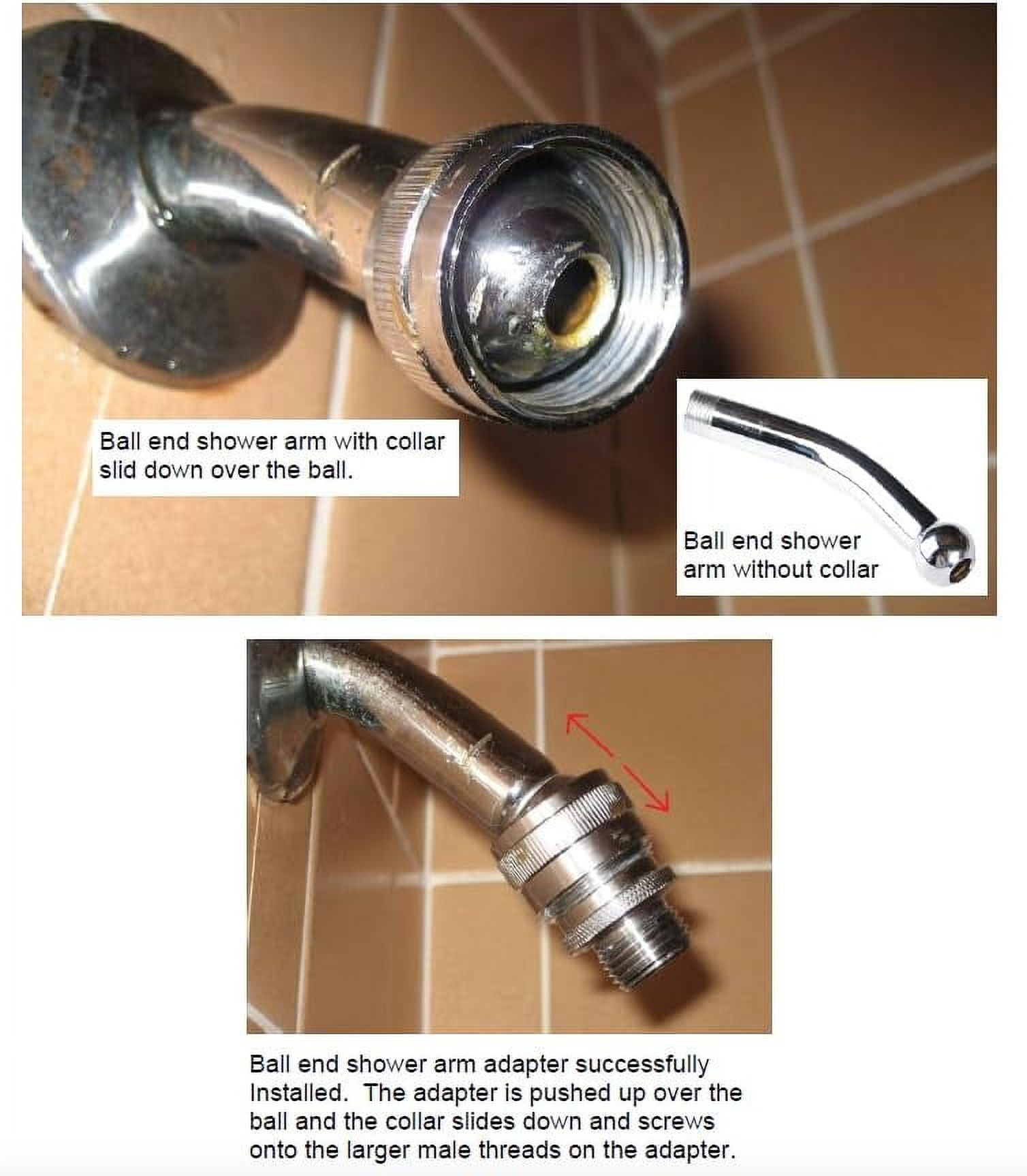
The ball joint is the pivot point where the shower head connects to the arm, and it often gets stuck due to mineral buildup or rust. Start by wrapping a cloth around the joint to protect its finish from scratches. Then, use an adjustable wrench or pliers to gently turn the ball joint counterclockwise.
If it feels stuck, spray a little penetrating oil and wait 10 minutes before trying again. Don’t force it too hard; applying steady, even pressure works better and prevents breaking the fixture. Have you noticed your bathroom fixtures getting harder to move over time? This is usually the culprit.
Detaching The Shower Head
Once the ball joint is loosened, you can pull the shower head away from the arm. It might take a bit of wiggling, so move it gently back and forth to free it. Avoid pulling straight out with excessive force as this can damage the plumbing behind the wall.
If the shower head doesn’t budge, double-check for any hidden clips or locking mechanisms. After detaching, inspect the ball joint and shower arm for wear or debris that might affect the new installation. Have you ever found unexpected parts or dirt during a simple home fix? It often explains why something was stuck in the first place.
Cleaning The Ball Joint Area
Cleaning the ball joint area of your shower head is essential for maintaining smooth movement and preventing leaks. Over time, soap scum, mineral buildup, and debris can accumulate, restricting the joint’s function. Taking a few moments to clean this area can extend the life of your shower head and improve your shower experience.
Removing Mineral Deposits
Mineral deposits often look like white or greenish crusts around the ball joint. These build up from hard water and can make the joint stiff or even stuck. You can easily remove these deposits by soaking a cloth in white vinegar and wrapping it around the joint for about 30 minutes.
After soaking, use an old toothbrush to gently scrub away loosened deposits. Be careful not to use anything too abrasive that might scratch the surface. If the buildup is stubborn, repeat the process until the joint looks clean and moves freely again.
Inspecting For Damage
Once the ball joint is clean, take a close look for any cracks, rust, or worn-out washers. These issues often cause leaks or reduce the joint’s flexibility. A damaged ball joint might mean it’s time to replace the entire shower head or the joint itself.
Ask yourself: does the joint still move smoothly without resistance? If not, replacing worn parts can save you from a costly plumber visit. Keeping an eye on these small details helps you catch problems early and keep your shower running perfectly.
Installing New Shower Head
Installing a new shower head can refresh your bathroom experience instantly. It’s not just about aesthetics; a properly installed shower head improves water flow and efficiency. Before you start, make sure you have the right tools and replacement parts ready.
Attaching New Ball Joint
Start by applying plumber’s tape around the threads of the shower arm. This prevents leaks and ensures a tight fit. Next, screw the new ball joint onto the shower arm by hand, turning it clockwise until it’s snug.
Be careful not to overtighten as this could damage the threads. Use an adjustable wrench to give it a final quarter turn for security. The ball joint allows you to adjust the shower head angle, so make sure it moves freely but stays firmly in place.
Securing The Shower Head
Now, attach the shower head to the ball joint by threading it clockwise. Again, start by hand to avoid cross-threading. Once hand-tight, use a wrench to secure it but avoid excessive force.
Test the connection by gently adjusting the shower head’s angle. If it slips or feels loose, tighten the ball joint a bit more. Don’t forget to turn on the water and check for leaks around the connection.
Testing The Installation
After removing and reinstalling your shower head ball joint, testing the installation is crucial to ensure everything works perfectly. This step confirms that your efforts haven’t led to leaks or improper function. Skipping this could mean dealing with water damage or a frustrating shower experience later on.
Checking For Leaks
Turn on your shower gently and watch closely around the ball joint connection. Leaks often show up as tiny drips or wet spots, so don’t rush this step. Even a small leak can waste water and cause damage over time.
If you spot any leaks, try tightening the joint slightly. Sometimes, adding a bit more plumber’s tape on the threads before reconnecting helps create a better seal. Have a towel handy to dry any water so you can monitor if the leak persists.
Ensuring Proper Function
Move the shower head through its full range of motion. It should pivot smoothly without resistance or wobbling. If it feels loose or stiff, the ball joint might not be seated correctly.
Check the water flow too. It should be steady and consistent without sputtering or unusual noises. Uneven water pressure could indicate debris trapped inside or a misaligned joint.
Have you ever ignored a small drip and ended up with a soaked bathroom floor? Testing now saves you that hassle later. Take your time to make sure your shower head works flawlessly before wrapping up your project.
Credit: www.walmart.com

Credit: www.amazon.com
Frequently Asked Questions
How Do I Remove A Shower Head Ball Joint Safely?
To remove a shower head ball joint safely, first turn off water supply. Use a wrench to gently loosen the joint. Protect the fixture with a cloth to avoid scratches. Twist and pull the ball joint carefully to detach it without damage.
What Tools Are Needed To Remove A Shower Head Ball Joint?
You need an adjustable wrench, plumber’s tape, and a cloth. The wrench loosens the joint, while the cloth protects the finish. Plumber’s tape helps reseal the connection when reattaching the shower head ball joint.
Can I Remove A Shower Head Ball Joint Without Damaging It?
Yes, you can remove it without damage by loosening gently with the right tools. Avoid using excessive force and always protect the finish with a cloth or tape. This preserves the ball joint’s condition for reinstallation or replacement.
How Do I Prevent Leaks After Reinstalling The Ball Joint?
Apply plumber’s tape evenly around the threads before reattaching the ball joint. Tighten the joint snugly but avoid overtightening. Check for leaks by turning on water and adjusting the joint if needed.
Conclusion
Removing a shower head ball joint is simple with the right steps. Use basic tools and take your time. Keep the area dry and clean for easy work. Check for any damage before reattaching parts. Doing this can improve your shower’s function and stop leaks.
A little care goes a long way in bathroom repairs. Now, you can handle this task confidently and safely.