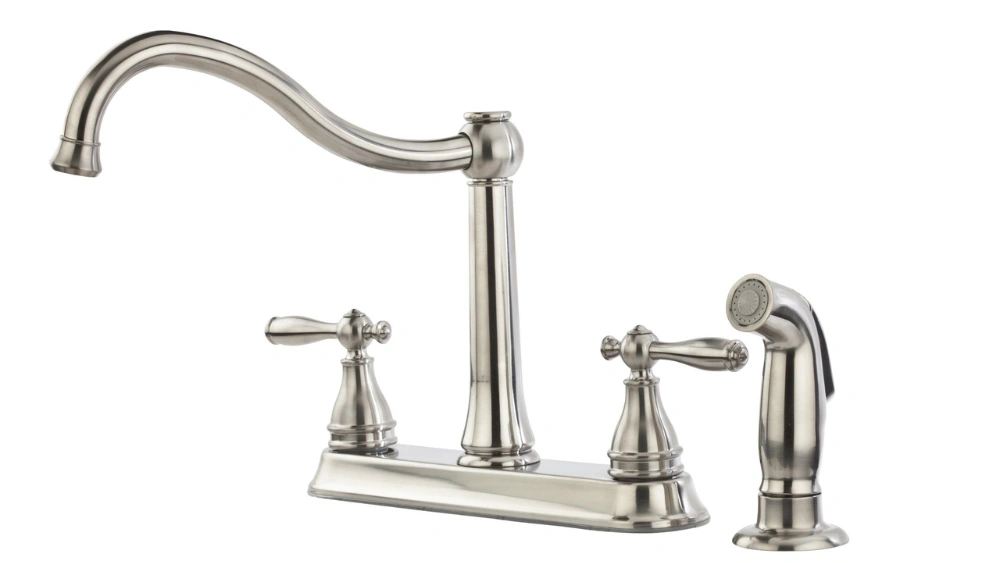
Is your Pfister kitchen faucet handle stuck or leaking? Knowing how to remove it quickly can save you time and frustration.
Whether you want to fix a drip, replace a worn part, or upgrade your faucet, this simple guide will walk you through each step. By the end, you’ll feel confident handling your faucet like a pro. Ready to get started and take control of your kitchen repairs?
Keep reading to learn exactly how to remove your Pfister kitchen faucet handle without any hassle.
Tools Needed
Before you start removing your Pfister kitchen faucet handle, gathering the right tools is crucial. Having everything at hand saves time and spares you from frustration mid-task. The tools needed are simple and likely already in your toolbox.
Hex Key (allen Wrench)
A hex key is usually essential because most Pfister faucet handles are secured with a hidden set screw. This screw often sits under a decorative cap or inside the handle itself. Using the correct size hex key ensures you don’t strip the screw and can remove the handle smoothly.
Screwdriver
Depending on your faucet model, a flathead or Phillips screwdriver may be necessary. You might need it to pry off the decorative cap or loosen screws that hold the handle. A screwdriver with a comfortable grip will make this task easier.
Adjustable Wrench Or Pliers
Sometimes, you’ll need an adjustable wrench or pliers to loosen nuts or bolts connected to the faucet handle. Be careful not to scratch the finish; wrapping the jaws with a cloth can protect the surface. This tool is handy if the handle is stuck or corroded.
Soft Cloth Or Rag
Using a soft cloth helps protect your faucet’s finish while you work. It also comes in handy to clean the area once the handle is removed. Have one nearby to avoid accidental scratches or damage.
Have you checked if you have all these tools before starting? Missing just one can make the job harder than it should be. Preparing your workspace and tools first ensures a smoother removal process and less stress.
Preparation Steps
Before removing a Pfister kitchen faucet handle, preparation is key. Proper preparation saves time and prevents damage. It makes the removal process smooth and safe.
Start by ensuring no water flow can interrupt your work. Also, clear the area around the sink. This gives enough space to work comfortably and avoid accidents.
Turn Off Water Supply
Locate the water shut-off valves under the sink. These valves control water flow to the faucet. Turn both the hot and cold valves clockwise. This stops water from flowing during handle removal.
Open the faucet to release any leftover water pressure. This step prevents water spills. Keep a towel or small bucket nearby just in case.
Clear Work Area
Remove any items around the sink area. Clear dishes, soap, and cleaning tools. This creates a clean, safe space to work.
Lay down a towel or cloth on the sink base. It protects the sink surface from scratches. Also, gather necessary tools like screwdrivers or Allen wrenches before starting.
Identify Faucet Type
Before you start removing your Pfister kitchen faucet handle, it’s important to identify the type of faucet you have. This step helps you understand how the handle is attached and which tools you’ll need. Knowing your faucet type can save time and prevent damage during removal.
Single Handle Faucets
Single handle faucets have one lever that controls both water temperature and flow. These handles often have a small set screw hidden under a decorative cap or on the side of the handle. Look closely for a small button or cover that you can gently pry off to access the screw.
Once you find the screw, you’ll usually need an Allen wrench or screwdriver to loosen it. Removing a single handle is straightforward, but be careful not to strip the screw. Have you checked if your handle moves smoothly before removal? That can indicate if it’s stuck or just needs a little extra force.
Double Handle Faucets
Double handle faucets have separate handles for hot and cold water, often connected to individual valves. Each handle typically has a visible screw or a decorative cap hiding the screw beneath. These handles might require a different approach depending on the model.
Sometimes, you’ll find a small slot or button on top of the handle to pry off. Other times, the screw is on the side or underneath the handle. Take a moment to inspect your faucet carefully—do both handles look identical or do they have unique features? This can affect how you remove them without causing damage.
Credit: www.tiktok.com
Locate Handle Screws
Locating the handle screws on your Pfister kitchen faucet is the key to removing the handle safely and efficiently. These screws hold the handle in place, and knowing where to find them can save you time and frustration. Sometimes, the screws are easy to spot, but other times they can be hidden, requiring a bit more attention.
Hidden Screws
Many Pfister faucets have screws concealed beneath decorative caps or covers. These caps often blend with the faucet’s design, making them easy to overlook. Gently pry off any visible caps using a flathead screwdriver or a thin tool, but be careful not to scratch the finish.
Once the cap is removed, you’ll usually find a small Allen screw or a Phillips screw holding the handle in place. Check inside the handle base thoroughly—sometimes the screw sits deeper than expected. Have you noticed how a simple cap removal reveals the hidden fastening? It feels like uncovering a secret.
Visible Screws
In some Pfister models, the screws are out in the open, usually located on the side or the front of the handle. These are straightforward to identify and remove. Look for small screws that match the faucet’s color or finish—they often blend but don’t hide completely.
Use the right screwdriver to avoid stripping the screw head. If the screw looks tight, apply steady pressure and turn slowly. Have you ever found a screw so visible you wondered why you missed it before? Sometimes the simplest details are right in front of you.
Removing The Handle
Removing the handle of your Pfister kitchen faucet might seem tricky, but it’s a straightforward task with the right approach. Taking off the handle carefully ensures you don’t damage any parts, making your repair or replacement smooth. Let’s break down the process so you can feel confident tackling it yourself.
Unscrew And Remove
Start by locating the small set screw that holds the handle in place. This screw is often hidden under a decorative cap on the handle. Use a flathead screwdriver or a thin knife to gently pry off the cap without scratching the finish.
Once exposed, use an Allen wrench or a screwdriver to loosen the set screw. Turn it counterclockwise until it’s fully unscrewed. Then, carefully pull the handle straight up or gently wiggle it to release it from the faucet stem.
If the handle feels stuck, don’t force it hard. Applying a bit of penetrating oil and letting it sit for a few minutes can help loosen it without damage.
Handle Removal Tips
- Protect your faucet finish:Place a cloth around the handle before using tools to avoid scratches.
- Keep screws safe:Store the set screw and any caps in a small container so you don’t lose them.
- Check for hidden screws:Some Pfister models have screws under the handle or behind decorative covers—inspect thoroughly.
- Use the right tools:Using an incorrect screwdriver can strip screws, making removal harder.
- Patience matters:If the handle resists, try gentle rocking motions rather than pulling hard.
Have you ever struggled with a stuck faucet handle? Sometimes, the smallest details like a hidden screw or a stubborn grip make all the difference. Taking your time and using these tips will save you frustration and protect your faucet’s finish.

Credit: www.reddit.com
Inspecting Internal Components
Inspecting the internal components of your Pfister kitchen faucet handle is essential before you attempt any repairs or replacements. Taking a close look at the parts inside helps you understand what might be causing issues like leaks or stiffness. It also saves you time and money by pinpointing the exact problem.
Check For Wear And Tear
Start by examining the cartridge and O-rings inside the handle. Look for cracks, corrosion, or any signs of damage that could affect performance.
Have you noticed water dripping even after turning off the faucet? That’s often a sign that the internal seals or washers are worn out. Replacing these small parts can restore smooth operation without needing a full faucet replacement.
Clean And Maintain
Dirt and mineral buildup can cause your faucet handle to stick or move unevenly. Use a soft brush and a mild vinegar solution to clean the internal parts gently.
After cleaning, apply a small amount of plumber’s grease to the moving components. This simple step can prolong the life of your faucet handle and keep it working smoothly.
Reassemble The Faucet
Reassembling your Pfister kitchen faucet handle is a crucial step that ensures everything works smoothly and looks great. Skipping details here can lead to leaks or a loose handle. Taking your time and paying attention to alignment and secure fastening will save you headaches later.
Align Handle Properly
Start by positioning the handle exactly where it was before removal. The handle needs to fit snugly onto the valve stem without forcing it. If it feels off, double-check the orientation—Pfister handles often have a specific alignment groove or notch.
Imagine the handle as the face of your faucet’s operation. Misalignment can make turning the water on or off feel awkward or cause internal parts to wear unevenly. Take a moment to gently wiggle the handle into place rather than pushing it hard.
Tighten Screws Securely
Once the handle sits properly, secure it with the screws you removed earlier. Use a screwdriver that fits well to avoid stripping the screws. Tighten until firm but stop before forcing—it’s better to check and tighten again than risk damage.
- If your handle uses a set screw, make sure it’s firmly in the groove.
- Check for any wobble after tightening; if it moves, tighten a bit more.
- Don’t forget to replace any decorative caps or covers over the screws.
Have you ever tightened a screw too much and stripped it? That’s why a careful, steady hand matters here. Secure screws keep your faucet handle stable and reliable, preventing future repairs.
Testing The Faucet
Testing the faucet after removing and reinstalling the Pfister kitchen faucet handle is essential. It ensures everything works correctly and prevents future problems. Take time to check for leaks and confirm smooth operation before finishing the job.
Check For Leaks
Turn on the water supply slowly. Watch closely around the handle and base for any drips. Use a dry cloth to spot small leaks quickly. Leaks can cause water damage if ignored.
If you see water pooling or dripping, tighten connections gently. Avoid overtightening to prevent damage. Repeat the leak check after adjustments to be sure.
Ensure Smooth Operation
Move the faucet handle up and down and side to side. It should operate without sticking or unusual resistance. Smooth movement means the handle is installed correctly.
Listen for any strange noises like grinding or squeaking. These sounds may signal loose parts or internal damage. Fix any problems before finishing the installation.
Troubleshooting Common Issues
Troubleshooting common issues with Pfister kitchen faucet handles helps save time and effort. Many problems arise from simple causes. Fixing these issues often requires basic tools and careful handling. Understanding the problem is key before trying to remove the handle.
Stuck Handles
Handles can become stuck due to mineral buildup or corrosion. Cleaning the area around the base helps loosen the handle. Use a cloth soaked in vinegar to break down deposits. Gently wiggle the handle after soaking to test movement. Avoid forcing it, which can cause damage.
- Turn off water supply to avoid leaks.
- Remove decorative caps to access screws.
- Apply penetrating oil if stuck due to rust.
- Use a soft tool to pry without scratching.
Loose Handles
Loose handles often result from worn screws or internal parts. Tightening screws can restore stability. If screws are stripped, replacing them is necessary. Check for damaged washers or O-rings that need swapping. Ensure all parts fit snugly to prevent future loosening.
- Locate and tighten the set screw under the handle.
- Inspect the handle for cracks or wear.
- Replace damaged components with compatible parts.
- Test handle movement after adjustments.

Credit: www.reddit.com
Maintenance Tips
Proper maintenance keeps your Pfister kitchen faucet handle working smoothly. Small efforts prevent bigger problems. Follow simple tips to extend the handle’s life and maintain its appearance. Regular attention protects against leaks and stiffness.
Regular Cleaning
Clean the handle gently to avoid damage. Use a soft cloth with mild soap and water. Avoid harsh chemicals or abrasive pads that scratch the finish. Wipe dry after cleaning to prevent water spots. Regular cleaning removes dirt and buildup that affect handle movement.
Periodic Inspections
Check the handle and faucet parts often. Look for loose screws or worn components. Tighten screws with the right tool to keep the handle secure. Examine the cartridge and replace it if leaks occur. Early detection of issues saves time and money on repairs.
Frequently Asked Questions
How Do I Remove A Pfister Kitchen Faucet Handle?
First, turn off the water supply. Locate and remove the handle’s set screw using an Allen wrench. Gently pull the handle upward to detach it from the faucet base.
What Tools Are Needed To Remove Pfister Faucet Handle?
You need an Allen wrench or screwdriver, depending on your model. Also, have a cloth handy to protect the finish when prying the handle off.
Can I Remove The Handle Without Damaging The Faucet?
Yes, always use the correct tools and avoid excessive force. Protect the faucet finish with a cloth while removing the handle carefully.
Why Won’t My Pfister Faucet Handle Come Off?
The set screw may be hidden under a decorative cap or stuck due to mineral buildup. Use penetrating oil and check for hidden screws.
Conclusion
Removing a Pfister kitchen faucet handle is simple with the right steps. Start by turning off the water supply. Use basic tools like a screwdriver or Allen wrench. Take care not to damage any parts while loosening screws. Work slowly and keep track of small pieces.
This guide helps you save time and avoid mistakes. Try it yourself and feel confident handling faucet repairs. Regular maintenance keeps your kitchen running smoothly. Now, you know how to remove a Pfister faucet handle easily.






