Struggling with a paint roller that just won’t come off? You’re not alone.
Removing a paint roller might seem simple, but if you don’t do it the right way, you can damage your tools or make a bigger mess. Imagine saving time, avoiding frustration, and keeping your roller in perfect shape for the next project.
You’ll discover easy, effective steps to remove your paint roller quickly and cleanly. Keep reading—you’ll thank yourself later!
Gather Necessary Tools
Gathering the right tools before removing a paint roller makes the job easier. Proper preparation saves time and avoids mess. Collecting everything you need helps you work safely and efficiently.
List Of Required Items
- Paint roller frame
- Paint roller cover
- Paint tray
- Bucket of warm water (for water-based paint)
- Paint thinner or solvent (for oil-based paint)
- Rubber gloves
- Old rags or paper towels
- Putty knife or scraper
- Plastic bags or containers for disposal
Preparing Your Workspace
Clear the area around your painting spot. Remove any furniture or cover it with plastic sheets. Lay down newspapers or drop cloths to catch drips.
Wear old clothes or an apron to protect your outfit. Keep cleaning supplies nearby. This helps you clean spills immediately and prevents stains.
Credit: www.etsy.com
Remove Excess Paint
Removing excess paint from your roller is key to achieving a smooth, even coat on your walls. Excess paint not only causes drips but also wastes material and can make your roller harder to clean later. Taking a few extra moments to clear off the surplus paint can save you frustration and improve your painting results.
Scraping Off Paint
One simple way to remove excess paint is by scraping it off the roller. Use the edge of a paint tray or a putty knife to gently scrape along the roller’s surface. This helps push paint back into the tray, reducing drips and splatters.
Try to keep the pressure even as you scrape. Too much force can damage the roller’s nap, while too little won’t remove enough paint. If you notice paint pooling at the roller ends, pay special attention there to avoid uneven application later.
Using A Paint Roller Scraper
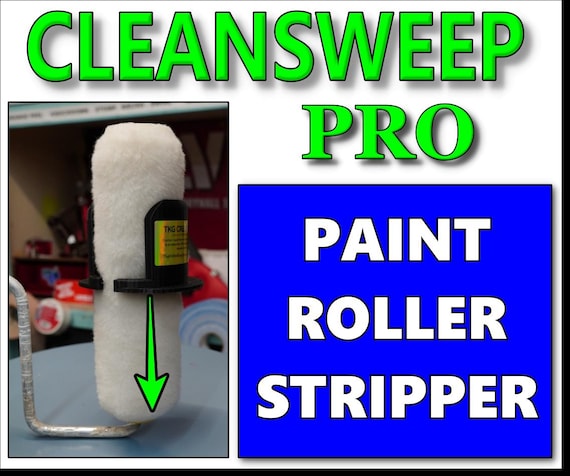
A paint roller scraper is a handy tool designed specifically for cleaning and removing excess paint. It fits snugly around the roller and helps you squeeze out paint efficiently without wasting it. You can find these scrapers at most hardware stores or online.
Holding the scraper firmly, roll it back and forth over the roller. This action presses out the extra paint and collects it neatly in the tray. Have you noticed how much less mess you get when you use the right tool? It’s a small investment that saves time and paint.
Detach The Roller Cover
Detaching the roller cover is a key step in removing a paint roller. It helps clean the roller and keeps the frame ready for next use. The roller cover holds the paint, so removing it carefully avoids spills and damage.
Loosening The Roller Frame
Hold the roller frame firmly with one hand. Twist the roller cover gently with the other hand. This action loosens the cover from the frame’s core. Avoid using too much force to prevent tearing the cover.
If the cover feels stuck, try rolling it back and forth slightly. This movement helps break the paint seal between the cover and frame. Keep your grip steady to avoid slipping.
Pulling Off The Roller Cover
After loosening, grip the roller cover near the ends. Pull it straight off the frame in a slow, steady motion. Avoid twisting during removal to keep the cover intact.
Use a cloth or gloves for a better grip. This also protects your hands from leftover paint. Place the removed cover on a protected surface to prevent mess.
Clean The Roller Cover
Remove excess paint from the roller cover by rinsing it under warm water. Use your hands or a brush to gently clean the fibers until water runs clear. Dry the roller cover completely before storing to prevent damage.
Cleaning the roller cover is essential after painting. It ensures the roller is ready for future use. Proper cleaning removes paint residue, preventing damage. This process extends the roller’s lifespan. Follow these steps to clean it effectively.
Rinsing With Water Or Solvent
First, remove excess paint by scraping the roller. Run it under warm water if you used water-based paint. For oil-based paint, soak the roller in a solvent. Gently squeeze the roller cover to remove trapped paint. Repeat until the water or solvent runs clear.
Using A Brush For Deep Cleaning
Sometimes, rinsing isn’t enough. Use a brush to scrub the roller cover. This helps remove stubborn paint particles. Choose a brush with stiff bristles. Scrub gently to avoid damaging the roller fibers. Rinse again after brushing for a thorough clean.
Clean The Roller Frame
Cleaning the roller frame after painting is essential for keeping your tools in good shape. A clean frame lasts longer and works better for future projects. It also prevents dried paint from causing problems during your next use. Taking the time to clean the frame properly saves money and effort over time.
Wiping Down The Frame
Start by wiping the roller frame with a damp cloth. Remove any loose paint or dust particles. Use warm, soapy water for better cleaning. Focus on the metal parts where paint tends to stick. Dry the frame thoroughly with a clean cloth to avoid rust.
Removing Paint From The Handle
Paint often drips onto the handle during use. Use a cloth soaked in warm soapy water to wipe it clean. For stubborn paint, gently scrape with a plastic scraper. Avoid harsh tools that can damage the handle. Finish by drying the handle well to keep it comfortable to hold.
Dry And Store Tools
After removing the paint roller, the next important step is to dry and store your tools properly. This ensures they last longer and perform well the next time you paint. Neglecting this step can lead to hardened paint, ruined rollers, and frustration during your next project.
Proper Drying Techniques
Start by removing excess paint from the roller using a putty knife or a similar tool. This helps speed up the drying process and prevents paint from drying inside the roller fibers.
Next, rinse the roller under warm water until the water runs clear. If you used oil-based paint, clean the roller with the appropriate solvent first, then rinse.
After rinsing, shake off excess water and let the roller air dry in a well-ventilated area. Avoid storing it while still damp, as this can cause mildew or unpleasant odors.
Organizing For Future Use
Think about how often you paint and organize your tools accordingly. If you paint frequently, keep your rollers in a sealed plastic bag to maintain moisture for the next use.
If you won’t be using the roller soon, store it in a dry, dust-free container or on a shelf where it won’t get squished. Hanging rollers vertically can help preserve their shape.
Label your storage containers with paint colors or project dates. This little step saves you from digging through supplies and guessing what’s inside later.
Tips For Easier Removal Next Time
Removing a paint roller can be tough if paint sticks too much. Some simple tips help make the next removal faster and cleaner. These tricks save time and reduce mess. Preparing the roller before use makes a big difference.
Using Disposable Roller Covers
Disposable roller covers are designed for easy cleanup. After painting, just peel the cover off and throw it away. No need to wash or scrub. This saves time and effort, especially with sticky paints.
They come in many sizes and textures for different paint types. Using disposable covers keeps the roller frame clean. It also extends the life of the frame. Ideal for quick jobs or one-time projects.
Applying Non-stick Spray
Non-stick spray creates a thin barrier on the roller. It stops paint from bonding tightly. Spray the roller cover before applying paint. This makes paint slide off easily during cleaning.
Use a light, even coat of spray. Avoid heavy layers that affect paint quality. Non-stick sprays help rollers last longer. They also reduce drying time on the roller.
Credit: www.tiktok.com

Credit: www.amazon.co.jp
Frequently Asked Questions
How Do You Safely Remove A Paint Roller?
To safely remove a paint roller, first scrape off excess paint. Then, pull the roller cover gently from the frame. Use gloves to protect your hands. Clean the roller promptly to prevent paint from drying on it.
What Tools Help Remove A Paint Roller Easily?
A paint scraper or putty knife can help loosen the roller cover. Gloves protect your hands from paint. A bucket of water or solvent helps clean the roller after removal. These tools make the process quicker and cleaner.
Can You Reuse A Paint Roller After Removal?
Yes, you can reuse a paint roller if cleaned properly. Rinse it thoroughly with water or solvent depending on paint type. Remove all paint residues and let it dry completely before storing. Proper care extends the roller’s usability.
How To Remove Dried Paint From A Paint Roller?
Soak the roller in warm soapy water or paint thinner, depending on paint type. Use a brush to scrub off dried paint gently. Repeat soaking and scrubbing until clean. Avoid harsh chemicals that damage the roller fibers.
Conclusion
Removing a paint roller is easier than it seems. Start by loosening the roller from the frame carefully. Use water or paint thinner to clean any stuck paint. Wipe the roller and frame with a cloth to avoid mess. Let everything dry before storing to keep tools in good shape.
Taking these steps saves time and keeps your painting tools ready. Simple actions make a big difference for your next project.