You’ve probably switched to LED bulbs to save energy and cut costs. But what happens when those bulbs burn out?
Tossing them in the trash isn’t the best option. Recycling LED bulbs is simple, safe, and helps protect the environment. You’ll discover easy steps to recycle your LED bulbs the right way. Keep reading to learn how you can make a real difference with just a small action.
Your planet—and your future self—will thank you.
Benefits Of Recycling Led Bulbs
Recycling LED bulbs offers more than just a way to dispose of old lights responsibly. It directly benefits the environment, your health, and even your wallet. Understanding these benefits can motivate you to take action and make recycling a regular habit.
Environmental Protection
LED bulbs contain valuable materials like metals and glass that can be reused. Recycling prevents these materials from ending up in landfills, where they could harm the soil and water. By recycling, you reduce the need to mine new raw materials, which lowers pollution and conserves natural resources.
Energy Savings
Recycling LED bulbs saves energy because manufacturing products from recycled materials uses less power than making them from scratch. This reduction in energy demand helps decrease greenhouse gas emissions. Have you ever thought about how your small action can reduce the carbon footprint?
Health And Safety
Some LED bulbs contain tiny amounts of hazardous substances like lead or arsenic. Throwing them in the trash can release these toxins into the environment. Recycling safely handles these materials, protecting you and your community from potential health risks.
Economic Benefits
Recycling creates jobs in collection, processing, and manufacturing industries. It also reduces costs for manufacturers by supplying cheaper recycled materials. When you recycle, you support a circular economy that keeps money and resources flowing within your community.
Resource Conservation
LED bulbs are made from rare and finite resources. Recycling helps preserve these materials for future use instead of wasting them. Have you considered how preserving resources today can impact the availability of technology tomorrow?
Types Of Led Bulbs
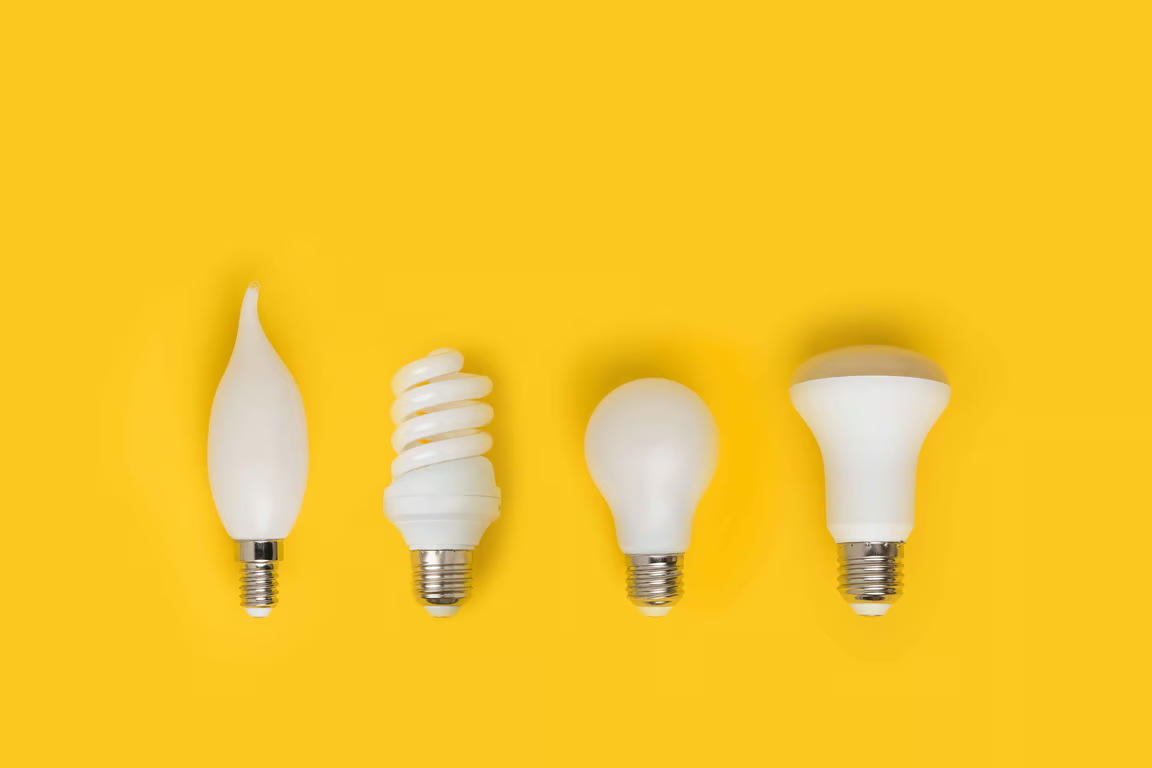
LED bulbs come in different types, each with unique features. Knowing these types helps in recycling them properly. Proper sorting ensures materials are handled safely and efficiently. This section covers the most common LED bulb types you will find.
Standard Led Bulbs
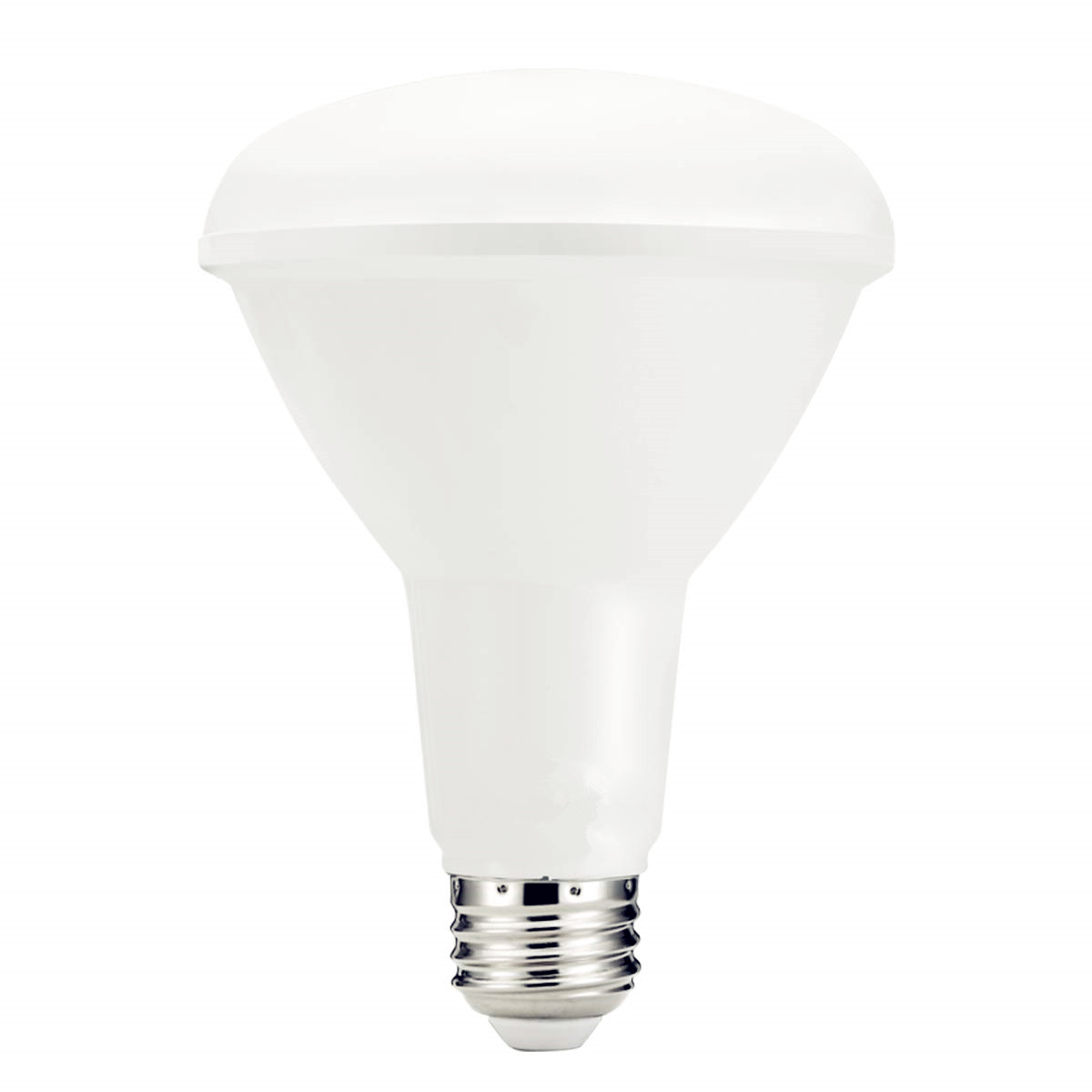
Standard LED bulbs are the most common type used in homes and offices. They are energy-efficient and last longer than traditional bulbs. These bulbs usually have a simple design with no extra functions. Recycling standard LEDs involves separating plastic, metal, and electronic parts. They do not contain harmful mercury, making them safer to recycle.
Smart Led Bulbs
Smart LED bulbs connect to Wi-Fi or Bluetooth for remote control. Users can change colors, brightness, and set schedules using apps. These bulbs contain more electronic components than standard LEDs. Recycling smart bulbs requires careful handling of circuit boards and batteries. Proper recycling prevents harmful substances from damaging the environment.
Preparing Led Bulbs For Recycling
Preparing LED bulbs for recycling is a simple but important task. Proper preparation ensures safe handling and effective recycling. It helps protect you and the environment from potential harm. Follow the steps carefully for the best results.
Safety Precautions
Wear gloves to avoid cuts from broken glass. Handle bulbs gently to prevent damage. Work in a well-ventilated area to reduce exposure to any fumes. Keep bulbs away from children and pets. Avoid touching broken parts directly. Store bulbs in a sturdy container before recycling.
Removing Bulbs From Fixtures
Turn off the power to the light fixture first. Allow the bulb to cool down completely before touching it. Hold the bulb gently at the base. Twist counterclockwise to unscrew it from the socket. Do not force the bulb if it feels stuck. Use a cloth or gloves for better grip and protection.
Local Recycling Programs
Local recycling programs play a crucial role in managing LED bulb waste responsibly. These programs make it easier for you to dispose of old or broken LED bulbs safely, preventing harmful materials from ending up in landfills. Knowing where and how to recycle your bulbs locally can save you time and help protect the environment.
Finding Nearby Facilities
Start by checking with your city’s waste management website or local government pages. Many communities list authorized recycling centers where you can drop off LED bulbs. Sometimes, hardware stores or electronics retailers also accept used bulbs for recycling.
Use online tools like Earth911 or call your local waste department to find the closest facility. Keep in mind that some places may require you to package bulbs carefully to avoid breakage. Have you ever tried to recycle a bulb only to find out the nearest facility is miles away? Planning ahead can prevent that hassle.
Community Collection Events
Many towns hold special collection events for household hazardous waste, including LED bulbs. These events often happen a few times a year and provide a convenient way to recycle multiple items at once. Look for announcements on community boards or social media pages.
Attending these events not only helps you recycle safely but also connects you with others who care about sustainability. You might even discover new recycling options you didn’t know existed. Have you checked if your neighborhood has an upcoming collection event?
Mail-in Recycling Options
Mail-in recycling offers a simple way to dispose of LED bulbs safely. It allows you to send used bulbs directly to recycling centers. This process helps keep hazardous materials out of landfills. It also recovers valuable components from the bulbs.
Many companies and programs accept LED bulbs through mail-in services. These options are convenient for people without local recycling facilities. They provide clear instructions on how to package and ship bulbs properly. Following these steps protects the bulbs and handlers during transit.
Choosing Mail-in Services
Select a mail-in service that accepts LED bulbs. Check if the company is certified to handle electronic waste. Look for clear guidelines on what types of bulbs they accept. Some services cover shipping costs, while others require payment. Confirm the turnaround time for recycling and any tracking options.
- Research company reputation and reviews
- Verify accepted bulb types and quantities
- Check shipping fees and return policies
- Ensure proper certification and safety standards
Packaging And Shipping Instructions
Package LED bulbs carefully to prevent breakage. Use sturdy boxes and cushioning materials like bubble wrap or foam. Seal the box tightly with strong tape to avoid leaks. Label the package clearly as containing fragile electronic waste. Follow the mail-in service’s instructions for shipping carriers and addresses.
- Wrap each bulb individually
- Fill empty spaces with padding
- Use a rigid outer box
- Include any required forms or labels
Credit: www.waveformlighting.com
Diy Recycling And Repurposing
Recycling LED bulbs at home can be a rewarding way to reduce waste and create something new. Instead of tossing old bulbs, you can give them a second life through DIY projects. This not only saves resources but also sparks your creativity and lets you personalize your space.
Creative Repurposing Ideas
Consider turning your used LED bulbs into unique decorative items. You can remove the internal components and fill the glass with small plants or colorful sand to make mini terrariums or paperweights. Another idea is to use the bulb bases as holders for small candles or as quirky knobs for drawers and cabinets.
Have you thought about making your own string lights? By carefully wiring several bulbs together, you can create a custom light fixture for your patio or bedroom. This adds a warm, personal touch to your home while keeping old bulbs out of the landfill.
Safety Tips For Diy Projects
Handling LED bulbs requires caution, especially since some parts can be fragile or sharp once disassembled. Always wear protective gloves and eyewear to avoid cuts and injuries. Make sure the bulbs are completely cool and disconnected from any power source before starting your project.
Dispose of any broken glass or electronic components properly. Avoid heating or burning parts of the bulb, as this can release harmful substances. Keeping your workspace clean and organized helps prevent accidents and makes the process smoother.
Environmental Impact Of Recycling
Recycling LED bulbs significantly influences the environment by minimizing harmful waste and saving valuable resources. Every LED bulb recycled means fewer materials end up in landfills, and less energy is used to produce new bulbs. Understanding the environmental benefits can motivate you to take action and make recycling part of your routine.
Reduction In Waste
LED bulbs contain components that don’t break down easily, such as metals and plastics. When you recycle them, these materials are kept out of landfills, reducing pollution and soil contamination.
Think about how many bulbs you replace yearly. Recycling them prevents these items from piling up and causing long-term environmental damage. Your choice to recycle helps lower the volume of electronic waste that often gets overlooked.
Conservation Of Resources
Recycling LED bulbs means valuable materials like aluminum, glass, and rare metals get reused. This lowers the demand for mining and manufacturing new raw materials, which consumes a lot of energy and water.
Imagine the energy saved by reusing metals instead of extracting them from the earth. This also cuts down greenhouse gas emissions linked to production. By recycling, you contribute to preserving natural resources for future generations.
Credit: bestprolighting.com
Common Mistakes To Avoid
Recycling LED bulbs helps protect the environment and saves resources. Avoiding common mistakes ensures you recycle safely and correctly. These errors can cause harm or waste valuable materials.
Incorrect Disposal Methods
Throwing LED bulbs in regular trash harms the environment. Many bulbs contain small amounts of hazardous materials. These can leak into soil and water, causing pollution.
Breaking bulbs before recycling is dangerous. It releases harmful substances and complicates recycling. Always handle bulbs carefully and keep them intact.
Do not mix LED bulbs with regular recyclables. They need special processing to recover valuable parts. Mixing wastes resources and makes recycling harder.
Ignoring Local Regulations
Each area has rules for recycling LED bulbs. Ignoring these can lead to fines or improper disposal. Local laws protect communities and nature.
Check with local waste centers or government websites. Find approved drop-off points or collection events. Following rules helps ensure bulbs are recycled properly.
Some places require specific packaging or labeling. Not following these steps can delay recycling or cause rejection. Always read and follow local guidelines carefully.

Credit: www.youtube.com
Frequently Asked Questions
How Can I Recycle Led Bulbs Safely?
To recycle LED bulbs safely, first check local recycling guidelines. Avoid breaking bulbs and use designated drop-off locations. Many stores and recycling centers accept LED bulbs for proper handling and disposal. Proper recycling prevents hazardous waste contamination and recovers valuable materials.
Where To Dispose Of Old Led Bulbs?
Old LED bulbs can be disposed of at electronic waste recycling centers. Some retailers and hardware stores offer LED bulb recycling programs. Always avoid throwing them in regular trash to prevent environmental harm. Check local regulations for specific disposal options.
Why Is Recycling Led Bulbs Important?
Recycling LED bulbs conserves resources and reduces landfill waste. LEDs contain valuable metals like aluminum and copper that can be reused. Proper recycling prevents toxic material release and supports environmental sustainability. It also reduces the demand for new raw materials.
Can I Recycle Led Bulbs With Regular Glass Recycling?
No, LED bulbs should not be recycled with regular glass. They contain electronic components and metals requiring special processing. Mixing them with glass recycling can damage equipment and reduce recycling effectiveness. Use designated e-waste or LED recycling facilities instead.
Conclusion
Recycling LED bulbs helps protect the environment and saves resources. You reduce waste by disposing of them properly. Many local centers accept used LED bulbs for recycling. Always check rules in your area before dropping off bulbs. Small actions make a big difference for our planet.
Start recycling today to keep your home and Earth safe. It’s easy, responsible, and good for future generations. Remember, every recycled bulb counts toward a cleaner world.