Are you ready to upgrade your bathroom with a new shower head but worried it might be tricky to install? Don’t worry—you can do it yourself quickly and easily, even if you’ve never tried before.
Imagine stepping into your shower and enjoying a fresh, powerful spray every day. In this guide, you’ll discover simple steps to put on your new shower head without stress or expensive tools. Keep reading, and you’ll be surprised how fast and satisfying this small change can be!
Choosing The Right Shower Head
Choosing the right shower head makes a big difference in your daily shower. It affects water flow, comfort, and even water use. Picking one that suits your needs and bathroom style matters. Consider the types and features before buying. This helps you get the best shower experience.
Types Of Shower Heads
- Fixed Shower Heads:Mounted to the wall and do not move. Simple and reliable.
- Handheld Shower Heads:Attached to a hose. Easy to move and clean.
- Rainfall Shower Heads:Large, flat heads that mimic rain. Provide gentle water flow.
- High-Pressure Shower Heads:Designed to boost water pressure. Good for low water flow.
- Dual Shower Heads:Combine fixed and handheld options. Offer versatility.
Features To Consider
- Water Pressure:Choose one that fits your home’s water pressure.
- Spray Patterns:Some offer multiple settings like massage or mist.
- Material and Finish:Look for rust-resistant metals or durable plastics.
- Water Efficiency:Low flow models save water and reduce bills.
- Ease of Installation:Simple designs save time and need fewer tools.
Credit: www.tiktok.com
Gathering Necessary Tools
Gathering the right tools before installing a new shower head saves time and effort. Having everything at hand makes the process smooth and less frustrating. Tools vary depending on the shower head model. Knowing what to prepare helps avoid interruptions.
Basic Tools Required
- Adjustable wrench for loosening old shower heads
- Plumber’s tape to seal the threads
- Soft cloth or rag to protect the finish
- Bucket or towel to catch drips
- Cleaning brush or cloth to remove old debris
Additional Tools For Specific Shower Heads
- Allen wrench for some handheld shower heads
- Pipe thread sealant for metal pipes
- Silicone grease for rubber washers
- Screwdriver for models with mounting brackets
- Plumber’s putty for waterproof sealing
Removing The Old Shower Head
Removing the old shower head is the first practical step before you can enjoy your new fixture. It might seem straightforward, but old shower heads can sometimes cling stubbornly to the pipe. Understanding how to properly detach it will save you time and frustration.
Steps To Unscrew The Old Head
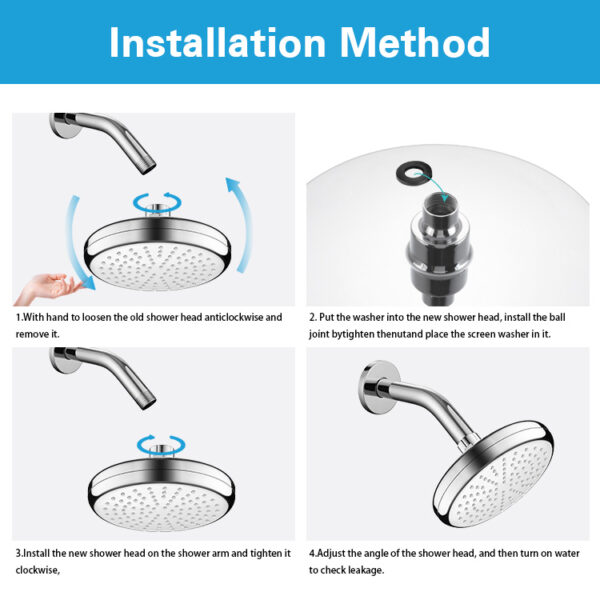
Start by turning off the water supply to avoid any sudden sprays. Then, wrap a cloth around the shower arm to protect its finish from scratches.
- Use an adjustable wrench or pliers to grip the base of the shower head firmly.
- Turn the wrench counterclockwise to loosen the shower head. It should begin to unscrew with moderate force.
- If it feels stuck, try rocking it gently back and forth while applying steady pressure.
- Once loosened, finish unscrewing by hand and remove the shower head completely.
Do you notice any build-up or corrosion around the threads? Cleaning this off now can make installing your new shower head easier.
Handling Stubborn Shower Heads
Sometimes, the shower head refuses to budge despite your best efforts. This is often due to mineral deposits or rust bonding it tightly to the pipe.
- Apply a penetrating oil like WD-40 to the connection and let it sit for about 10 minutes.
- If you don’t have penetrating oil, white vinegar can be a good alternative to dissolve mineral deposits.
- After soaking, try loosening the shower head again with your wrench.
- If it’s still stuck, tap gently around the joint with a rubber mallet to break the seal without damaging the pipe.
Have you ever faced a shower head that just wouldn’t come off? Taking these extra steps often turns a frustrating experience into a simple fix.
Credit: leelongs.com
Preparing The Shower Arm
Before attaching your new shower head, getting the shower arm ready is essential. The shower arm is the pipe that extends from the wall, connecting your water supply to the shower head. If this part isn’t properly cleaned and sealed, you risk leaks that can cause water damage and reduce water pressure.
Cleaning The Arm Threads
Start by inspecting the threads on the shower arm. Old plumber’s tape, rust, or mineral buildup can prevent a tight seal. Use a cloth or a soft-bristled brush to remove any debris carefully.
If you spot stubborn mineral deposits, a little vinegar on a cloth can help dissolve them. Avoid using harsh tools that might damage the metal threads. Clean threads ensure your new shower head fits snugly and won’t leak.
Applying Teflon Tape
After cleaning, wrap the shower arm threads with Teflon tape. This tape creates a watertight seal between the arm and the shower head. Wrap the tape clockwise around the threads, overlapping slightly as you go.
Two to three full wraps usually do the trick. Press the tape firmly into the threads so it stays in place when you screw on the shower head. Have you ever installed something without tape and ended up with a leak? This simple step can save you that hassle.
Installing The New Shower Head
Installing a new shower head can feel like a small upgrade, but it makes a big difference in your daily routine. The process is straightforward and doesn’t require professional help, saving you time and money. Let’s focus on how to attach the new shower head and make sure it fits securely, so you avoid leaks and enjoy a steady water flow.
Attaching The New Head
Start by cleaning the shower arm threads to remove old tape or debris. This helps the new shower head fit smoothly without any blockages.
Wrap plumber’s tape (Teflon tape) around the threads of the shower arm in a clockwise direction. This tape seals the connection and prevents leaks.
Now, screw the new shower head onto the shower arm by hand. Turn it gently but firmly, making sure it’s aligned properly. You don’t want to cross-thread and damage the fittings.
Ensuring A Secure Fit
Once the shower head is hand-tightened, use an adjustable wrench or pliers to give it a slight additional turn. Be careful not to over-tighten, as this can crack the fixture or strip the threads.
Check the connection by turning on the water. Look for any drips around the base of the shower head. If you see leaks, try tightening it a bit more or add another layer of plumber’s tape and reattach it.
Think about this: How often do you overlook these small details that lead to annoying drips later? Taking a few extra minutes now can save you from constant repairs down the line.

Credit: www.reddit.com
Testing The New Shower Head
Testing the new shower head ensures it works correctly and avoids water waste. It also helps spot any issues before regular use. Checking for leaks and adjusting water flow are key steps to follow.
Checking For Leaks
Turn on the water slowly to check for leaks around the connection. Look for any drips or moisture where the shower head meets the pipe. Use a dry cloth to spot wet spots easily. If you see leaks, tighten the connection slightly with a wrench. Avoid overtightening, which can cause damage.
Adjusting Water Flow
Test the water pressure and flow from the new shower head. Adjust the settings if the shower head has multiple spray options. Choose a flow that feels comfortable and saves water. Make sure the spray is even and covers the desired area. Fine-tune the angle of the shower head for the best shower experience.
Maintaining Your Shower Head
Maintaining your shower head helps it work well and last longer. Dirt, mineral deposits, and soap can clog holes. This reduces water flow and affects your shower experience. Regular care keeps water pressure strong and ensures clean water spray.
Regular Cleaning Tips
Clean your shower head every few weeks. Use a soft cloth or sponge with mild soap. Wipe the surface to remove dirt and grime. Rinse well with warm water to clear soap residue.
For deeper cleaning, soak the shower head in vinegar. Vinegar breaks down mineral buildup inside the holes. Soak for 30 minutes, then scrub gently with a soft brush. Rinse thoroughly before use.
Dealing With Hard Water Buildup
Hard water leaves white or crusty deposits on the shower head. These deposits block water flow and damage the finish. Use vinegar or a commercial descaling product to remove buildup.
- Fill a plastic bag with vinegar.
- Attach the bag around the shower head with a rubber band.
- Let it soak for 1-2 hours.
- Remove the bag and scrub the head with a brush.
- Rinse thoroughly with water.
This simple trick helps keep your shower head clean and working well.
Frequently Asked Questions
How Do I Remove The Old Shower Head Safely?
Turn off the water supply first. Use a wrench or pliers to unscrew the old shower head. Turn counterclockwise gently to avoid pipe damage. Clean the pipe threads before installing the new shower head for a secure fit.
What Tools Are Needed To Install A New Shower Head?
You need an adjustable wrench or pliers, plumber’s tape, and a cloth. The wrench helps remove and tighten the shower head. Plumber’s tape seals the threads to prevent leaks. The cloth protects the fixture from scratches.
How To Prevent Leaks When Installing A Shower Head?
Wrap plumber’s tape clockwise around pipe threads. Tighten the shower head securely but avoid overtightening. Check for leaks by turning on the water. If leaks appear, tighten slightly or add more tape for a better seal.
Can I Install A New Shower Head Without Professional Help?
Yes, installing a shower head is easy and requires basic tools. Follow step-by-step instructions carefully. Most people complete the installation within 15-30 minutes. However, call a plumber if you encounter plumbing issues or leaks.
Conclusion
Changing your shower head is quick and simple. Use the right tools and follow each step carefully. Check for leaks to keep water flowing well. Enjoy a better shower experience every day. Small fixes can make a big difference in your bathroom.
Now, you can easily update your shower without help. Give it a try and feel the change!