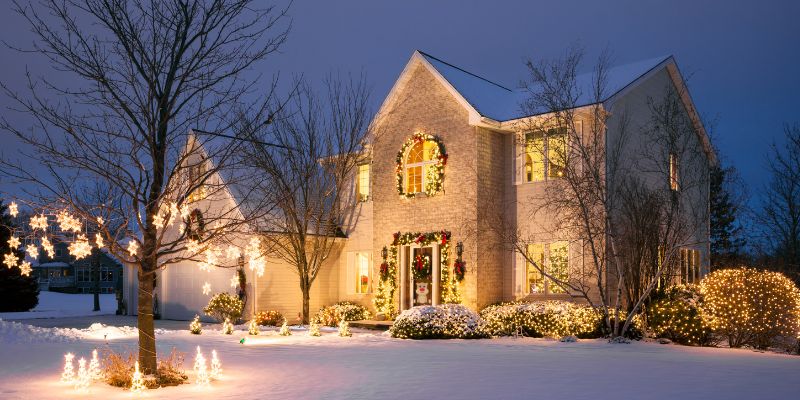
Getting your outdoor Christmas lights plugged in might seem simple, but doing it the right way can save you time, frustration, and even keep your home safe. Imagine your house glowing beautifully, with every bulb shining just as it should.
You’re just one step away from creating that perfect holiday magic. In this guide, you’ll discover easy, practical tips to connect your lights quickly and securely. Keep reading, and you’ll have your festive display up and running without any hassle.
Choosing The Right Lights
Choosing the right lights for your outdoor Christmas display can transform your home into a festive wonderland. It’s not just about brightness and colors; selecting the appropriate lights involves considering their types, energy efficiency, and weatherproof ratings. With so many options available, understanding these elements will help you create a dazzling and sustainable holiday display.
Types Of Outdoor Christmas Lights
Outdoor Christmas lights come in various types, each offering unique advantages. String lights are a popular choice due to their versatility. You can wrap them around trees, bushes, or along rooflines. Icicle lights add a touch of elegance, mimicking the look of shimmering icicles hanging from eaves.
Net lights make decorating bushes and shrubs easy and uniform. If you’re looking to create a more dynamic display, consider using projection lights to cast festive patterns on your home. Each type serves a specific purpose, so think about the areas you want to highlight and choose accordingly.
Energy Efficiency Options
In today’s eco-conscious world, energy efficiency is an essential consideration for your Christmas lights. LED lights are a fantastic choice; they use less energy than traditional incandescent bulbs and last longer. This means you can keep your display glowing brightly without worrying about a spike in your electricity bill.
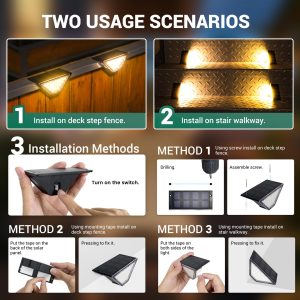
Solar-powered lights offer another sustainable option. They harness sunlight during the day and illuminate your home at night. Though slightly less bright than LEDs, solar lights can be an excellent choice for areas with ample sunlight. By opting for energy-efficient lights, you’re not only saving money but also reducing your carbon footprint.
Weatherproof Ratings
Outdoor lights must withstand harsh winter conditions. Weatherproof ratings indicate how well lights endure elements like rain, snow, and wind. Look for lights with a high IP (Ingress Protection) rating, which means they are designed to resist water and dust.
An IP65 rating, for example, suggests that the lights are protected against water jets from any direction, making them ideal for outdoor use. Always check the packaging or product details to ensure your lights can handle your area’s climate. This simple step will save you the frustration of dealing with malfunctioning lights during a storm.
Have you ever considered how your choice of Christmas lights can impact your home’s energy consumption and sustainability? As you plan your display, taking these factors into account will not only enhance your home’s festive charm but also promote environmental responsibility.

Credit: www.walmart.com
Gathering Necessary Tools
Before you start plugging in your outdoor Christmas lights, gathering the right tools makes the entire process smoother and safer. Having everything on hand prevents last-minute trips to the store in freezing weather. It also ensures your lights work exactly as planned, creating that perfect festive glow.
Extension Cords And Timers
Extension cords designed for outdoor use are a must. They’re built to handle moisture and temperature changes, unlike regular indoor cords that can be dangerous outside.
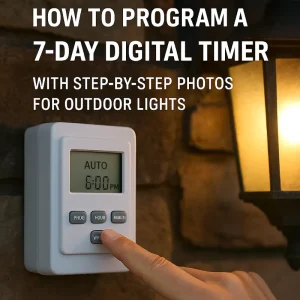
Timers help you control when your lights turn on and off, saving energy and adding convenience. Imagine coming home to your house already lit up without lifting a finger. Look for timers with multiple settings so you can customize lighting schedules to fit your lifestyle.
Hooks And Clips
Choosing the right hooks and clips is key to hanging lights neatly and securely. Plastic clips that attach to gutters or shingles won’t damage your home’s exterior.
Metal hooks are stronger but can be tricky if not installed carefully. Think about the shape and size of your lights to pick clips that hold them firmly without crushing bulbs. Have you tried using adhesive hooks for smooth surfaces? They can be a lifesaver for tricky spots.
Safety Gear
Safety gear isn’t just for professionals—it’s essential for your holiday decorating too. Gloves protect your hands from sharp edges and cold weather, while safety glasses shield your eyes from unexpected debris.
If you’re working on a ladder, non-slip shoes and a sturdy ladder are critical. Don’t overlook grounding yourself properly, especially in wet conditions. Are you prepared to keep safety your top priority while creating your holiday display?
Planning The Layout
Planning the layout of your outdoor Christmas lights sets the foundation for a smooth and beautiful decorating experience. Taking time to organize your design helps avoid last-minute tangles, power shortages, or uneven lighting. By carefully mapping, measuring, and positioning power sources, you ensure your display shines bright and stays safe.
Mapping Your Design
Start by sketching a rough outline of your outdoor space. Mark key areas like windows, doors, eaves, and trees where you want lights to sparkle.
Think about the style you want—do you prefer a classic frame around your roofline or a whimsical wrap on your bushes? Mapping your design on paper helps you visualize the final look and spot potential challenges early.
Have you considered how different light shapes or colors might change the vibe? Experiment with different layouts on your sketch before buying or hanging anything.
Measuring Distances
Grab a tape measure and note the length of each section where lights will go. Measure from plug points to your farthest lighting spots to avoid running out of cord.
Don’t forget to add extra length for corners, curves, and slack to prevent strain on your wires. Even a few extra feet can save you from frustrating adjustments later.
Try to keep track of measurements in a list or table for easy reference when shopping for lights. This simple step prevents guesswork and ensures you buy the right amount.
Power Source Placement
Identify outdoor power outlets closest to your planned light locations. Are they weatherproof and easily accessible?
If outlets are sparse, consider using outdoor-rated extension cords or power strips with surge protection. Position them safely to avoid water exposure and tripping hazards.
Think about how many strands you can plug into one outlet without overloading it. Splitting your display across multiple outlets keeps your setup safer and more reliable.
Credit: www.linkind.com
Preparing The Area
Preparing the area is crucial before plugging in outdoor Christmas lights. It ensures safety and helps the lights shine bright without interruptions. Taking time to organize the space prevents accidents and electrical problems.
Clearing Debris
Remove leaves, sticks, and dirt from the area around your lights. Clean spaces reduce fire risks and keep lights visible. Check the ground and any surfaces where lights will hang or rest.
Checking Electrical Outlets
Inspect outdoor outlets for damage or moisture. Use outlets with weatherproof covers. Test them with a plug tester to ensure proper function. Avoid using indoor outlets for outdoor lights.
Securing Loose Wires
Gather and fasten loose wires to prevent tripping or damage. Use clips, hooks, or ties designed for outdoor use. Keep wires off the ground and away from water sources.
Installing The Lights
Installing outdoor Christmas lights can transform your home into a festive wonderland. The key to a stunning display lies in how securely and neatly you install the lights. Taking your time to attach hooks and clips properly, hang the lights safely, and connect strands carefully ensures your decorations shine brightly without hazards.
Attaching Hooks And Clips
Use plastic or metal hooks designed for outdoor use to avoid damaging your gutters or siding. Attach these hooks at regular intervals—about every 12 to 18 inches—to keep the lights evenly spaced and prevent sagging.
Consider using clips with adhesive backs for smooth surfaces like windows or doors. These clips won’t leave marks, making cleanup easier after the holidays. Have you checked if the clips can handle the weight of your lights? Testing one hook or clip before full installation can save you from unexpected falls.
Hanging Lights Safely
Safety should be your priority when hanging lights outside. Use a sturdy ladder and have a helper hold it steady. Avoid hanging lights near power lines or sharp edges that can cut the cords.
Keep cords off the ground to prevent tripping hazards and potential water damage. Weatherproof extension cords and outdoor-rated lights reduce electrical risks. Are your lights rated for outdoor use? This small detail can protect your home from electrical issues.
Connecting Light Strands
Before connecting multiple strands, check the manufacturer’s limit on how many can be safely linked. Exceeding this limit can overload the circuit and cause outages or fires. Connect strands firmly to ensure a secure electrical connection.
Use waterproof connectors or electrical tape to cover exposed plugs. This prevents moisture from causing shorts or corrosion. How often do you inspect your connections during the season? Regular checks help catch problems early and keep your lights glowing all winter long.

Credit: www.amazon.com
Plugging In The Lights
Plugging in outdoor Christmas lights is a simple task but requires care and attention. Proper connection ensures safety and bright, steady lights throughout the season. Use the right equipment and follow safety tips to avoid any hazards.
Using Outdoor-rated Extension Cords
Choose extension cords made for outdoor use. These cords resist moisture and weather damage. Check the cord’s label to confirm it is outdoor-rated. Avoid indoor cords as they can cause electric shocks or fires. Always keep cords off the ground to prevent water contact.
Avoiding Overloads
Do not plug too many lights into one outlet. Overloading causes power trips and fire risks. Check the total wattage of all lights and cords. Compare it with the outlet’s capacity. Use multiple outlets or power strips with circuit breakers to spread the load safely.
Setting Up Timers
Timers help control when the lights turn on and off. They save energy and extend bulb life. Set timers to match your preferred lighting schedule. Use weatherproof timers designed for outdoor use. This adds convenience and safety to your holiday setup.
Safety Tips
Safety is the top priority when plugging in outdoor Christmas lights. Proper precautions prevent accidents and electrical problems. Follow simple safety tips to keep your home and family safe during the festive season.
Avoiding Electrical Hazards
Use outdoor-rated extension cords and lights only. Check for damaged wires or plugs before use. Keep connections dry and off the ground. Never overload electrical outlets or power strips. Unplug lights before replacing bulbs or making adjustments.
Weather Precautions
Choose waterproof light sets designed for outdoor use. Secure lights tightly to prevent wind damage. Avoid placing lights near water sources or areas prone to flooding. Turn off lights during heavy rain or snow. Use a weatherproof timer or smart plug for automatic control.
Regular Maintenance Checks
Inspect lights regularly for frayed wires or broken bulbs. Replace damaged parts immediately to avoid fire risks. Clean lights gently to remove dirt and moisture. Test all lights before plugging in each season. Store lights properly in a dry, cool place after use.
Troubleshooting Common Issues
Troubleshooting outdoor Christmas lights can feel tricky, especially when the festive glow suddenly dims or flickers. Instead of letting frustration take over, understanding common issues and how to fix them quickly keeps your holiday display shining bright. Let’s look at practical ways to tackle the most frequent problems you might face.
Fixing Burned-out Bulbs
Burned-out bulbs are a common culprit when strings of lights go dark. Start by unplugging the lights and inspecting each bulb carefully. Look for dark spots or broken filaments, which usually indicate a burnt-out bulb.
Replacing these bulbs is straightforward if you have extras on hand. Make sure to match the bulb type and voltage exactly to avoid damaging the string. If you don’t have spare bulbs, many stores sell bulb replacement kits designed specifically for popular light brands.
Ever noticed how one tiny bulb can cause a whole section to go out? This happens because many lights are wired in series. Finding and fixing that single faulty bulb restores the entire string’s brightness.
Dealing With Flickering Lights
Flickering lights often signal a loose connection or a faulty bulb. Check that all bulbs are firmly seated in their sockets; a gentle push might stop the flicker. If flickering persists, look for corrosion or dirt on the bulb contacts and clean them with a soft cloth.
Sometimes the problem lies in the wiring. Damaged or frayed wires can interrupt power flow, causing intermittent flickers. Inspect your cords closely for any visible signs of wear and replace them if needed.
Have you tried plugging the lights into a different outlet? Sometimes power fluctuations can cause flickering. Testing the lights elsewhere can help isolate the issue.
Handling Power Failures
If your outdoor lights won’t turn on at all, start by checking the power source. Verify that the outlet is working by plugging in another device. Outdoor outlets often have ground fault circuit interrupters (GFCIs) that can trip and cut power.
Reset the GFCI by pressing the reset button on the outlet. This quick step often restores power immediately. If your lights still don’t work, inspect the extension cords and connections for damage or loose plugs.
Consider the weather too—wet or icy conditions can affect outdoor electrical components. Protect your plugs and connections with weatherproof covers to prevent power failures during the holidays.
Frequently Asked Questions
How Do I Safely Plug In Outdoor Christmas Lights?
Use a weatherproof outdoor outlet and a heavy-duty extension cord. Ensure all connections are dry and off the ground. Avoid overloading circuits and use a GFCI outlet for safety.
Can I Use Indoor Christmas Lights Outside?
No, indoor lights are not designed for outdoor weather. Always use lights labeled for outdoor use to prevent electrical hazards and damage.
What Is The Best Way To Connect Multiple Light Strings?
Connect no more than three standard light strings end-to-end. Use manufacturer guidelines for LED lights, as they allow more connections safely.
How Do I Protect Plugs From Rain And Snow?
Cover plugs with plastic bags or use outdoor-rated plug covers. Elevate plugs off the ground and secure them to prevent moisture buildup.
Conclusion
Plugging in outdoor Christmas lights is simple and safe with the right steps. Always check your cords and outlets before use. Secure plugs to avoid water contact and keep connections dry. Use outdoor-rated extension cords and timers for convenience. Test your lights before hanging to save time.
Following these tips helps create a bright, festive display that lasts all season. Enjoy decorating and spreading holiday cheer with ease and safety.