Choosing the right vinyl plank flooring can feel overwhelming with so many options out there. But it doesn’t have to be complicated.
You want a floor that looks great, lasts long, and fits your lifestyle perfectly. In this guide, you’ll discover simple steps to pick the best vinyl plank flooring for your home. By the end, you’ll feel confident making a choice that transforms your space and suits your needs.
Keep reading—you’re closer than ever to the perfect floor.
Benefits Of Vinyl Plank Flooring
Vinyl plank flooring has rapidly gained popularity for a reason. Its attractive appearance, combined with practical benefits, makes it a favorite choice among homeowners. Whether you’re renovating or building from scratch, understanding the advantages of vinyl plank flooring can help you make a confident decision.
Durability And Water Resistance
Vinyl plank flooring is known for its remarkable durability. It’s designed to withstand high foot traffic, making it ideal for busy households. Unlike hardwood, vinyl can handle the hustle and bustle without easily showing wear.
Water resistance is another key feature. Vinyl planks are perfect for areas prone to moisture, such as kitchens and bathrooms. They won’t warp or stain, even if exposed to water spills. Imagine not worrying about your flooring when someone accidentally spills a drink or splashes water from the sink!
Design Versatility
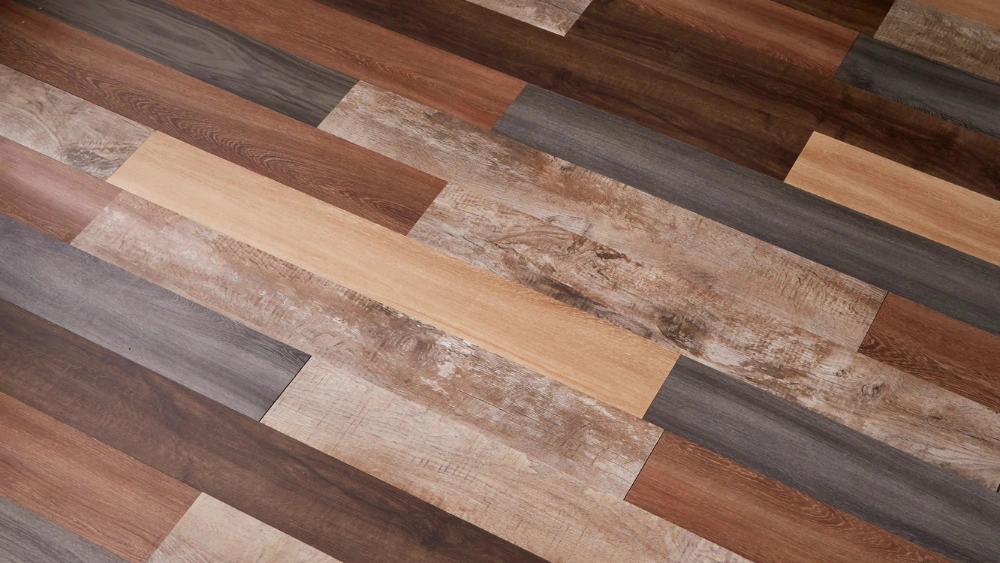
Vinyl plank flooring offers a wide range of design options. You can choose from an array of colors, patterns, and textures, allowing you to customize your space to match your style. Whether you prefer a rustic look or a modern vibe, there’s a vinyl plank for you.
Consider the ability to mimic real wood or stone at a fraction of the cost. You can achieve the luxurious appearance of natural materials without the hefty price tag. This versatility means you can easily update your decor without breaking the bank.
Ease Of Maintenance
One of the biggest benefits of vinyl plank flooring is its easy maintenance. Cleaning vinyl planks is a breeze. Regular sweeping and occasional mopping are all it takes to keep them looking pristine.
Unlike other flooring options that require special cleaners or treatments, vinyl is user-friendly. You can spend less time worrying about upkeep and more time enjoying your space. Isn’t it great to have beautiful flooring without the hassle?
With vinyl plank flooring, you get durability, style, and simplicity all in one package. Why settle for less when you can have all these benefits?
Types Of Vinyl Plank Flooring
Vinyl plank flooring comes in several types. Each type has unique features. Choosing the right one depends on your needs and budget. Understanding these types helps make a smart choice. Here are the main categories of vinyl plank flooring.
Luxury Vinyl Planks
Luxury vinyl planks (LVP) offer a realistic wood or stone look. They have a thick wear layer for durability. LVP is waterproof and easy to clean. It suits high-traffic areas and homes with pets. Installation is simple with click-lock or glue-down methods.
Rigid Core Planks
Rigid core planks are solid and stable. They resist dents and heavy impacts well. This type includes SPC (Stone Plastic Composite) and WPC (Wood Plastic Composite). Rigid core planks handle moisture better than traditional vinyl. They provide a firm feel underfoot, like real wood.
Flexible Vinyl Planks
Flexible vinyl planks bend easily without cracking. They are thinner and softer than rigid core types. This makes them comfortable but less durable. Ideal for areas with less foot traffic. Flexible planks often use glue-down installation. They work well over uneven subfloors.
Key Factors To Consider
Choosing the right vinyl plank flooring is more than just picking a style or color you like. You need to understand a few important factors that affect how your floor will look, feel, and last over time. These key elements help you avoid costly mistakes and ensure your flooring fits your lifestyle perfectly.
Thickness And Wear Layer
The thickness of vinyl planks plays a big role in comfort and durability. Thicker planks usually feel sturdier underfoot and can handle more wear. But thickness alone isn’t enough—you also need to check the wear layer, which is the clear top coating protecting your floor from scratches and stains.
A wear layer between 12 to 20 mils is great for most homes, especially if you have kids or pets. If you expect heavy foot traffic, look for a thicker wear layer around 20 mils or more. Have you noticed how some floors keep looking new while others show scuffs quickly? The wear layer is often the reason why.
Installation Methods
Think about how you want to install your vinyl planks. Some click together easily, making DIY projects more manageable. Others require glue-down or loose lay installation, which might need professional help.
If you’ve done small home projects before, a click-lock system might save you time and money. But if your floor has an uneven surface, glue-down planks might hold up better. How much time and effort are you willing to spend on installation?
Ac Rating For Durability
The AC rating measures how well the flooring resists abrasion, impact, and stains. It’s a useful guide to match the flooring to your space’s usage. AC1 and AC2 ratings suit low-traffic areas like bedrooms, while AC3 and above work well in busy spots like kitchens and hallways.
For commercial spaces or very high-traffic homes, consider AC4 or AC5 rated vinyl. These ratings mean the floor can handle constant wear without losing its look. What level of durability do you really need for your daily life?
Credit: www.tileshop.com
Choosing The Right Style And Color
Choosing the right style and color for your vinyl plank flooring can transform the entire look of your space. It’s not just about picking what looks good on the sample board but considering how it fits with your room’s personality and function. Your choice should balance aesthetics with practicality to create a space you’ll love for years.
Matching Room Décor
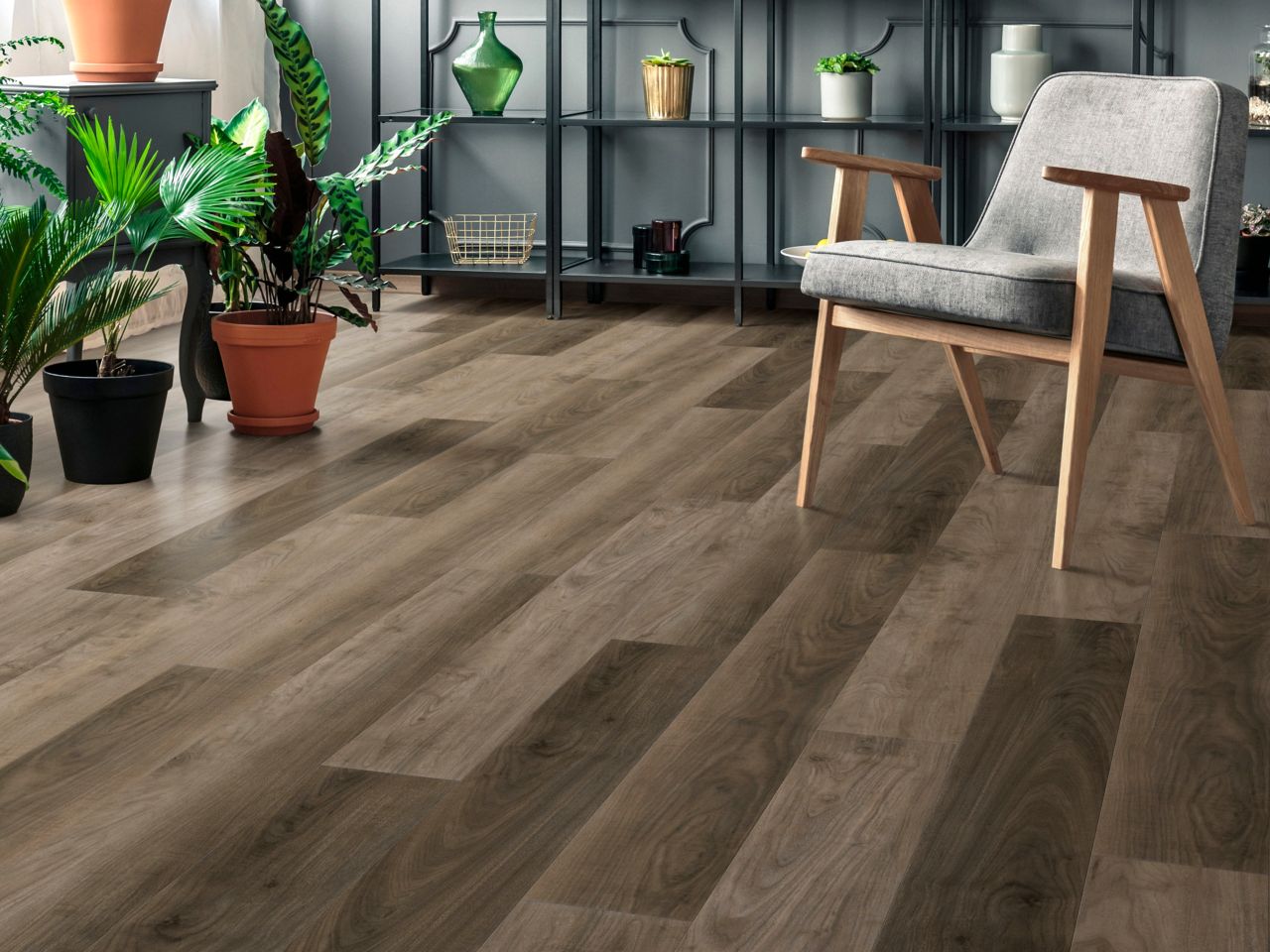
Think about the existing colors and furniture in your room before selecting your flooring. If your décor is modern with clean lines, a sleek, minimalistic plank might work best. For rustic or farmhouse styles, wood-look vinyl with knots and grains can add warmth and character.
Consider the wall colors and how much natural light your room receives. You want your flooring to complement, not clash or overpower, your décor. Ask yourself: Does this flooring enhance my furniture or fight for attention?
Light Vs Dark Tones
Light-colored vinyl planks can make small rooms feel larger and more open. They also hide dust and scratches better, which is great for busy households. Dark tones add drama and elegance but show dirt more easily and can make spaces feel smaller.
Think about your lifestyle and the room’s purpose. Would you prefer a bright, airy vibe or a cozy, intimate feel? Remember, light tones reflect more light, which can brighten dim rooms naturally.
Texture And Finish Options
Vinyl planks come in various textures and finishes that mimic real wood, stone, or tile. A textured finish adds grip and hides wear, which can be perfect for high-traffic areas. Smooth finishes offer a sleek look but might show scratches more easily.
Ask yourself how much foot traffic your floor will endure and if you want a matte or glossy finish. Matte finishes tend to feel more natural and less slippery, making them ideal for family rooms and kitchens. What kind of look and feel do you want underfoot every day?
Preparing For Installation
Getting your space ready before laying down vinyl plank flooring can make all the difference. Proper preparation ensures the floor looks great and lasts longer. Let’s look at what you need to get your subfloor and materials ready.
Subfloor Requirements
The subfloor must be clean, dry, and level before you start. Any bumps or dips can cause your vinyl planks to crack or separate over time.
Check for moisture with a moisture meter; too much moisture can ruin your flooring. If you find uneven spots, use a leveling compound to smooth them out. Also, remove any old carpet staples, nails, or debris to avoid damage.
Acclimation Process
Vinyl planks need time to adjust to your room’s temperature and humidity. Leaving them in the room where you’ll install them for at least 48 hours prevents warping and gaps later.
Don’t just open the box and start installing. Lay the planks flat and spread them out if possible. This gives the material a chance to relax and fit better once down.
Tools And Materials Needed
- Measuring tape:For precise cuts and layout planning.
- Utility knife:To trim planks without damaging them.
- Rubber mallet:To gently tap planks into place.
- Spacers:To maintain expansion gaps around edges.
- Underlayment:If required, to add cushioning and moisture barrier.
- Straight edge or square:To ensure straight cuts and alignment.
Have all these ready before you start. Missing even one can slow you down or affect the finish.

Credit: www.goodhousekeeping.com
Maintenance And Longevity Tips
Maintaining your vinyl plank flooring properly can extend its life and keep it looking fresh for years. Small daily habits and timely care make a big difference in preserving its beauty and durability. Let’s dive into practical tips that help you protect your investment and enjoy your floors longer.
Regular Cleaning Routines
Stick to a simple cleaning schedule to keep dirt and grime from building up. Sweep or vacuum your floors regularly using a soft brush attachment to avoid scratches.
Use a damp mop with a mild, non-abrasive cleaner designed for vinyl flooring. Avoid harsh chemicals or steam cleaners, as these can damage the surface.
Have you noticed how a quick mop after busy days keeps your floors looking brand new? That consistency really pays off over time.
Preventing Damage
Protect your floors by placing felt pads under furniture legs to prevent scratches when you move items around.
Keep pet nails trimmed and avoid walking on your floors with high heels or shoes with sharp edges. These small steps reduce wear and tear significantly.
Consider using rugs or mats at entryways to trap dirt and moisture before it reaches your vinyl planks. Do you already have a favorite spot where dirt tends to gather?
Repairing Minor Issues
Scratches and dents happen, but many can be fixed without replacing entire planks. Use a vinyl floor repair kit that matches your floor’s color.
For small scratches, applying a wax stick or rubbing a little baking soda paste gently can help blend imperfections.
If a plank gets damaged beyond repair, you can often replace it without disturbing the whole floor. Have you checked if your flooring brand offers easy-to-replace planks?
Frequently Asked Questions
What Factors To Consider When Choosing Vinyl Plank Flooring?
Consider durability, thickness, wear layer, design, and budget. Choose a style that suits your room and lifestyle. Check moisture resistance for kitchens or bathrooms. Higher wear layers offer longer lifespan. Always sample before buying to ensure color and texture match your space.
How To Measure Space For Vinyl Plank Flooring?
Measure the length and width of the room in feet. Multiply these numbers to get square footage. Add 10% extra for waste and cuts. Accurate measurement helps avoid buying too little or too much flooring material.
Can Vinyl Plank Flooring Withstand Water Damage?
Yes, vinyl plank flooring is water-resistant and ideal for moisture-prone areas. It handles spills and humidity well. However, standing water should be cleaned promptly to prevent damage to the subfloor.
Is Vinyl Plank Flooring Easy To Install?
Vinyl plank flooring is generally easy to install with click-lock or glue-down methods. It’s suitable for DIY projects. Ensure the subfloor is clean and level before installation for best results.
Conclusion
Choosing vinyl plank flooring can be simple and stress-free. Think about your budget and style needs first. Consider where you will install the flooring for best results. Check the product’s durability and water resistance carefully. Don’t forget to measure your space before buying.
With the right steps, your new floor will look great and last long. Enjoy the comfort and beauty vinyl planks bring to your home. Take your time, and you will make the right choice.