Is your plastic patio furniture looking dull or faded? You don’t have to buy new pieces to refresh your outdoor space.
With a little effort and the right steps, you can give your plastic furniture a vibrant, lasting makeover. Imagine enjoying your patio with chairs and tables that look brand new—without breaking the bank. In this guide, you’ll learn exactly how to paint plastic patio furniture so it stays beautiful and weather-resistant.
Ready to transform your outdoor area? Let’s get started!
Credit: serwalloutdoor.com
Choosing The Right Paint
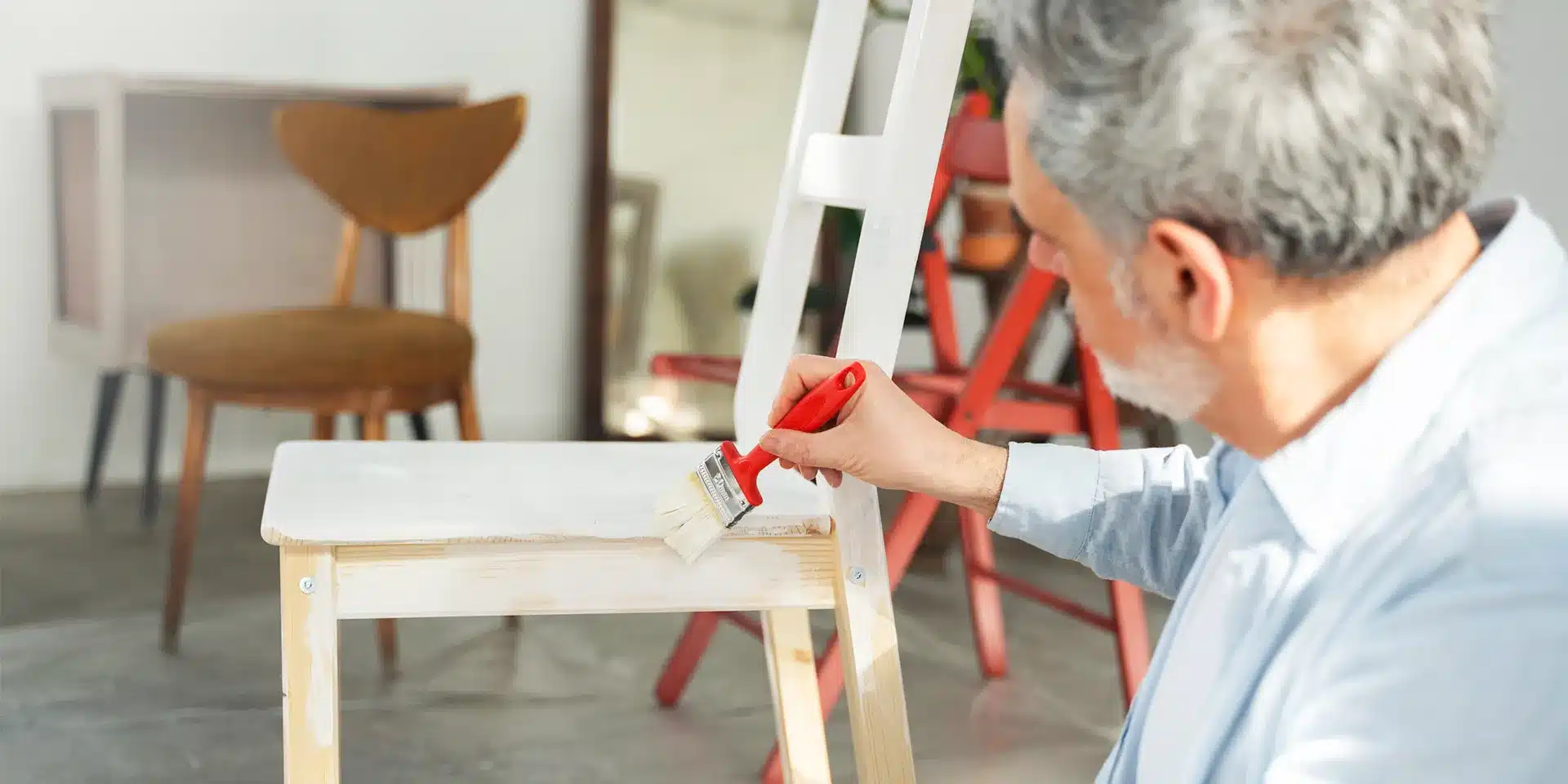
Choosing paint that sticks well to plastic is key for lasting results. Opt for spray paint made specifically for plastic surfaces to avoid peeling. Proper prep and paint type help your patio furniture look fresh longer.
Choosing the right paint for your plastic patio furniture can make all the difference in transforming your outdoor space. It’s not just about picking a color; it’s about ensuring durability and a flawless finish. You want your furniture to withstand the elements and look great doing it. Whether you’re revamping old chairs or adding a splash of color to a new set, the right paint will ensure your efforts aren’t wasted. So, how do you choose the perfect paint for plastic? Let’s dive into the details.Types Of Paint For Plastic
Selecting the correct type of paint is crucial. Not all paints adhere well to plastic surfaces. Here are some options to consider:- Acrylic Spray Paint:Quick-drying and easy to use, acrylic spray paint is a popular choice for plastic. It provides a smooth finish and comes in many colors.
- Enamel Paint:Known for its durability, enamel paint offers a hard finish that’s ideal for outdoor furniture. It’s resistant to chipping and fading.
- Specialty Plastic Paint:Designed specifically for plastic surfaces, this paint ensures superior adhesion and longevity. It’s often available in spray cans for convenience.
Color Selection Tips
Choosing the right color can be daunting, but it’s also where creativity shines. When selecting a color:- Consider Your Environment:Does your patio have a theme or a specific vibe? Choose colors that complement your existing decor.
- Think About Maintenance:Light colors might show dirt more easily, while darker shades can hide imperfections.
- Embrace Trends:Bold colors are in vogue. Experiment with vibrant hues to make a statement or opt for timeless classics like white or navy.
Where To Buy Supplies
Finding quality supplies is essential for a successful project. Here are some places to consider:- Local Hardware Stores:These stores often have knowledgeable staff who can guide you on the best products for your needs.
- Online Retailers:Websites like Amazon and Home Depot offer a wide range of paints and supplies with user reviews to help you choose.
- Specialty Paint Shops:For a more curated selection, visit stores that specialize in paint and home improvement.

Credit: www.youtube.com
Preparing The Furniture
Preparing plastic patio furniture before painting is essential for a smooth and lasting finish. Proper preparation helps the paint stick better and prevents peeling. Clean, sand, and repair the furniture to ensure the best results.
Cleaning Techniques
Start by removing dirt and grime. Use warm water mixed with mild soap. Scrub the furniture gently with a soft brush or sponge. Rinse thoroughly with clean water. Dry the furniture completely to avoid paint bubbles or peeling later.
Sanding For Better Adhesion
Lightly sand the plastic surface with fine-grit sandpaper. This step roughens the smooth plastic to help paint stick better. Sand evenly across all areas to avoid uneven paint. Wipe away dust with a damp cloth after sanding.
Repairing Damages
Inspect the furniture for cracks or holes. Use plastic filler or epoxy to fix damages. Follow the product instructions carefully. Allow the repairs to dry fully before sanding smooth. Proper repairs create a uniform surface for painting.
Priming The Surface
Priming plastic patio furniture prepares the surface for paint. It helps paint stick better and last longer. Without a primer, paint may peel or chip quickly. The right primer creates a smooth base and improves durability. Choose a primer made for plastic to ensure good adhesion.
Best Primers For Plastic
- Spray primers designed for plastic surfaces
- Epoxy-based primers for strong adhesion
- Self-etching primers that bond well with smooth plastics
- Primers labeled for outdoor use to resist weather
Application Methods
Clean furniture thoroughly before priming. Remove dirt and grease with soap and water. Allow the surface to dry completely. Use light, even coats of primer. Hold the spray can about 8-12 inches from the surface. Avoid heavy layers to prevent drips. Brush-on primers need smooth, even strokes. Work in a well-ventilated area for safety.
Drying Time
Allow primer to dry fully before painting. Drying times vary by product and weather. Most primers dry to the touch in 30 minutes. Wait at least 1-2 hours for deeper curing. Check the primer label for exact times. Avoid rushing; wet primer weakens paint adhesion.
Painting Process
Painting plastic patio furniture transforms tired pieces into fresh, vibrant accents. The painting process needs care and patience to ensure a smooth, lasting finish. Preparation, the right paint, and proper technique all matter. Follow clear steps to achieve a professional look.
Brush Vs. Spray Painting
Brush painting offers control over small areas and detailed spots. It works well for touch-ups or intricate designs. Brush strokes may show if the paint is thick or the brush is poor quality.
Spray painting covers large surfaces quickly and evenly. It creates a smooth, uniform finish without brush marks. Use spray paint designed for plastic to avoid peeling and cracking. Always spray in light, even coats.
Applying Multiple Coats
Multiple coats build strong, durable color. Apply thin layers instead of one thick coat. Thin coats dry faster and stick better to plastic surfaces.
Let each coat dry completely before adding the next. This prevents smudging and uneven texture. Usually, two to three coats provide full coverage and lasting color.
Avoiding Common Mistakes
- Do not paint over dirty or dusty surfaces; clean first.
- Avoid applying paint in direct sunlight or high humidity.
- Do not use regular paint not made for plastic.
- Do not rush the drying time between coats.
- Avoid thick paint layers that can drip or peel.
Following these tips helps your paint job stay fresh and durable. Proper care ensures your patio furniture looks great season after season.
Sealing And Finishing
Sealing and finishing your plastic patio furniture is the key to making your paint job last. It protects your hard work from the elements and everyday wear. Without the right sealant and proper curing, your freshly painted furniture can quickly peel or fade.
Choosing A Sealant
Select a sealant designed specifically for plastic surfaces. Look for products labeled as weather-resistant or UV-protective to keep colors vibrant. Clear acrylic or polyurethane sealants work well, but avoid oil-based ones that can yellow over time.
Think about how often you use your furniture. If it’s a high-traffic spot, choose a thicker, more durable sealant. I once used a thin spray sealant on a plastic chair, and it wore off within a month. Thicker sealants provide better protection and longer-lasting results.
Protecting Against Weather
Plastic furniture faces sun, rain, wind, and sometimes snow. A good sealant acts as a shield against these harsh conditions. Pay attention to sealants with water-repellent properties to prevent cracking and chipping.
Consider applying multiple light coats instead of one heavy coat. This technique offers better coverage and faster drying times. Have you noticed how some furniture looks faded and brittle after just one season? That’s usually due to inadequate sealing.
Curing Time
Allow the sealant to fully cure before using your furniture. This can take anywhere from 24 to 72 hours, depending on the product and weather. Rushing this step can cause the finish to become sticky or peel prematurely.
Find a dry, well-ventilated area for curing. If you live in a humid climate, add extra curing time to ensure the sealant hardens completely. Remember, patience here means your furniture stays beautiful longer.
Maintenance Tips
Keeping your painted plastic patio furniture looking fresh requires more than just a good initial paint job. Maintenance plays a key role in preserving the color and finish over time. Simple daily habits and timely care can extend the life of your painted pieces and keep your outdoor space inviting.
Cleaning Painted Furniture
Dust and dirt can dull the paint quickly, so regular cleaning is essential. Use a soft cloth or sponge with mild soap and water to gently wipe down the surfaces. Avoid harsh chemicals or abrasive scrubbers, as they can damage the paint.
Rinse off any soap residue with clean water and dry the furniture with a soft towel. If you notice stubborn stains, try a gentle mixture of vinegar and water. How often you clean will depend on your environment—does your patio get dusty or rainy?
Touch-up Techniques
Small chips and scratches are normal over time, but fixing them promptly prevents further peeling. Keep some matching paint handy for quick touch-ups. Lightly sand the damaged area before applying paint to ensure better adhesion.
Use a small brush to carefully cover the spots, and allow the paint to dry completely before using the furniture again. This approach saves you from repainting entire pieces and keeps your furniture looking neat. Have you ever ignored a chip and ended up with a bigger repair job?
Storage Recommendations
Protecting your painted furniture during off-seasons is crucial. Store pieces indoors or cover them with breathable, waterproof covers to shield from moisture and UV rays. Avoid plastic tarps that trap condensation and cause mold or paint damage.
If you must leave furniture outside, position it in shaded areas to reduce sun exposure. Elevating furniture off the ground can also prevent water damage. What’s your current storage routine—could a few changes improve your furniture’s lifespan?

Credit: serwalloutdoor.com
Frequently Asked Questions
What Type Of Paint Works Best On Plastic Patio Furniture?
Use spray paint designed for plastic surfaces. It adheres well and resists chipping. Look for outdoor or all-weather paint for durability.
How Do I Prepare Plastic Furniture Before Painting?
Clean thoroughly with soap and water to remove dirt. Sand lightly with fine-grit paper to create texture. Wipe off dust before painting.
Should I Use A Primer Before Painting Plastic Furniture?
Yes, apply a plastic primer for better paint adhesion. It prevents peeling and extends the paint’s lifespan on plastic surfaces.
How Long Does Paint Take To Dry On Plastic Furniture?
Spray paint typically dries to the touch in 30 minutes. Full curing can take 24 to 48 hours for best durability.
Conclusion
Painting plastic patio furniture brings new life to old pieces. Clean and sand the surface first for best results. Use paint made for plastic to ensure it sticks well. Apply thin, even coats and let each dry fully. This simple project saves money and refreshes your outdoor space.
Try it yourself and enjoy a fresh, colorful patio.