Are your ceramic tiles looking dull or outdated? You don’t have to replace them to give your space a fresh, new look.
Painting ceramic tile is a simple and affordable way to transform your floors or walls without the mess and cost of a full renovation. In this guide, you’ll learn easy steps to make your tiles look brand new. Whether you want to brighten up your kitchen, bathroom, or any tiled area, you’ll find practical tips that anyone can follow.
Ready to see how a little paint can make a big difference? Keep reading and discover how to refresh your tiles with confidence.
Choosing The Right Paint
Choosing the right paint is key to a successful ceramic tile project. The paint must stick well and resist water and wear. Picking the right type and finish helps your tiles look fresh longer. Also, having the correct supplies makes the job easier and cleaner.
Types Of Paint For Ceramic Tiles
Not all paints work on ceramic tiles. Use paints made for smooth, hard surfaces. Epoxy paint is strong and water-resistant. It holds up well in kitchens and bathrooms. Acrylic latex paint is easier to use and dries fast. It works for low-traffic areas. Oil-based paint offers good durability but takes longer to dry. Choose paint based on the room’s use and moisture level.
Selecting Paint Finish
The paint finish affects how your tiles look and wear. Glossy finishes shine and reflect light well. They are easy to clean but show imperfections. Satin finish gives a soft shine and hides flaws better. Matte finish has little to no shine and hides surface flaws well. It may be harder to clean but offers a modern look. Pick a finish that matches your style and cleaning needs.
Preparing Paint Supplies
Having the right tools helps you paint tiles smoothly. Gather these supplies before starting:
- High-quality paintbrushes or foam rollers
- Painter’s tape for clean edges
- Sandpaper or sanding block for roughening tile surface
- Primer suitable for ceramic surfaces
- Drop cloths to protect floors
- Cleaning supplies to remove dirt and grease
Use clean, dry brushes to avoid streaks. Prepare your workspace for neat, fast work.
Preparing The Tile Surface
Preparing the tile surface is essential for a smooth and lasting paint job. Proper preparation helps the paint stick well and look good for a long time. Skipping these steps can cause peeling and uneven color.
Cleaning And Degreasing
Start by cleaning the tiles thoroughly. Use warm water and a mild detergent to remove dirt and grime. Grease or oils must be removed completely. Use a degreaser or rubbing alcohol for this. Wipe the surface with a clean cloth and let it dry fully before moving on.
Sanding For Better Adhesion
Sanding the tiles makes the surface rougher, which helps the paint stick better. Use fine-grit sandpaper, around 220 grit. Sand lightly and evenly across the tiles. After sanding, wipe away the dust with a damp cloth. Allow the tiles to dry completely before painting.
Repairing Cracks And Chips
Inspect the tiles for cracks or chips. Small damages can cause paint to peel off. Use a tile filler or epoxy putty to fill in cracks and holes. Smooth the filler with a putty knife and let it dry. Sand the repaired areas gently to blend with the tile surface.
Priming The Tiles
Priming the tiles is a crucial step before painting ceramic surfaces. It helps the paint stick better and lasts longer. Proper priming prevents peeling and uneven finish. Preparing the tiles well ensures a smooth painting process.
Choosing A Suitable Primer
Select a primer made for glossy or non-porous surfaces. Look for primers labeled as “bonding” or “adhesion” primers. These types create a strong base on ceramic tiles. Avoid regular wall primers; they often peel off. Oil-based or epoxy primers work well for tiles.
Applying Primer Correctly
Clean tiles thoroughly before priming. Remove dirt, grease, and soap scum. Use a sponge and mild detergent, then let dry completely.
Use a high-quality brush or roller for even primer application. Apply a thin, uniform coat to avoid drips. Cover every tile edge and grout line carefully. Work in small sections for better control.
Drying Time Tips
Check the primer label for drying time instructions. Usually, it takes 1 to 4 hours to dry. Avoid touching or painting over the primer too soon.
Keep the room well-ventilated to speed drying. Use fans if needed, but avoid strong heat sources. Wait longer in humid or cold conditions to ensure full drying.
Painting Techniques
Painting ceramic tile requires specific techniques to achieve a smooth, long-lasting finish. Choosing the right tools and applying the paint carefully makes a big difference. Understanding how to work with brushes and rollers, applying thin coats, and layering properly ensures the paint stays strong and looks great.
Using Brushes Vs. Rollers
Brushes give more control for edges and corners. They allow precise paint application on small areas. Rollers cover larger surfaces faster and create a smooth finish. Use a small roller for flat tile areas and a brush for grout lines or edges. Combining both tools often works best for even coverage.
Applying Thin And Even Coats
Thin coats dry faster and prevent drips or bubbles. Spread paint lightly and evenly across the tile surface. Avoid heavy layers that can peel or crack later. Multiple thin coats build a smooth, consistent layer. Let each coat dry fully before applying the next one.
Layering For Durability
Layering strengthens the paint and improves wear resistance. Apply at least two or three coats for durability. Each layer adds protection against chips and scratches. Allow proper drying time between coats. Finish with a clear sealer for extra toughness and shine.
Adding Design And Patterns
Adding design and patterns to ceramic tiles transforms plain surfaces into eye-catching art. Simple techniques bring unique style and personality to your space. Patterns create depth and interest without much effort. Designing tiles lets you match your decor or express creativity. Use tools and paint to craft beautiful shapes and textures. This section explores easy ways to decorate tiles with style and flair.
Using Stencils
Stencils make painting tile designs easy and precise. Choose a stencil with your favorite shapes or patterns. Secure it firmly on the tile surface. Use a sponge or brush to dab paint over the stencil openings. Remove the stencil carefully to reveal sharp lines. Repeat the process for multiple tiles or pattern areas. Stencils help achieve consistent and professional-looking results fast.
Hand-painting Details
Hand-painting adds a personal touch to tile designs. Use fine brushes for small shapes or lines. Sketch your pattern lightly with a pencil before painting. Work slowly to keep strokes clean and smooth. Mix colors to create shades and highlights. Hand-painted tiles become unique pieces of art. This method suits floral designs, geometric shapes, or abstract motifs.
Creating Texture Effects
Texture effects add depth and tactile interest to tiles. Apply thick paint layers with a palette knife or sponge. Dab or swirl paint to form raised patterns. Use textured brushes for a rough or stippled look. Combine different textures for a dynamic surface. Texture catches light differently, making tiles stand out. Experiment with layering colors and textures for custom finishes.

Credit: www.facebook.com
Sealing And Protecting
Sealing and protecting painted ceramic tile is essential to keep your work looking fresh. A good sealer guards against scratches, water, and stains. It also helps the paint last longer, especially in high-use areas like kitchens and bathrooms.
Without sealing, paint can chip or peel quickly. Proper protection adds durability and preserves the tile’s new look. It also makes cleaning easier and prevents damage from daily wear.
Choosing The Right Sealer
Select a sealer designed for ceramic and painted surfaces. Water-based polyurethane sealers are clear and dry fast. They resist yellowing and provide a smooth finish. Epoxy sealers offer strong protection but take longer to dry. Matte, satin, or glossy finishes suit different styles. Pick a finish that matches your design and room lighting.
Application Methods
- Use a clean, soft brush or foam roller for even coverage.
- Apply thin coats to avoid drips and pooling.
- Let each coat dry fully before adding another.
- Work in a well-ventilated area to speed drying.
- Follow manufacturer instructions for best results.
Typically, two to three coats provide strong protection. Avoid heavy layers that can crack or peel later.
Maintenance Tips For Longevity
- Clean tiles gently with a soft cloth and mild soap.
- Avoid harsh chemicals or abrasive scrubbers.
- Wipe spills immediately to prevent stains.
- Inspect the sealed surface regularly for wear signs.
- Reapply sealer every 1-2 years to maintain protection.
Proper care keeps your painted tiles looking new and vibrant. Small touch-ups and regular cleaning extend the life of your project.
Common Mistakes To Avoid
Skipping proper tile cleaning or using the wrong paint type can ruin your work. Neglecting primer or not letting layers dry causes peeling and uneven color. Taking time with each step ensures a smooth, lasting finish.
Painting ceramic tile can be a transformative project that gives your space a fresh and modern look. But, it’s not as simple as slapping on a coat of paint. Avoiding common mistakes can make the difference between a flawless finish and a peeling disaster. Let’s dive into some frequent pitfalls you should steer clear of.Skipping Surface Preparation
Surface preparation is the foundation of a successful paint job. Neglecting this step can lead to uneven surfaces and poor paint adhesion. Make sure to clean the tiles thoroughly to remove dirt, grease, and grime. Consider using a mild detergent or a specialized tile cleaner. Sanding the tiles lightly can also help the paint adhere better. Without these steps, your paint may not stick properly, leading to chips and peeling over time.Using Wrong Paint Types
Not all paints are created equal, especially for ceramic tiles. Using the wrong type of paint can result in a finish that’s prone to damage and wear. Opt for paint specifically designed for tile or surfaces that endure moisture. Epoxy or urethane paints are excellent choices for durability and resistance to water. Consult your local hardware store for recommendations and read labels carefully. Using the right paint can significantly extend the life of your tile’s new look.Ignoring Drying Times
Patience is key when it comes to painting tiles. Rushing the drying process can lead to smudges and uneven layers. Allow each coat of paint to dry completely before applying the next. This ensures a smooth and professional finish. Typically, waiting at least 24 hours between coats is advisable. But always check the paint manufacturer’s instructions for specific drying times. Have you ever been tempted to touch wet paint, only to regret it later? Avoid this mistake with careful timing. By being aware of these common mistakes, you can save yourself time and frustration. What other tricks have you found helpful when painting tiles?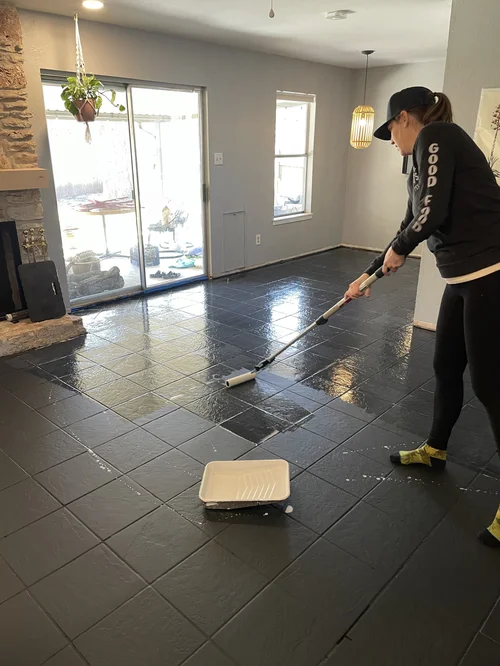
Credit: www.makergray.com

Credit: www.positivelysplendid.com
Frequently Asked Questions
How Do I Prepare Ceramic Tile For Painting?
Clean the tile thoroughly using a degreaser. Sand the surface lightly to create texture. Wipe away dust before priming.
What Type Of Paint Works Best On Ceramic Tile?
Use epoxy or enamel paint for durability. These paints adhere well and resist water and wear.
Can I Paint Ceramic Tiles In A Bathroom?
Yes, but use moisture-resistant paint. Proper sealing after painting prevents water damage and peeling.
How Long Does Ceramic Tile Paint Last?
With proper prep and sealing, paint can last 5-10 years. Regular maintenance extends its lifespan.
Conclusion
Painting ceramic tile can refresh any room quickly and affordably. Clean the tiles well before starting to ensure paint sticks. Choose the right paint and primer for best results. Take your time with each step to avoid mistakes. Let the paint dry fully between coats for a smooth finish.
A fresh coat of paint can brighten kitchens, bathrooms, or floors. Simple tools and patience make the job easier than expected. Try it yourself and enjoy a new look without replacing tiles. Small changes bring big improvements.