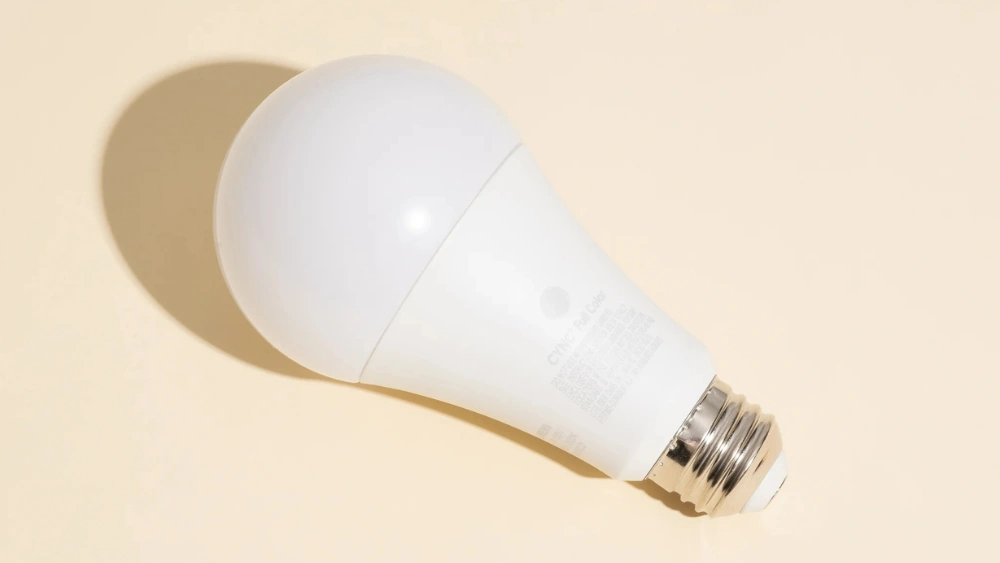
Have you ever wondered what’s inside your LED bulb? Opening one might seem tricky, but it’s easier than you think.
Whether you want to fix a faulty bulb, satisfy your curiosity, or learn how it works, this guide will show you step-by-step how to open a LED bulb safely and effectively. Keep reading, and you’ll discover simple tips that anyone can follow—even if you’re not a tech expert.
By the end, you’ll feel confident handling your LED bulbs like a pro. Ready to get started?
Tools Required
Opening a LED bulb may seem tricky at first, but having the right tools makes the process much easier and safer. You don’t need a full workshop; just a handful of simple, common tools will do the job. Choosing the correct tools also helps prevent damage to the bulb and ensures you can access its internal components carefully.
Precision Screwdrivers
Small screws often hold LED bulbs together. A set of precision screwdrivers, especially those with flat-head and Phillips tips, is essential. These tools allow you to remove screws without stripping them, which is crucial if you want to reassemble the bulb later.
Plastic Pry Tools
Using metal tools to open a LED bulb can cause scratches or cracks. Plastic pry tools are gentle on the bulb’s casing and help you separate parts without damaging them. They’re perfect for slipping into tight seams and popping open covers smoothly.
Safety Gloves
Your safety matters when handling electronic components. Gloves protect your hands from sharp edges inside the bulb and reduce the risk of static damage to sensitive parts. They also keep oils from your skin off the bulb, which can affect its performance.
Multimeter
If you want to check the bulb’s electrical components after opening it, a multimeter is invaluable. It helps you test continuity, voltage, and resistance to diagnose issues. Having one on hand turns a simple bulb opening into a mini troubleshooting session.
Soft Cloth Or Mat
Work on a soft surface to avoid scratching or breaking the bulb once opened. A soft cloth or mat cushions the bulb and keeps small parts from rolling away. This simple addition to your toolkit saves you from frustration and accidental damage.

Credit: www.youtube.com
Safety Precautions
Handling an LED bulb carefully is essential before you attempt to open it. LED bulbs contain delicate components and sometimes harmful substances that require cautious attention. Ignoring safety precautions can lead to injury or damage to the bulb itself.
Wear Protective Gear
Always wear safety glasses to protect your eyes from glass shards or small parts that might break off. Gloves are also important to prevent cuts and to avoid getting oils or dirt on sensitive components. This simple step has saved me from minor injuries more than once during DIY projects.
Disconnect Power Completely
Ensure the bulb is completely disconnected from any power source. Even if the light is off, unplug the lamp or switch off the circuit breaker to avoid electric shock. Can you imagine the risk if you accidentally touch a live wire? It’s not worth the danger.
Work In A Clean, Well-lit Area
Choose a workspace that is clean and well-lit to avoid losing small parts and to see what you’re doing clearly. A cluttered or dim area increases the chance of mistakes and accidents. Have you ever dropped a tiny screw and spent hours searching? Prevent that frustration by preparing your space.
Handle Internal Components With Care
Once opened, resist the urge to touch internal electronic parts directly with your bare hands. Static electricity or oils from your skin can damage delicate circuits. Using a plastic tool or an anti-static wrist strap can protect both you and the bulb’s components.
Dispose Of Broken Parts Responsibly
If the bulb breaks, collect the pieces carefully without using your bare hands. Use a damp cloth to pick up tiny glass fragments and dispose of them in a sealed container. Have a plan for disposal beforehand to keep your environment safe.
Identifying Bulb Type
Identifying the type of LED bulb is the first step before opening it. Different bulbs have different designs and parts. Knowing the exact type helps to handle the bulb safely and correctly. This section explains how to spot various LED bulbs by their features and markings.
Common Shapes And Sizes Of Led Bulbs
LED bulbs come in many shapes like A-shape, globe, candle, and tube. The size also varies, such as standard, small, or large bases. Recognizing the shape and size gives clues about the bulb’s structure inside.
Base Type And Its Importance
The base of the bulb connects it to the socket. Common bases include screw types like E26 or E27 and pin types like GU10. Identifying the base helps to choose the right tools and method to open the bulb without damage.
Material And Construction
Some LED bulbs have plastic covers while others use glass. The cover type affects how to open the bulb safely. Plastic covers may snap off, but glass covers need gentle handling to avoid breaking.
Voltage And Wattage Labels
Check the bulb’s label for voltage and wattage. This information shows how powerful the bulb is and if it has extra components inside. It also hints at the risk level when opening it.
Manufacturer Markings And Model Numbers
Look for brand names, model numbers, and certification marks. These details help find specific opening guides online. They also indicate if the bulb has special features like dimming or smart controls.

Credit: www.youtube.com
Removing The Bulb Cover
Removing the bulb cover is the first task to open a LED bulb safely. The cover protects the internal parts but can be taken off with care. It often fits tightly and needs gentle handling. Using the right technique helps avoid damage to the bulb or injury to yourself.
Tools Needed For Removing The Bulb Cover
- Soft cloth or gloves to hold the bulb
- Small flathead screwdriver or plastic pry tool
- Clean, flat workspace to place parts
How To Grip The Bulb Safely
Hold the bulb firmly but gently. Use a soft cloth or gloves for better grip. Avoid pressing too hard on the glass or plastic cover. This reduces the risk of cracking or scratching the bulb.
Removing The Cover Without Breaking It
Locate the seam where the cover meets the base. Insert a flathead screwdriver or pry tool carefully into the seam. Gently twist or lift to loosen the cover. Move slowly to prevent sudden breaks.
What To Do If The Cover Is Stuck
- Apply a little heat using a hairdryer to soften adhesive
- Try to wiggle the cover gently back and forth
- Avoid using excessive force to stop damage
Accessing Internal Components
Accessing the internal components of a LED bulb can be a revealing experience. It lets you see how the bulb functions and what makes it efficient. By carefully opening the bulb, you get the chance to inspect the parts inside without damaging them.
Detaching Circuit Board
Start by gently removing the outer casing of the bulb. Many LED bulbs have a plastic or glass cover that snaps or twists off. Use a small flat tool or your fingers to pry it open without cracking the housing.
Once the cover is off, the circuit board is usually visible. It’s often fixed with small screws or clips. Carefully unscrew or unclip the board, making sure not to pull on any wires connected to it.
Handle the circuit board with care. Touching components directly can cause static damage. Use an anti-static mat or hold the board by its edges to keep it safe.
Separating Led Chips
With the circuit board detached, locate the LED chips. These tiny lights are mounted directly on the board and are often arranged in rows or clusters.
Separating the LED chips requires a steady hand and patience. They may be soldered onto the board, so gently heat the solder points with a soldering iron if you want to remove them.
If you don’t have soldering tools, observe how the chips are connected. Sometimes, you can disconnect them by carefully lifting the board or cutting the traces without damaging the chips.
Have you ever wondered what makes LED chips so efficient? Seeing them up close can change how you view everyday lighting and inspire your own DIY projects.

Credit: www.youtube.com
Handling Bulb Parts
Handling the parts of an LED bulb requires care and attention. Each component plays a crucial role in the bulb’s performance and longevity. Knowing how to properly inspect and clean these parts can save you from unnecessary replacements and improve your DIY repair skills.
Inspecting For Damage
Start by carefully examining the bulb’s outer casing and internal parts. Look for cracks, discoloration, or burnt spots on the circuit board and LED chips. These signs often indicate overheating or electrical issues that can affect the bulb’s function.
Don’t forget to check the wiring connections. Loose or frayed wires can cause flickering or complete failure. If you spot any damage, it’s better to replace the affected part rather than risk a malfunction.
Cleaning Components
Dust and dirt can reduce the bulb’s brightness and cause overheating. Use a soft, dry cloth or a small brush to gently clean the LED surface and circuit board. Avoid using water or harsh chemicals, as these can damage the electronics.
For stubborn dirt, a slightly dampened cloth with isopropyl alcohol works well. Make sure every component is completely dry before reassembling the bulb. Have you ever noticed how a simple cleaning can bring an old bulb back to life?
Reassembling The Bulb
Reassembling the LED bulb is a crucial step that demands patience and attention to detail. It’s not just about putting parts back together; it’s about ensuring the bulb works safely and efficiently once powered on. If you rush or miss a detail, you might end up with a faulty bulb or even damage it irreparably.
Aligning Internal Components Correctly
After you’ve inspected and cleaned the internal parts, focus on placing them back in the right order. The LED board must sit flush and stable on its base to avoid loose connections. Double-check the orientation of the circuit board; it often has tiny markings or connectors that fit only one way.
Have you ever noticed how a slight misalignment can cause flickering or no light at all? That’s why this step deserves your full attention.
Securing The Bulb’s Outer Shell
The outer shell protects the delicate electronics inside and gives the bulb its shape. When snapping or screwing it back, apply gentle but firm pressure. Avoid forcing parts together; if something feels stuck, re-examine the alignment.
Using a clean cloth to hold the shell can prevent fingerprints and smudges, keeping your bulb looking new. Remember, securing the shell well also helps with heat dissipation during use.
Testing The Reassembled Bulb Safely
Before installing the bulb back into a fixture, test it with a low-power setting or a bulb tester if available. This reduces the risk of electrical issues or short circuits. If the bulb doesn’t light up immediately, don’t panic—double-check your connections and assembly.
What would you do if the bulb still doesn’t work? Sometimes a small wire may have come loose or a component wasn’t seated properly. Taking the time to troubleshoot here can save you from repeated disassembly later.
Troubleshooting Tips
Troubleshooting a LED bulb can feel tricky, especially if it doesn’t light up as expected. Yet, many issues are simple to identify and fix once you know what to look for. Here are some practical tips to help you get your LED bulb working again.
Common Issues
One of the most frequent problems is a bulb that won’t turn on at all. Sometimes the bulb flickers or dims unexpectedly. Other times, the bulb may emit a buzzing sound or feel unusually hot.
Have you checked if the bulb is compatible with your fixture? Using the wrong type of LED bulb can cause performance issues. Also, consider if there’s a power outage or a problem with the switch controlling the bulb.
Fixing Faulty Connections
Loose or dirty contacts often cause LED bulbs to fail. You can start by turning off the power to the fixture and removing the bulb carefully. Inspect the base and socket for corrosion, dust, or bent pins.
If you spot dirt or grime, clean the contacts with a soft cloth or an eraser. When screwing the bulb back in, make sure it fits snugly but avoid overtightening. Sometimes, gently twisting the bulb a bit helps establish a better connection.
Have you noticed flickering that changes when you touch the bulb? That’s a clear sign of a loose connection. Fixing this can save you a trip to buy a new bulb and reduce unnecessary waste.
Frequently Asked Questions
How Can I Safely Open An Led Bulb?
To open an LED bulb safely, first unplug it and wait for it to cool. Use a soft cloth and gently twist or pry off the cover. Avoid using excessive force to prevent damage or injury.
What Tools Are Needed To Open An Led Bulb?
You typically need a small screwdriver or a plastic pry tool. Sometimes, a rubber grip helps to twist off the bulb’s cover without slipping. Avoid metal tools that might damage the bulb.
Can I Repair An Led Bulb After Opening It?
Yes, minor repairs like replacing the driver or fixing loose wires are possible. However, LED components are delicate, so only attempt repairs if you have basic electrical knowledge.
Is Opening An Led Bulb Dangerous?
Opening an LED bulb involves minimal risk if unplugged and handled carefully. Avoid touching electrical parts to prevent shocks. Always use protective gloves and eye protection when necessary.
Conclusion
Opening a LED bulb can seem tricky at first. Take your time and follow each step carefully. Use the right tools and work in a safe place. Remember, patience is key to avoid damage. Practicing these tips will help you open LED bulbs easily.
Keep learning and stay safe while handling electrical items. This skill can save you money and frustration. Try it yourself with caution and confidence.