Are you tired of your portable air conditioner working hard but still leaving your room less cool than you want? You’re not alone.
Many people struggle to get the most out of their portable AC units, wasting energy and money in the process. What if you could make your portable air conditioner work smarter, not harder? You’ll discover simple, effective tips to boost your unit’s efficiency.
By making a few small changes, you can enjoy a cooler space, lower your energy bills, and extend the life of your air conditioner. Keep reading—you’re just moments away from transforming how your portable AC cools your home.
Proper Placement
Proper placement of your portable air conditioner affects its efficiency greatly. The right spot helps it cool faster and saves energy. Small changes in placement can make a big difference in performance.
Choosing The Right Room
Pick a room that you use often. Smaller rooms cool down faster and use less power. Avoid large open spaces, as they need more cooling.
Check the room’s insulation. Rooms with good insulation keep cool air inside longer. This reduces the workload on your air conditioner.
Keep doors and windows closed while the unit runs. This stops warm air from entering and helps the cooler air stay inside.
Avoiding Direct Sunlight
Place the air conditioner away from windows with strong sunlight. Direct sunlight heats the unit, making it work harder.
Try to find a shaded corner or use curtains to block the sun. Cooler surroundings help the unit run smoothly.
Sunlight can also warm the room quickly. Keeping the unit out of sun rays keeps the room cooler for longer.

Credit: www.forbes.com
Optimizing Airflow
Optimizing airflow is key to getting the most out of your portable air conditioner. Without proper airflow, your unit works harder, consumes more energy, and cools less effectively. Improving how air moves around your space can make a surprising difference in comfort and efficiency.
Clearing Obstructions
Make sure nothing blocks the air intake and exhaust vents of your portable air conditioner. Items like furniture, curtains, or even clutter can reduce airflow and strain the unit. I once placed my AC too close to a bookshelf, which limited air circulation and made the room feel stuffy despite the unit running nonstop.
Keep at least a few feet of open space around the unit’s vents. Check for dust buildup on the filters and vents regularly—clean filters can improve airflow by up to 30%. Remember, a clear path for air to flow means your AC cools faster and uses less power.
Using Fans For Circulation
Adding fans can boost your portable AC’s efficiency by helping air move throughout the room. A ceiling fan or a small oscillating fan can push cool air to places the AC alone can’t reach easily.
Fans help balance room temperature and reduce hot spots near windows or doors. Have you tried running a fan alongside your portable AC? You might notice your room feels cooler quicker, and the AC doesn’t need to run as long.
Position fans to circulate air away from the AC unit toward the rest of the room. This simple trick spreads cool air evenly and prevents warm air from settling in corners. It’s a low-cost way to get more cooling power without upgrading your unit.
Regular Maintenance
Regular maintenance keeps your portable air conditioner running smoothly. It improves cooling performance and lowers energy use. Small tasks done often prevent big problems later.
Focus on cleaning and checking key parts. These actions help the unit stay efficient and last longer. Pay attention to the filters and seals.
Cleaning The Filters
Dirty filters block airflow and reduce cooling power. Remove the filters carefully. Wash them with warm water and mild soap. Let them dry completely before reinserting. Clean filters every two weeks during heavy use. This keeps air clean and the unit working well.
Checking For Leaks
Leaks waste cooled air and increase power use. Inspect hose connections and seals regularly. Look for cracks or holes in hoses. Tighten loose fittings and replace damaged parts quickly. Use tape or sealant on small gaps. Preventing leaks keeps the air conditioner efficient and saves money.

Credit: www.youtube.com
Temperature Settings
Setting the right temperature on your portable air conditioner can make a big difference in both comfort and energy use. If the temperature is too low, your unit works harder, driving up electricity bills. Too high, and you might feel uncomfortable, defeating the purpose of cooling.
Ideal Temperature Range
Most experts suggest keeping your portable AC between 75°F and 78°F (24°C to 26°C)for a good balance of comfort and efficiency. This range cools your space effectively without overloading your unit.
Think about the last time you set your air conditioner much colder than needed. Did it really feel cooler, or just cost more? You don’t need to freeze your room to stay comfortable.
Try adjusting the temperature gradually by one or two degrees and notice how it affects your comfort. You might find that a slightly higher setting still feels fine but saves you money.
Using Programmable Timers
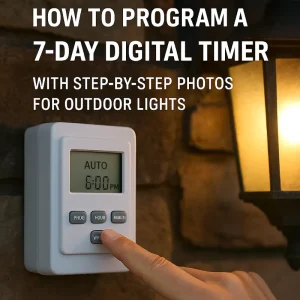
Programmable timers allow your AC to run only when you need it, which avoids unnecessary energy use. You can set it to turn on just before you arrive home or to switch off after you fall asleep.
This feature is great if you forget to turn off your air conditioner or want to cool your space only during certain hours. It helps keep your energy bills down without sacrificing comfort.
Have you ever left your AC running all day when no one was home? Using timers can prevent this common mistake. It’s like having a personal assistant managing your cooling efficiently.
- Set the timer based on your daily schedule
- Use shorter cooling periods during cooler parts of the day
- Combine timers with temperature settings for best results
Energy Efficiency Enhancements
Improving the energy efficiency of a portable air conditioner lowers electricity bills and boosts cooling performance. Small changes in how you manage the space and control the unit can make a big difference. Focus on reducing heat gain and optimizing the device’s operation to save energy.
Insulating The Room
Insulation keeps cool air inside and hot air outside. Use weather stripping around windows and doors to block drafts. Close curtains or blinds during the day to reduce sunlight heating the room. Seal gaps and cracks in walls or floors to prevent warm air from entering. These steps reduce the workload on your air conditioner.
Using Smart Devices
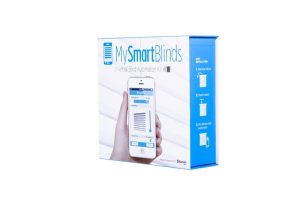
Smart thermostats and plugs allow precise control over your air conditioner. Set schedules to run the unit only when needed. Adjust temperature settings remotely using your phone to avoid cooling an empty room. Smart devices help maintain a comfortable temperature while saving energy. They also provide usage data to track power consumption and optimize settings.
Reducing Heat Sources
Reducing heat sources inside your living space is one of the smartest ways to boost the efficiency of your portable air conditioner. Every device or action that generates heat works against your cooling efforts, making your air conditioner work harder and use more energy.
Ask yourself: are you unknowingly adding heat that could be avoided? Small changes can make a big difference in how quickly and effectively your portable AC cools the room.
Minimizing Appliance Use
Appliances like ovens, stoves, and even computers produce a lot of heat. Turning them off or limiting their use during the hottest parts of the day reduces the overall temperature you need to cool.
Try cooking meals in the early morning or late evening when it’s cooler outside. Using a microwave or slow cooker instead of the oven can also help keep your kitchen and home cooler.
Have you noticed how your laptop heats up when you leave it running for hours? Shutting down or putting devices to sleep when not in use lowers indoor heat and saves energy.
Closing Curtains And Blinds
Sunlight streaming through windows can raise indoor temperatures quickly. Closing curtains or blinds during peak sunlight hours blocks out heat before it enters your space.
Dark, thick curtains work best, but even light-colored blinds reduce heat gain significantly. Consider reflective window films for an extra layer of protection.
Think about how much direct sunlight your room gets daily. Are you letting the sun warm your space unnecessarily? Keeping window coverings closed can make your portable air conditioner’s job much easier.
Upgrading Your Unit
Upgrading your portable air conditioner can boost its efficiency and lower electricity costs. Newer models use advanced technology to cool faster and consume less power. Selecting the right unit for your space also improves performance and comfort.
Choosing Energy-efficient Models
Energy-efficient portable air conditioners use less power to cool the same area. Look for units with a high Energy Efficiency Ratio (EER) or those labeled ENERGY STAR certified. These models reduce energy waste and save money over time.
Modern compressors and fans work quietly and efficiently. Some models include eco modes to adjust cooling based on room temperature. Smart features allow better control, avoiding unnecessary energy use.
Considering Size And Capacity
Choosing the right size is key for efficiency. A unit too small will run constantly without cooling well. A unit too large will cycle on and off often, wasting energy.
Measure your room’s square footage and check the BTU rating. BTU (British Thermal Units) shows how much heat the unit can remove per hour.
| Room Size (sq. ft.) | Recommended BTU |
|---|---|
| 100 – 300 | 8,000 – 10,000 |
| 300 – 500 | 10,000 – 14,000 |
| 500 – 700 | 14,000 – 18,000 |
Match the unit’s capacity to your room size for best results. This reduces energy use and improves cooling comfort.

Credit: www.angi.com
Frequently Asked Questions
How Can I Improve Portable Ac Efficiency At Home?
To boost portable AC efficiency, ensure proper venting and seal window gaps. Clean or replace filters regularly. Use a programmable thermostat and keep blinds closed during peak sunlight.
What Maintenance Tips Increase Portable Ac Performance?
Regularly clean filters and coils to maintain airflow. Check and clear the exhaust hose for obstructions. Store the unit properly when not in use to avoid damage.
Does Insulating The Room Help Portable Ac Efficiency?
Yes, insulating walls and sealing windows reduce heat gain. This lowers the cooling load, making the portable AC work less and use less energy.
How Does Room Size Affect Portable Ac Efficiency?
Choosing a portable AC sized for your room is crucial. An undersized unit struggles to cool, while an oversized one wastes energy and cycles frequently.
Conclusion
Keeping your portable air conditioner efficient saves energy and money. Clean filters and clear vents help air flow well. Seal windows and doors to stop cool air from escaping. Use fans to spread cool air faster around the room. Set the temperature to a comfortable level, not too cold.
Regular care and smart use make your air conditioner work better. Stay cool without wasting power or cash. Small steps can bring big results. Easy to do, easy to feel the difference.