
Are you tired of your portable air conditioner struggling to keep your room cool? One common problem might be right in front of you—your AC hose.
When the hose isn’t insulated properly, it can waste energy and make your unit work harder. But don’t worry, insulating your portable air conditioner hose is easier than you think. In this guide, you’ll learn simple, effective steps to keep your AC running efficiently and save on your energy bills.
Keep reading to discover how a small fix can make a big difference in your comfort and savings.
Why Insulate Your Ac Hose
Insulating your portable AC hose helps keep cool air inside and stops warm air from entering. This improves cooling efficiency and lowers energy use. It also prevents moisture buildup and reduces noise from the hose.
Insulating your portable air conditioner hose can lead to noticeable improvements. Many people overlook this simple task, but it can greatly enhance your AC’s efficiency. An insulated hose reduces heat transfer, maintaining cooler air and saving energy. This small change can make your home more comfortable and cut down on electricity costs. Let’s explore why insulating your AC hose matters.Benefits Of Insulation
Insulating the AC hose offers several advantages. First, it minimizes heat exchange between the hose and its surroundings. This keeps the cooled air colder as it travels through the hose. Your air conditioner won’t have to work as hard, which saves energy. Insulation can extend the lifespan of your unit by reducing wear and tear. It leads to more consistent cooling, improving your comfort.Common Heat Loss Issues
Heat loss through the AC hose is a common problem. When hoses aren’t insulated, the cool air can warm up before reaching you. This forces the air conditioner to use more power to achieve the desired temperature. This inefficiency results in higher energy bills. Hot air from outside can seep into the hose, counteracting the cooling process. Insulating the hose addresses these issues effectively.Materials Needed
Before you begin insulating your portable air conditioner hose, gathering the right materials is crucial. The effectiveness of your insulation depends largely on the quality and type of materials you choose. Having everything ready will save you time and help you achieve better cooling efficiency.
Types Of Insulation
- Foam Pipe Insulation:This is a popular choice due to its flexibility and ease of use. It slips over the hose and helps prevent heat from seeping in.
- Reflective Foil Tape:Often used to wrap around the insulation for extra protection, this tape reflects heat away from the hose.
- Fiberglass Insulation Sleeve:Provides excellent thermal resistance but can be a bit trickier to handle. It’s best for longer-term setups.
- Bubble Wrap with Foil:An inexpensive and quick fix, this combination adds a layer of insulation and reflects heat, though it’s less durable.
Choosing the right insulation depends on your budget and how permanent you want the setup to be. Have you ever tried using foam insulation on anything else around your home? Its ease of installation is often a game changer.
Additional Tools
- Measuring Tape:Accurate measurements of your hose length and diameter ensure the insulation fits snugly without gaps.
- Utility Knife or Scissors:Essential for cutting insulation material to the right size.
- Adhesive or Duct Tape:Helps secure the insulation tightly around the hose, preventing it from slipping off.
- Gloves:If you’re handling fiberglass insulation, gloves protect your skin from irritation.
- Marker:Useful for marking cut lines to keep your cuts neat and precise.
Having these tools at hand makes the process smoother and more efficient. Are you prepared to handle minor adjustments while insulating, or will you need to gather extra help?
Preparing The Hose
Preparing the hose is the first key step to insulate a portable air conditioner hose properly. This process ensures the insulation material sticks well and works efficiently. Taking time to prepare the hose well can improve the cooling and save energy.
Cleaning The Surface
Start by cleaning the hose surface thoroughly. Dirt, dust, and grease can stop the insulation from attaching firmly. Use a damp cloth with mild soap to wipe the hose. Rinse with clean water and dry it completely. Avoid using harsh chemicals that might damage the hose material. A clean hose surface helps the insulation last longer and perform better.
Measuring For Insulation
Measure the hose length carefully before buying insulation. Use a tape measure to get the full length of the hose from end to end. Note the diameter of the hose too. These two measurements help to choose the right size and amount of insulation. Cut the insulation slightly longer than the hose length for a tight fit. Accurate measuring prevents gaps and keeps the cooling efficient.
Step-by-step Insulation Process
Insulating your portable air conditioner hose improves cooling efficiency. It stops warm air from entering and cold air from escaping. The process is simple and uses basic materials. Follow these clear steps to ensure proper insulation.
Wrapping The Hose
Start by measuring the hose length. Cut insulation material to fit the hose size. Use foam pipe insulation or reflective insulation wrap. Gently wrap the insulation around the entire hose. Make sure the hose is fully covered without gaps.
Securing The Insulation
Use strong tape or zip ties to hold the insulation in place. Wrap tape tightly around the insulation at regular intervals. Secure both ends and middle sections firmly. This prevents the insulation from slipping off over time.
Sealing The Edges
Check the edges where the insulation meets the hose ends. Seal these edges with weather-resistant tape. Press the tape down to create an airtight seal. This step blocks any air leaks and keeps insulation effective.
Alternative Insulation Methods
Insulating a portable air conditioner hose keeps your unit working efficiently. It stops warm air from mixing with cool air inside the hose. Many use standard insulation materials, but some alternative methods work well too. These options are easy to find and simple to apply. They help reduce energy waste and improve cooling.
Using Reflective Foil
Reflective foil is a thin, shiny material that reflects heat. Wrapping the air conditioner hose with this foil blocks heat from outside. It keeps the hose cooler and the air inside colder.
To use reflective foil:
- Measure the hose length and cut foil to size.
- Wrap the foil tightly around the hose.
- Secure it with tape or clamps to prevent slipping.
This foil works best in sunny or hot areas. It also resists moisture and is easy to clean.
Foam Pipe Covers
Foam pipe covers are soft tubes made of foam rubber or polyethylene. They fit snugly around hoses and pipes. These covers trap air, which stops heat from passing through.
Steps to use foam covers:
- Choose foam covers matching the hose diameter.
- Cut the foam to the hose length.
- Slide the foam over the hose completely.
- Seal the ends with tape to keep the cover in place.
Foam covers are lightweight and easy to install. They also protect the hose from damage and reduce noise.

Credit: www.amazon.com
Maintaining Insulation
Maintaining insulation on a portable air conditioner hose keeps it efficient and extends its life. Proper care reduces energy loss and prevents moisture buildup. Regular attention ensures the insulation stays intact and works well.
Regular Inspections
Check the hose insulation often for any signs of wear or damage. Look for cracks, tears, or loose areas. Inspect both ends where the hose connects to the unit and the window vent. Pay close attention to spots that bend or twist.
Use a flashlight to see inside folds and creases. Touch the insulation to feel for cold or damp patches. These signs show where the insulation might be failing. Spotting problems early helps avoid bigger issues later.
Repairing Damages
Fix small tears or holes in the insulation quickly. Use weather-resistant tape or insulation wrap designed for air conditioner hoses. Wrap around the damaged area tightly to seal it from air and moisture.
Replace insulation sections that are badly worn or missing. Cut new insulation to fit the hose length and secure it with zip ties or tape. Make sure the insulation fits snugly to avoid gaps.
Keep repair materials handy for quick fixes. Proper repairs save energy and keep the air conditioner running smoothly.
Troubleshooting Common Issues
Troubleshooting common issues with insulating a portable air conditioner hose can save you time and improve your cooling efficiency. Problems like condensation buildup or insulation slipping often cause frustration but are usually easy to fix once you know what to look for. Let’s dive into some practical tips to keep your setup working smoothly.
Condensation Problems
Condensation on the hose is a frequent issue that can lead to water dripping or even mold growth. This usually happens when warm, humid air meets the cold surface of the hose.
To reduce condensation, check if your insulation fully covers the hose without gaps. Adding a vapor barrier around the insulation can also stop moisture from reaching the cold surface.
Have you noticed water pooling near your AC unit? Try wrapping the hose with foam pipe insulation and securing it with waterproof tape. This simple step often cuts down on condensation dramatically.
Insulation Slipping
Insulation slipping off the hose is annoying and reduces its effectiveness. It often occurs because the insulation isn’t tightly secured or the adhesive loses grip over time.
Use zip ties or strong duct tape to keep the insulation snug around the hose. If the insulation is old, consider replacing it with a new, more flexible type that fits better.
Ask yourself if your hose moves frequently. If yes, try adding extra straps at intervals to prevent shifting. This small adjustment keeps the insulation in place and maintains energy efficiency.
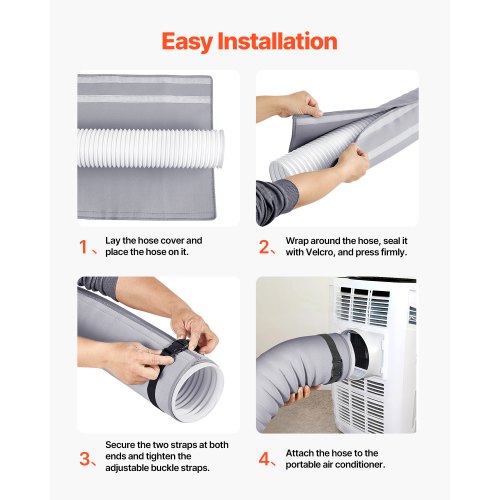
Credit: www.vevor.com

Credit: www.amazon.com
Frequently Asked Questions
How Does Insulating A Portable Ac Hose Improve Efficiency?
Insulating the hose reduces heat exchange with the surrounding air. This keeps cooled air inside and prevents warm air from entering. As a result, the air conditioner uses less energy and cools your space more effectively.
What Materials Are Best For Insulating Ac Hoses?
Foam pipe insulation and reflective foil tape are ideal. Foam prevents heat transfer, while foil reflects radiant heat. These materials are flexible, easy to apply, and durable for portable AC hoses.
Can I Insulate A Portable Ac Hose Myself?
Yes, insulating a portable AC hose is a simple DIY task. Use foam insulation sleeves and secure them with tape. Measure the hose length, cut insulation to size, and wrap it tightly to maximize cooling efficiency.
How Often Should I Replace The Insulation On The Ac Hose?
Inspect insulation every 6 months for damage or wear. Replace it if you notice cracks, tears, or loss of flexibility. Good insulation maintains cooling performance and energy efficiency consistently.
Conclusion
Insulating your portable air conditioner hose saves energy and cools better. It stops warm air from entering the hose. Use simple materials like foam or reflective tape for insulation. Proper insulation helps your air conditioner work longer and cost less to run.
Keep the hose tight and check for leaks often. Small steps make a big difference in comfort. Stay cool without wasting power by insulating the hose right. Easy and effective – that’s the key.






