Are you struggling to keep your room cool without a traditional window for your portable air conditioner? Installing a portable air conditioner in a crank window might seem tricky, but it doesn’t have to be.
With the right steps, you can set it up quickly and start enjoying cool, refreshing air in no time. In this guide, you’ll discover simple, clear instructions that anyone can follow. Keep reading, and you’ll learn how to make your crank window work perfectly with your portable air conditioner—no hassle, no confusion.
Choosing The Right Portable Air Conditioner
Choosing the right portable air conditioner is key for a crank window installation. The ideal unit must fit well and cool effectively. Several factors guide the choice.
Cooling Capacity
Cooling capacity shows how much space the AC can cool. It is measured in BTUs (British Thermal Units). A small room needs 5,000 to 8,000 BTUs. Larger rooms require more power. Too little capacity means poor cooling. Too much wastes energy.
Energy Efficiency
Energy efficiency saves money and reduces power use. Look for units with a high Energy Efficiency Ratio (EER). An efficient AC uses less electricity for the same cooling. This lowers bills and helps the environment.
Size And Weight
Size and weight matter for crank window setups. The unit must fit through the window opening. Heavy units are hard to move and install. Choose a model light enough to handle safely. Compact units fit better in small spaces.
Credit: martinsonmanufacturing.com
Preparing The Crank Window
Preparing your crank window before installing a portable air conditioner is crucial for a secure fit and optimal cooling. This step ensures that the unit sits properly and operates efficiently without causing damage to your window or the air conditioner. Taking the time to prepare will save you frustration later and help you enjoy a cool room quickly.
Measuring The Window Opening
Start by measuring the height and width of the crank window opening. Use a tape measure and note the smallest dimensions to ensure the air conditioner’s window kit fits snugly.
Don’t forget to measure both the inside and outside edges of the window frame, as some frames can taper or have uneven surfaces. Accurate measurements help you avoid gaps that could let warm air in.
Removing Obstructions
Clear any objects or hardware that might block the installation of the portable AC window kit. This includes window locks, screens, or handles that protrude into the opening.
If your crank window has a crank handle that sticks out, consider temporarily removing it or repositioning it to create enough space. You want a flat surface for the window kit to rest against for a tight seal.
Installing The Window Kit
Installing the window kit is a key part of setting up your portable air conditioner in a crank window. This kit acts as a bridge between your window and the air conditioner’s exhaust hose, ensuring hot air is vented outside effectively. Getting this step right helps keep your room cool and your unit running smoothly.
Components Of The Kit
The window kit usually includes a few essential parts. You’ll find a sliding panel or adjustable window bracket, a flexible exhaust hose, and various seals or foam strips to block gaps.
- Sliding panel or bracket:Fits into your crank window, creating a tight seal and a place for the exhaust hose.
- Exhaust hose:Connects your air conditioner to the window kit, venting hot air outside.
- Seals and foam strips:Prevent air leaks around the panel, improving efficiency and keeping bugs out.
Having all these parts ready before you start makes the process smoother. Missing any piece can cause issues with airflow or installation stability.
Positioning The Kit
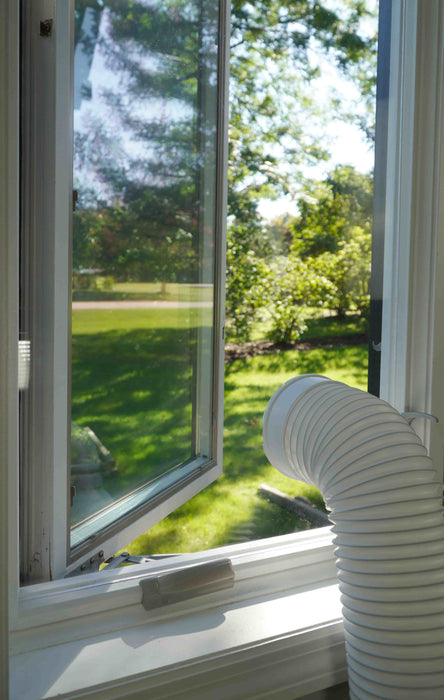
Position the window kit carefully to ensure a secure fit. Open your crank window just enough to slide the panel or bracket in place without forcing it.
Make sure the exhaust hose connects easily from your air conditioner to the kit without bending or kinking. A tight seal around the edges prevents warm air from sneaking back inside.
Think about the direction of your window crank and how the panel might affect its movement. Sometimes, adjusting the window’s angle or the panel’s position helps maintain easy operation.
Have you checked if the exhaust hose reaches comfortably outside without stretching? If it’s too tight, your unit might strain, reducing its lifespan.
Securing The Exhaust Hose
Securing the exhaust hose is crucial for your portable air conditioner’s performance. The hose vents hot air outside, keeping your room cool. Proper connection and sealing prevent air leaks, improve efficiency, and protect your home from heat and dust. Follow these steps to secure the exhaust hose correctly in your crank window setup.
Connecting The Hose
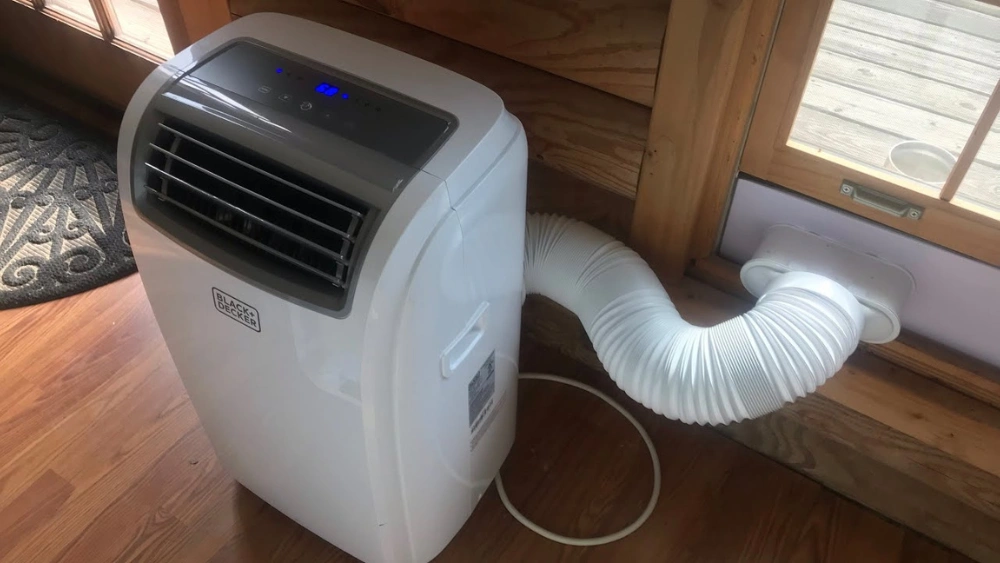
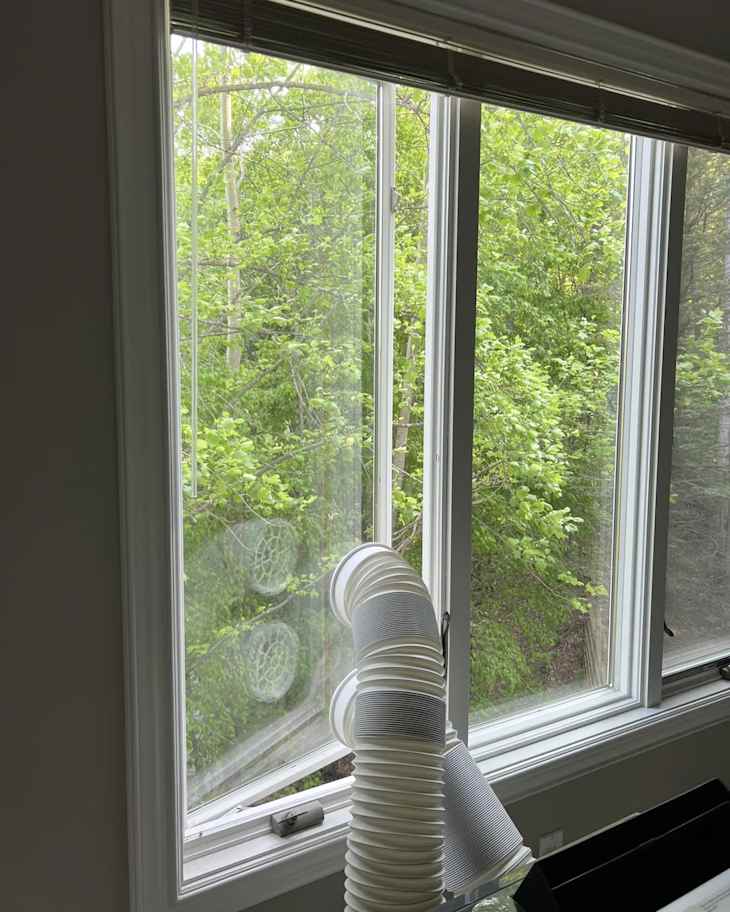
Begin by attaching the exhaust hose to the air conditioner’s outlet. Twist or push the hose firmly into place, depending on the model. Ensure the connection is tight to avoid air escaping. Next, connect the other end of the hose to the window adapter. Align the hose with the adapter’s opening and push it in securely. The hose should not sag or bend sharply, as this can block airflow.
Sealing The Hose
Seal the connection points to stop hot air from leaking back inside. Use weather stripping or foam tape around the hose ends at both the unit and window adapter. Press the tape firmly to create a strong seal. Check for gaps or loose spots and add more tape if needed. A well-sealed exhaust hose keeps your room cooler and your air conditioner working efficiently.
Testing The Installation
Testing the installation of your portable air conditioner in a crank window is crucial to ensure it works efficiently and keeps your space cool. This stage helps you spot potential problems early, saving you frustration and energy costs later. Let’s focus on two key areas: air leaks and ventilation.
Checking For Air Leaks
Air leaks can reduce your unit’s cooling power and increase your electricity bill. Walk around the window and feel for any drafts near the installation points. Pay close attention to the gaps between the window frame and the exhaust hose.
If you find any leaks, seal them with weatherstripping tape or foam insulation. These materials are inexpensive and easy to apply but make a huge difference. Have you ever noticed your room still felt warm despite running the AC? Small leaks are often the culprit.
Ensuring Proper Ventilation
Your portable air conditioner needs a clear path to expel hot air outside. Check that the exhaust hose is straight and not kinked or crushed, which can block airflow. Also, make sure the hose length is appropriate; too long or too bent hoses reduce efficiency.
Look around the crank window area for any obstacles that might block the airflow. Keeping the exhaust area free of obstructions helps your unit run smoothly and prolongs its lifespan. Ask yourself: is the window sash tightly secured to hold the exhaust in place? If not, adjust it to prevent vibrations and noise.

Credit: www.reddit.com
Maintenance Tips
Proper maintenance keeps your portable air conditioner running smoothly. It helps the unit work efficiently and lasts longer. Simple care tasks prevent breakdowns and improve air quality inside your home.
Cleaning The Filters
Dirty filters block airflow and reduce cooling power. Clean the filters every two weeks during heavy use. Remove the filter gently and wash it with warm water and mild soap. Let it dry completely before putting it back. Never use harsh chemicals or scrub too hard. Clean filters help the air conditioner cool better and save energy.
Storing The Unit
Store your air conditioner safely during colder months. Drain all water from the unit to stop mold and mildew. Clean the exterior with a soft cloth and mild detergent. Cover the unit with a breathable cloth or plastic cover to keep dust away. Store the unit in a dry, cool place. Proper storage prevents damage and keeps it ready for next summer.
Credit: www.apartmenttherapy.com
Frequently Asked Questions
How Do I Fit A Portable Ac In A Crank Window?
Measure your crank window dimensions first. Use a compatible window kit for sealing. Secure the exhaust hose tightly to avoid leaks. Adjust the crank handle carefully to hold the AC in place without damage.
What Tools Are Needed For Crank Window Ac Installation?
You will need a screwdriver, measuring tape, foam seal strips, and a window bracket kit. A drill may be required for mounting brackets. Keep all tools handy to simplify the installation process and ensure a secure fit.
Can I Install Portable Ac Without Damaging The Crank Window?
Yes, by using the right window bracket kit designed for crank windows. Avoid forcing the window open too far. Use foam seals to prevent air leaks and protect the window frame during installation.
How Do I Ensure Proper Ventilation For Crank Window Ac?
Attach the exhaust hose to the window kit’s vent panel securely. Keep the hose straight and avoid kinks. Proper ventilation prevents overheating and ensures efficient cooling performance.
Conclusion
Installing a portable air conditioner in a crank window is simple and quick. Follow the steps carefully for a secure fit. Seal gaps to keep cool air inside and hot air out. Regularly check the unit and clean filters for best performance.
Enjoy a cooler room without complex setup or damage to your window. Stay comfortable during hot days with your portable air conditioner ready to work.