Are you ready to beat the heat with your new LG portable air conditioner? Installing it might seem tricky at first, but with the right steps, you can have it up and running quickly.
Imagine enjoying cool, refreshing air in your room without waiting for a professional. This guide will walk you through every part of the installation, making it simple and stress-free. Keep reading, and you’ll discover how easy it is to set up your LG portable air conditioner and stay comfortable all summer long.

Credit: www.youtube.com
Choosing The Right Location
Choosing the right location for your LG portable air conditioner ensures it works efficiently. The correct spot helps cool the room faster and saves energy. It also prevents any damage to the unit and keeps your space comfortable.
Near A Window Or Vent For Exhaust Hose
Place the air conditioner close to a window or vent. The exhaust hose must reach the outside easily. Avoid stretching the hose too far to keep airflow smooth. A short, direct path prevents heat from coming back inside.
Flat And Stable Surface
Choose a flat and stable surface to place the unit. This helps the air conditioner work without shaking or tipping. Avoid placing it on uneven floors or carpets. A firm base keeps the unit safe and quiet.
Away From Direct Sunlight
Keep the unit away from direct sunlight. Sunlight makes the air conditioner work harder. This can reduce its cooling power and increase electricity use. Find a shaded spot or use curtains to block sunlight.
Clearance For Airflow
Leave enough space around the air conditioner. At least 20 inches of clearance on all sides is best. This allows air to flow freely and cool your room better. Do not block the vents with furniture or curtains.
Close To A Power Outlet
Place the unit near a power outlet. Avoid using long extension cords. This reduces the risk of electrical problems. Make sure the cord can reach the outlet comfortably without pulling.
Unpacking The Air Conditioner
Unpacking your LG portable air conditioner is your first hands-on moment with the device. It sets the tone for a smooth installation and safe operation. Taking time here can prevent damage and save you from frustration later.
Check The Packaging For Damage
Before you cut open the box, examine it closely. Look for dents, tears, or holes that might mean the unit inside was jostled or dropped. If you spot damage, document it with photos and contact the seller immediately to avoid issues with returns.
Gather All Included Components
Inside the box, you should find more than just the air conditioner itself. Make sure to locate the exhaust hose, window kit, remote control, and user manual. Missing parts can delay your setup, so verify everything is present before moving on.
Remove Protective Wrappings Carefully
Peel off all plastic covers and tape without rushing. Use scissors or a box cutter cautiously to avoid scratching the unit’s surface. Handling the air conditioner gently at this stage minimizes the risk of accidental dents or scratches.
Inspect The Unit For Visible Defects
Once unpacked, give the air conditioner a thorough look over. Check the casing for cracks, the wheels for smooth rolling, and the vents for blockages. Finding issues now allows you to solve them before installation, saving you time and effort.
Preparing The Exhaust Hose
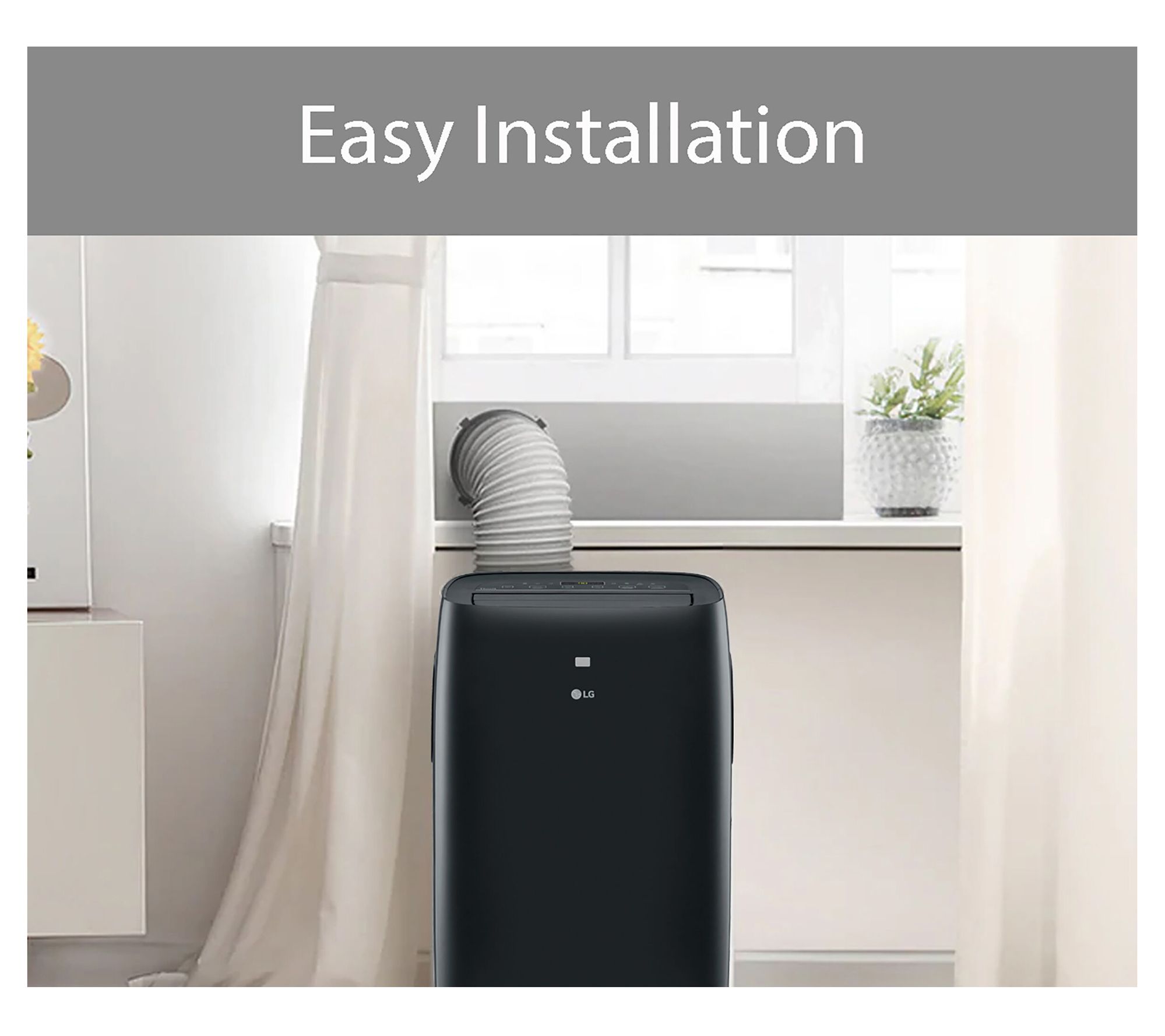
Preparing the exhaust hose is a key part of installing your LG portable air conditioner. The hose moves hot air from the unit to the outside. Proper setup ensures your air conditioner works well and cools your room efficiently.
Careful handling of the hose prevents leaks and keeps the unit running smoothly. Follow these steps to assemble and connect the exhaust hose correctly.
Assembling The Hose
Start by unrolling the exhaust hose carefully. Avoid sharp bends or kinks that block airflow. The hose may come in two parts that need joining.
- Align the two hose ends together.
- Push the ends firmly until they click or fit tightly.
- Check the connection for a secure fit.
- Extend the hose only as far as needed to avoid stretching.
Keep the hose straight and gently curved to allow smooth air passage.
Connecting To The Unit
Locate the exhaust port on your LG portable air conditioner. It is usually at the back or side of the unit.
- Attach one end of the exhaust hose to the port.
- Turn the hose connector clockwise to lock it in place.
- Make sure the connection is tight to prevent air leaks.
- Secure the hose with any clips or brackets included with the unit.
Check the hose connection again after installation to ensure it stays firm.

Credit: www.youtube.com
Installing The Window Kit
Installing the window kit is a key step for setting up your LG portable air conditioner. This kit helps seal the window opening and vents hot air outside. Proper installation keeps the room cool and the unit working efficiently. Follow the instructions carefully to fit the kit perfectly and secure it firmly.
Sizing The Kit
Measure your window width and height before starting. The kit comes with adjustable panels. Extend or shorten them to match your window size. Ensure the panels fit snugly without gaps. A tight fit prevents warm air from entering the room. Check both sides of the window frame for the best fit.
Securing In Place
Slide the window kit panels into the window opening. Close the window tightly against the panels. Use the provided screws or brackets to fix the panels firmly. Check that the kit does not move or fall. Seal any small gaps with weather stripping or foam tape. This stops air leaks and improves cooling efficiency.
Connecting The Exhaust Hose To The Window Kit
Connecting the exhaust hose to the window kit is essential for venting hot air outside. This step ensures your LG portable air conditioner works efficiently. Proper connection prevents hot air from re-entering the room.
Prepare The Window Kit For Installation
First, adjust the window kit to fit your window size. Slide the panels until they fill the window frame completely. Secure the panels to avoid gaps where air can leak.
Make sure the window is clean and dry before attaching the kit. This helps the kit stay in place firmly.
Attach The Exhaust Hose To The Air Conditioner
Locate the exhaust port on the back of the air conditioner. Align the hose connector with the port. Push the hose onto the port until it clicks or fits tightly.
Check the hose for any bends or kinks. Straighten it to allow smooth airflow.
Connect The Exhaust Hose To The Window Kit
Find the round opening on the window kit panel. Insert the other end of the exhaust hose into this opening. Turn or twist it to lock the hose securely.
Seal any gaps around the hose with foam or weather stripping. This stops warm air from leaking back inside.
Secure And Test The Exhaust Setup
- Make sure the window kit is firmly closed and locked.
- Check the hose connection for tightness.
- Turn on the air conditioner to verify proper exhaust airflow.
- Listen for unusual noises or air leaks around connections.
Powering Up The Unit
Powering up your LG portable air conditioner is a key step. It ensures the unit runs safely and efficiently. This process involves connecting the unit to power correctly. Checking the electrical needs is also essential to avoid issues.
Plugging Into The Outlet
Use a grounded outlet that matches the plug type of the air conditioner. Avoid extension cords or power strips as they may cause power drops. Plug the unit firmly to prevent loose connections. Keep the cord away from water or heat sources. Ensure the outlet is dry and clean before plugging in.
Checking Electrical Requirements
Check the voltage and current needed by the air conditioner. This information appears on the unit’s label or in the manual. Make sure your home outlet matches these requirements. Using the wrong power source can damage the unit or cause safety risks. If unsure, consult an electrician for help.
Setting Up The Controls
Setting up the controls on your LG portable air conditioner is simple and quick. Proper control setup helps maintain a comfortable room temperature. It also ensures the unit runs efficiently and saves energy. This section explains how to adjust temperature settings and use the remote control effectively.
Adjusting Temperature Settings
Start by turning on the air conditioner using the power button. Use the temperature up and down buttons to set your desired room temperature. The display will show the current temperature setting clearly. Choose a temperature that feels comfortable but avoids extreme cold or heat.
The unit usually works best between 72°F and 78°F. Setting it lower than needed can waste energy and cause discomfort. Wait a few minutes for the air conditioner to adjust the room temperature. You can fine-tune settings as needed using the control panel.
Using The Remote Control
The remote control lets you adjust settings from across the room. Point it at the air conditioner and press the power button to turn the unit on or off. Use the temperature buttons to raise or lower the temperature quickly. The mode button switches between cool, fan, and dehumidify functions.
Other remote features include:
- Timer settings to schedule automatic start or stop
- Fan speed control for low, medium, or high airflow
- Sleep mode for quieter operation at night
Keep fresh batteries in the remote to ensure it works smoothly. Using the remote control helps you stay comfortable without getting up often.
Ensuring Proper Ventilation
Proper ventilation is key to making your LG portable air conditioner work well. It helps the unit cool the room efficiently and stops it from overheating. Without good airflow, the air conditioner uses more energy and may break down sooner.
Focus on creating clear space around the unit. This space allows hot air to leave and cool air to enter. Good ventilation also reduces noise and keeps your room comfortable.
Checking Airflow
Check that air moves freely in and out of the air conditioner. The exhaust hose should be connected tightly and lead outside a window or door. Avoid long or bent hoses that block airflow.
Make sure vents are clean and open. Dust or dirt can reduce airflow and lower cooling power. Use a soft brush or cloth to clean vents regularly.
Avoiding Obstructions
Keep furniture, curtains, and other items away from the air conditioner’s vents and exhaust hose. Blocked vents trap heat inside the unit. This causes it to work harder and wear out faster.
Leave at least 2 feet of clear space around the unit. This space helps air flow smoothly. Avoid placing the unit in corners or tight spaces.
Maintenance Tips
Maintaining your LG portable air conditioner is key to keeping it running efficiently and extending its lifespan. Regular upkeep prevents common issues and helps you avoid costly repairs. Let’s dive into some simple maintenance tips that you can easily do yourself.
Cleaning The Filters
Dirty filters reduce airflow and make your air conditioner work harder. Check your filters every two weeks, especially during heavy use. You can remove them easily—just slide them out according to your model’s instructions.
Rinse the filters gently with warm water and mild soap. Avoid harsh scrubbing, which can damage the mesh. Let them dry completely before putting them back to prevent mold growth.
Have you noticed your unit’s cooling power dropping? Dirty filters are often the culprit. Cleaning them regularly keeps your air conditioner running smoothly and improves air quality.
Checking For Leaks
Leaks can cause your air conditioner to lose efficiency and even damage your floors or walls. Inspect the exhaust hose and connections frequently for cracks or loose fittings. Make sure the hose is properly attached and not kinked.
If you spot any water pooling around your unit, investigate immediately. Sometimes the drain pan or hose can get clogged or cracked, causing leaks. A quick fix can save you from bigger problems down the road.
Ask yourself: have you ever ignored a small leak only to face a bigger issue later? Staying proactive with leak checks keeps your unit safe and your space dry.
Credit: www.qvc.com
Frequently Asked Questions
How Do I Install An Lg Portable Air Conditioner?
To install an LG portable air conditioner, first select a suitable window near a power outlet. Assemble the window kit, secure the exhaust hose, and connect it to the unit. Ensure proper sealing to prevent air leaks, then plug in and power on the device.
What Tools Are Needed For Lg Portable Ac Installation?
You typically need a screwdriver, measuring tape, and scissors for installation. These tools help assemble the window kit and secure the exhaust hose. No advanced tools are necessary, making the process simple and quick for most users.
Can I Install Lg Portable Ac Without Window Access?
No, LG portable air conditioners require window access for exhaust venting. The exhaust hose must vent hot air outside. Without proper venting, the unit will not cool effectively and may overheat.
How To Seal The Window For Lg Portable Ac?
Use the included window kit panels to seal gaps around the exhaust hose. Ensure the panels fit snugly in the window frame. Weather stripping or foam tape can improve the seal and prevent air leaks.
Conclusion
Installing your LG portable air conditioner is simple with clear steps. Always read the manual carefully before starting. Make sure the unit is near a window or vent for proper airflow. Secure the exhaust hose tightly to avoid leaks. Regular cleaning keeps your air conditioner working well.
Enjoy cool, fresh air during hot days. Stay comfortable and save energy by following these tips. Now, your LG portable air conditioner is ready to use and keep your space cool.