Are you looking to boost your home’s security and add a bright, welcoming glow to your outdoor space? Installing an outdoor flood light can do just that—and it’s easier than you might think.
Imagine coming home to a well-lit driveway or garden that not only keeps intruders away but also highlights your property’s best features. In this guide, you’ll discover simple, step-by-step instructions to install your flood light safely and quickly. Whether you’re a beginner or have some DIY experience, by the end of this article, you’ll have the confidence to light up your outdoor area like a pro.
Keep reading to find out how!

Credit: www.youtube.com
Choosing The Right Flood Light
Choosing the right flood light depends on brightness, weather resistance, and energy use. Pick one that fits your outdoor space and safety needs. Proper installation ensures long-lasting performance and effective lighting.
Choosing the right flood light is essential for effective outdoor lighting. The perfect flood light enhances security and highlights your home’s exterior. Consider several factors to make an informed decision. Look into the types available, brightness levels, and energy efficiency options. Let’s dive into each of these aspects.Types Of Outdoor Flood Lights
Different types of flood lights cater to various needs. Halogen lights provide bright, warm lighting suitable for general use. LED lights offer long-lasting durability and lower energy consumption. Solar-powered flood lights are eco-friendly, using sunlight to charge their batteries. Each type has unique advantages, matching different requirements and preferences.Brightness And Wattage
Brightness is crucial for security and visibility. Measured in lumens, higher lumens mean brighter lights. Consider how much light you need to illuminate your space. Wattage relates to energy consumption; higher wattage uses more electricity. Balance brightness and wattage for optimal lighting and efficiency.Energy Efficiency Options
Energy-efficient flood lights save money and reduce environmental impact. LED lights are top choices for efficiency, consuming less power and lasting longer. Solar lights harness the sun’s energy, cutting electricity costs. Choose energy-saving options to lessen your carbon footprint while enjoying effective lighting.Gathering Necessary Tools
Before you start installing your outdoor flood light, gathering the right tools is crucial. Having everything ready saves time and prevents frustration during the installation. It also ensures the job is done safely and correctly.
Basic Tools Needed
You’ll need a few essential tools to install your flood light smoothly. A cordless drill helps with drilling holes and driving screws quickly. A screwdriver set is important, especially one with both flathead and Phillips tips.
Don’t forget wire strippers to prepare the electrical wires properly. A voltage tester is vital to check if the power is off before you touch any wires. Lastly, a ladder is necessary if your flood light will be mounted high up.
Safety Equipment
Safety should always be your top priority. Wear insulated gloves to protect your hands from electrical shocks. Safety goggles can prevent debris or dust from getting into your eyes while drilling or handling wires.
Consider using a sturdy ladder with rubber feet to prevent slips. If you’re working in low light conditions, a headlamp can keep your hands free while illuminating your work area. How confident are you in your current safety gear?
Additional Materials
Besides tools, you need a few extra materials for a successful installation. Electrical tape and wire nuts help secure your electrical connections safely. Outdoor-rated junction boxes protect your wiring from weather damage.
Choose weather-resistant screws and anchors to ensure your flood light stays securely mounted over time. Also, having a caulk gun with exterior-grade silicone can seal any holes against moisture. Do you have these materials ready before heading outside?
Preparing The Installation Site
Preparing the installation site is a crucial part of setting up your outdoor flood light. It ensures your light functions safely and effectively, giving you the best illumination where you need it most. Taking the time to plan carefully can save you from headaches and extra work later on.
Selecting The Mounting Location
Choose a spot that offers a clear view of the area you want to light up. Avoid placing the light too close to windows or neighbors’ properties to prevent glare or disturbances. Think about the height too—mounting the light too low might limit its reach, while too high can reduce brightness on the ground.
Consider any obstacles like trees or walls that could block the light. Have you checked how the light will look at night before drilling holes? Testing with a temporary setup can help you decide the perfect spot.
Checking Electrical Supply
Before any installation, confirm there is a suitable power source nearby. Outdoor flood lights typically require a weatherproof electrical connection. Is your existing wiring safe and up to code? If unsure, it’s smart to consult a professional electrician.
Also, identify whether you need a direct connection or if a solar-powered flood light might suit your location better. Knowing the power supply type will guide your installation choices and tools needed.
Marking Drill Points
Once you pick the location and verify power availability, it’s time to mark where you’ll drill. Use a pencil or masking tape to mark the exact spots for screws or anchors. Double-check measurements and alignments to avoid crooked mounting.
Try holding the flood light bracket in place while marking to ensure accuracy. Have you considered the angle and direction of the light after mounting? Proper marking can prevent the need for re-drilling and patching walls later.
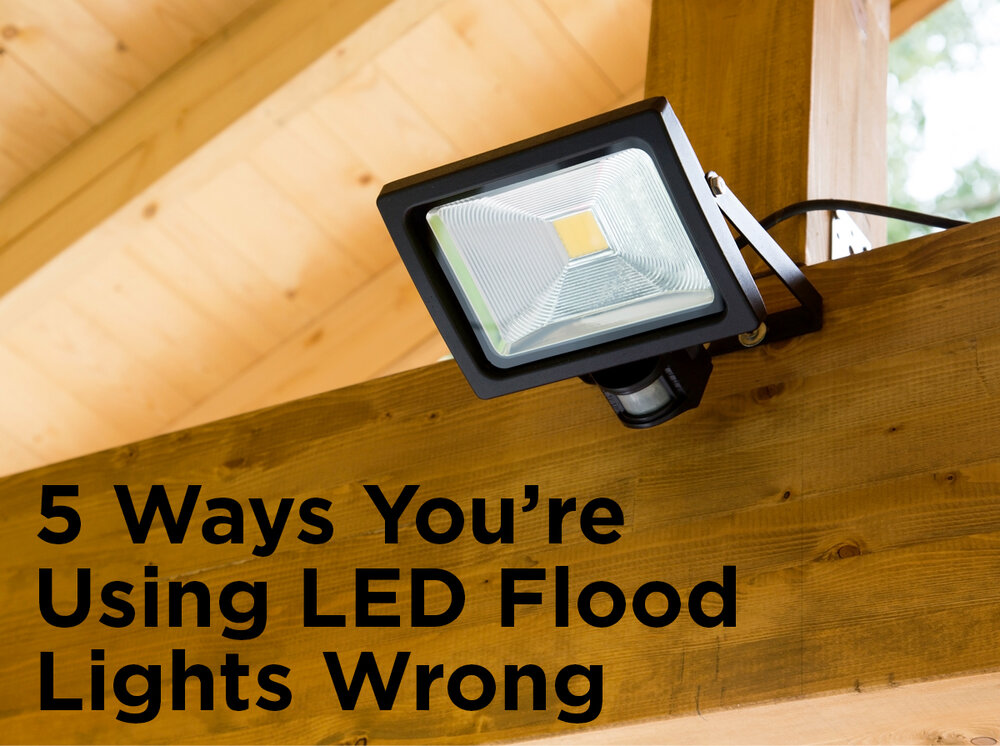
Credit: blog.1000bulbs.com
Wiring The Flood Light
Wiring the flood light is a vital part of installation. Proper wiring ensures the light works safely and efficiently. It involves careful handling of electrical connections and protection against weather.
Follow safety rules closely. Use the right tools and materials. This keeps your outdoor flood light secure and lasting longer.
Turning Off Power
Start by switching off power at the circuit breaker. This prevents electric shock during wiring. Use a voltage tester to confirm no current flows.
Never skip this step. Working with live wires is dangerous. Safety first.
Connecting Wires Safely
Match wires by color: black to black (hot), white to white (neutral), and green or bare copper to ground. Strip about half an inch of insulation.
Twist wire ends together tightly. Use wire nuts to cover the connections. Tug gently to check security.
Keep wires neat inside the electrical box. Avoid loose or exposed wires.
Using Waterproof Connectors
Outdoor lights face rain and moisture. Waterproof connectors protect wiring from water damage.
Choose connectors rated for outdoor use. Seal connections with silicone or electrical tape. This stops moisture from entering.
Waterproof connectors extend the life of your flood light. They keep your wiring safe and dry.
Mounting The Flood Light
Mounting the flood light is a crucial part of the installation process. It ensures the light stays secure and shines in the right direction. Proper mounting also helps protect the fixture from weather damage and accidental falls.
Start by choosing a sturdy surface, such as a wall or a post, that can hold the light’s weight. Make sure the location has easy access to power and covers the area you want to illuminate.
Drilling And Fixing The Bracket
Mark the spots where you will drill holes for the bracket. Use a pencil or marker for accuracy. Select a drill bit that matches the size of the screws or anchors.
- Wear safety goggles before drilling.
- Drill holes carefully at the marked points.
- Insert wall anchors if mounting on drywall or masonry.
- Align the bracket with the holes and fix it using screws.
Ensure the bracket fits tightly and does not wobble.
Attaching The Light Fixture
Lift the flood light and position it on the mounted bracket. Most fixtures use screws or clips to secure the light.
- Hold the light steady during attachment.
- Use the screws provided with the fixture.
- Tighten screws firmly but avoid over-tightening.
- Check that the light is stable and fixed in place.
Adjusting The Angle
Adjust the flood light to cover the desired area. Most fixtures have a swivel or tilting mechanism.
- Loosen the adjustment screws slightly.
- Move the light up, down, or sideways as needed.
- Tighten the screws to lock the angle.
- Test the light’s coverage before final tightening.
This step ensures optimal lighting and reduces dark spots.

Credit: www.nuwattlighting.com
Testing And Troubleshooting
Testing and troubleshooting your outdoor flood light is essential to ensure it works safely and effectively. After installation, you want to confirm the light turns on and off as expected and quickly identify any issues that might arise. Taking a systematic approach to this step can save you time and frustration.
Restoring Power
Before testing your flood light, make sure the power is restored to the circuit. Check your breaker panel and switch the breaker back on if it was turned off during installation. If the light doesn’t respond, verify the switch controlling the light is in the “on” position.
Sometimes, power might not reach the fixture due to a tripped breaker or a loose wire connection. Double-check your wiring to ensure all connections are secure and properly insulated. Have you ever overlooked a simple breaker reset that caused hours of confusion? It’s a common but easily fixed issue.
Checking Light Operation
Once power is restored, test the light by manually turning it on or triggering the motion sensor if your flood light has one. Observe if the light turns on immediately and stays on for the preset time. If it doesn’t, try adjusting the sensor’s sensitivity and timer settings.
Look for flickering or dim light, which often signals a poor connection or incompatible bulb. If your flood light uses LED bulbs, make sure they are rated for outdoor use and the correct wattage. Have you noticed a delay between motion detection and light activation? That’s often adjustable on the sensor.
Common Issues And Fixes
- Light Won’t Turn On:Check the power source, switch position, and wiring connections. Replace the bulb if it’s burnt out.
- Flickering Light:Tighten all bulb and wire connections. Replace the bulb with a compatible type.
- Motion Sensor Not Triggering:Adjust sensor angle, sensitivity, and timer. Remove any objects blocking the sensor’s view.
- Light Stays On Constantly:Test the sensor during daylight to see if it’s malfunctioning. Reset or replace the sensor if needed.
Have you ever found a simple fix that saved you from calling an electrician? Testing and troubleshooting can empower you to handle most issues with confidence. Keep a checklist of these common problems and solutions handy for quick reference.
Maintaining Your Flood Light
Maintaining your outdoor flood light is key to keeping your space well-lit and safe. Regular upkeep extends the life of your fixture and ensures optimal performance. A few simple habits can prevent common issues and save you from costly repairs later.
Cleaning Tips
Dirt and debris can block the light and reduce brightness. Use a soft cloth dampened with mild soap and water to gently clean the lens. Avoid harsh chemicals that could damage the protective coating.
Check for spider webs or nests around the fixture, especially in warmer months. These can attract insects and cause damage over time. Cleaning your flood light every few months keeps it shining bright and looking new.
Replacing Bulbs
Flood light bulbs wear out faster outdoors due to weather exposure. Keep a spare bulb handy that matches your fixture’s specifications. When replacing, always turn off the power to avoid shocks.
If you notice flickering or dimming, it’s time to swap the bulb. Choose energy-efficient LED bulbs for longer life and better brightness. Have you ever delayed replacing a bulb and ended up with a larger electrical issue? Don’t let it happen to you.
Seasonal Adjustments
Season changes affect the angle and intensity of sunlight, which can impact your flood light’s effectiveness. Adjust the direction of the light to cover new shadowed areas during fall and winter. This simple tweak can improve security around your property.
In colder months, check for ice or snow buildup on the fixture. Removing it promptly prevents damage and keeps your light working properly. How often do you think about your outdoor lighting as the seasons change?
Frequently Asked Questions
How Do I Choose The Right Outdoor Flood Light?
Select a flood light with suitable brightness, energy efficiency, and weather resistance. Consider LED options for durability and low energy use. Match the light’s color temperature to your outdoor space for better ambiance.
What Tools Are Needed To Install Outdoor Flood Lights?
You need a drill, screwdriver, wire stripper, voltage tester, and mounting hardware. Safety gear like gloves and goggles is recommended. Having a ladder and electrical tape also helps ensure a smooth installation process.
Can I Install An Outdoor Flood Light Myself Safely?
Yes, if you follow safety guidelines and local electrical codes. Turn off power before starting. Use proper tools and double-check connections. If unsure, consult a licensed electrician to avoid risks.
How High Should Outdoor Flood Lights Be Installed?
Install flood lights 8 to 12 feet above the ground for optimal coverage. This height balances brightness and reduces glare. Adjust based on your specific area and lighting needs.
Conclusion
Installing an outdoor flood light is easier than it seems. Follow each step carefully for safety and best results. Good lighting improves home security and makes your space look nice. Choose the right spot and use the right tools. Take your time and double-check all connections.
Soon, your outdoor area will be bright and welcoming. Enjoy the added safety and style your new flood light brings.