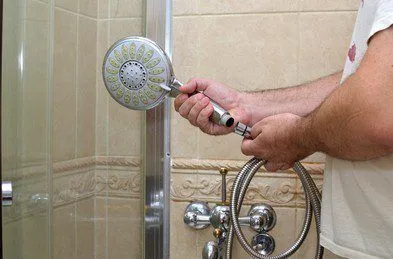
Are you tired of stepping into your shower only to be met with a weak, disappointing spray? Low water pressure can turn a refreshing shower into a frustrating experience.
The good news is, you don’t have to live with it. By making a few simple changes, you can boost your shower head pressure and enjoy a powerful, invigorating rinse every time. Keep reading to discover easy, effective tips that will transform your daily shower into a revitalizing escape.
Your perfect shower is just a few steps away!

Credit: parzivalplumbing.com
Causes Of Low Shower Head Pressure
Low shower head pressure can make daily showers frustrating. Several factors cause this problem. Identifying the cause helps find the right fix quickly. Understanding common reasons is the first step to better water flow.
Common Plumbing Issues
Plumbing problems often reduce water pressure. Leaks in pipes lower the water reaching your shower. Old or damaged pipes can restrict flow. Valves that are partly closed also limit pressure. Sometimes, the main water supply to your home has low pressure. These issues need checking by a plumber or careful inspection.
Mineral Buildup In Showerhead
Hard water contains minerals like calcium and magnesium. Over time, these minerals build up inside the showerhead. This buildup blocks water holes and reduces flow. The showerhead sprays weakly or unevenly. Cleaning the showerhead regularly removes these deposits. Soaking it in vinegar can dissolve mineral deposits effectively.

Credit: www.youtube.com
Simple Cleaning Techniques
Simple cleaning techniques can quickly boost your shower head pressure. Dirt and mineral buildup block water flow. Regular cleaning clears these obstructions. This restores the strong spray you want. The process is easy and requires few tools. A little time and effort make a big difference. These tips work for most types of shower heads.
Removing Mineral Deposits
Mineral deposits often clog shower heads. These come from hard water. You can spot them by white or greenish crusts. To remove deposits, start by taking off the shower head. Soak it in warm water for a few minutes. Use a soft brush to scrub away loosened minerals. Pay attention to tiny holes where water flows. Rinse thoroughly to clear all residue. Reattach the shower head tightly to avoid leaks.
Using Vinegar Solution
Vinegar is a natural cleaner for mineral buildup. Mix equal parts of white vinegar and water. Pour the solution into a plastic bag. Place the bag over the shower head so it is submerged. Secure the bag with a rubber band. Let it soak for at least one hour. For heavy buildup, soak overnight. Remove the bag and scrub gently with a brush. Rinse well with water. This method dissolves deposits and improves water flow.
Checking Water Pressure Settings
Checking your water pressure settings is a key step to improving your shower head pressure. Sometimes the issue isn’t the shower head itself but the pressure coming through your pipes. Understanding how to adjust and inspect these settings can save you time and money, and it can make your daily showers much more enjoyable.
Adjusting Pressure Regulator
Your home might have a pressure regulator installed where the main water line enters. This device controls the water pressure for your entire house. If the pressure is too low, adjusting this regulator can boost your shower’s water flow.
Look for a small screw or knob on the pressure regulator. Turning it clockwise usually increases pressure, while turning it counterclockwise decreases it. Be careful to make small adjustments and test the water pressure after each turn to avoid damaging your plumbing.
Inspecting Valve Settings
Valves controlling water flow could be partially closed, reducing pressure to your shower. Check the main shut-off valve and any local valves near your shower.
Make sure these valves are fully open. Sometimes valves get stuck or are only opened halfway during plumbing work. Opening them completely can immediately improve water pressure without any extra cost.

Credit: www.facebook.com
Upgrading Your Showerhead
Upgrading your showerhead can significantly boost your shower’s water pressure. Old or clogged showerheads often reduce flow. A new model designed for strong pressure can improve your experience instantly. Choosing the right showerhead and installing it correctly matters. Both steps ensure better water flow and comfort.
Choosing High-pressure Models
High-pressure showerheads are made to increase water flow. They have smaller nozzles that push water faster. Look for terms like “high pressure” or “increased flow” on the packaging. Models with multiple spray settings allow you to adjust pressure. Metal or chrome finishes last longer and resist clogging. Check user reviews to find reliable brands. Choose a size that fits your shower space.
Installing A New Showerhead
Installation is simple and usually takes less than 30 minutes. First, turn off the water supply to avoid leaks. Remove the old showerhead by twisting it counterclockwise. Clean the shower arm threads with a cloth. Wrap plumber’s tape around the threads to prevent leaks. Screw the new showerhead on clockwise until tight. Hand-tighten, then use a wrench if needed, but avoid over-tightening. Turn the water back on and check for leaks. Adjust the angle and spray settings for comfort.
Boosting Pressure With Accessories
Boosting shower head pressure with accessories offers a simple fix for weak water flow. These tools help increase water force without major plumbing work. They fit easily into existing shower setups and improve your shower experience.
Adding A Shower Pump
A shower pump raises water pressure by pushing water through pipes. It works well in homes with low mains pressure. Installing a pump can bring steady, strong water flow to your shower.
Shower pumps come in different sizes for various needs. Some models fit inside the water system, while others attach near the shower. Pumps use electricity to boost pressure and improve water delivery.
Using A Pressure Booster
A pressure booster increases water pressure directly at the shower head. It fits between the shower hose and the shower head. This small device pushes water out faster and stronger.
Pressure boosters are easy to install and require no special tools. They are ideal for quick fixes and renters who cannot change plumbing. This accessory improves pressure without extra plumbing or wiring.
Consulting A Professional
Sometimes, improving your shower head pressure isn’t just about cleaning or replacing the fixture. There are times when the issue lies deeper within your plumbing system, requiring the expertise of a professional. Consulting a plumber can save you time, prevent damage, and ensure your water pressure problem is accurately diagnosed and fixed.
When To Call A Plumber
If you’ve tried basic fixes like cleaning the shower head or checking for leaks but still face low water pressure, it might be time to get professional help. Sudden drops in pressure throughout your home, not just in the shower, can signal bigger plumbing issues.
Also, if you notice strange noises when you turn on your shower or water flow inconsistencies, these are signs a plumber should inspect your system. Don’t wait for the problem to worsen—early intervention often means simpler, less costly repairs.
Evaluating Plumbing System
A professional plumber will check the entire plumbing network, not just the shower. They assess pipe conditions, look for blockages, corrosion, or leaks that you might miss.
Sometimes, older homes have narrow or outdated pipes that reduce water flow. A plumber can advise if pipe replacement or pressure-boosting devices are necessary.
Have you considered how your home’s water pressure compares to your neighbors’? A plumber can measure and compare, helping you understand if the issue is local to your house or part of a wider supply problem.
Frequently Asked Questions
How Can I Increase Shower Head Pressure Quickly?
Clean the shower head to remove mineral buildup. Check for clogged nozzles or flow restrictors. Consider installing a high-pressure shower head for better flow.
Why Is My Shower Pressure Suddenly Low?
Low pressure can result from clogged pipes, mineral deposits, or a faulty valve. Check water supply and clean or replace affected parts.
Does Replacing A Shower Head Improve Water Pressure?
Yes, installing a modern high-pressure shower head can boost flow. Older models often restrict water to save usage, lowering pressure.
Can Water Pressure Regulators Affect Shower Flow?
Yes, pressure regulators control water flow. If set too low, they reduce shower pressure. Adjust or replace regulators for better performance.
Conclusion
Improving shower head pressure can make daily showers more pleasant. Small fixes often bring big changes. Clean your shower head regularly to remove buildup. Check for leaks or blockages in pipes. Consider replacing old parts for better flow. These steps help save water and energy too.
Enjoy a stronger, more refreshing shower every day. Simple actions lead to noticeable results. Start with one tip and see the difference. Better water pressure is within your reach.