
Have you ever found yourself staring at your paintbrush, frustrated because dried paint has turned it stiff and useless? It’s a common problem that can waste your time and money if you don’t fix it quickly.
But don’t worry—getting dried paint out of your brushes is easier than you think. You’ll discover simple, effective methods to restore your brushes so they feel like new again. Keep reading, and you’ll never have to toss a brush because of dried paint again.
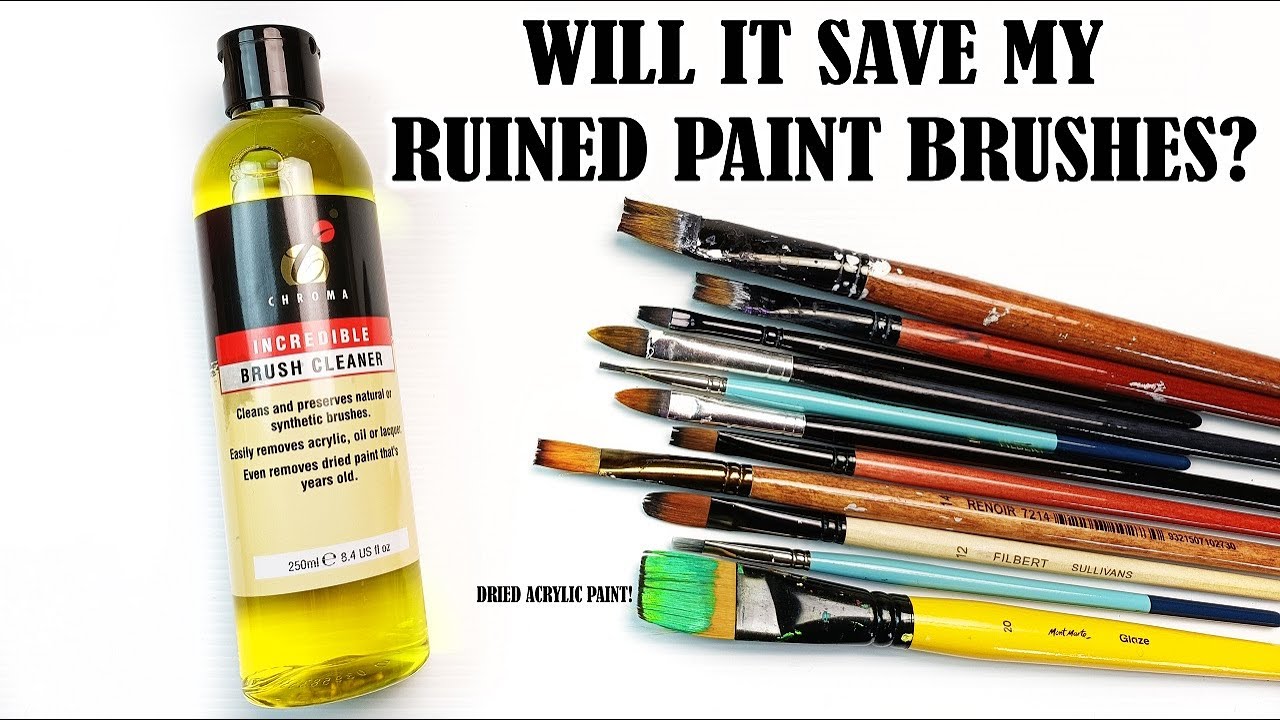
Credit: www.youtube.com
Causes Of Dried Paint
Have you ever been in the middle of a painting project, only to discover that your trusty brush is coated with stubborn dried paint? It’s a frustrating situation, one that can hinder your creative flow. Understanding the causes of dried paint on brushes can help you prevent this common problem and maintain your tools in top condition. Let’s dive into some key reasons why paint dries on brushes and the impact it has on their quality.
Common Reasons Paint Dries On Brushes
- Neglect:It’s easy to forget about a brush while you’re wrapped up in your artistic process. Leaving brushes out for too long without cleaning leads to paint hardening on bristles.
- Improper Cleaning:A quick rinse might seem sufficient, but leftover residue can accumulate over time, resulting in dried paint.
- Using Fast-Drying Paints:Acrylics and similar quick-drying paints can dry on your brush faster than you expect, especially if pauses between painting sessions are long.
Have you ever considered how your painting habits might be contributing to the problem? By recognizing these common causes, you can adjust your routine to keep your brushes clean and ready for action.
Impact Of Dried Paint On Brush Quality
- Loss of Flexibility:Hardened paint can make bristles stiff, reducing their ability to smoothly apply paint and creating uneven textures.
- Decreased Precision:Dried paint buildup can distort the brush shape, affecting your ability to create fine lines or detailed work.
- Shortened Brush Lifespan:Constant exposure to dried paint can weaken the bristles, leading to premature wear and tear.
Have you noticed your brush losing its charm? Dried paint might be the culprit. Protecting your brushes by understanding its impact on their quality ensures they remain your reliable artistic partners.
Are you willing to take the time to care for your brushes after each use, or will you let dried paint compromise your creative projects? The choice is yours.
Tools Needed For Removal
Removing dried paint from brushes requires the right tools. Using proper supplies makes the process easier and protects your brushes. Gather these tools before starting to clean for better results.
Essential Cleaning Supplies
- Warm water – loosens dried paint gently
- Dish soap – breaks down paint residues
- Paint thinner or brush cleaner – for oil-based paints
- Container – to soak brushes safely
- Old cloth or paper towels – to wipe off loosened paint
- Comb or brush cleaner tool – helps remove paint from bristles
Optional Tools For Stubborn Paint
- Wire brush – scrapes tough paint without damaging bristles
- Sandpaper – smooths hardened areas carefully
- Rubber gloves – protect hands from harsh chemicals
- Plastic scraper – removes thick paint chunks
- Small knife or blade – for precise scraping in tight spots
Techniques For Water-based Paint
Dried water-based paint on brushes can be stubborn. Using the right techniques helps restore brushes fast. Water-based paints soften with moisture, making removal easier than oil-based paints. Proper care prevents damage and extends brush life.
Soaking Methods
Soaking softens dried paint, easing its removal. Use warm water mixed with mild soap or brush cleaner. Submerge bristles only; avoid soaking the handle. Let the brush sit for 15 to 30 minutes. For thicker paint, soak longer but check often.
Vinegar works well for tough paint. Heat vinegar slightly and soak brushes for 10 minutes. The acid helps break down paint without harsh chemicals. After soaking, rinse with warm water before scrubbing.
Scrubbing Tips
Scrubbing removes loosened paint from bristles. Use a brush comb or old toothbrush for gentle scrubbing. Work from the base toward the tip to protect bristles. Avoid pulling hard to prevent damage.
For stubborn spots, apply a small amount of soap directly. Use circular motions to break paint away. Rinse often to check progress and remove residue. Repeat soaking and scrubbing if paint stays.
Techniques For Oil-based Paint
Oil-based paint can be a tough opponent when it dries on your brushes. Unlike water-based paints, oil paints require specific techniques to break down the hardened layers without damaging your tools. Understanding how to work with solvents effectively can save your brushes and keep them in great shape for your next project.
Using Solvents Safely
Solvents like mineral spirits or turpentine work best for loosening dried oil paint. Always use them in a well-ventilated area to avoid inhaling harmful fumes. Wearing gloves protects your skin from irritation, and using a small container helps control the amount you need.
Dip your brush into the solvent and gently work the bristles with your fingers or a brush comb. Avoid aggressive scrubbing, which can bend or break the bristles. If the paint is especially stubborn, let the brush soak for 10 to 15 minutes, then repeat the gentle cleaning.
Have you ever thought about how much solvent you actually need? Using just enough to cover the brush minimizes waste and exposure. Plus, it speeds up the cleaning process by focusing the solvent on the paint residue.
Proper Disposal Of Chemicals
After cleaning, you’re left with paint residue mixed with solvents. Pouring this down the drain harms the environment and can damage plumbing. Instead, pour the used solvent into a sealed container for proper disposal.
Check with your local waste management services about hazardous waste collection days. Many communities have special drop-off points for paint and chemicals. This small step keeps your workspace safe and protects the environment.
Do you have a habit of tossing leftover solvents in the trash? Changing this habit can reduce your carbon footprint and keep your home safer. Think of it as part of being a responsible artist or DIY enthusiast.
Alternative Home Remedies
Alternative home remedies offer simple ways to clean dried paint from brushes. These methods use items found in most homes. They avoid harsh chemicals and save money. The process requires patience but works well. Natural ingredients soften paint, making it easier to remove. Try these options before buying special cleaners.
Household Items That Work
Many common household items can help restore paint brushes. Olive oil and dish soap break down dried paint gently. Vinegar softens paint, making it easier to wash away. Baking soda acts as a mild abrasive to scrub off paint bits.
- Olive oil:Soak brush tips for 15 minutes, then rinse with warm water.
- Vinegar:Heat vinegar and soak brushes for 30 minutes before scrubbing.
- Baking soda:Make a paste with water, apply to bristles, then scrub gently.
Natural Cleaning Solutions
Natural solutions offer a gentle and eco-friendly way to clean brushes. Lemon juice helps break down paint and leaves a fresh scent. Coconut oil softens hardened bristles and loosens paint. These ingredients protect your brush’s quality.
- Lemon juice:Mix with warm water and soak brushes for 20 minutes.
- Coconut oil:Rub into bristles, then wipe off softened paint with a cloth.

Credit: www.instagram.com
Preventing Paint From Drying On Brushes
Preventing paint from drying on your brushes saves you time and hassle. It keeps the bristles soft and ready for the next project. Taking a few simple steps after painting can extend your brush’s life and improve your painting results.
Proper Cleaning After Use
Cleaning your brushes immediately after use is crucial. Rinse them thoroughly in water if you used water-based paint, or use the right solvent for oil-based paint. Gently work the paint out of the bristles with your fingers or a brush comb.
Don’t just rinse—make sure no paint residue remains near the ferrule (the metal part). Paint that dries here can ruin the brush’s shape and performance. Have you ever tried to scrub hardened paint off a brush? It’s much easier to avoid that altogether by cleaning right away.
Storing Brushes Correctly
How you store your brushes affects their lifespan. Always hang them with the bristles pointing down or lay them flat to avoid bending. Avoid standing brushes upright on their bristles, which can cause them to bend or splay.
Use a brush cover or wrap them in paper to keep dust off and maintain their shape. If you’re taking a short break, wrap your brush tightly in plastic wrap or aluminum foil to keep the paint from drying out. Keeping your brushes in good shape means they’re ready for your next creative burst.
Restoring Damaged Brushes
Restoring damaged paint brushes can save you money and keep your tools ready for your next project. Dried paint often ruins the bristles’ shape and texture, but with some care, you can bring them back to life. Let’s look at how to reshape and condition your brushes and know when it’s time to let them go.
Shaping And Conditioning Bristles
Start by soaking the brush in warm, soapy water or a brush cleaner to soften the dried paint. Gently work the bristles with your fingers to break up any hardened spots without pulling them out. After cleaning, reshape the bristles by smoothing them into their original form with your fingers or a brush comb.
Condition the bristles by applying a small amount of hair conditioner or brush oil, then rinse lightly. This keeps the bristles flexible and less prone to breaking. Have you noticed how your brush performs better after conditioning? It’s a simple step that extends the life of your brushes significantly.
When To Replace Brushes
Even with the best care, some brushes won’t recover. If the bristles remain stiff, frayed, or misshapen after cleaning and conditioning, it’s a clear sign to replace them. Using damaged brushes can ruin your painting finish and waste your effort.
Ask yourself: Is your brush leaving streaks or dropping hairs on the surface? These are red flags. Investing in a new brush may save time and improve your results more than struggling with an old one.

Credit: www.youtube.com
Frequently Asked Questions
How Can I Remove Dried Paint From Brushes Quickly?
To remove dried paint quickly, soak brushes in warm soapy water for 10-15 minutes. Then, use a brush comb or old toothbrush to gently scrub off softened paint without damaging bristles.
What Household Items Help Clean Dried Paint From Brushes?
Common household items like vinegar, baking soda, or nail polish remover dissolve dried paint effectively. Soak brushes in these solutions to soften paint, then rinse and comb out residue carefully.
Is It Safe To Use Solvents On Dried Paint Brushes?
Yes, solvents like mineral spirits and paint thinner safely dissolve dried oil-based paints. Use them in a well-ventilated area and wear gloves to protect skin. Always follow product instructions for best results.
Can I Restore Brushes With Dried Acrylic Paint?
Restoring brushes with dried acrylic paint requires soaking in warm water mixed with dish soap. Gently scrub bristles after soaking to remove paint without damaging brush shape.
Conclusion
Dried paint on brushes can be frustrating. Acting quickly makes cleaning easier. Soaking brushes in the right solution helps soften paint. Gently scrubbing restores brush bristles without damage. Regular cleaning keeps brushes ready for use. Save money by extending brush life.
Enjoy smoother painting with clean brushes. Keep these tips handy for future projects. Cleaning paint brushes doesn’t have to be hard. Try these steps next time paint dries.






