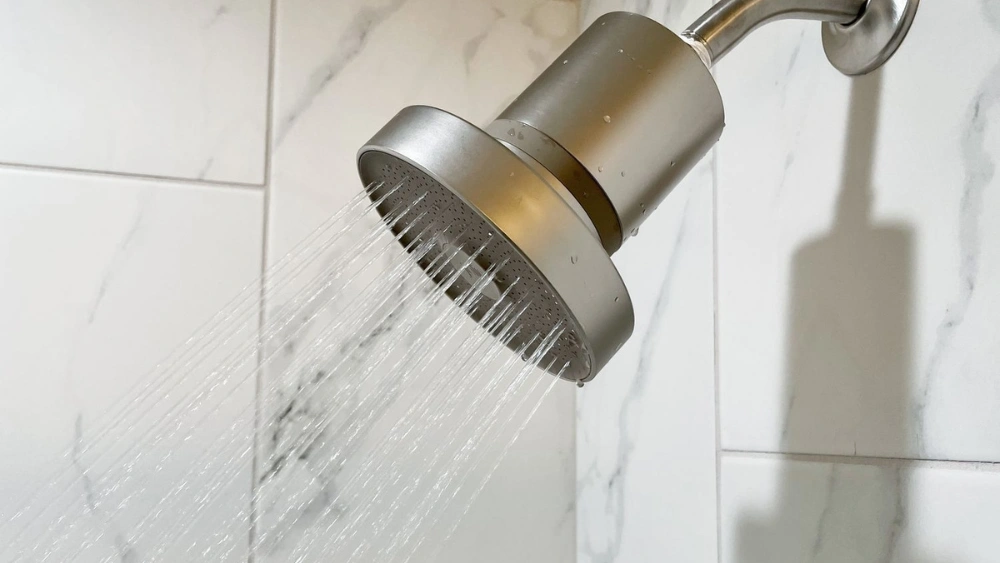
Is your shower head stuck and refusing to budge? You’re not alone, and it can be incredibly frustrating when something as simple as removing a shower head turns into a stubborn challenge.
But don’t worry—you don’t need to call a plumber just yet. In this guide, you’ll discover easy, step-by-step methods to get that stuck shower head off quickly and without damage. Keep reading, because by the end, you’ll have the confidence and tools to handle this common bathroom problem on your own.
Tools And Materials Needed
Removing a stuck shower head needs the right tools and materials. Having these items ready makes the task easier and faster. Some tools help loosen the shower head, while others protect your fixtures.
Gathering the right supplies ensures a smooth process without damage. Below is a list of essential tools and helpful materials you will need.
Essential Tools
- Adjustable wrench – for gripping and turning the shower head
- Channel lock pliers – to hold and twist hard-to-move parts
- Rubber strap wrench – protects the finish while loosening
- Flathead screwdriver – to remove any small screws or covers
- Old towel or rag – to prevent scratches when using pliers
Helpful Materials
- WD-40 or penetrating oil – to loosen rust and mineral buildup
- Vinegar – a natural cleaner to dissolve mineral deposits
- Plastic bag – to soak the shower head in vinegar
- Pipe tape (Teflon tape) – to seal threads when reinstalling
- Gloves – to protect your hands during the process

Credit: www.reddit.com
Prepping The Area
Before you dive into loosening that stuck shower head, getting the area ready is crucial. Proper preparation can save you from accidental damage and ensure your effort doesn’t turn into a bigger problem. Taking a few moments to set up will make the whole process smoother and less stressful.
Safety Precautions
Start by turning off the water supply to avoid any sudden sprays. It’s easy to forget this step and end up drenched or creating a slippery mess. Also, wear gloves to protect your hands from sharp edges or cleaning chemicals you might use.
Eye protection is often overlooked but important. Small debris or rust can fall when you start working on the shower head. Protecting your eyes prevents irritation or injury, especially if you need to apply force.
Protecting Surrounding Surfaces
Showers have delicate surfaces like tiles and glass that can scratch or chip if tools slip. Cover these areas with old towels or painter’s tape to create a soft barrier. This simple step can save you from costly repairs down the line.
Place a bowl or container underneath the shower head to catch any falling parts or debris. It keeps the area tidy and helps you keep track of small components. Have you ever lost a tiny washer only to waste time searching for it?
Loosening The Shower Head
Loosening a stuck shower head can be frustrating, especially when it seems frozen in place. The key is to gently break down whatever is holding it tight—usually mineral deposits or rust—without causing damage. Using the right techniques, you can save time and avoid costly replacements.
Applying Lubricants
Lubricants like WD-40 or penetrating oil are your best friends for loosening a stuck shower head. Spray the lubricant generously around the joint where the shower head connects to the pipe. Let it sit for 10 to 15 minutes to allow the oil to seep into the threads and dissolve buildup.
After the wait, try to twist the shower head by hand or with a wrench wrapped in a cloth to avoid scratching. If it still resists, apply more lubricant and wait a bit longer. Sometimes, patience with this step pays off more than brute force.
Using Heat Methods
Heat can expand metal parts slightly, helping to loosen stubborn connections. You can carefully use a hairdryer or heat gun on a low setting, directing warm air around the shower head joint for a few minutes. Avoid using an open flame, as it can damage plumbing components or cause injury.
Once the area is warm, try twisting the shower head again. The heat often softens mineral deposits or loosens rust, making it easier to remove. Have you ever noticed how metal expands when heated? That simple fact works in your favor here.
Credit: www.tiktok.com
Removing The Shower Head
Removing a stuck shower head can be tricky. It often feels stuck tight and hard to turn. Using the right approach makes the task easier and prevents damage to your plumbing. This section shares simple ways to loosen and remove the shower head safely.
Twisting Techniques
Start by trying to twist the shower head by hand. Turn it counterclockwise with steady pressure. Avoid jerking or forcing it fast. Use a cloth or rubber grip to improve your hold. This protects the finish and gives better control.
If it does not move, try applying heat. Warm the connection with a hairdryer for a few minutes. This helps loosen mineral deposits inside. Try twisting again after warming. Be cautious not to overheat or burn yourself.
Leveraging Tools
Use tools when hand twisting does not work. An adjustable wrench or pliers can give extra grip and force. Place a cloth between tool and shower head to prevent scratches. Slowly turn the tool counterclockwise. Apply steady pressure, not sudden force.
Penetrating oil can help with stubborn connections. Spray a small amount where the shower head meets the pipe. Let it sit for 10 to 15 minutes. This breaks down rust and mineral buildup. Then try twisting with your tool again.
Cleaning And Maintenance
Cleaning and maintenance play a big role in keeping a shower head easy to remove. Dirt, grime, and mineral deposits build up over time. These buildups cause the threads to stick and make removal hard. Regular care helps avoid this problem and extends the shower head’s life.
Cleaning Threads
Start by turning off the water supply. Use a soft brush or old toothbrush to clean the threads. Gently scrub away any dirt or mineral deposits. Soaking the threads in vinegar helps dissolve tough buildup. Rinse with warm water after soaking. Dry the threads well before reattaching the shower head. This simple cleaning keeps the threads smooth and prevents sticking.
Preventing Future Sticking
Apply a small amount of plumber’s grease or silicone lubricant on the threads. This creates a barrier against moisture and corrosion. Avoid using too much grease; a thin layer is enough. Regularly wipe the shower head and arm to remove soap scum. Check the connection every few months and clean if needed. These steps keep the threads in good shape and make future removal easier.

Credit: www.reddit.com
Reinstallation Tips
After successfully removing a stuck shower head, reinstalling it properly is crucial to avoid future problems. Taking a little extra care during reinstallation can save you from annoying leaks and the hassle of repeating the process. Here are some practical tips to help you get your shower head back in place securely and efficiently.
Ensuring A Tight Seal
Before attaching the shower head, wrap plumber’s tape around the threaded pipe. This tape fills small gaps and prevents water from seeping out. Don’t overdo it—two to three wraps are usually enough.
Hand-tighten the shower head first, then use a wrench to give it a final snug turn. Avoid overtightening, as this can damage the threads or crack the fixture. Have you ever tightened something too much only to cause a bigger problem? Being gentle yet firm is key here.
Testing For Leaks
Once installed, turn on your shower and watch closely for any drips or moisture around the connection. If you notice leaks, try tightening the shower head a bit more or add another layer of plumber’s tape.
Sometimes, leaks appear only under higher water pressure. So, test the shower at different settings to be sure. Catching leaks early helps you avoid water damage and wasted water.
Frequently Asked Questions
How Do I Loosen A Stuck Shower Head?
Apply penetrating oil to the joint and let it sit for 10 minutes. Use a wrench with a cloth to avoid damage. Turn counterclockwise gently until it loosens.
What Tools Are Needed To Remove A Stuck Shower Head?
You need a wrench, penetrating oil, cloth, and possibly pliers. These tools help protect the fixture and provide grip to loosen it safely.
Can Vinegar Help In Removing A Stuck Shower Head?
Yes, soaking the joint in vinegar softens mineral deposits. Wrap a vinegar-soaked cloth around the joint for 30 minutes before attempting removal.
How To Avoid Damaging The Shower Head During Removal?
Use a cloth to protect the finish when using a wrench. Avoid excessive force and turn slowly to prevent stripping threads or cracking.
Conclusion
Removing a stuck shower head is easier than it seems. Use common tools and a little patience. Applying lubricant helps loosen tight parts. Turn slowly to avoid damage or leaks. Clean the threads before reattaching the shower head. Regular maintenance prevents future problems.
A small effort saves time and money. You can fix this yourself without hiring help. Simple steps lead to better bathroom function. Try these tips next time your shower head sticks.