Is your kitchen faucet sprayer not working like it used to? Maybe it’s leaking, spraying unevenly, or not spraying at all.
This can be frustrating when you need it most, but the good news is you don’t have to call a plumber right away. You can fix your sprayer yourself with a few simple steps. In this guide, you’ll learn exactly how to get your kitchen faucet sprayer back in perfect shape.
Keep reading, and by the end, you’ll save time, money, and avoid unnecessary hassle.
Common Sprayer Issues
Kitchen faucet sprayers often face common issues that can disrupt their efficiency. Understanding these problems helps you address them quickly. This guide explores typical sprayer issues and offers straightforward solutions. Let’s dive into the most frequent problems you might encounter.
Leaks And Drips
Leaks and drips are common with kitchen sprayers. They waste water and can cause damage. Check the connections first. Loose fittings often lead to leaks. Ensure all parts are tightly screwed. Replace any worn-out washers. Inspect the hose for cracks. A damaged hose needs replacement. Consider using plumber’s tape for better sealing.
Low Water Pressure
Low water pressure can frustrate users. Blockages in the sprayer head are common culprits. Remove the sprayer head and inspect the aerator. Clean it to remove debris. Hard water can cause mineral buildup. Soak the sprayer parts in vinegar overnight. This dissolves minerals and restores pressure. Check the faucet valve for blockages. Clear any obstructions to improve flow.
Sprayer Not Working
Sometimes, the sprayer stops working completely. First, check the diverter valve. It switches water flow between the faucet and sprayer. A faulty diverter can block water. Replace it if needed. Ensure the sprayer hose is not kinked. Straighten any bends for smooth water flow. Inspect the sprayer head for clogs. Clean it thoroughly to restore function.
Credit: www.tiktok.com
Tools And Materials Needed
Fixing a sprayer on a kitchen faucet requires certain tools and materials. Having the right items ready makes the repair easier and faster. It also helps avoid damage to your faucet or sprayer parts. Gather everything before starting the job.
Basic Tools
- Screwdriver (Phillips and flathead) for removing screws
- Adjustable wrench to loosen or tighten nuts
- Pliers for gripping and twisting small parts
- Bucket or bowl to catch water spills
- Towel or rag to clean up drips
- Flashlight for better visibility under the sink
Replacement Parts
- New sprayer head if the old one is cracked or clogged
- Sprayer hose for leaks or cracks in the line
- O-rings or washers to fix leaks at connection points
- Thread seal tape to ensure tight, leak-free connections
- Sprayer valve assembly if the sprayer does not turn on or off
Turning Off Water Supply
Turning off the water supply is the first and most crucial step before fixing the sprayer on your kitchen faucet. If you skip this, you risk making a bigger mess or causing water damage. It’s simple, but you need to be sure you completely stop the water flow to avoid surprises.
Locate The Shut-off Valves
Look under your kitchen sink for two small valves—one for hot water and one for cold. These are usually close to the pipes leading to the faucet. If you don’t see them, you might need to turn off the main water supply for your house.
Turn The Valves Clockwise
Use your hand or a wrench to turn each valve clockwise until it stops. This closes the water flow to the faucet. Don’t force it if it feels stuck; gentle but firm turning usually works.
Test The Water Flow
After closing the valves, turn on your kitchen faucet to check if the water has stopped. If water still flows, the valves might not be fully closed or there could be an issue with the shut-off mechanism. This step ensures you won’t get wet while fixing the sprayer.
Know When To Shut Off The Main Water Supply
If there are no valves under your sink or they don’t work, find your home’s main water shut-off valve. It’s often near the water meter or where the water line enters your house. Turning off this valve stops water for the entire house, so plan accordingly.
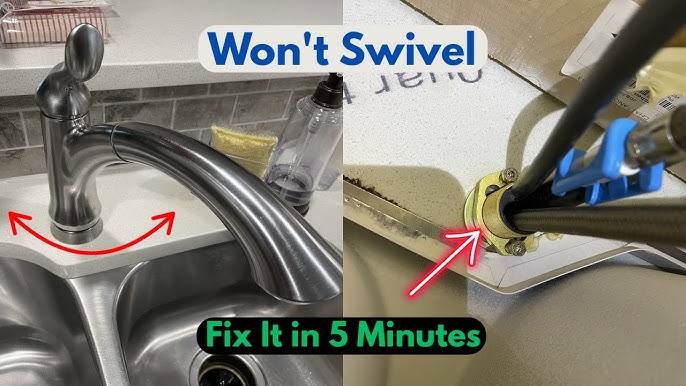
Credit: www.youtube.com
Detaching The Sprayer Hose
Detaching the sprayer hose is a key step in fixing a kitchen faucet sprayer. This process allows you to access the hose for cleaning, repairing, or replacement. Understanding how to safely and correctly remove the hose prevents damage to your faucet.
Start by locating the sprayer hose connection under the sink. The hose usually connects to the faucet or the water supply line. You may need to clear the area for easy access.
Turn Off The Water Supply
Before detaching the hose, shut off the water supply valves below the sink. This stops water flow and avoids leaks during the process.
Disconnect The Hose From The Sprayer Head
Unscrew the hose from the sprayer head by turning it counterclockwise. Use your hand or a wrench if it is tight. Be gentle to avoid breaking the plastic parts.
Disconnect The Hose From The Faucet
Find where the hose attaches to the faucet or water supply. Use pliers or a wrench to loosen the connection. Keep a towel ready to catch any water left in the hose.
Remove The Hose From The Sink Area
Pull the hose carefully through the hole in the sink. Avoid sharp bends or kinks that could damage the hose. Lay the hose flat for inspection or replacement.
Cleaning The Sprayer Head
Cleaning the sprayer head keeps water flowing smoothly. Dirt and minerals can block water flow and reduce pressure. Regular cleaning helps your kitchen faucet sprayer work like new. Use simple tools and common household items for this task.
Removing Mineral Buildup
Mineral deposits form from hard water. These deposits clog tiny holes in the sprayer head. Soak the sprayer head in white vinegar for 30 minutes. Vinegar dissolves minerals gently without damage.
After soaking, use a soft brush to scrub the sprayer head. Focus on areas with visible buildup. Rinse with warm water to remove loosened minerals. Repeat if necessary for heavy buildup.
Checking For Clogs
Clogs block water flow and reduce sprayer pressure. Check the sprayer head holes for debris or dirt. Use a toothpick or needle to clear out small clogs carefully.
Rinse the sprayer head under running water after clearing clogs. Test the sprayer by turning on the water. Ensure water flows evenly through all holes. Clean again if flow is uneven or weak.
Inspecting The Hose For Damage
Checking the hose for damage is important before fixing a kitchen faucet sprayer. The hose carries water from the faucet to the sprayer head. Any cracks or holes can cause leaks or reduce water flow. Careful inspection helps find problems early. This step can save time and prevent bigger issues later.
Identifying Cracks Or Holes
Look closely at the hose for any visible cracks or holes. Pay attention to areas that bend or twist often. These spots are more likely to wear out. Use a flashlight if needed to see small damages. Run your fingers along the hose to feel for weak spots or rough textures. Water leaks or sprays often come from these damaged areas.
Replacing The Hose
Remove the old hose by disconnecting it from the faucet and sprayer head. Take the hose to a hardware store to find the exact replacement. Choose a hose that matches the length and diameter of the original. Attach the new hose securely to both ends. Test the sprayer to make sure the water flows correctly and no leaks appear.
Fixing The Trigger Mechanism
The trigger mechanism on your kitchen faucet sprayer controls the water flow, so if it’s not working properly, your sprayer won’t function as expected. Fixing this part can feel tricky, but with a little patience and the right approach, you can get it working smoothly again. Understanding how to test and adjust or replace the trigger can save you a call to the plumber.
Testing The Trigger
First, check if the trigger is physically stuck or if it moves freely. Press and release the trigger several times to see if it clicks or feels loose.
Look closely for any debris or buildup around the trigger that could block its movement. Sometimes mineral deposits or food particles cause the trigger to jam.
If the trigger moves but water doesn’t flow, the problem might be inside the hose or valve rather than the trigger itself. Could a simple cleaning solve this? Try rinsing the sprayer head and hose with vinegar to remove buildup.
Adjusting Or Replacing
If the trigger feels loose or doesn’t return to its resting position, you might need to tighten or replace the spring inside. This small part provides the tension that snaps the trigger back.
To adjust, remove the sprayer handle by unscrewing the collar or clip. Inspect the spring and trigger mechanism for damage or wear.
If the spring is broken or the trigger is cracked, replacing the entire sprayer head might be the fastest fix. Replacement parts are usually affordable and easy to install.
Have you ever thought about how a tiny spring can control the entire water flow? It’s a reminder that small parts can have big impacts in your kitchen setup.
Reassembling The Sprayer
Reassembling the sprayer is the last step to fix your kitchen faucet. It restores the sprayer’s function and prevents leaks. Careful reassembly helps avoid damage and ensures smooth water flow.
Follow each step with patience. Keep parts organized and clean before putting them back. Check for worn or broken pieces and replace if needed.
Aligning The Sprayer Components
Start by placing the sprayer head onto the hose. Make sure the nozzle fits snugly. The trigger should move freely without sticking.
Check the rubber washer inside the sprayer. It creates a tight seal. If damaged, replace it to stop leaks.
Securing The Hose Connection
Insert the hose into the faucet base carefully. Twist the hose connector clockwise until tight. Avoid over-tightening to prevent cracks.
Use a wrench if needed, but apply gentle force. Confirm the hose is firmly attached and won’t pull out easily.
Testing The Sprayer Functionality
Turn on the water supply slowly. Press the sprayer trigger to check water flow. Look for leaks around connections.
If water sprays unevenly or leaks appear, tighten connections again. Repeat testing until the sprayer works smoothly.
Testing The Repair
After you’ve reassembled your kitchen faucet sprayer, it’s crucial to test the repair thoroughly. This step confirms whether your fix worked and helps catch any issues before you fully rely on the sprayer again. Taking a few extra minutes here can save you from future leaks or poor water flow problems.
Checking For Leaks
Turn the water supply back on slowly and watch closely around the sprayer hose connections and faucet base. Even a small drip can signal a loose fitting or a damaged seal. If you spot any leaks, tighten the connections gently or replace worn-out washers right away.
Don’t forget to check under the sink too. Sometimes leaks show up in hidden places where the hose connects to the water lines. Keep a dry towel handy to spot damp spots quickly.
Ensuring Proper Water Flow
Hold the sprayer and press the trigger to test the water pressure and spray pattern. Is the flow steady and strong, or is it weak and sputtering? A weak spray might mean there’s still debris clogging the nozzle or the hose isn’t installed correctly.
Try moving the hose around while spraying to see if the flow changes. Any sudden drops in pressure could mean a kinked hose or a blockage. Fixing these issues now will keep your sprayer working smoothly for years.

Credit: www.youtube.com
Preventing Future Problems
Preventing future problems with your kitchen faucet sprayer keeps your sink working smoothly. Simple care habits extend the sprayer’s life. Small actions save time and money on repairs later.
Regular Maintenance Tips
- Clean the sprayer head every month to remove mineral buildup.
- Check the hose for cracks or leaks and replace if needed.
- Test the sprayer’s flow to spot clogs early.
- Tighten loose connections to avoid water leaks.
- Wipe the faucet and sprayer with a soft cloth to prevent dirt.
Using Water Softeners
Hard water causes mineral deposits that block sprayer parts. Installing a water softener reduces these minerals. Soft water protects the faucet and makes cleaning easier.
Water softeners lower scale buildup inside pipes and sprayer hoses. This means fewer clogs and longer faucet life. It also improves water flow and spray strength.
Frequently Asked Questions
How Do I Fix A Leaking Kitchen Faucet Sprayer?
First, check the hose for cracks or holes. Tighten connections or replace the hose if damaged. Clean or replace the sprayer head if clogged.
Why Is My Kitchen Sprayer Not Spraying Water?
The sprayer hose might be kinked or clogged. Detach and clean it. Also, check the diverter valve for blockages and replace if faulty.
How Can I Remove Low Water Pressure In Sprayer?
Clean the sprayer head to remove debris buildup. Check for hose kinks. Ensure the diverter valve is fully open and functioning properly.
What Tools Are Needed To Fix A Kitchen Faucet Sprayer?
You will need a wrench, screwdriver, pliers, and possibly plumber’s tape. These help tighten connections, remove parts, and seal fittings effectively.
Conclusion
Fixing a kitchen faucet sprayer can save time and money. Start by checking for clogs or leaks. Tighten loose parts carefully. Clean the sprayer head to improve water flow. Replace damaged hoses if needed. Testing the sprayer after each step helps find the problem.
Small fixes often restore full function quickly. Taking simple actions avoids costly repairs. Keep tools handy for future issues. A working sprayer makes kitchen tasks easier and faster. Try these steps to enjoy a smooth-running faucet again.