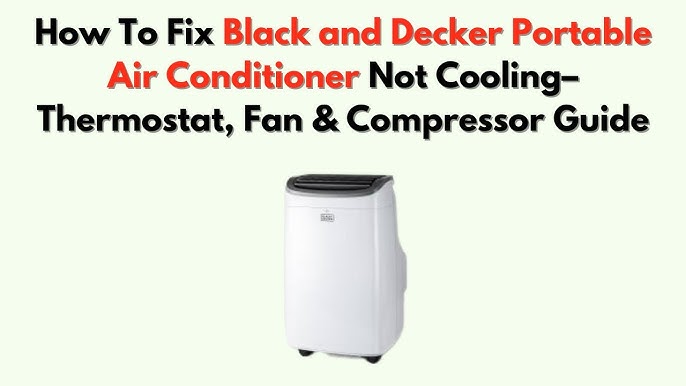
Is your portable air conditioner blowing warm air when you expect a cool breeze? It’s frustrating when your device won’t cool your space, especially on a hot day.
But before you think about buying a new unit or calling for expensive repairs, there are simple fixes you can try yourself. You’ll discover easy steps to get your portable air conditioner working efficiently again. Keep reading—your comfort is just a few solutions away.
Common Causes Of Cooling Issues
Clogged filters and dirty coils often cause poor cooling in portable air conditioners. Low refrigerant levels or blocked vents can also reduce cooling performance. Checking these parts can help identify the problem quickly.
Portable air conditioners can be a lifesaver during hot weather. But sometimes, they stop cooling effectively. Understanding the common causes can help fix the problem. Here are some usual reasons why your portable air conditioner might not cool your space.Clogged Air Filters
Air filters trap dust and debris. Over time, they get clogged. A clogged filter blocks airflow. This reduces cooling efficiency. Clean or replace the filter regularly. This ensures smooth airflow and optimal cooling.Improper Ventilation
Proper ventilation is crucial for portable air conditioners. The exhaust hose must vent hot air outside. If not, the hot air stays inside. This leads to poor cooling performance. Ensure the hose is securely attached and leads outside. This helps maintain a cool environment.Low Refrigerant Levels
Refrigerant is essential for cooling. Low levels affect the air conditioner’s ability to cool. If the refrigerant is low, the unit won’t cool properly. Contact a professional to check and refill refrigerant levels. This can restore the cooling function.Faulty Thermostat
The thermostat controls the temperature settings. A faulty thermostat can lead to improper cooling. If the thermostat is not working, the unit may not reach the desired temperature. Replace or repair the thermostat for accurate temperature control.Dirty Condenser Coils
Condenser coils release heat. Dirt and grime build-up on the coils reduce their efficiency. When coils are dirty, the unit struggles to cool. Clean the coils regularly to ensure efficient heat release. This helps in maintaining effective cooling.
Credit: www.youtube.com
Basic Troubleshooting Steps
Basic troubleshooting helps identify common issues with your portable air conditioner. Simple checks often fix cooling problems fast. Follow these steps to get your unit working well again.
Check Power Supply
Make sure the air conditioner is plugged in securely. Check the power outlet by testing another device. Verify the circuit breaker is not tripped or fuse is blown. Without proper power, the unit won’t run or cool.
Inspect Air Filters
Dirty filters block airflow and reduce cooling. Remove the filters and clean them gently with water. Let the filters dry completely before reinstalling. Clean filters improve air circulation and cooling efficiency.
Ensure Proper Vent Placement
Place the exhaust vent hose correctly to the outside window. Avoid sharp bends or kinks in the hose. Keep the vent clear of obstructions for smooth airflow. Proper venting removes hot air and cools your room better.
Reset The Unit
Turn off the air conditioner and unplug it from the power source. Wait for about five minutes to let it reset internally. Plug it back in and turn it on. Resetting can clear minor electronic glitches and restore normal function.
Cleaning And Maintenance Tips
Keeping your portable air conditioner clean and well-maintained is essential for it to cool effectively. Dirt and dust buildup can block airflow and reduce the unit’s efficiency. Regular cleaning not only improves cooling but also extends the lifespan of your device.
How To Clean Air Filters
Dirty air filters restrict airflow and make your portable air conditioner work harder. Remove the filters and gently vacuum off dust and debris. If the filter is washable, rinse it with lukewarm water and let it dry completely before reinstalling.
Check the filter every two weeks during heavy use. Clean filters help the unit cool your space faster and keep the air fresh. Have you noticed your AC blowing warm air after skipping filter cleaning?
Cleaning Condenser Coils
The condenser coils release heat from your air conditioner. Dust and grime can build up on these coils and reduce cooling performance. Use a soft brush or cloth to carefully clean the coils without bending the fins.
If you see stubborn dirt, a coil cleaner spray designed for air conditioners can help. Cleaning coils improves heat exchange and lowers energy consumption. When was the last time you checked your unit’s coils?
Removing Dust From Vents
Blocked vents limit airflow and cause uneven cooling. Use a vacuum with a brush attachment to remove dust from the vents and louvers. You can also wipe them down with a damp cloth to get rid of sticky residues.
Make sure nothing is obstructing the outlet vents, like curtains or furniture. Clear vents allow cold air to flow freely into the room, making your AC more effective. Could a simple dust buildup be the reason your room isn’t cooling properly?

Credit: www.youtube.com
Adjusting Settings For Optimal Cooling
Adjusting the settings on your portable air conditioner can make a significant difference in how effectively it cools your space. Even if the unit is functioning well, incorrect settings can cause it to feel less powerful. Paying close attention to temperature, fan speed, and mode options can help you get the most from your device.
Setting The Right Temperature
Choosing the correct temperature setting is crucial. Setting it too high defeats the purpose, while setting it too low can overwork your unit and increase energy bills.
Try setting your portable air conditioner to around 75°F (24°C) for comfortable cooling without excessive energy use. If it feels too cold or warm, adjust in small increments until you find the sweet spot for your room.
Have you noticed your AC running constantly but the room never feels cool? It might be time to tweak the temperature setting before assuming your unit is faulty.
Selecting Correct Fan Speed
Fan speed controls how quickly air circulates in your room. High speed cools faster but can be noisy and use more power.
Use a medium or low fan speed for consistent cooling and quieter operation, especially at night. You can switch to high speed during hot afternoons for quick relief.
Experiment with fan speeds and notice how it affects both cooling and noise levels. This simple adjustment can improve comfort without changing the temperature setting.
Using Timer And Mode Options
Most portable air conditioners come with timer settings and different modes like cooling, fan-only, or dehumidifying. Using these options wisely can optimize performance.
Set the timer to turn off the unit after you fall asleep or leave the room to save energy. Use “dehumidify” mode on humid days to reduce moisture without overcooling.
Have you tried switching modes based on weather or time of day? This flexibility can keep your space comfortable and your energy bills in check.
When To Call A Professional
Sometimes, fixing your portable air conditioner on your own isn’t enough. Certain problems require the expertise of a professional to avoid further damage or safety risks. Knowing when to call a pro can save you time, money, and frustration.
Signs Of Refrigerant Leaks
If your air conditioner is running but not cooling properly, a refrigerant leak might be the cause. Look for oily residue around the unit or hissing sounds that could indicate gas escaping.
Refrigerant is a controlled substance and handling it yourself is not only illegal in many places but also dangerous. A professional technician has the tools to locate leaks and safely refill or repair the refrigerant system.
Electrical Problems
Flickering lights, tripped breakers, or the unit failing to start can point to electrical issues. These problems can be complex and pose fire hazards if not handled correctly.
Unless you have electrical training, it’s best to have a licensed electrician or HVAC technician diagnose and fix these issues. They can test wiring, switches, and circuit boards safely and effectively.
Compressor Issues
The compressor is the heart of your portable air conditioner, and when it fails, cooling stops entirely. Signs include strange noises, the unit shutting off suddenly, or no cold air despite the fan running.
Repairing or replacing a compressor is complicated and costly. A professional can assess whether repair or replacement makes more sense and ensure the job is done without risking further damage.
Preventive Tips To Avoid Cooling Problems
Keeping your portable air conditioner running smoothly and cooling effectively requires more than just occasional fixes. Preventive care plays a vital role in avoiding common cooling issues. Simple daily habits and regular attention to your unit can save you from unexpected discomfort and costly repairs.
Regular Cleaning Schedule
Dust and dirt buildup can block airflow and reduce cooling power. Clean the air filters every two weeks to keep the air fresh and the unit efficient. Don’t forget to wipe down the exterior vents and check for any debris around the intake and exhaust areas.
Have you noticed your AC working harder without cooling much? It might be time to clean the evaporator and condenser coils. These parts often get dirty, and neglecting them can cause the unit to overheat and lose effectiveness.
Proper Unit Placement
Where you place your portable air conditioner matters a lot. Keep it away from direct sunlight or heat sources like ovens or lamps. Placing it in a shaded, well-ventilated spot helps maintain optimal performance and prevents unnecessary strain.
Ensure the exhaust hose is straight and free of kinks. A twisted or bent hose can trap hot air inside, stopping your unit from cooling properly. Think about the airflow path—does your setup allow the hot air to escape efficiently?
Avoiding Overuse
Running your portable air conditioner non-stop can wear it down quickly. Give it breaks during cooler parts of the day to rest and recover. Overuse not only shortens the unit’s lifespan but can also cause freezing or overheating issues.
Have you tried using a fan alongside your AC? This can help circulate cool air more effectively and reduce the load on your unit. Small changes like this can keep your portable air conditioner cooling better for longer.

Credit: www.youtube.com
Frequently Asked Questions
Why Is My Portable Air Conditioner Not Cooling?
Your portable air conditioner might not cool due to a dirty filter, low refrigerant, or blocked exhaust. Check and clean filters regularly. Ensure the exhaust hose is properly connected and free of obstructions. If problems persist, call a professional technician for a refrigerant check.
How To Clean Portable Ac Filters For Better Cooling?
Turn off and unplug your AC. Remove the filter and rinse it with warm water. Use mild detergent if needed. Let it dry completely before reinstalling. Clean filters improve airflow, helping your unit cool efficiently and extend its lifespan.
Can A Blocked Exhaust Hose Cause Cooling Issues?
Yes, a blocked or kinked exhaust hose restricts hot air expulsion. This causes poor cooling performance and overheating. Always ensure the hose is straight, clear, and properly vented outside for optimal cooling.
How Often Should I Service My Portable Air Conditioner?
Service your portable AC at least once a year. Regular maintenance includes cleaning filters, checking refrigerant levels, and inspecting hoses. Timely servicing ensures efficient cooling, prevents breakdowns, and prolongs the unit’s life.
Conclusion
Fixing a portable air conditioner not cooling is easier than it seems. Check the filter and clean it often. Make sure the exhaust hose is not blocked. Keep doors and windows closed while running the unit. Regular care helps your air conditioner work better and last longer.
Small steps bring cool air back quickly. Stay comfortable even on hot days with a working AC. Simple fixes save money and reduce stress. Keep your space cool and enjoy a fresh breeze indoors.