Is your Moen kitchen faucet leaking, dripping, or just not working like it used to? Fixing it yourself can save you time and money, and you don’t need to be a plumbing expert to get it done.
In this guide, you’ll find clear, simple steps to troubleshoot and repair your faucet quickly. By the end, you’ll feel confident handling common problems and enjoy a faucet that works like new. Ready to stop the drip and take control?
Let’s get started!
Common Issues With Moen Kitchen Faucets
Moen kitchen faucets are known for their durability and sleek design, but like any fixture, they can face issues over time. Understanding the common problems helps you identify what’s wrong quickly and decide if you can fix it yourself. Let’s look at some frequent troubles Moen faucets encounter and how to spot them early.
Leaking Faucet Spout
A leaking spout is one of the most annoying issues. You might notice water dripping even when the faucet is off. This usually happens because the cartridge inside wears out or the O-rings get damaged.
Have you ever left your faucet running just a little and wondered why your water bill spiked? A small drip can waste gallons over time. Checking the cartridge or replacing worn parts can save you money and hassle.
Low Water Pressure
If your faucet’s water flow suddenly drops, it can be frustrating. Low water pressure often results from clogged aerators or build-up inside the cartridge. Sediment and mineral deposits block the flow and reduce performance.
You can unscrew the aerator and clean it with vinegar to dissolve deposits. This simple step often restores strong water flow without needing a full replacement.
Handle Difficulties
Stiff or loose handles make using your faucet a struggle. This problem might come from worn-out internal parts or loose mounting hardware. It can also be caused by mineral build-up around the handle base.
Have you ever had to use extra force to turn your faucet on or off? Tightening screws or lubricating the parts can bring back smooth operation quickly.
Sprayer Hose Problems
The pull-out sprayer is convenient, but the hose can get stuck or leak over time. Kinks in the hose or damage to the seals are common culprits. You might notice water spraying where it shouldn’t or difficulty pulling the hose out.
Checking the hose for twists and replacing worn seals often fixes the issue. It’s worth inspecting this regularly to keep your sprayer working perfectly.
Tools Needed For Repair
Fixing a Moen kitchen faucet can be straightforward if you have the right tools ready. Having everything at hand saves time and avoids frustration during the repair. Let’s look at the essential tools that will help you get the job done efficiently.
Basic Hand Tools
Start with a set of basic hand tools. You’ll need an adjustable wrench to loosen and tighten nuts and bolts without damaging them.
A Phillips and flat-head screwdriver are also important for removing screws on the faucet handle and other parts. These simple tools often solve many common issues.
Allen Wrenches (hex Keys)
Moen faucets usually have set screws hidden under the handle that require Allen wrenches. These small L-shaped tools come in different sizes, so having a full set ensures you won’t get stuck.
Without the right size Allen wrench, you might strip the screw or damage the faucet. Keep them close when you start disassembly.
Plumber’s Grease And Replacement Parts
Though not a tool, plumber’s grease is crucial for smooth reassembly and preventing leaks. Applying it on O-rings and seals makes a big difference in faucet performance.
Also, have replacement parts ready, such as O-rings, cartridges, or washers. Knowing exactly which parts your faucet needs before you begin can save you a second trip to the hardware store.
Towels And A Bucket
Water spills are inevitable when working on your kitchen faucet. Place towels underneath to catch drips and a bucket to collect any water that drains from pipes.
This simple step keeps your workspace clean and prevents slips or water damage to your cabinets.
How Do You Know If You Have The Right Tools?
Before you start, take a moment to inspect your faucet closely. Does it have set screws, or are parts held by clips? Are the nuts standard or unusual sizes?
Having the right tools tailored to your faucet model saves time and frustration. What challenges have you faced when you didn’t prepare enough tools? Your experience can guide how you approach this repair.
Turning Off Water Supply
Turning off the water supply is the very first and most crucial step before fixing your Moen kitchen faucet. If you skip this, you could end up with water spraying everywhere, creating a bigger mess than the original problem. Knowing exactly how to shut off the water can save you time, frustration, and potential damage.
Locate The Shut-off Valves Under The Sink
Most Moen kitchen faucets have dedicated shut-off valves right beneath the sink. These are small handles or levers connected to the pipes leading to the faucet. Look for two valves: one for hot water and one for cold water.
If you haven’t checked these valves before, you might be surprised at how easy it is to turn them off. Sometimes they’re stiff or stuck, so don’t force them—try gently wiggling the handle or use a cloth for better grip.
Turn The Valves Clockwise To Stop Water Flow
Once you’ve found the valves, turn them clockwise to close. This movement shuts off the water supply to your faucet. You’ll usually feel resistance as the valve tightens.
Keep in mind that turning the valve too hard can damage it. If the valve won’t budge, you may need to use a wrench carefully or call a professional.
Test The Faucet To Confirm Water Is Off
After closing the valves, turn on your faucet to check if the water has stopped. If water still flows, the valves may not be fully closed or could be faulty.
Don’t ignore this test. It’s better to find out now than while you’re in the middle of repairs. If water continues to run, consider shutting off your home’s main water supply before proceeding.

Credit: www.reddit.com
Removing Faucet Handle
Removing the faucet handle is often the first hurdle when fixing your Moen kitchen faucet. It might look simple, but a stuck or hidden screw can make the task tricky. Getting this step right saves you time and prevents damage to your faucet.
Locate The Set Screw
Start by inspecting the base or side of the handle for a small hole or indentation. This is usually where the set screw is hidden. It might be covered by a decorative cap, so gently pry it off with a flathead screwdriver or a knife.
Use an Allen wrench or screwdriver that fits the screw snugly. You don’t want to strip it. If you find the screw but it’s stuck, try applying a bit of penetrating oil and wait a few minutes before turning.
Remove The Handle Carefully
Once the set screw is loose, try to pull the handle straight up. Some handles slide off, while others might need a little wiggle. If it resists, avoid forcing it; instead, use a handle puller tool to prevent damage.
Keep a cloth handy to protect the faucet finish while prying. Think about how you remove it, so reassembly will be easier. Have you noticed any signs of wear or corrosion during this step? That can be a clue to other issues.
Deal With Stubborn Handles
Handles sometimes seize up due to mineral buildup or corrosion. Try soaking a cloth in vinegar and wrapping it around the base for 15 minutes. This can loosen the minerals without harsh chemicals.
Apply gentle taps with a rubber mallet to nudge the handle free. Avoid metal tools that might scratch or dent your faucet. If all else fails, don’t hesitate to seek a replacement handle or professional advice.
Checking And Replacing O-rings
O-rings are small rubber rings that stop leaks in your Moen kitchen faucet. They wear out over time and cause dripping or water leaks. Checking and replacing these parts can fix many faucet problems quickly.
O-rings sit around the faucet’s moving parts. They keep water sealed inside and stop it from escaping. When these rings crack or break, water leaks through the gaps. Fixing this is easy and saves you from costly repairs.
Identifying Worn Or Damaged O-rings
Look for water dripping near the faucet base or handle. This often means the O-rings need replacement. Remove the handle and inspect the rings for cracks or flattening. Any damage means the rings must be swapped out.
Tools And Materials Needed
- Replacement O-rings (specific for Moen faucets)
- Allen wrench or screwdriver
- Plumber’s grease
- Clean cloth
- Needle-nose pliers (optional)
Removing And Replacing O-rings
Turn off the water supply before starting. Remove the faucet handle using the correct tool. Carefully pull out the old O-rings. Clean the area with a cloth to remove dirt and debris.
Apply a small amount of plumber’s grease to new O-rings. Slide the new rings onto the faucet parts where the old ones were. Reassemble the handle and tighten screws firmly but not too tight.
Testing For Leaks After Replacement
Turn the water supply back on slowly. Watch the faucet base and handle for any drips. Operate the faucet to check smooth movement and no leaks. Repeat the process if leaks continue or call a professional.

Credit: www.ebay.com
Cleaning And Replacing Cartridges
The cartridge is the heart of a Moen kitchen faucet. It controls water flow and temperature. Over time, cartridges get clogged or worn out. Cleaning or replacing them restores smooth operation. This section guides you through these tasks with simple steps.
Identifying The Cartridge Type
Moen faucets have different cartridge models. Knowing the exact type helps find the right replacement. Check the faucet manual or look inside the faucet body. Take note of the cartridge shape and size. This avoids buying the wrong part.
Removing The Faucet Handle
Start by turning off the water supply. Remove the decorative cap on the handle. Use a screwdriver or Allen wrench to loosen the handle screw. Gently pull the handle away from the faucet body. This reveals the cartridge for access.
Cleaning The Cartridge
Remove the cartridge carefully from the faucet. Soak it in a bowl with white vinegar. Let it sit for about 30 minutes to dissolve mineral buildup. Use a soft brush to scrub away any debris. Rinse thoroughly with clean water before reinstalling.
Replacing The Cartridge
Purchase a new cartridge that matches your faucet model. Insert the new cartridge into the faucet body, aligning it properly. Secure it with the retaining clip or nut. Reattach the handle and tighten the screw. Turn on the water supply and check for leaks.
Reassembling The Faucet
Reassembling your Moen kitchen faucet after a repair might seem tricky, but it’s where everything comes back to life. Taking your time and paying close attention to each part ensures your faucet works smoothly again. Let’s break down the process into clear steps that anyone can follow.
Aligning The Cartridge Correctly
The cartridge controls water flow and temperature, so placing it right is crucial. Make sure the tabs on the cartridge match the grooves inside the faucet body. If it’s even slightly off, the faucet won’t function properly or may leak.
I once skipped checking this alignment and ended up with water spraying everywhere—don’t repeat that mistake! Take a moment to double-check before moving on.
Securing The Retaining Clip And Nut
After inserting the cartridge, secure it with the retaining clip or nut. This holds the cartridge firmly in place. Use pliers or your hand to tighten it snugly but don’t overtighten, which can damage the parts.
Have you noticed how a loose clip can cause a faucet to drip? Fixing that tightness often stops leaks instantly.
Reattaching The Handle And Decorative Parts
Once the cartridge is secure, slide the handle back onto the faucet stem. You may need to tighten a set screw to keep the handle steady. Next, snap or screw any decorative caps or covers back in place.
Don’t rush here—these finishing touches not only improve appearance but also protect internal parts from dirt and damage.
Testing For Proper Operation
Before finishing, turn the water supply back on and test your faucet. Check for smooth handle movement and watch for leaks around the base. If anything feels off, don’t hesitate to disassemble and inspect again.
Would you rather fix a small issue now or face a bigger problem later? This quick test saves time and headaches.
Testing For Leaks
Testing for leaks is a crucial step after fixing your Moen kitchen faucet. It ensures your repair holds and prevents water damage. This process helps spot hidden leaks that can waste water and cause stains. Careful inspection saves money and effort in the long run.
Prepare The Faucet For Testing
Turn the water supply back on slowly. Open the faucet handles to let water flow. Check that all parts are properly tightened. Use a dry cloth around the faucet base and connections. This helps see any drops forming clearly.
Check Under The Sink
Look under the sink where the pipes connect to the faucet. Use a flashlight for better visibility. Watch for drips on the pipes or the cabinet floor. Touch connections gently to find wet spots. Small leaks often start here.
Inspect Around The Spout And Handles
Run water from hot and cold sides separately. Observe the area where the spout joins the base. Look closely at the handles and the faucet body. Water should not escape from any seam or joint. Wipe away water to confirm new leaks.
Use Paper Towels To Detect Moisture
Place dry paper towels around faucet connections. Let water run for a few minutes. Check towels for dampness or water stains. This method highlights slow leaks not visible to the eye. Replace towels and retest if unsure.
Listen For Drips And Water Sounds
Turn off the faucet and listen carefully. Dripping sounds indicate a leak inside or under the sink. Water noises can guide you to the exact problem spot. Quiet environments help detect small leaks faster.
Maintaining Your Moen Faucet
Maintaining your Moen kitchen faucet is key to keeping it working smoothly and looking great. Regular care can prevent leaks, drips, and other common issues that disrupt your kitchen routine. By understanding simple upkeep tasks, you can extend the life of your faucet and avoid costly repairs.
Cleaning The Aerator To Improve Water Flow
Over time, mineral deposits can clog the aerator, reducing water pressure and causing uneven flow. Unscrew the aerator from the faucet tip and soak it in vinegar for about 30 minutes to dissolve buildup.
Rinse it thoroughly before reattaching. You’ll notice an immediate improvement in water flow, which saves you frustration during daily use.
Checking And Tightening Loose Parts
Have you ever noticed your faucet handle wobbling or the spout moving unexpectedly? Loose parts can cause leaks and wear out internal components faster.
Use a wrench or screwdriver to gently tighten any loose screws or nuts around the base and handle. Make small adjustments and test the faucet function after each to avoid overtightening.
Replacing Worn-out Seals And O-rings
Seals and O-rings prevent water from leaking around the faucet’s joints. When these wear out, dripping becomes a common problem. You can find replacement parts easily from Moen or hardware stores.
Carefully disassemble the faucet according to the model’s instructions, swap the old seals with new ones, and reassemble. This fix often restores your faucet to like-new condition.
Lubricating Moving Parts For Smooth Operation
Does your faucet handle feel stiff or squeaky? Applying a plumber’s silicone grease to moving parts can make a big difference. Avoid using petroleum-based lubricants as they can damage rubber components.
Regular lubrication keeps the handle turning smoothly and prevents wear that leads to leaks. It’s a small step that saves you hassle in the long run.
Inspecting Water Supply Lines Regularly
Water supply lines can develop cracks or leaks, which might go unnoticed until they cause water damage. Check under your sink for any signs of moisture or corrosion.
Replace any damaged lines promptly with quality braided stainless steel hoses to ensure durability. This routine check protects your kitchen and your investment in your faucet.
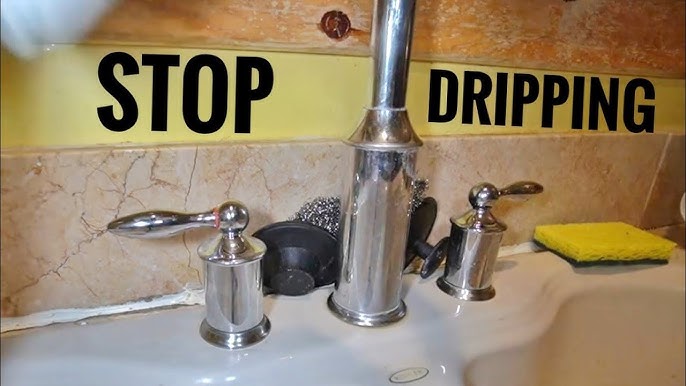
Credit: www.youtube.com
Frequently Asked Questions
How Do I Fix A Leaking Moen Kitchen Faucet?
To fix a leaking Moen faucet, first turn off the water supply. Then, disassemble the handle and replace worn-out O-rings or cartridges. Clean all parts and reassemble. This usually stops leaks and restores proper function.
Why Is My Moen Kitchen Faucet Dripping?
A dripping Moen faucet often means worn-out cartridges or seals. Replacing these parts stops the drip. Regular maintenance helps prevent leaks and keeps your faucet working smoothly.
How Can I Stop A Moen Faucet From Squeaking?
Squeaking noises come from worn or dry parts. Apply plumber’s grease to the cartridge and O-rings. Tighten any loose screws. This lubrication reduces friction and eliminates squeaks.
What Tools Do I Need To Fix A Moen Kitchen Faucet?
Common tools include an adjustable wrench, Allen keys, screwdrivers, and plumber’s grease. Having these handy makes faucet repair easier and faster. Always check your faucet model for specific tools.
Conclusion
Fixing a Moen kitchen faucet can save time and money. Small problems often have simple solutions. Follow each step carefully for best results. Keep basic tools ready before starting the repair. Take your time and stay patient throughout the process.
You will feel proud after completing the fix yourself. Regular maintenance helps avoid future faucet issues. Trust your skills and enjoy a working kitchen faucet again.