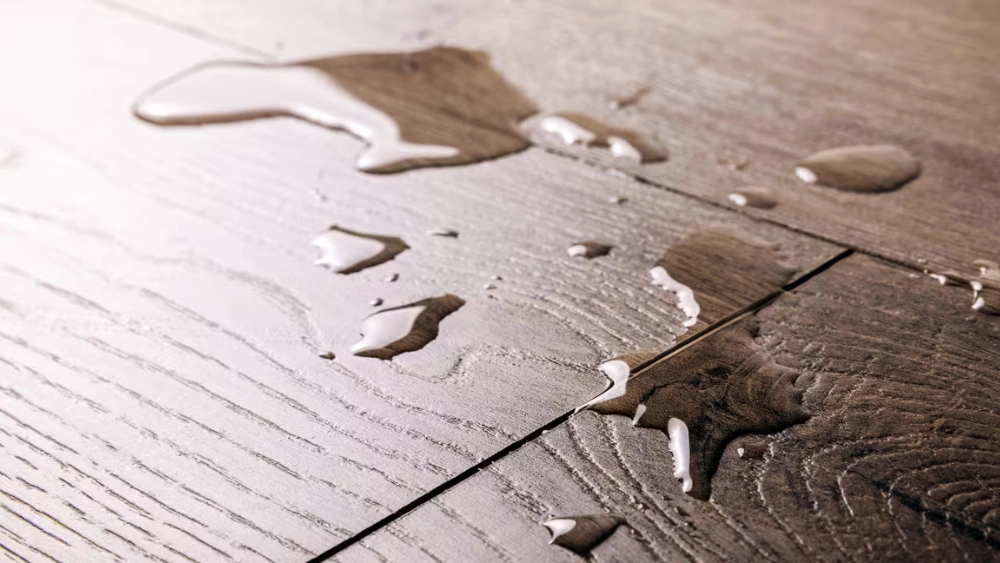
Have you noticed water pooling under your vinyl flooring? Ignoring it can lead to serious damage, including mold and warped floors.
But don’t worry—you don’t have to call a professional right away. You’ll learn simple, effective steps to dry up water trapped beneath your vinyl flooring. By following these tips, you can protect your home and save money on costly repairs.
Keep reading to find out exactly what to do before the problem gets worse.
Credit: www.pensacolafishingforum.com
Signs Of Water Under Vinyl Flooring
Water damage under vinyl flooring can lead to serious issues. Identifying the signs early can save time and money. Here are the main indicators that water might be lurking beneath your vinyl flooring.
Visible Warping And Bubbling
Warping often signals moisture problems. The vinyl may lift or curl, creating uneven surfaces. Bubbling appears as raised areas, indicating trapped water. These changes affect the look and feel of your floor.
Musty Odors
A musty smell points to mold or mildew. Water trapped under the flooring creates a damp environment. This odor can spread throughout the room, signaling a hidden issue.
Discoloration And Stains
Stains or dark spots reveal water damage. Discoloration may show where the water has seeped. These marks can ruin the aesthetic of your flooring, hinting at deeper problems underneath.
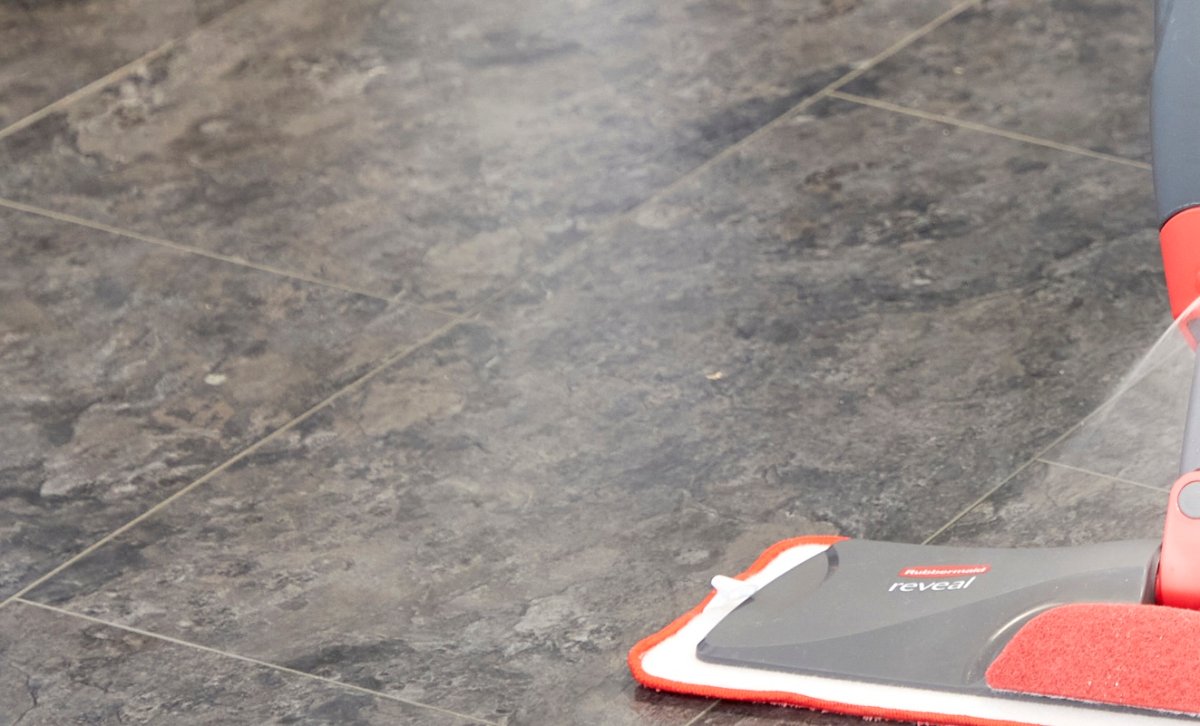
Credit: www.bobvila.com
Immediate Steps To Take
Taking immediate action is crucial when water pools under vinyl flooring. Quick steps prevent damage and mold growth. Each moment counts to protect your floors and home.
Stop The Water Source
Find where the water is coming from. Turn off the main water valve if needed. Fix leaks or broken pipes quickly. Stopping water flow helps reduce further damage.
Remove Furniture And Items
Clear the area of all furniture and belongings. Wet items can cause stains and mold. Move them to a dry place to keep them safe. This also makes drying easier.
Ventilate The Area
Open windows and doors to let fresh air in. Use fans to increase air circulation. Dry air helps water evaporate faster. Avoid closing the room until it is fully dry.
Methods To Dry Water Under Vinyl
Water trapped under vinyl flooring can cause serious damage if not dried quickly. The key is to act fast and use effective drying methods to prevent mold, warping, or unpleasant odors. Here are some practical ways to dry water under your vinyl floor that you can try right away.
Using Fans And Dehumidifiers
Fans are your best friends when it comes to drying moisture under vinyl. Position several fans around the affected area to increase airflow and speed up evaporation. A dehumidifier can also help by pulling moisture out of the air, reducing humidity levels that slow down drying.
Place a dehumidifier close to the wet spot and run it continuously for a few days. You might be surprised how much faster the water disappears with these tools working together. Have you checked if your home already has a dehumidifier you can borrow?
Applying Absorbent Materials
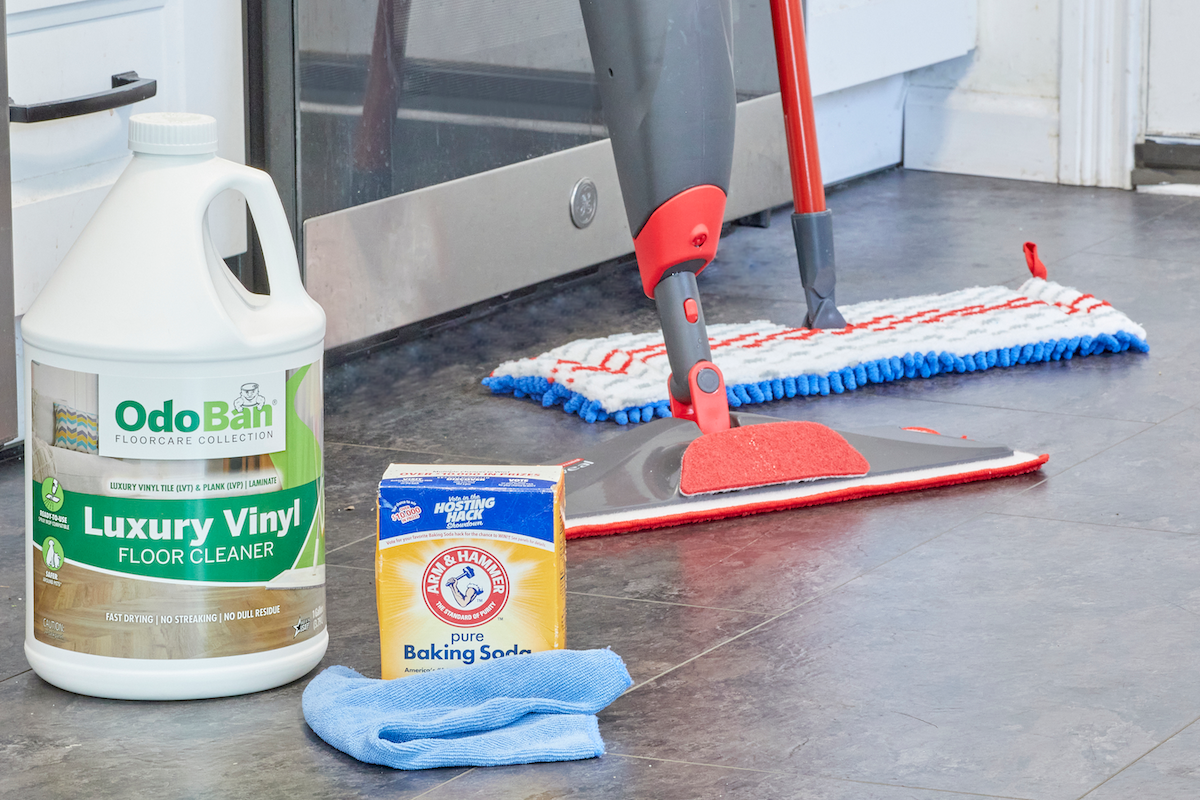
Absorbent materials like towels, kitty litter, or baking soda can soak up water trapped under the vinyl without lifting the flooring. Lay these materials over the wet area and press firmly to draw out moisture. Change or refresh them regularly to keep absorbing water effectively.
This method is great if you can’t immediately lift the flooring or if the water is shallow. I once used kitty litter under a vinyl kitchen floor after a spill, and it worked surprisingly well in pulling out moisture overnight. What absorbent materials do you have handy at home?
Lifting Vinyl For Direct Drying
If water has pooled extensively, lifting the vinyl is often necessary to dry the subfloor thoroughly. Carefully peel back the vinyl in sections, making sure not to tear it. Use fans, dehumidifiers, or even a wet/dry vacuum to remove standing water from the subfloor.
After drying, let the subfloor air out completely before laying the vinyl back down. This approach takes more effort but prevents long-term damage. Have you ever attempted to lift flooring yourself, or would you call a professional for this step?
Credit: www.bobvila.com
Tools For Effective Drying
Effective drying requires the right tools to remove water quickly and prevent damage. These tools help identify moisture levels and speed up drying under vinyl flooring. Using proper equipment ensures the floor stays dry and safe.
Wet/dry Vacuum
A wet/dry vacuum removes water from hard-to-reach spots. It works on both liquid spills and small debris. This tool helps clear standing water fast to stop moisture from soaking further.
Moisture Meters
Moisture meters detect how much water remains under the vinyl. They provide quick readings to track drying progress. These meters help spot hidden damp areas that need more attention.
Infrared Cameras
Infrared cameras show temperature differences caused by moisture. They reveal wet spots invisible to the naked eye. This technology guides targeted drying for better results and less guesswork.
Preventing Mold And Mildew
Water trapped under vinyl flooring creates a perfect spot for mold and mildew. These fungi grow fast in dark, damp places. Mold can damage your home and cause health issues. Preventing mold means stopping moisture and killing spores early. Follow these steps to protect your floor and keep the air clean.
Disinfecting The Subfloor
Cleaning the subfloor removes mold spores and bacteria. Use a disinfectant designed for mold and mildew. Apply it evenly over the wet area. Let it sit for the time the label suggests. Wipe or scrub the surface to remove dirt and mold. This step stops mold from growing back under the floor.
Using Mold Inhibitors
Mold inhibitors stop mold growth before it starts. These products mix with water or paint. Apply them to the subfloor after cleaning. They create a barrier that mold cannot pass. Choose a safe, non-toxic mold inhibitor for home use. This helps keep your floor dry and mold-free longer.
Maintaining Dry Conditions
Keep the area dry to prevent mold return. Use fans or dehumidifiers to remove moisture. Check for leaks or spills often and clean them fast. Ventilate rooms by opening windows or using vents. Regularly inspect the subfloor for dampness or mold signs. Dry conditions are key to a healthy home.
When To Call A Professional
Knowing when to call a professional is important for drying water under vinyl flooring safely. Some problems require expert help to avoid bigger damage. Acting too late can cause mold, warping, or costly repairs.
Experts have the tools and skills to handle tough water damage. They can check hidden areas and fix issues that are not easy to see. Calling a professional saves time and protects your home’s structure.
Extensive Water Damage
Water covering a large area under the vinyl needs expert care. Professionals can remove water quickly and dry the floor thoroughly. They also inspect for damage that may not be visible.
Persistent Moisture Issues
Sometimes moisture stays under the floor even after drying efforts. This can cause mold or bad smells. Experts use special equipment to find and fix hidden moisture problems.
Structural Concerns
Water can weaken the floor’s base or walls. If you notice soft spots, cracks, or sagging, call a professional. They assess the damage and repair the structure to keep your home safe.
Tips To Avoid Future Water Damage
Water damage under vinyl flooring can cause serious issues. Preventing future problems saves time and money. Follow these simple tips to keep your floors dry and safe.
Proper Installation Techniques
Install vinyl flooring carefully to prevent water leaks. Use a moisture barrier under the flooring. Ensure seams and edges are sealed tightly. Avoid gaps where water can seep in. Proper installation reduces the risk of water damage.
Regular Inspections
Check floors often for signs of moisture or damage. Look for discoloration, warping, or soft spots. Early detection stops problems before they worsen. Inspect areas near water sources more frequently. Keep an eye on pipes and appliances that may leak.
Effective Water Barriers
Use strong water barriers under vinyl flooring. Choose materials like plastic sheeting or special underlayment. Water barriers stop moisture from reaching the floor. Make sure barriers cover the entire surface. Replace damaged barriers to maintain protection.
Frequently Asked Questions
How Do I Detect Water Under Vinyl Flooring?
Check for soft spots, bubbles, or warping on the vinyl surface. Use a moisture meter or infrared camera to locate hidden water beneath the floor.
What Is The Best Way To Dry Water Under Vinyl Flooring?
Use fans, dehumidifiers, and remove affected vinyl planks if possible. Ensure proper airflow and ventilation to speed up the drying process and prevent mold growth.
Can Water Damage Vinyl Flooring Permanently?
Yes, prolonged water exposure can cause warping, buckling, and mold. Prompt drying and repair reduce permanent damage and maintain flooring integrity.
Should I Remove Vinyl Flooring To Dry Water Underneath?
Removing vinyl helps thoroughly dry the subfloor and prevents mold. If water is extensive, lifting vinyl is recommended to avoid long-term damage.
Conclusion
Drying water under vinyl flooring prevents damage and mold growth. Act quickly to lift the flooring and remove moisture. Use fans and dehumidifiers to speed up drying. Check for hidden water to avoid future problems. Regularly inspect floors to catch leaks early.
Taking these steps keeps your home safe and dry. Stay attentive and handle spills fast to protect your flooring. Small efforts now save big repairs later.