Have you ever struggled to drill a hole at the perfect angle in wood? It’s a common challenge that can make your project look unprofessional or even cause pieces not to fit together right.
But what if you could master this skill quickly and easily? You’ll discover simple tricks and tools that help you drill angled holes with confidence and precision. By the end, you’ll feel ready to tackle any angled drilling task and take your woodworking to the next level.
Keep reading—your projects will thank you!
Credit: www.woodpeck.com
Tools And Materials
Drilling holes at an angle in wood requires more than just a drill and a bit. The right tools and materials make all the difference between a clean, precise hole and a frustrating mess. Knowing what to use helps you maintain control and accuracy throughout your project.
Essential Tools For Angled Drilling
Start with a reliable power drill that offers adjustable speed and torque settings. A drill with a built-in level or angle guide can improve accuracy significantly.
Consider these tools to help you drill angled holes:
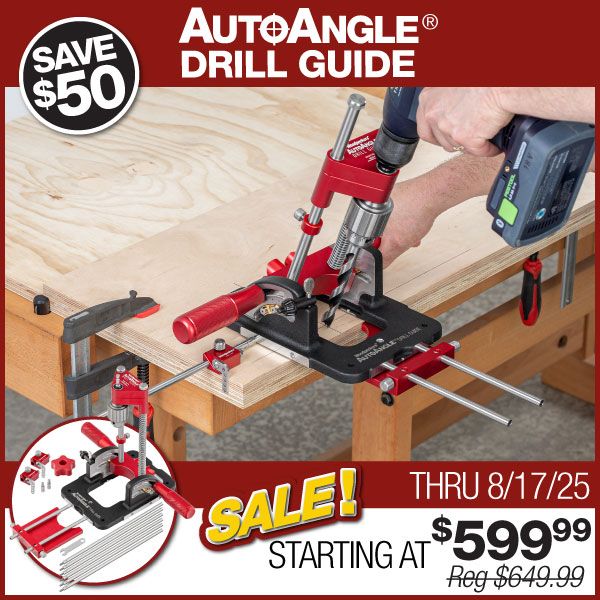
- Drill guide or angle jig:Keeps your drill steady at the desired angle.
- Clamps:Secure your workpiece firmly to avoid slipping.
- Protractor or angle finder:Measure the exact drilling angle you need.
Have you ever struggled with a drill bit that wandered off course? These tools will help you avoid that common problem.
Choosing The Right Drill Bit
The type of drill bit you use affects the quality of your angled hole. Brad point bits are excellent for wood because they reduce splintering and give a clean start.
Twist bits are versatile but may cause tear-out on angled entries unless you go slowly and carefully. Spade bits can work for larger holes but might be harder to control at sharp angles.
Think about the hole size and finish you want before picking your bit. Using a bit designed for wood with sharp edges makes angled drilling easier and cleaner.
Wood Types And Their Impact
Not all wood behaves the same when drilling at an angle. Softwoods like pine are easier to drill but can chip if you’re not careful.
Hardwoods such as oak or maple require more force and sharper bits to avoid burning or dulling the bit quickly. Plywood and laminated wood present layers that may splinter unevenly.
Consider your wood type before starting. How you prepare and clamp your wood can change depending on its hardness and grain structure.
Understanding Angles
Understanding angles is key to drilling holes correctly in wood. Angled holes help join pieces tightly and create strong structures. Knowing the right angle improves your work’s quality. It also saves time and material.
Angles define how the drill enters the wood. A straight hole is simple, but angled holes need more attention. Measuring and marking the angle ensures precision. This section covers common angles and how to measure them.
Common Angles For Woodworking
Woodworking uses several standard angles. These angles help in making joints and decorations. The most common are:
- 90 degrees – straight down, for simple holes
- 45 degrees – for miter joints and angled drilling
- 30 degrees – used in some decorative or angled joints
- 60 degrees – for certain types of joinery and angled fittings
Choosing the right angle depends on your project needs. Knowing these basics helps you plan your drilling better.
Measuring And Marking Techniques
Accurate measuring starts with the right tools. Use a protractor or angle finder to set the angle. Mark the spot clearly on the wood with a pencil.
Steps to mark the angle:
- Place the angle tool on the wood surface.
- Adjust it to the desired angle.
- Draw a light line along the tool edge.
- Mark the drill point on this line.
Double-check your marks before drilling. Proper marking guides the drill bit and prevents mistakes.
Preparation Steps
Preparing to drill angled holes in wood requires careful setup. Proper preparation ensures clean, precise results and prevents mistakes. Small errors in setup can cause crooked holes or damage the wood. Follow these essential steps before drilling.
Securing Wood Properly
Start by firmly securing the wood piece. Use clamps to hold it steady on your work surface. Movement during drilling causes misaligned holes. Position clamps so they don’t block the drill path. Check the wood is flat and stable before starting. A secure piece helps guide the drill bit accurately.
Creating Accurate Guides
Mark the drilling angle clearly on the wood. Use a protractor or angle guide for precision. Draw lines or use tape to show the exact drilling direction. Consider making a simple wooden jig to hold the drill at the right angle. Guides reduce errors and keep the drill steady. Take time to measure and mark carefully for best results.
Drilling Techniques
Drilling holes at an angle in wood needs a careful approach. Different techniques help achieve clean, precise holes. Choosing the right method depends on your tools and the angle needed. Practice and patience improve results and reduce mistakes.
Using A Drill Press
A drill press offers accuracy for angled holes. Most models have an adjustable table to set the angle. Secure the wood firmly before drilling. Set the drill press table to the desired angle. Lower the drill slowly to avoid splintering. This method works well for repeated, precise holes.
Handheld Drill Methods
Using a handheld drill requires steady hands and good control. Mark the drill point and angle clearly on the wood. Hold the drill perpendicular to the desired angle line. Start slowly to keep the drill bit from wandering. Use a pilot hole for better guidance. This method is flexible but needs practice for accuracy.
Tips For Maintaining Stability
- Clamp the wood securely to prevent movement.
- Use a guide block with a pre-drilled angled hole.
- Keep a firm grip on the drill with both hands.
- Wear safety glasses to protect your eyes from chips.
- Take breaks to maintain steady control and avoid fatigue.
Avoiding Common Mistakes
Drilling holes at an angle in wood can be tricky if you don’t watch out for common mistakes. These errors can lead to splintered wood, inaccurate holes, and wasted materials. Knowing how to avoid these pitfalls will save you time and frustration.
Preventing Splintering
Splintering often happens when the drill bit exits the wood too quickly or at the wrong angle. To stop this, try placing a scrap piece of wood underneath the workpiece. This backing wood supports the fibers and catches any splinters before they break off.
Also, use a sharp drill bit designed for wood. Dull bits tear the grain instead of cutting cleanly, causing rough edges. You might think slowing down the drill speed helps, and it does—especially as you near the exit side of the hole.
Have you ever noticed splintering ruins the look of a project even after careful sanding? That’s why some woodworkers score around the hole with a utility knife before drilling. This technique weakens the surface fibers, so they don’t lift as much.
Ensuring Drill Accuracy
Keeping your drill bit steady at the right angle is crucial. Without a guide, the bit can wander, creating holes that don’t align with your plans. Using an angled drill guide or a simple homemade jig can dramatically improve precision.
Mark your angle clearly on the wood with a protractor or angle finder. Then, double-check the drill’s position before you start. Holding the drill too loosely or at the wrong grip can shift the angle during drilling.
Have you tried drilling freehand and ended up with uneven holes? What helped me was clamping the wood firmly and starting with a small pilot hole. This pilot hole acts as a path that keeps the larger bit on track, improving accuracy significantly.

Credit: www.reddit.com
Finishing Touches
After drilling angled holes in wood, the final steps polish your work. These finishing touches improve the look and function of your project. Attention to detail here makes a big difference. Proper sanding and alignment checks ensure your holes fit perfectly and look clean.
Sanding And Smoothing
Start by sanding the edges of the drilled holes. Use fine-grit sandpaper for a smooth finish. Sand inside the holes gently to remove rough spots or splinters. This step prevents wood from splitting or catching later. A smooth surface helps parts fit better and looks more professional.
Checking Alignment And Fit
Test the fit of screws, dowels, or bolts in the angled holes. Make sure they slide in without force or wobble. Check the angle and position match your project’s design. Use a square or angle finder to confirm accuracy. Fix any misalignment by adjusting the hole or sanding slightly.
Safety Considerations
Drilling holes at an angle in wood requires more than just technique; safety should be your top priority every time. Overlooking safety can lead to accidents that not only harm you but also damage your tools and workpiece. Understanding the right protective gear and safe handling practices can make your project smoother and risk-free.
Protective Gear
Always wear safety glasses to protect your eyes from wood chips and dust. Even if the wood looks clean, small particles can fly unexpectedly when drilling at an angle. Consider using a dust mask to avoid inhaling fine sawdust, especially in enclosed spaces.
Hearing protection is often ignored but essential if you’re working with power drills for extended periods. Gloves can protect your hands but choose ones that fit well to avoid losing grip or getting caught in the drill. Have you checked your gear today before starting?
Safe Handling Practices
Secure your wood firmly using clamps or a vise before drilling. This prevents the wood from moving and causing the drill bit to slip, which can be dangerous. Position yourself to maintain balance and control over the drill, especially when working at awkward angles.
Use the correct drill bit for angled holes and ensure it is sharp; dull bits can cause the drill to jerk unexpectedly. Start drilling slowly to gain control and increase speed only when the bit has a good grip. If the drill binds or stalls, stop immediately to avoid kickback.
Have you ever rushed through a drilling job and ended up with a ruined piece or worse, an injury? Taking a moment to follow these safe handling steps can save you time and pain in the long run.

Credit: www.reddit.com
Frequently Asked Questions
How Do I Drill Angled Holes In Wood Accurately?
Use a drill guide or adjustable jig for precision. Clamp the wood securely, mark your angle, and drill slowly to maintain control. A protractor can help set the exact angle for consistent results.
What Tools Are Best For Angled Drilling In Wood?
A drill press with an adjustable table is ideal for angled holes. Alternatively, use a handheld drill with a drill guide or angle jig to maintain accuracy and control during drilling.
Can I Drill Angled Holes Without Special Jigs?
Yes, you can use simple methods like propping the drill at an angle or using a DIY wooden guide. However, results may vary, and accuracy might be less consistent than with proper jigs.
How To Prevent Wood From Splitting When Drilling At An Angle?
Use a sharp drill bit and drill slowly to avoid tear-out. Pre-drill a pilot hole and clamp the wood firmly to reduce movement and splitting risks during angled drilling.
Conclusion
Drilling angled holes in wood is easier than it seems. With the right tools and steps, you can do it well. Take your time to measure and mark the angle clearly. Keep the drill steady and use a guide if needed.
Practice on scrap wood to build your confidence. Soon, angled holes will be part of your skill set. Enjoy your woodworking projects with this simple technique.