
Have you ever been ready to start a project only to realize you don’t have the right drill bit for a pilot hole? It’s frustrating, right?
But what if you could skip the trip to the store and still get the job done quickly and easily? You’ll discover simple, clever ways to drill a pilot hole without a drill bit. By the end, you’ll feel confident tackling your project without missing a beat.
Keep reading—you’re about to learn a trick that can save you time, money, and stress.
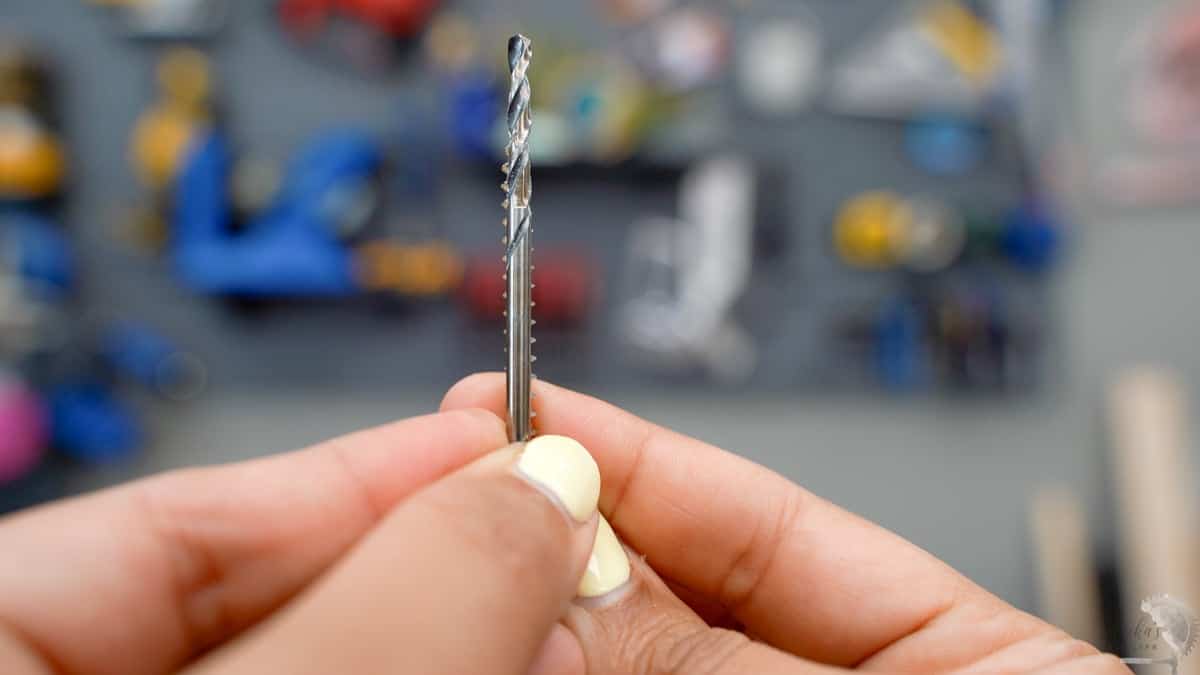
Credit: www.anikasdiylife.com
Alternative Tools For Pilot Holes
Sometimes, you might find yourself without a drill bit but still need to create a pilot hole. Fortunately, there are simple tools around your home or workshop that can help you achieve this without needing specialized equipment. These alternatives work by creating a small, controlled hole that guides your screw or nail, reducing the risk of wood splitting and ensuring a cleaner finish.
Using A Nail
A sturdy nail can serve as an effective substitute for a drill bit. Choose a nail slightly thinner than your screw to avoid making the hole too large.
Hold the nail firmly and tap it gently with a hammer to create a small indentation or hole. This initial guide helps your screw enter the wood smoothly without forcing it.
Have you ever tried this? It’s surprising how well a simple nail can prepare wood for screws, especially when you’re in a pinch.
Employing A Screwdriver
A flat-head screwdriver is another handy tool for making pilot holes, especially in softer woods. Place the tip of the screwdriver where you want your hole and press down while twisting it back and forth.
This motion carves out a shallow hole that guides your screw and prevents the wood from cracking. It’s a slow but effective method when power tools aren’t an option.
Think about how this technique allows more control—you can adjust pressure and angle easily, something harder to do with a drill.
Utilizing An Awl
An awl is designed for making holes and marks in wood, leather, and other materials. If you have one, use its sharp point to pierce the wood where you want your pilot hole.
Push and twist the awl gently to create a clean hole. This method is precise and reduces the chance of splitting, especially in delicate projects.
Have you noticed how using an awl can save time and effort? It’s a quiet, manual way to prepare your workpiece without extra noise or power tools.
Selecting The Right Nail Or Screw
Selecting the right nail or screw plays a crucial role when you need to drill a pilot hole without a drill bit. The size and type you pick can make your task easier or much harder. Choosing carefully ensures the material won’t split or crack, saving your project from costly mistakes.
Choosing Size And Type
Start by matching the nail or screw size to the thickness of the material. Too thick, and you risk splitting the wood; too thin, and it won’t create a proper pilot hole. A general rule is to pick a nail or screw slightly smaller in diameter than the fastener you plan to use.
Consider using nails with smooth shanks for softer woods and screws with coarse threads for harder woods. If you want better grip, a screw with a pointed tip works great to start the hole. Ask yourself: will this nail or screw cut through easily without damaging the surface?
Considering Material Compatibility
Different materials respond differently to nails and screws. Softwoods like pine can handle a thinner nail or screw, while hardwoods like oak require stronger, thicker fasteners to avoid cracking. Metals and plastics might need special screws designed for those surfaces.
Think about the material’s density and hardness before choosing your tool. For example, a steel screw can damage soft materials if used carelessly, while a small nail might just slide in without making a hole. Have you tested your chosen nail or screw on a scrap piece first? It’s a simple trick that can save you frustration.
Techniques For Precise Pilot Holes
Creating precise pilot holes without a drill bit demands careful technique. Accuracy ensures screws or nails fit well and materials do not split. Small errors can cause bigger problems later. Focus on clear steps to maintain control and exact placement.
Marking The Spot
Start by clearly marking the hole location. Use a pencil or sharp tool to make a small indentation. This mark guides your tool and stops it from slipping. A visible spot helps keep the hole centered and neat.
Steadying The Tool
Hold your tool firmly with both hands. Keep your body still and your arms steady. Support the material on a stable surface. This reduces shaking and helps the hole stay straight. A steady hand leads to cleaner, more accurate holes.
Applying Consistent Pressure
Press the tool evenly into the material. Avoid pushing too hard or too soft. Too much force can crack the wood or damage the surface. Too little force makes the hole uneven or incomplete. Smooth, steady pressure creates a perfect pilot hole every time.
Safety Tips And Precautions
Drilling a pilot hole without a drill bit requires extra care. Safety is key to avoid injuries and damage. Follow essential safety tips and precautions to work safely and efficiently.
Protective Gear
Wear safety glasses to shield your eyes from flying debris. Use gloves to protect your hands from sharp edges. A dust mask helps avoid inhaling fine particles. Proper clothing reduces the risk of getting caught in tools.
Avoiding Splintering
Mark the drill spot clearly before starting. Use a sharp object to create a small indentation. Drill slowly and steadily to prevent wood from splintering. Support the wood firmly to reduce vibrations. Sand edges after drilling to smooth any rough spots.
Safe Handling Of Tools
Hold tools with a firm grip and steady hands. Keep your work area clean and free of clutter. Check tools for damage before use. Turn off power tools when not in use. Store tools safely away from children and pets.
Benefits Of Diy Pilot Holes
Creating pilot holes by yourself, even without a drill bit, offers surprising advantages that go beyond just convenience. Taking control of this step can save you money, reduce material damage, and give you a better feel for your project. Have you ever noticed how a small effort early on can make the whole process smoother? That’s exactly what DIY pilot holes bring to your work.
Cost-effective Solutions
Not having a drill bit on hand doesn’t mean you have to stop working. You can use common household items like a nail or a screw to start a pilot hole. This approach saves you the cost of buying specialized tools for just one or two holes.
Think about the last time you needed a tool just once and ended up spending more than necessary. By making pilot holes yourself with simple tools, you avoid extra expenses and keep your budget intact.
Enhanced Control
When you make pilot holes manually, you gain better control over the hole’s size and placement. Using a nail or an awl allows you to adjust pressure and angle easily, which can be harder with power tools.
This control helps prevent slipping or misalignment. Have you ever struggled with a drill jumping off the mark? DIY pilot holes can help you avoid that frustration, giving you cleaner, more precise starts.
Avoiding Damage To Materials
Starting a hole without a drill bit reduces the chance of cracking or splitting delicate materials like wood or plastic. A gentle hand with a nail or similar tool creates a guide hole that guides screws or larger bits without excess force.
Damaged materials mean wasted time and money. By carefully making pilot holes yourself, you protect your projects and keep everything looking professional. What materials are you working with that could benefit from this careful approach?

Credit: www.reddit.com
Common Mistakes To Avoid
Drilling a pilot hole without a drill bit can be tricky. Avoiding common mistakes helps you get clean results. Pay attention to the tools, materials, and preparation before starting. These factors affect the quality of the hole and the safety of your work.
Incorrect Tool Selection
Choosing the wrong tool can damage the material or cause injury. Not all tools are fit for making pilot holes. Avoid using knives or screwdrivers as substitutes. A nail or a sharp metal rod works better for creating small holes.
Using power tools without the correct bit can ruin the surface. Select a tool that matches the size and type of hole you need. This helps maintain control and accuracy.
Ignoring Material Limits
Different materials respond differently to pressure and heat. Wood, plastic, and metal require different approaches. Applying too much force can crack or split the material.
Soft materials need gentle pressure. Hard materials need steady, controlled effort. Check the material’s thickness and strength before drilling. This prevents damage and ensures a clean hole.
Inadequate Preparation
Skipping preparation leads to mistakes and frustration. Mark the spot clearly where the hole is needed. Clean the surface to remove dust and debris.
Secure the material firmly to prevent slipping. Use clamps or a stable work surface. This keeps your work steady and reduces the risk of accidents.

Credit: www.familyhandyman.com
Frequently Asked Questions
How Can I Drill A Pilot Hole Without A Drill Bit?
You can use a nail, screwdriver, or awl to create a starter hole. These tools help guide screws and prevent wood splitting. Apply steady pressure and twist gently to make a shallow hole before inserting screws.
What Tools Can Replace A Drill Bit For Pilot Holes?
Common alternatives include nails, ice picks, and sharp screwdrivers. These tools create small indentations or shallow holes. Use them carefully to avoid damaging the material. They work best on softer woods and thin materials.
Is It Safe To Drill Pilot Holes Without A Drill Bit?
Yes, if done carefully. Using sharp tools reduces the risk of splitting wood. Ensure controlled pressure and avoid forcing the tool. This method is suitable for light-duty projects and softer materials.
When Should I Avoid Drilling Pilot Holes Without Drill Bits?
Avoid this method on hard metals or thick, dense materials. It can cause tool damage or inaccurate holes. Use proper drill bits for precision and safety in tougher applications.
Conclusion
Drilling a pilot hole without a drill bit is simple with the right tools. You can use nails, screws, or even a heated metal rod to start. This method saves time and helps guide screws more easily. Always work carefully to avoid damaging the material.
Practice on scrap wood first to gain confidence. These tips make small projects easier and help you fix things quickly. Try these ideas and see how they work for you.






