Have you ever started drilling into wood only to realize your hole isn’t big enough? It’s a common problem that can slow down your project and cause frustration.
But don’t worry—drilling a larger hole in wood is easier than you think. With the right tools and simple techniques, you can make clean, precise holes that fit your needs perfectly. Keep reading, and you’ll learn exactly how to get it done quickly and confidently, even if you’re new to woodworking.

Credit: www.groundgrabba.com
Tools Needed
Drilling a larger hole in wood requires more than just a regular drill. Using the right tools makes the process smoother and prevents damage to your material. Before you start, make sure you have the correct equipment ready to handle the size and type of hole you want to create.
Drill Types
Not all drills are built the same. For larger holes, a standard handheld drill might struggle or overheat. Consider using a cordless drill with adjustable speed settings, which gives you better control over the drilling process.
If you’re working on a heavy-duty project, a drill press can offer precision and power. It keeps the drill steady and ensures the hole is perfectly straight, which is crucial for larger diameters.
Have you tried using a brace and bit? This old-school tool provides excellent control for large holes without the risk of burning the wood. It’s slower but can be surprisingly effective on softer woods.
Drill Bits
Choosing the right drill bit is key. Standard twist bits are great for small holes but often struggle with larger diameters. Instead, look for spade bits or hole saws designed specifically for big holes in wood.
Spade bits are affordable and easy to find, making them a popular choice. They cut quickly but can leave rough edges, so you might need to sand the hole afterward.
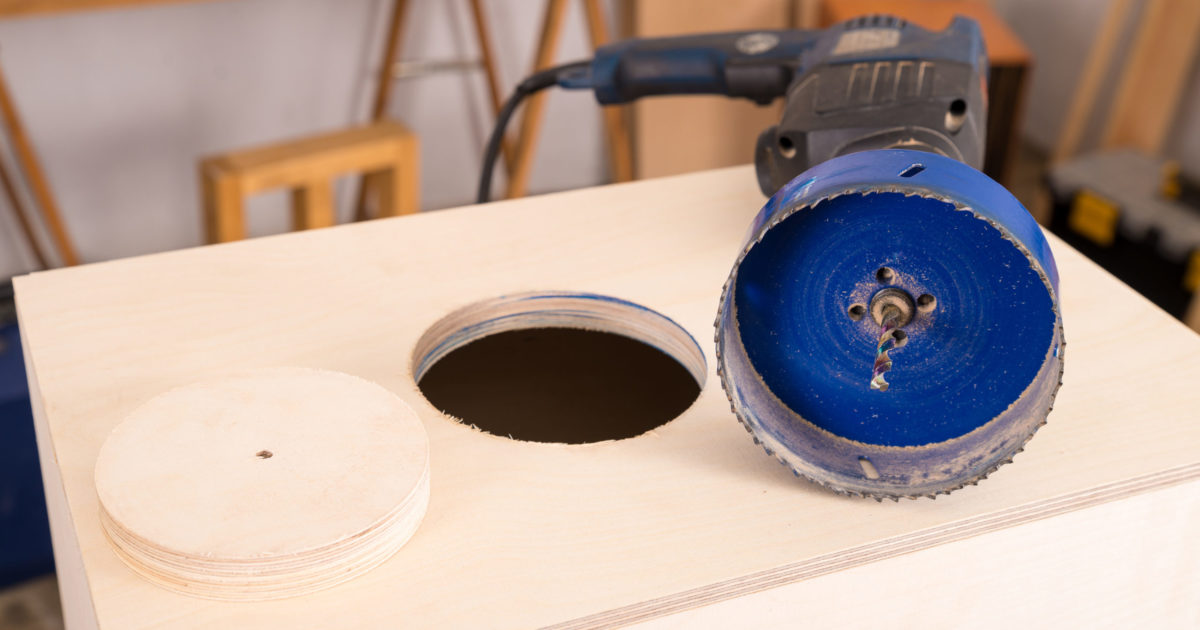
Hole saws offer cleaner cuts and come in various sizes. They work well for through-holes, especially when you need consistent diameter.
Don’t forget about the pilot bit. It helps guide the hole saw and keeps it steady. Without one, you risk the bit wandering and making an uneven hole.
Credit: thehomewoodworker.com
Preparing The Wood
Preparing the wood before drilling a larger hole is crucial to achieve clean and accurate results. Taking time to select the right piece of wood and marking the exact drilling spot can save you from frustration and mistakes later. Let’s look at how you can get this part right every time.
Selecting The Right Wood
Your choice of wood affects how easily you can drill and the quality of the hole. Softwoods like pine are easier to work with but can splinter more, while hardwoods like oak provide a cleaner finish but require more effort.
Think about the project’s purpose. Are you building furniture, or just making a simple hole for wiring? Your wood’s thickness and grain direction also matter. Drilling against the grain can cause tear-out, so try to align your hole parallel to the grain whenever possible.
Marking The Drilling Spot
Accurate marking is the foundation of a precise hole. Use a pencil or a fine-tip marker to pinpoint the exact spot where you want to drill.
To prevent the drill bit from wandering, create a small indentation with an awl or a nail at the marked spot. This tiny guide helps keep your drill steady, especially when working with larger bits.
Have you ever started drilling only to realize the hole is off-center? Taking these small preparation steps can make a big difference in your results.
Safety Measures
Safety is the top priority when drilling larger holes in wood. Taking the right precautions prevents injuries and protects your tools. Always prepare before you start drilling. This helps avoid accidents and keeps your work smooth.
Protective Gear
Wear safety glasses to protect your eyes from wood chips and dust. Use ear protection if your drill is loud. Gloves help keep your hands safe, but make sure they fit well. Avoid loose clothing or jewelry that could get caught in the drill. Proper footwear is important to protect your feet from falling objects.
Work Area Safety
Clear your work area of any clutter to avoid tripping or accidents. Secure the wood firmly with clamps or a vise. Check that the drill bit is sharp and properly attached. Keep cords and tools organized to prevent tangling. Work in a well-lit area to see clearly. Always unplug the drill when changing bits or making adjustments.
Drilling Technique
Mastering the drilling technique is key to creating clean, larger holes in wood without damaging your material or drill bit. It’s not just about pushing the drill harder; it’s about controlling speed and guiding the bit precisely. Let’s break down how you can improve your drilling process to get professional results every time.
Correct Drill Speed
Your drill speed greatly affects the quality of the hole. If you drill too fast, the bit can overheat, dull, or even burn the wood. Too slow, and you risk tearing the fibers or stalling the drill.
For larger holes, start with a slower speed to maintain control and avoid splintering. Use a variable speed drill if possible, setting it between 500 to 1,000 RPM depending on the wood’s hardness. Always listen to the sound of the drill—does it sound like it’s struggling or sliding smoothly? Adjust accordingly.
Using Pilot Holes
Drilling a smaller pilot hole first is a game changer. It guides the larger bit and reduces the chance of the drill wandering off course. This step also lessens the stress on your drill bit and wood.
Try drilling a pilot hole about half the diameter of your final hole. This makes it easier to drill the bigger hole straight and clean. Have you noticed how much smoother the process becomes with this simple trick?
Handling Larger Drill Bits
Handling larger drill bits requires more care and control than smaller ones. They demand adjustments to your drill’s settings and a steady hand to avoid damaging the wood. Getting the balance right can save you time and prevent frustration.
Adjusting Drill Power
Larger bits need more power to cut cleanly through wood. If your drill has variable speed settings, lower the speed to maintain control and avoid overheating the bit.
Too much speed can burn the wood and dull the bit quickly. Instead, use steady pressure and let the drill do the work. If your drill struggles, increase the torque rather than the speed to maintain smooth cutting.
Preventing Splintering
Splintering happens easily with bigger holes, especially on soft or thin wood. To reduce this, clamp the wood securely to prevent movement as you drill.
Try drilling halfway through the wood first, then flip it over and finish the hole from the opposite side. This technique helps keep both sides neat and reduces tear-out.
Also, consider placing a scrap piece of wood underneath your workpiece. It supports the fibers and catches splinters before they ruin your project’s surface.
Finishing Touches
After drilling a larger hole in wood, the final details make a big difference. Finishing touches improve the look and feel of your work. Clean, smooth edges and a tidy surface show quality and care.
Sanding The Edges
Rough edges can cause splinters or weaken the wood. Use fine-grit sandpaper to gently smooth the hole’s edges. Move the sandpaper in small circles around the hole.
Sanding removes rough spots and creates a clean finish. It also helps paint or stain stick better if you plan to add color.
Cleaning Up
Wood dust and debris can clutter your work area and affect the finish. Use a soft brush or cloth to wipe away dust from the hole and surrounding wood.
Keep the surface clean before any further work. Clean wood looks better and helps prevent mistakes during finishing.
Troubleshooting
Troubleshooting is key when drilling larger holes in wood. Problems can slow down your work or damage the wood. Knowing common issues helps fix them fast. You can keep your project smooth and clean by spotting these problems early.
Common Issues
- The drill bit slips or wanders on the wood surface.
- The hole is uneven or too rough inside.
- The drill bit overheats and dulls quickly.
- The wood splits or cracks around the hole.
- The drill bit gets stuck in the wood.
Solutions
- Use a center punch or nail to mark the drill spot. This stops slipping.
- Start with a smaller pilot hole for better accuracy.
- Choose a sharp drill bit designed for wood.
- Drill slowly and apply even pressure to avoid rough holes.
- Clear wood chips often to prevent overheating and jamming.
- Clamp the wood securely to reduce vibration and splitting.
- Use a backing board behind the wood to stop tear-out.
:max_bytes(150000):strip_icc()/tech17-ba05a18a2b934aff90a1d475bebb2468.jpg)
Credit: www.woodmagazine.com
Frequently Asked Questions
What Tools Can I Use To Drill Larger Holes In Wood?
To drill larger holes, use a hole saw, spade bit, or Forstner bit. These tools provide clean, accurate holes in wood. Choose the right size and type based on your project needs for best results.
How Do I Prevent Wood From Splitting When Drilling Large Holes?
Prevent splitting by drilling a small pilot hole first. Use sharp, quality bits and apply steady, moderate pressure. Clamping the wood securely also reduces movement and damage during drilling.
Can I Enlarge An Existing Small Hole In Wood Safely?
Yes, you can safely enlarge holes by gradually increasing drill bit size. Start with the existing hole and use bits slightly larger step-by-step. This approach avoids wood damage and ensures a clean, precise hole.
What Speed Settings Are Best For Drilling Larger Holes In Wood?
Use low to medium drill speeds when drilling large holes in wood. High speeds generate heat and can damage the wood or bit. Adjust speed based on wood hardness and bit size for smooth drilling.
Conclusion
Drilling a larger hole in wood is simple with the right tools. Always choose the correct drill bit size for your task. Take your time and drill slowly to avoid mistakes. Keep the wood steady and use safety gear. Practice on scrap wood to build confidence.
These steps help you get clean, precise holes every time. Now, you can tackle your woodworking projects with ease and accuracy.