Have you ever faced the challenge of drilling a hole in a cement wall and wondered if you’re doing it right? Whether you want to hang a picture, install a shelf, or set up a new fixture, drilling into cement can feel tricky and intimidating.
But don’t worry—this guide is here to make the process simple and stress-free for you. By following a few clear steps and using the right tools, you’ll gain the confidence to drill clean, precise holes without damaging your wall. Ready to learn how to get it done quickly and safely?
Keep reading, and you’ll discover exactly what you need to know.
Credit: www.vevor.com
Choosing The Right Tools
Choosing the right tools is the foundation of successfully drilling a hole in a cement wall. Using improper equipment can lead to frustration, wasted time, and even damage to your wall or tools. Let’s look closely at which drills and bits will make your task easier and more effective.
Essential Drill Types
Not all drills are created equal, especially for tough surfaces like cement. A regular cordless drill might struggle or even fail to make a clean hole. Instead, you want a hammer drillor a rotary hammer drill.
Hammer drills combine rotary motion with a hammering action that breaks up the cement as it drills. Rotary hammer drills are more powerful and are ideal for larger holes or harder cement. If you only have a standard drill, ask yourself: is this project worth renting or buying a hammer drill? It can save you hours of effort.
Choosing Quality Drill Bits
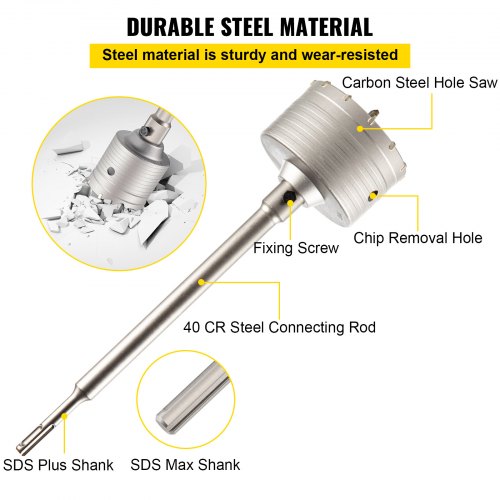
The drill bit you choose is as important as the drill itself. For cement, use masonry drill bitswith a carbide tip—these are designed to withstand the hardness of concrete and cement.
Bits with a tungsten carbide tip resist dulling and heat better, so they last longer and drill faster. Avoid cheap bits that wear down quickly and cause your drill to overwork. Think about the size of the hole you need; having a set of different sizes on hand can save you from multiple trips to the store.
- Look for drill bits labeled specifically for masonry work.
- Choose bits with a sturdy, thick shank to prevent bending.
- Consider bits with a fluted design to remove dust efficiently.
Have you checked your drill bits recently? Using worn-out bits can make drilling feel like a battle against the wall itself.

Credit: www.amazon.ae
Safety Precautions
Drilling into a cement wall needs careful attention to safety. Cement dust and flying debris can cause injuries. Power tools can be dangerous without proper use. Follow safety steps to protect yourself and others around you.
Protective Gear
Wear safety glasses to shield your eyes from dust and chips. Use a dust mask or respirator to avoid breathing in cement particles. Gloves protect your hands from sharp edges and vibration. Ear protection helps reduce noise from the drill. Wear sturdy shoes to guard your feet from falling debris.
Handling Equipment Safely
Check the drill and bits for damage before use. Keep a firm grip on the drill at all times. Use both hands for better control and stability. Avoid loose clothing or jewelry that can get caught. Make sure the drill is unplugged when changing bits. Work in a well-lit area to see clearly. Keep your workspace clean and free of obstacles.
Preparing The Wall
Preparing the wall is a crucial step before you start drilling. It sets the foundation for a clean and precise hole, saving you time and frustration. Skipping this can lead to cracked walls or misplaced holes, which no one wants.
Locating The Right Spot
Before you drill, think carefully about where the hole should go. Are there electrical wires or pipes behind the wall? You don’t want to hit those. Use a stud finder or a wall scanner to check for any hidden obstacles.
Consider the purpose of the hole. Will it hold a heavy shelf or just a picture frame? This will help you decide if you need to drill into a stud or just the cement. Taking a moment to plan here prevents costly mistakes later.
Marking The Drill Point
Once you find the perfect spot, mark it clearly. Use a pencil or masking tape to make a small but visible dot. This helps guide your drill bit and keeps your hole exactly where you want it.
If you’re drilling multiple holes, measure the distances carefully and mark each point. Double-check your measurements before drilling. A little extra attention now makes your project look professional and neat.
Drilling Techniques
Drilling into a cement wall demands more than just a powerful drill. The right technique makes a big difference in how clean and accurate your hole will be. Mastering these techniques ensures your work is efficient and avoids unnecessary damage to your tools or wall.
Setting Up The Drill
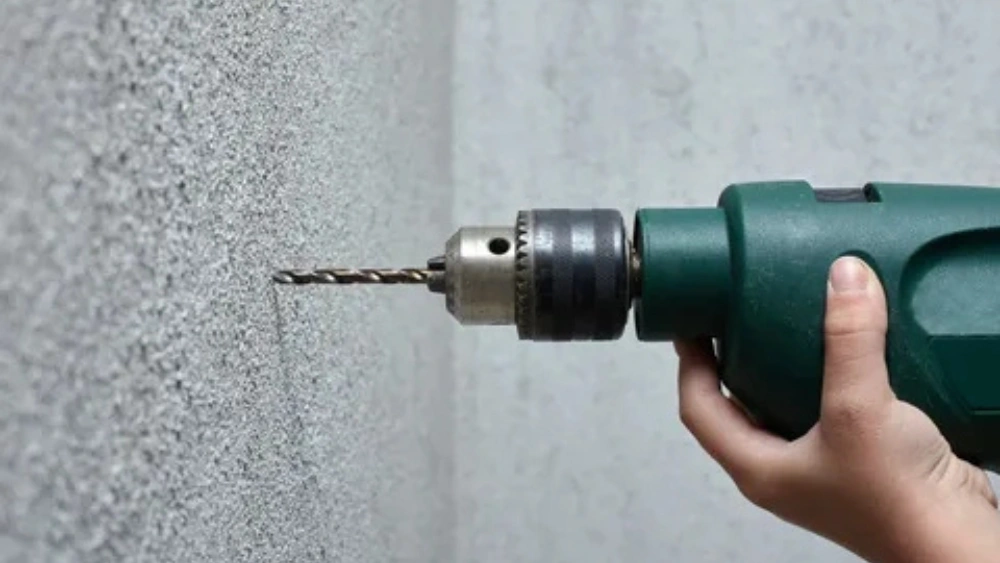
Start by choosing a drill with a hammer function and a masonry bit designed for cement. Secure the bit tightly to avoid wobbling, which can cause uneven holes or damage. Mark your drilling spot clearly and use a piece of tape on the bit to control the drilling depth.
Hold the drill perpendicular to the wall to keep the hole straight. If you don’t, the bit might slip and cause a crooked hole. Setting your drill to the hammer mode is essential; it combines rotation with rapid hammering to break through the hard surface effectively.
Applying Correct Pressure
Press firmly but avoid pushing too hard. Excessive force can overheat the bit and wear it out quickly. Think of it as letting the drill do the work; your pressure should be steady and consistent.
If you feel the drill struggling or slowing down, pause and pull it out slightly to clear dust from the hole. This simple action can prevent the bit from getting stuck. How often do you stop to clear debris when drilling? It’s a small step that saves time and effort in the long run.
Avoiding Common Mistakes
Drilling into a cement wall can be tricky, especially if you’re not careful about common mistakes that can slow you down or damage your tools. Avoiding these pitfalls saves time and ensures a clean, precise hole. Let’s look at two major issues you might face and how to handle them effectively.
Preventing Overheating
Overheating is a silent enemy when drilling into cement. If your drill bit gets too hot, it can dull quickly or even break. To prevent this, don’t apply too much pressure; let the drill do the work.
Take breaks regularly to let the bit cool down. You can also spray a little water on the drilling spot to reduce heat buildup. Have you noticed your drill slowing down or smelling burnt? That’s a clear sign to pause and cool off the bit.
Managing Dust And Debris
Drilling cement creates a cloud of dust that can make a mess and harm your lungs. Wearing a mask is essential, but controlling dust at the source makes your work easier and cleaner.
Try using a vacuum attachment or place a dust collector near the hole. Another trick is to stick a piece of tape below the drilling area to catch falling dust and debris. How often do you stop and clean up during your project? Keeping the workspace tidy prevents accidents and keeps your drill bit from clogging.
Post-drilling Care
After drilling a hole in a cement wall, taking proper care is crucial. Post-drilling care keeps the area clean and ensures the hole is ready for use. It also helps prevent damage and safety hazards.
Cleaning The Area
Remove dust and debris from the drilled hole and surrounding wall. Use a brush or a vacuum cleaner to clear out loose particles. Wipe the surface with a damp cloth to remove fine dust. This step helps anchors or plugs fit better and prevents blockages.
Inspecting The Drilled Hole
Check the hole for cracks or chips around the edges. Ensure the hole depth and diameter match your requirements. Use a measuring tape or ruler for accuracy. If the hole looks uneven, smooth it with sandpaper or a file. Proper inspection avoids future problems when installing fixtures.
Troubleshooting Issues
Running into issues while drilling into a cement wall can be frustrating. But most problems have simple fixes that save time and protect your wall. Knowing how to troubleshoot common challenges helps you stay confident and avoid costly mistakes.
Dealing With Cracks
Cracks often appear if the drill bit slips or if the wall is under stress. When you see a crack forming, stop drilling immediately to prevent it from spreading. You can fill small cracks with epoxy or cement filler to maintain the wall’s strength.
If the crack is larger, it’s best to reinforce the area before continuing. Use a patching compound designed for concrete and wait for it to cure fully. Have you checked whether your drill bit is sharp enough? A dull bit can cause extra vibration and cracking.
Fixing Misaligned Holes
Misaligned holes can ruin the precision of your project, especially when mounting shelves or fixtures. If you notice a hole is off, avoid drilling another one too close as this weakens the wall. Instead, use an anchor or plug to fill the incorrect hole.
To correct alignment, mark the new drilling spot carefully using a level or measuring tape. Double-check your measurements—are you sure the tool is steady and straight? Using a smaller pilot hole first can help guide the larger drill bit accurately.

Credit: www.amazon.com
Frequently Asked Questions
What Tools Are Needed To Drill A Hole In Cement Wall?
You need a hammer drill, masonry bit, safety goggles, and dust mask. These tools ensure precision and safety when drilling cement walls. A hammer drill provides the necessary power to penetrate hard surfaces like cement effectively.
How To Choose The Right Drill Bit For Cement?
Select a carbide-tipped masonry drill bit for cement. These bits resist wear and handle tough materials. Using the correct bit ensures clean holes and prevents damage to the wall or drill.
Can I Drill Cement Wall Without A Hammer Drill?
Drilling without a hammer drill is possible but slower and harder. A regular drill may overheat or wear out quickly on cement. For best results, use a hammer drill designed for masonry.
How To Prevent Cracks When Drilling Cement Walls?
Use a slow drilling speed and steady pressure to avoid cracks. Pre-mark the spot and start with a small pilot hole. Avoid forcing the drill to minimize stress on the wall.
Conclusion
Drilling a hole in a cement wall is simple with the right steps. Use the correct drill and bit for best results. Take your time and keep safety in mind. Clean the hole well before using it. Practice on a small area if unsure.
These tips help you drill holes that last and hold firm. Ready to try it yourself?