Is your shower head looking clogged or not spraying water like it used to? That buildup of mineral deposits can make your daily shower less refreshing and waste water.
But don’t worry—you don’t need expensive cleaners or tools to fix it. You can clean your shower head quickly and easily using something you probably already have at home: vinegar. You’ll discover a simple, natural way to restore your shower head’s full power.
Keep reading to learn how to make your showers feel brand new again.
Benefits Of Cleaning Shower Heads
Cleaning your shower head regularly offers several benefits that improve your daily shower experience. Removing buildup and deposits keeps your shower working well. It helps maintain water quality and supports hygiene. Simple cleaning also saves money by extending the shower head’s life.
Improved Water Flow
Mineral deposits can block the tiny holes in a shower head. This causes weak water pressure and uneven spray. Cleaning with vinegar dissolves these buildups. Water flows more freely and evenly. Showers feel stronger and more refreshing.
Enhanced Hygiene
Shower heads can collect bacteria, mold, and mildew. These germs grow in moist, warm areas. Cleaning removes these harmful substances. It prevents bad smells and keeps your shower safe. A clean shower head means cleaner water on your skin.
Extended Lifespan
Mineral buildup damages the shower head over time. It can cause leaks or cracks. Regular cleaning stops damage early. Vinegar is gentle but effective at breaking down deposits. This care helps your shower head last longer. You avoid extra costs for replacements.

Credit: www.instagram.com
Why Use Vinegar?
Wondering why vinegar is a popular choice for cleaning shower heads? It’s not just an old household trick—it’s a practical and powerful option that works well for many reasons. Let’s explore why vinegar could be the best solution for your shower head maintenance.
Natural Cleaning Agent
Vinegar is a natural acid called acetic acid, which helps break down mineral deposits and grime effectively. Unlike harsh chemicals, it cleans gently without damaging your shower head’s finish. If you prefer using products that are safe for your skin and home, vinegar fits perfectly.
Have you noticed stubborn water spots or buildup that soap just won’t remove? Vinegar tackles those tough stains without leaving toxic residues behind. It’s a simple way to keep your shower sparkling clean with ingredients you probably already have in your kitchen.
Cost-effective Solution
Cleaning products can add up, but vinegar is inexpensive and widely available. A small bottle costs just a few dollars and lasts through multiple cleaning sessions. You don’t need to buy expensive sprays or replacements when vinegar does the job well.
Think about how often you clean your shower head. Using vinegar saves you money over time and reduces waste from packaging. It’s a smart choice if you want to maintain your bathroom without stretching your budget.
Environmental Advantages
Vinegar is biodegradable and non-toxic, making it a safer choice for the environment. It doesn’t pollute water systems like many commercial cleaners that contain harmful chemicals. Choosing vinegar supports a cleaner planet while keeping your home fresh.
Are you concerned about the impact of household cleaners on nature? Using vinegar helps you reduce your ecological footprint. It’s a responsible way to maintain your shower head without compromising your environmental values.
Preparing Your Shower Head
Preparing your shower head is a crucial first step before cleaning it with vinegar. Taking a little extra time here ensures that the cleaning process will be more effective and prevent any damage to your fixture. Let’s walk through what you need to do before soaking or scrubbing your shower head.
Gathering Supplies
Start by collecting all the materials you’ll need. This includes:
- White vinegar (enough to submerge the shower head)
- A plastic bag or container
- An old toothbrush or soft brush
- A wrench or pliers (optional, for removal)
- A cloth or rag for wiping
Having everything ready saves you from interruptions. Have you ever started a task only to realize you’re missing a key item? Avoid that frustration here by preparing in advance.
Removing The Shower Head
Removing the shower head isn’t always necessary, but it often makes cleaning much easier and more thorough. Use a wrench or pliers wrapped in a cloth to avoid scratching the finish. Turn counterclockwise to unscrew it gently.
If your shower head doesn’t come off easily, consider cleaning it while still attached using a vinegar-filled bag. This method still gets vinegar into the nozzles but without the hassle of removal.
Inspecting For Damage
Before you dive into cleaning, check your shower head for any cracks, rust, or worn parts. Damaged areas might worsen if exposed to vinegar or forceful scrubbing. If you spot serious damage, it could be time to replace it instead of cleaning.
Think about how long your shower head has been in use. Sometimes, persistent clogging is a sign that cleaning won’t fully restore water flow, and replacement might save you time and effort.
Cleaning Process
Cleaning your shower head with vinegar is a simple, effective way to remove mineral buildup and improve water flow. The process involves a few easy steps that you can do with common household items. Let’s walk through the cleaning process to restore your shower head to its best condition.
Soaking In Vinegar
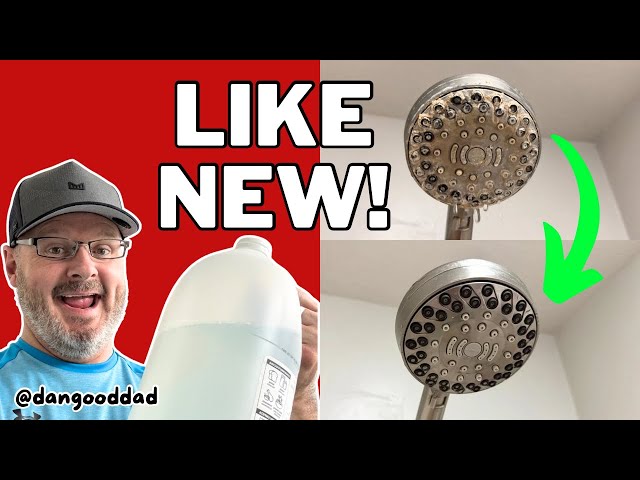
Start by soaking your shower head in white vinegar. Vinegar’s acidity breaks down the mineral deposits that clog the nozzles and reduce water pressure.
If your shower head is detachable, remove it and place it in a bowl filled with vinegar. Let it soak for at least one hour—overnight soaking works even better for stubborn buildup.
Using A Plastic Bag Method
If you can’t remove your shower head, fill a plastic bag with vinegar and secure it around the shower head using a rubber band or twist tie. This keeps the vinegar in contact with the surfaces that need cleaning without making a mess.
Make sure the bag covers the entire head and leave it on for an hour or more. This method is convenient and avoids the hassle of detaching your shower head entirely.
Scrubbing Residue
After soaking, some mineral deposits may still cling to the shower head. Use an old toothbrush or a soft brush to scrub away any leftover residue gently.
Focus on the nozzles and crevices where buildup tends to hide. Don’t rush this step—thorough scrubbing ensures your shower head delivers a strong, consistent spray.
Alternative Methods
Vinegar is popular for cleaning shower heads, but other options work well too. These alternatives help remove buildup and restore water flow. Each uses simple ingredients or products you might already have at home. Choose what fits your needs and preferences.
Using Baking Soda
Baking soda is a gentle cleaner and deodorizer. Mix it with water to form a paste. Apply the paste to the shower head and let it sit for 15 minutes. Scrub with a soft brush to remove mineral deposits. Rinse thoroughly with warm water to clear residue.
Lemon Juice Option
Lemon juice contains natural acids that dissolve hard water stains. Soak a cloth in lemon juice and wrap it around the shower head. Leave it for 20 to 30 minutes. Wipe away loosened dirt and rinse well. This method leaves a fresh, clean scent behind.
Commercial Cleaners
Commercial cleaners designed for bathroom fixtures can also clean shower heads. Choose a non-abrasive formula to avoid damage. Follow the instructions on the label carefully. Usually, it involves soaking or spraying and then rinsing. These products work fast on tough buildup.

Credit: www.youtube.com
Maintenance Tips
Keeping your shower head clean extends its life and ensures a steady water flow every time you shower. Maintenance isn’t just about occasional deep cleans; it’s about simple habits that prevent buildup and keep your shower fresh. Let’s look at how you can maintain your shower head using vinegar and smart practices.
Regular Cleaning Schedule
Set a consistent routine for cleaning your shower head with vinegar. Doing this every 1-2 months prevents mineral deposits from becoming stubborn. A quick soak in vinegar for 30 minutes can make a huge difference without much effort.
Think about how often you notice reduced water pressure. Could a regular cleaning schedule save you that hassle? Treat your shower head like any other appliance that needs routine care.
Preventive Measures
- Use a water softener if your water is hard. It reduces the minerals that cause buildup.
- Wipe down your shower head with a cloth after every few showers to keep it dry and less prone to deposits.
- Consider installing a filter to catch sediment before it reaches your shower head.
These small steps might seem simple, but they add up. How often do you think about what’s in your water? Taking preventive action can save you from frequent deep cleans.
Spot Treatment
Notice a stubborn clog or a particular nozzle not spraying well? Apply vinegar directly to that spot using a cotton ball or a small cloth. Let it sit for 15-20 minutes, then scrub gently with an old toothbrush.
This targeted approach saves time and vinegar. It’s perfect when you don’t want to remove the whole shower head or wait for a full soak. Have you ever tried spot treatment instead of a full clean?
Safety Precautions
Cleaning your shower head with vinegar is simple and effective. Safety precautions protect you and your plumbing. Follow these tips to avoid accidents and damage.
Handling Vinegar Safely
Use white vinegar in a well-ventilated area. Avoid breathing in strong vinegar fumes. Wear gloves to protect your skin from irritation. Keep vinegar away from eyes and mouth. Store vinegar out of reach of children and pets.
Avoiding Scratches
Use a soft cloth or sponge to clean the shower head. Avoid abrasive scrubbers or steel wool that can scratch. Be gentle when rubbing the surface. Rinse thoroughly to remove any vinegar residue. Scratches can cause leaks or reduce water flow.
Ensuring Proper Reassembly
Note how parts fit before disassembly. Use a towel to grip small pieces. Tighten connections securely but do not over-tighten. Check for leaks after reassembling. Proper reassembly ensures good water pressure and prevents damage.
Credit: www.youtube.com
Frequently Asked Questions
How Often Should I Clean My Shower Head With Vinegar?
Clean your shower head with vinegar every 1-3 months. This prevents mineral buildup and maintains water flow. Regular cleaning keeps your shower hygienic and efficient.
Can Vinegar Remove Hard Water Stains From Shower Heads?
Yes, vinegar effectively dissolves hard water stains and mineral deposits. Soak the shower head in vinegar for 1-2 hours. Then, scrub gently to remove buildup and restore shine.
Is It Safe To Use Vinegar On All Shower Head Materials?
Vinegar is safe for most metal and plastic shower heads. Avoid using vinegar on brass or gold finishes, as it may damage them. Always check manufacturer guidelines before cleaning.
How Do I Clean A Shower Head Without Removing It?
Fill a plastic bag with vinegar and secure it around the shower head. Let it soak for 1-2 hours. Remove the bag and run water to flush out deposits.
Conclusion
Cleaning your shower head with vinegar is easy and effective. Vinegar removes dirt and buildup fast. This simple method saves money and avoids harsh chemicals. Regular cleaning keeps water flowing well and improves shower experience. Just soak, scrub, rinse, and repeat as needed.
A clean shower head means better water pressure and cleaner water droplets. Try this natural way to keep your bathroom fresh and working right. Simple steps make a big difference.