Are your paint brushes stiff and hard to use? It’s frustrating when your favorite brushes dry out and lose their softness.
But don’t toss them out just yet. You can bring them back to life with simple steps you can do at home. You’ll learn easy and effective ways to clean those stubborn, stiff paint brushes. Keep reading, and you’ll save money, time, and get your brushes working like new again.
Credit: www.tiktok.com
Causes Of Stiff Paint Brushes
Paint brushes become stiff when paint dries on the bristles. Leftover paint and lack of cleaning cause hard, unusable brushes. Removing dried paint and buildup helps restore brush softness.
Stiff paint brushes can be a real headache for any artist or DIY enthusiast. If you’ve found your brushes resembling more of a stick than a tool for creativity, you’re not alone. Understanding the causes behind this rigidity can help you prevent it in the future and restore your brushes to their former glory. Let’s dive into the common culprits that lead to stiff paint brushes.
Dried Paint Residue
One of the most common reasons paint brushes become stiff is dried paint residue. After a productive painting session, it’s easy to overlook the importance of thoroughly cleaning your brushes. As paint dries, it hardens and clogs the bristles, turning your brush into a solid mass. If you’ve ever found your brushes unyielding despite your best cleaning efforts, dried paint might be the culprit.
Improper Cleaning Methods
Believe it or not, how you clean your brushes matters just as much as the fact that you do. Many people are in a rush and use water alone, thinking it’s enough to remove all paint. But water can’t dissolve certain paint types thoroughly, leaving residue behind. Imagine the frustration of reaching for a brush only to find it unusable because of leftover paint. Proper cleaning techniques are crucial to maintaining the flexibility of your brushes.
Type Of Paint Used
The type of paint you use plays a significant role in brush stiffness. Oil paints, for instance, are notorious for hardening quickly if not cleaned immediately. Acrylics, on the other hand, might seem harmless but can also cause stiffness if left to dry on the bristles. Have you ever wondered why some brushes seem to be more prone to stiffness than others? It could very well be the type of paint you’re using. Understanding the characteristics of your paint can lead to better brush care. Taking a moment to reflect on these causes can save you time and frustration in the future. What steps will you take to ensure your brushes stay soft and ready for your next masterpiece?
Basic Supplies Needed
Before tackling those stiff paint brushes, gathering the right supplies makes all the difference. Having everything at hand saves time and prevents frustration during the cleaning process. Let’s look at the essential items you need to bring your brushes back to life effectively.
Cleaning Solvents
Choosing the right cleaning solvent depends on the type of paint used. For water-based paints, warm soapy water often does the trick. However, oil-based paints require stronger solvents like mineral spirits or paint thinner.
Keep in mind, using the correct solvent not only cleans better but also protects your brushes from damage. Have a small container ready for soaking brushes overnight if needed. Have you noticed how some solvents dissolve paint faster than others? That’s why picking the right one matters.
Brush Comb And Tools
A brush comb is invaluable for detangling bristles and removing dried paint. Using your fingers alone rarely gets deep into the bristles. A comb helps separate them gently without causing damage.
Other handy tools include wire brushes or old toothbrushes for scrubbing stubborn paint spots. You might also want a metal scraper for thick clumps. These tools make cleaning thorough and less time-consuming.
Protective Gear
Working with solvents and scrubbing brushes can be tough on your skin. Wearing gloves protects your hands from harsh chemicals and irritants. Nitrile gloves are especially good because they resist solvents better than latex.
Don’t forget to protect your eyes with safety goggles if you’re using strong solvents. Proper ventilation is also key—open windows or use a fan to avoid inhaling fumes. Taking these safety steps ensures your cleaning session is safe and comfortable.
Step-by-step Cleaning Process
Cleaning stiff paint brushes requires patience and the right technique. Follow this clear process to soften and clean your brushes effectively. Each step helps remove dried paint and restores brush flexibility. Use these steps to keep your brushes in good shape for future projects.
Soaking The Brush
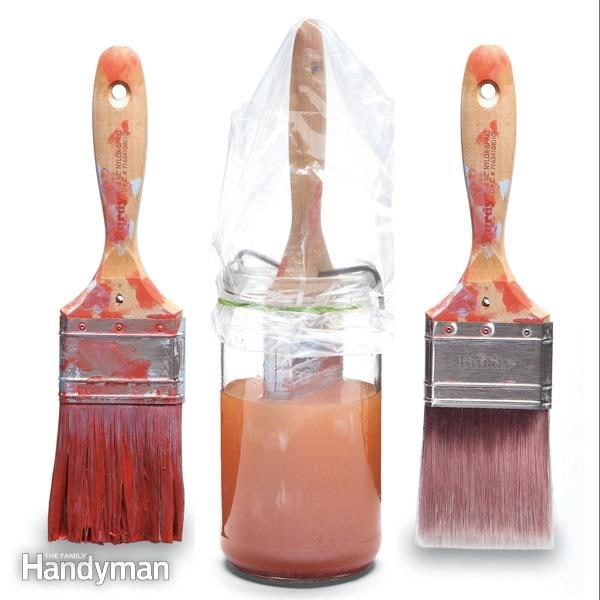
Fill a container with warm water or paint thinner, depending on the paint type. Dip the brush bristles fully into the liquid. Let the brush soak for 30 minutes or longer if paint is thick. Soaking loosens dried paint and softens stiff bristles. Avoid soaking the handle to prevent damage.
Removing Paint Residue
After soaking, gently scrape paint off the bristles using a brush comb or an old fork. Work from the base to the tip of the bristles. Use your fingers to pull apart clumped bristles carefully. Repeat scraping and pulling until most paint is removed. Be gentle to avoid breaking bristles.
Rinsing And Drying
Rinse the brush under warm running water to wash away loosened paint. Use mild soap to clean the bristles thoroughly. Rinse again to remove all soap. Shake excess water off and reshape the bristles with your fingers. Lay the brush flat or hang it to dry completely before storing.
Credit: www.ninjacart.com
Natural Remedies For Stiff Brushes
Stiff paint brushes can be frustrating, especially when you’re ready to dive into your next project. Instead of tossing them out, try natural remedies that can soften those bristles without harsh chemicals. These simple household ingredients can bring life back to your brushes gently and effectively.
Using Vinegar
Vinegar is a powerful natural cleaner that works wonders on dried paint. Heat some white vinegar until it’s warm (not boiling), then soak your stiff brushes in it for about 30 minutes.
After soaking, use your fingers or a comb to gently remove loosened paint. You’ll notice the bristles becoming more flexible, ready for your next painting session.
Applying Baking Soda
Baking soda is not just for baking—it’s great at breaking down hardened paint. Make a paste by mixing baking soda with a little water and apply it directly to the brush bristles.
Rub the paste into the stiff areas, then rinse thoroughly. The mild abrasive action of baking soda helps scrub away paint without damaging the brush.
Olive Oil Treatment
If your brushes feel dry and brittle, olive oil can restore softness and shine. After cleaning the brush, apply a small amount of olive oil to the bristles and work it in gently.
Let it sit for a few hours or overnight, then wipe off excess oil. Your brush will feel more flexible and ready for use, proving that sometimes a little extra care goes a long way.
Preventing Brushes From Stiffening
Stiff paint brushes can ruin your painting experience and waste your money. Preventing brushes from stiffening is easier than fixing them once they’re hard. You just need a little care right after you finish painting and some smart habits when storing and choosing brushes.
Proper Cleaning After Use
Cleaning your brush immediately after use is the best way to keep it soft. Rinse the brush in the appropriate solvent—water for water-based paints, and mineral spirits or paint thinner for oil-based paints.
Use your fingers or a brush comb to gently remove paint from the bristles. Avoid letting paint dry on the brush; even a small amount can cause stiffness.
Have you ever left paint on your brush overnight and found it impossible to clean the next day? That’s the problem you’re preventing here.
Storing Brushes Correctly
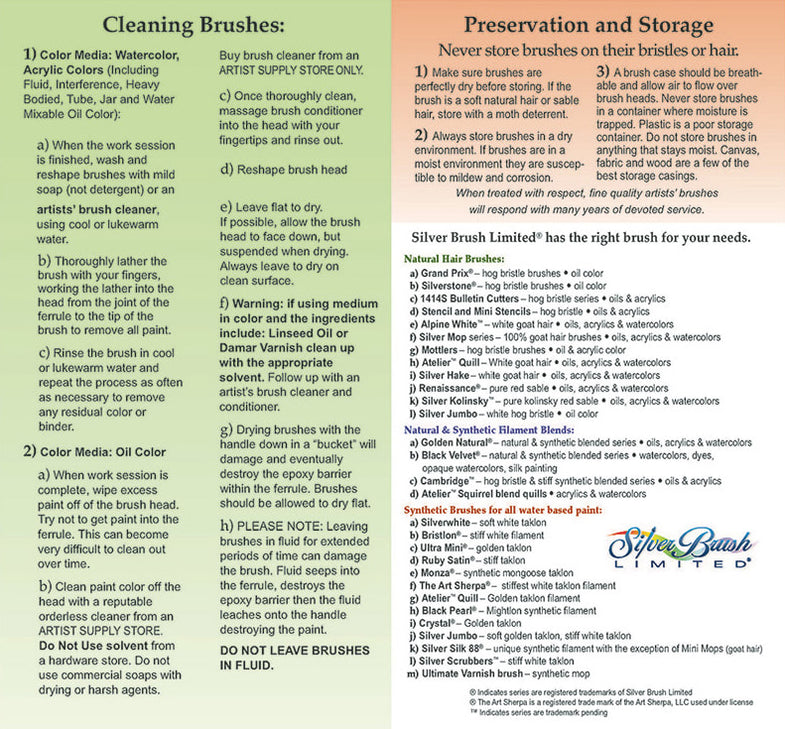
How you store your brushes matters just as much as how you clean them. Hang brushes by their handles or lay them flat to keep bristles straight and avoid bending.
Never store brushes standing on their bristles, as this causes them to splay and stiffen over time. Also, keep brushes in a dry place to prevent mold and mildew, which can damage bristles.
Choosing The Right Brush For Paint Type
Using the wrong brush can make cleaning harder and increase stiffness. Natural bristle brushes work best with oil-based paints, while synthetic bristles suit water-based paints better.
Selecting the right brush means less paint sticks inside the bristles, making cleaning easier and preventing stiffness. Do you know what type of paint your brush is designed for? It’s worth checking before you start your next project.
When To Replace Stiff Brushes
Knowing when to replace stiff paint brushes saves time and effort. Sometimes cleaning is not enough to restore the brush. Using a damaged brush affects paint quality and your project’s finish. Recognizing the signs helps avoid frustration and wasted materials.
Signs Of Irreparable Damage
- Bristles are permanently bent or broken.
- Brush sheds bristles during use.
- Bristles feel hard and do not soften after cleaning.
- Handle is cracked or loose from the ferrule.
- Paint residue remains deep inside the bristles.
These signs show the brush cannot perform well. Continuing to use it will cause uneven strokes and rough surfaces.
Cost Vs. Repair Considerations
Repairing a stiff brush takes time and effort. Sometimes, replacement costs less than continuous cleaning supplies.
| Factor | Repair | Replacement |
|---|---|---|
| Time Required | 30+ minutes per brush | Instant, ready to use |
| Effectiveness | May not restore original quality | New brush performs well |
| Cost | Low to moderate (cleaners, solvents) | Varies, often affordable |
Consider these points before deciding. Sometimes investing in a new brush improves results and saves hassle.
Credit: www.silverbrush.com
Frequently Asked Questions
How Do I Soften Stiff Paint Brushes Quickly?
Soak the stiff brushes in warm, soapy water for 15-30 minutes. Use a brush comb or old toothbrush to loosen dried paint gently. Repeat if needed to restore brush flexibility and improve paint application.
What Household Items Clean Hardened Paint Brushes?
White vinegar and baking soda effectively soften dried paint on brushes. Soak the brush in vinegar for 15 minutes, then scrub with baking soda. Rinse well and repeat as necessary for best results.
Can I Save Brushes Stiffened By Dried Paint?
Yes, soaking brushes in mineral spirits or paint thinner can dissolve dried paint. Use gloves and work in a ventilated area. After soaking, rinse with warm soapy water and reshape the bristles.
Why Should I Clean Paint Brushes Immediately After Use?
Cleaning immediately prevents paint from drying and hardening on bristles. This maintains brush shape, prolongs lifespan, and ensures smooth, even paint application for future projects.
Conclusion
Cleaning stiff paint brushes takes patience and the right steps. Start by soaking the brush in warm, soapy water. Gently work the bristles with your fingers or a comb. Rinse well to remove all paint and soap. Repeat if the brush still feels hard.
Regular cleaning keeps brushes soft and ready to use. Taking care of your brushes saves money and effort. Try these tips after every painting job for best results. Your brushes will last longer and paint better. Simple habits make a big difference in brush care.