Are your outdoor lights flickering, dim, or just not working the way they used to? Changing your outdoor light might seem tricky, but it’s easier than you think—and it can make a huge difference in your home’s safety and curb appeal.
In this guide, you’ll discover simple steps to replace your outdoor light quickly and safely. Keep reading, and you’ll have your new light shining bright in no time!
Tools And Materials Needed
Changing outdoor lights can brighten up your space. Having the right tools and materials makes the job easier and safer. Let’s explore what you need to ensure a smooth process.
Basic Tools Checklist
Having basic tools ready is essential. A screwdriver is often needed for removing light covers. Pliers can help with loosening and tightening nuts. A voltage tester ensures no power flows before you start. Keep a sturdy ladder handy for reaching higher spots.
Choosing The Right Bulbs
Select bulbs that suit your outdoor needs. LED bulbs last long and save energy. Halogen bulbs offer bright light but use more power. Check the wattage and socket type to match your fixture. Weather-resistant bulbs endure harsh conditions better.
Safety Gear Essentials
Prioritize safety with the right gear. Wear insulated gloves to protect against electric shocks. Safety goggles shield your eyes from debris. Non-slip shoes provide stability when climbing ladders. Ensure your ladder is stable and secure before use.

Credit: www.reddit.com
Preparing The Area
Preparing the area before changing outdoor lights is crucial for safety and efficiency. A well-prepared workspace helps avoid accidents and makes the task smoother. Start by making sure the power is off, then clear the surrounding space for easy access.
Turning Off Power
Turn off the power at the circuit breaker. This step stops electricity from flowing to the light fixture. Use a voltage tester to confirm the power is off. Never skip this step to avoid electric shock.
Clearing The Workspace
Remove any objects around the light fixture. Clear away plants, furniture, and debris. This creates a safe zone for working. Keep tools and replacement parts nearby for convenience. A tidy area reduces the risk of tripping or damage.
Removing The Old Fixture
Removing the old outdoor light fixture is the first step to a successful replacement. It requires caution and the right tools. Start by preparing the area and turning off the power to avoid shocks. Taking your time ensures safety and prevents damage to the wiring.
Unscrewing The Fixture
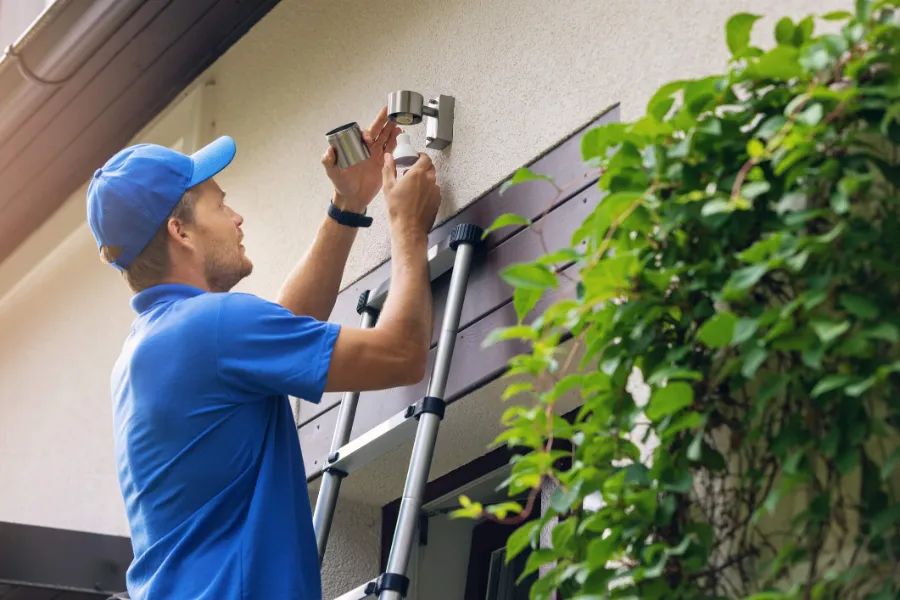
Locate the screws holding the fixture to the wall or ceiling. Use a screwdriver that fits the screws well to avoid stripping them. Hold the fixture steady while unscrewing. Some fixtures have a cover or glass that must be removed first. Set the screws and parts aside for reinstallation or disposal.
Disconnecting Wires Safely
Check that the power is off at the circuit breaker. Gently pull the fixture away to expose the wiring. Identify the wire connectors or wire nuts that join the fixture wires to the house wiring. Twist off the wire nuts carefully. Separate the wires and wrap their ends with electrical tape for safety. Avoid letting wires touch each other or metal parts.
Installing The New Light
Installing your new outdoor light is the moment when all your preparation pays off. It’s where you connect the electrical system and secure the fixture so it’s both functional and safe. Taking your time here ensures the light not only looks good but lasts through weather changes and usage.
Connecting Wires Correctly
Handling electrical wires can feel tricky, but it’s essential to get the connections right for safety and performance. Always turn off the power at the breaker before touching any wiring. Use a voltage tester to double-check the power is off before proceeding.
Identify the wires carefully: typically, black or red wires carry the live current, white wires are neutral, and green or bare copper wires are ground. Connect matching wires together using wire nuts—black to black, white to white, and ground to ground. Secure the wire nuts by twisting them firmly and then gently tug on the wires to ensure they won’t come loose.
Have you ever skipped a wire check only to find your new light flickering or not working at all? Taking a few extra minutes to double-check connections will save you frustration and extra trips outside after dark.
Mounting The Fixture Securely
Your new light needs to be firmly mounted to withstand wind, rain, and the test of time. Start by aligning the fixture with the mounting bracket or electrical box on your wall. Use the screws that came with your light or ones suitable for outdoor use to attach the fixture tightly.
If your wall surface is uneven, add a mounting plate to create a level base. This small adjustment can prevent the fixture from wobbling or pulling away from the wall over time. Don’t forget to tuck the wires neatly inside before tightening everything down.
Think about your last outdoor light that sagged or tilted—could better mounting have made it last longer? Secure installation is key to keeping your outdoor space well-lit and your investment protected.
Testing And Adjustments
After replacing your outdoor light, the next crucial phase is testing and making necessary adjustments. This ensures your new installation works correctly and safely. Skipping this step might leave you with a light that flickers, doesn’t turn on, or drains power unexpectedly.
Restoring Power
First, turn the power back on at the circuit breaker or fuse box. If you’re unsure which switch controls your outdoor light, label your breakers for future convenience. Always double-check that the power is fully restored before moving forward.
Have you ever flipped the switch only to realize you forgot to restore power? I have, and it’s a simple mistake that wastes time. Taking a moment to confirm power is restored helps avoid unnecessary frustration.
Checking Light Functionality
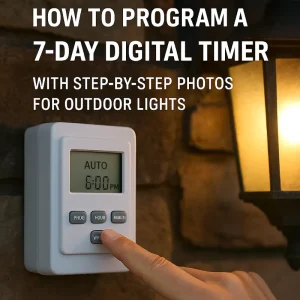
Once the power is back, switch on your outdoor light to see if it illuminates properly. Check for steady, consistent light without flickering or dimming. If your light has a sensor or timer, test these features to ensure they work as expected.
Sometimes, the bulb might be loose or not compatible with the fixture. Tighten the bulb gently and replace it with the correct wattage if needed. Does your light respond well to its controls? If not, it’s time to reassess wiring or settings.
Making Final Adjustments
Adjust the angle and direction of the light to cover the desired area effectively. If you installed a motion sensor, set its sensitivity and range based on your outdoor space. Small tweaks here can make a big difference in both security and energy savings.
Consider the light’s brightness and timer settings too. Are they aligned with your needs, or do you need to dim the light or extend its on-time? Testing different settings helps you create the perfect outdoor lighting environment tailored to your home.

Credit: www.reddit.com
Tips For A Brighter Outdoor Space
Creating a brighter outdoor space is more than just swapping out old bulbs. It’s about making smart choices that enhance visibility, safety, and the overall vibe of your yard or patio. Small adjustments in lighting can transform your evenings outside, making the space inviting and functional.
Choosing Energy-efficient Options
Switching to energy-efficient lighting saves you money and reduces your environmental impact. LEDs are an excellent choice because they use less power and last much longer than traditional bulbs. You might find that LED bulbs come in various brightness levels and color temperatures, so you can pick the perfect tone for your outdoor area.
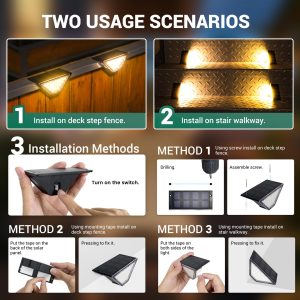
Solar-powered lights are another option that cuts down on electricity bills. They charge during the day and automatically light up at night, which adds convenience. Think about where you want to install these lights, as they need direct sunlight to work well.
Positioning For Optimal Lighting
Where you place your outdoor lights significantly affects how bright and useful your space feels. Position lights to eliminate dark corners and highlight key areas like pathways, entrances, or seating spots. You want to avoid shining lights directly into your eyes or your neighbors’ windows.
Try layering your lighting by combining different types, such as overhead fixtures, spotlights, and ground lights. This approach adds depth and dimension, giving you better control over brightness and shadows. Have you noticed how a well-lit garden invites you to linger longer? That’s no accident—good positioning makes a huge difference.
Credit: electricianportertx.com
Frequently Asked Questions
How Do I Safely Turn Off Outdoor Lights?
Always switch off the power at the circuit breaker before working on outdoor lights. Use a voltage tester to confirm no electricity flows. Safety ensures you avoid shocks while changing the fixture or bulb. Never rely on the wall switch alone.
What Tools Are Needed To Change Outdoor Lights?
You typically need a screwdriver, voltage tester, ladder, and replacement bulb or fixture. Additional tools may include wire strippers and electrical tape for wiring tasks. Having the right tools ensures a smooth and safe light replacement process.
How To Choose The Right Replacement Outdoor Light?
Consider the fixture’s size, style, and weather resistance. Opt for LED bulbs for energy efficiency and brightness. Ensure the new light matches your home’s exterior and complies with local electrical codes.
Can I Replace Outdoor Lights Myself?
Yes, if you follow safety guidelines and have basic electrical knowledge. Turn off power, use proper tools, and carefully handle wiring. For complex installations, consult a licensed electrician to avoid hazards.
Conclusion
Changing outdoor lights can be simple and quick. Follow safety steps to avoid any risks. Choose the right bulb for brightness and style. Check your work before turning power back on. A well-lit space improves home safety and looks nice.
Try changing lights yourself to save money and learn new skills. Keep tools handy for future lighting updates. Brighten your outdoor space with confidence and ease.