Are you planning to install a cathedral ceiling fan but worried about how to create the perfect support box? Building a sturdy box for your cathedral ceiling fan might seem tricky, but it’s easier than you think.
With the right steps, you can ensure your fan is safe, stable, and looks great. Keep reading, and you’ll discover simple tips and clear instructions that make this project manageable—even if you’re not a seasoned DIYer. By the end, you’ll have the confidence to build a strong box that fits your ceiling perfectly and keeps your fan running smoothly.
Let’s get started!
Materials And Tools Needed
Gathering the right materials and tools is crucial before you start building a box for your cathedral ceiling fan. Having everything ready saves time and prevents frustration during the project. It also ensures your finished box is sturdy and safe.
Materials Needed
- Wood boards:Choose 1×4 or 1×6 pine boards for the frame and box sides. They are strong yet easy to work with.
- Plywood sheet:A 1/4-inch plywood sheet works well for the box bottom or backing.
- Wood screws:Use 1 1/4-inch screws to securely fasten the wood pieces together.
- Wood glue:Adds extra hold alongside screws for a solid structure.
- Sandpaper:Medium grit (120-150) to smooth edges and surfaces before finishing.
- Paint or stain:Pick a finish that matches your ceiling fan or room décor.
- Mounting bracket:Check if your fan requires a special bracket to attach the box safely to the ceiling.
Tools Required
- Measuring tape:Accurate measurements prevent mistakes and wood waste.
- Saw:A circular saw or miter saw speeds up cutting wood to size.
- Drill:Needed to pre-drill holes and drive screws without splitting the wood.
- Screwdriver:A manual or electric screwdriver helps with final assembly.
- Level:Ensures your box sits perfectly even on the ceiling.
- Clamps:Hold wood pieces steady while glue dries or screws go in.
- Pencil:Mark cut lines and measurements clearly on wood.
Have you ever started a project only to realize halfway through that you’re missing a crucial tool? That frustration can be avoided by preparing your workspace and tools ahead of time. Think about the ease of having everything at arm’s reach when assembling your ceiling fan box.
Preparing The Ceiling Area
Preparing the ceiling area is a vital step before building a box for a cathedral ceiling fan. This process ensures the fan will be securely mounted and operate safely. Proper preparation helps avoid damage to the ceiling and ensures the fan’s stability.
Start by clearing the work area. Remove any light fixtures or decorations near the installation site. This keeps the space safe and accessible.
Safety Precautions
Safety must come first. Turn off power to the ceiling area at the circuit breaker. Use a voltage tester to confirm no electricity runs to the fixture.
Wear safety glasses to protect your eyes from dust and debris. Use a sturdy ladder to reach high areas. Keep your tools organized to avoid accidents.
Locating The Joists
Joists are the wooden beams that support the ceiling. The fan box must attach to a joist for stability. Use a stud finder to locate these beams inside the ceiling.
Mark the joist positions with a pencil. Measure carefully to center the fan box between joists. Double-check the marks before cutting into the ceiling.
Designing The Box Structure
Designing the box structure for a cathedral ceiling fan requires careful planning. The box must support the fan’s weight and fit perfectly in the angled ceiling. A solid design ensures safety and durability while enhancing the room’s look.
Focus on key elements like size and materials. These factors affect how well the box holds the fan and how easy it is to install. A well-designed box blends with the ceiling and keeps the fan stable during use.
Choosing The Right Dimensions
The box size depends on your fan’s size and ceiling angle. It must fit snugly between the ceiling joists. Measure the fan’s mounting bracket to match the box dimensions.
The box should be deep enough to house wiring and support hardware. Usually, a depth of 4 to 6 inches works well. Width and length should allow space for screws and bolts.
- Measure ceiling joist spacing carefully
- Account for wiring clearance
- Ensure enough space for fan mounting bracket
- Consider room for insulation if needed
Double-check all measurements before cutting wood. Accurate dimensions prevent weak spots and installation issues.
Selecting The Wood Type
Choose wood that is strong and easy to work with. Pine and fir are popular choices due to their strength and availability. They hold screws well and resist warping.
Avoid softwoods that may crack under weight. Hardwood options like oak add strength but can be harder to cut. Consider your tools and skill level when picking wood.
- Use kiln-dried wood to reduce moisture problems
- Opt for smooth, knot-free boards for stability
- Choose wood thickness of at least 3/4 inch
- Consider treated wood for moisture resistance
Good wood choice ensures the box lasts and supports the fan safely.
Credit: www.diychatroom.com
Cutting And Assembling The Box
Cutting and assembling the box for a cathedral ceiling fan requires care and precision. The box must fit perfectly to support the fan and match the ceiling’s angle. Accurate measurements and clean cuts help create a sturdy frame. Follow these steps to prepare and join the panels confidently.
Measuring And Cutting The Panels
Start by measuring the space where the box will sit. Check the width, length, and depth needed for the fan. Remember to add extra space for wiring and mounting brackets.
Mark the panels on your wood or drywall carefully. Use a straight edge or square tool to keep lines straight. Cut the panels using a saw suited for your material. Smooth the edges with sandpaper to prevent splinters and improve fit.
Assembling The Box Frame
Arrange the cut panels on a flat surface. Align the edges to form the box shape. Use wood screws or nails to join the panels securely. Reinforce corners with metal brackets for added strength.
Double-check the box dimensions and angles before fixing everything permanently. Ensure the box sits flush with the ceiling’s slope. This alignment helps the fan hang straight and operate safely.
Securing The Box To The Ceiling
Securing the box to the ceiling is a crucial part of installing a cathedral ceiling fan. A strong and stable box holds the fan safely. Without proper support, the fan may wobble or fall. This section explains how to attach the box firmly to the ceiling structure.
Drilling And Mounting
Start by locating the ceiling joists. Use a stud finder to mark their position. Drill pilot holes into the joists to prevent wood splitting. Make sure the holes align with the box’s mounting holes.
Use heavy-duty screws to fix the box to the joists. Drive screws straight and deep for a tight hold. Avoid using drywall anchors alone; they cannot support fan weight. The box should fit flush against the ceiling surface.
Ensuring Stability
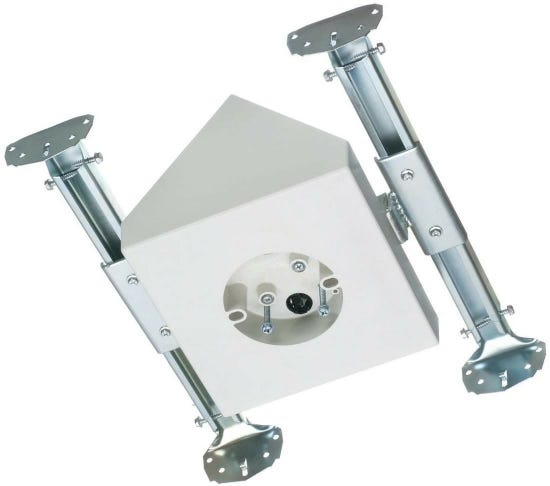
Check the box for any movement after mounting. It should feel solid without any wiggle. Add extra braces or supports between joists if needed. Use metal fan brace kits designed for cathedral ceilings.
Confirm the box is rated for fan installation. Electrical boxes for lights may not support fans. A fan-rated box prevents accidents and complies with safety codes. Proper stability keeps your cathedral ceiling fan safe and steady.
Installing The Ceiling Fan
Installing a ceiling fan in a cathedral ceiling requires care and precision. Proper installation ensures safety and smooth operation. This section guides you through wiring the fan and attaching it securely to the box.
Wiring The Fan
Turn off the power at the circuit breaker before starting. Connect the house wires to the fan wires by color:
- Black (hot) to black
- White (neutral) to white
- Green or bare copper (ground) to green or copper
Use wire nuts to secure the connections tightly. Wrap electrical tape around the wire nuts for extra safety. Push the wires gently into the box to avoid damage.
Attaching The Fan To The Box
Lift the fan motor assembly carefully. Align the mounting bracket with the box screws. Secure the bracket tightly to the box to support the fan’s weight.
Hang the fan motor on the bracket hook or slot. This keeps the fan stable while making final wiring connections. Attach the fan blades and light kit according to the manufacturer’s instructions.
Final Touches And Testing
Final touches and testing are key to finishing your cathedral ceiling fan box. These steps make sure the box looks great and works well. Taking time here prevents problems later.
Painting Or Finishing
Choose paint or stain that matches your ceiling or fan. Use a primer first for better paint hold. Apply thin, even coats and let each dry fully. Sand lightly between coats for a smooth surface.
If you prefer a natural wood look, apply a clear sealer. This protects the wood from moisture and dust. Avoid thick layers to keep the wood grain visible.
Testing Fan Functionality
Turn on the power to test the fan and light. Check if the fan spins smoothly without wobbling or noise. Test all speed settings and remote controls if available.
Watch for any flickering lights or unusual sounds. Tighten screws if the fan feels loose. Confirm the fan box securely holds the fan without movement.
Perform a final check after several minutes of running. This ensures stable operation and safety. Fix any issues before finishing your project.
Credit: www.tiktok.com

Credit: www.amazon.com
Frequently Asked Questions
How Do I Start Building A Box For A Cathedral Ceiling Fan?
Begin by measuring the ceiling height and fan size. Cut wood panels to fit the space. Assemble the frame securely, ensuring it supports the fan’s weight. Use proper tools and safety gear throughout the process for best results.
What Materials Are Needed For A Cathedral Ceiling Fan Box?
You’ll need plywood or MDF sheets, wood screws, a drill, wood glue, a saw, and a level. Also, gather brackets or metal straps for extra support. Choose materials that match your ceiling for a seamless look.
How Do I Ensure The Box Supports The Fan’s Weight?
Use sturdy wood like 2×6 or 2×8 lumber for framing. Secure joints with wood screws and metal brackets. Check stability by gently shaking the frame. Reinforce weak points before installing the fan to prevent accidents.
Can I Install The Fan Box Myself Safely?
Yes, with basic carpentry skills and the right tools. Follow safety guidelines, including turning off power and wearing protective gear. If unsure, consult a professional electrician or carpenter to ensure proper and safe installation.
Conclusion
Building a box for a cathedral ceiling fan is simple with clear steps. Measure carefully and choose the right materials first. Cut and assemble the box to fit the ceiling shape well. Secure it tightly to hold the fan safely.
Take your time to avoid mistakes. A strong box keeps your fan steady and safe. Now, you can enjoy cool air and a stylish ceiling look. Try this project and see the difference it makes in your room.