Are you looking to attach wood to concrete but want to avoid the hassle and noise of drilling? You’re not alone.
Whether it’s a quick home fix or a creative project, finding a simple, strong way to join wood and concrete can save you time and frustration. Imagine finishing your task without dust, loud drills, or expensive tools. You’ll discover easy, effective methods that anyone can use to bond wood to concrete securely—no drilling required.
Keep reading, and you’ll learn how to get the job done fast and clean, making your project smoother than ever.

Credit: www.youtube.com
Adhesive Solutions
Attaching wood to concrete without drilling is easier than you might think, especially when you have the right adhesive solutions. These options save time and avoid the hassle of dust and noise from drilling. They also provide a strong, lasting bond if applied correctly.
Construction Adhesives
Construction adhesives are designed to bond wood and concrete firmly. They come in easy-to-use tubes that you apply with a caulking gun. These adhesives are perfect for projects like attaching baseboards or mounting wooden panels.
Make sure the concrete surface is clean and dry before applying the adhesive. Press the wood firmly against the concrete and hold it in place for a few minutes. You’ll find that many adhesives set quickly but reach full strength after 24 to 48 hours.
One tip from my own experience: avoid using too much adhesive, as it can squeeze out and create a mess. A thin, even layer works best and saves you from extra cleanup.
Epoxy Bonding
Epoxy bonding offers a super strong connection between wood and concrete. This two-part adhesive involves mixing a resin with a hardener, which then chemically cures to form a tough bond. It’s ideal for heavier or load-bearing installations.
Before you apply epoxy, roughen the concrete surface with sandpaper or a wire brush. This step increases adhesion by giving the epoxy something to grip onto. Apply the mixed epoxy to both surfaces and clamp the wood in place until it cures.
Have you considered epoxy for your project but worried about mixing it? Many brands now offer pre-measured cartridges that mix automatically when dispensed, making the process less intimidating and more precise.
Using Concrete Nails
Using concrete nails is a straightforward way to attach wood to concrete without the hassle of drilling. This method works well for lighter wood pieces and smaller projects where heavy-duty anchoring isn’t necessary. You’ll need the right tools and nails designed specifically for concrete to make sure your wood stays firmly in place.
Choosing The Right Nails
Not all nails are made for concrete. You need hardened steel concrete nails that can penetrate the surface without bending or breaking.
- Length:Pick nails long enough to go through the wood and at least 1 to 1.5 inches into the concrete.
- Diameter:Thicker nails provide better hold but require more force to drive in.
- Coating:Galvanized or coated nails resist rust, especially for outdoor use.
Choosing the wrong nail can lead to a weak hold or damage to your materials. Have you ever tried using regular nails on concrete? It’s frustrating when they just bend or break.
Installation Tips
Driving concrete nails requires precision and the right technique. Start by marking where you want to attach the wood. Use a hammer with enough weight—usually a 16 to 20-ounce hammer works well.
- Hold the nail steady and start with light taps to set it in place.
- Increase your hammering force gradually to avoid bending the nail.
- Keep the nail perpendicular to the surface to maximize grip.
One trick I learned is to use a small piece of scrap wood as a buffer under your hammer. It helps protect your wood from dents when you’re hammering the nails through.
Consider the wood thickness and concrete hardness before nailing. If you feel excessive resistance, stop and reassess to avoid ruining your materials. Have you noticed how patience and the right technique make a huge difference when nailing into concrete?
Exploring Powder-actuated Fasteners
Powder-actuated fasteners offer a powerful solution for attaching wood to concrete without the hassle of drilling. These fasteners use a small explosive charge to drive nails or pins directly into hard surfaces, providing a secure hold in seconds. If you need a strong, quick fix, this tool might just change how you work on tough materials.
Safety Precautions
Using powder-actuated fasteners requires careful attention to safety. Always wear protective glasses and hearing protection, as the tool produces loud noise and flying debris.
Keep the tool pointed away from yourself and others at all times. Never use the fastener on brittle or hollow materials, as this can cause dangerous ricochets.
Make sure to read the manufacturer’s instructions fully before using the tool. If you’re new to powder-actuated fasteners, practicing on scrap materials first can build confidence and reduce accidents.
Proper Techniques
Hold the tool firmly against the wood and concrete surface before firing to ensure a straight, secure fastening. Pressing too lightly can cause the fastener to misfire or not penetrate deeply enough.
Choose the right fastener length and power level for your specific project. Too long or too powerful can damage the wood or concrete, while too short or weak may result in a loose attachment.
Position your fasteners evenly to distribute holding power and avoid splitting the wood. Consider spacing them every 6 to 12 inches depending on the load and wood thickness.
Have you checked if your concrete surface is clean and dry? Dust or moisture can reduce the fastener’s effectiveness. A quick wipe before fastening can make a big difference in strength.
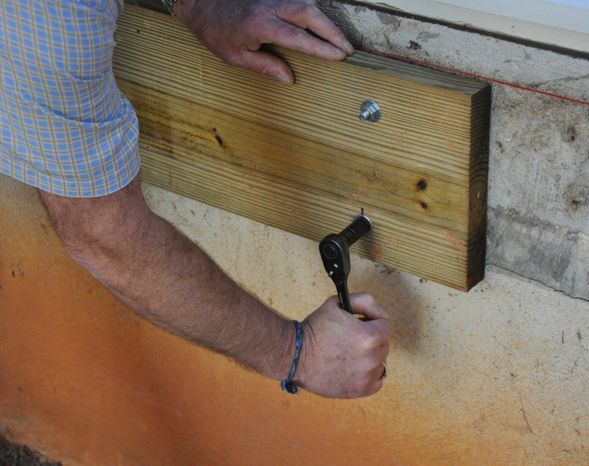
Credit: www.decks.com
Utilizing Wood-to-concrete Connectors
Attaching wood to concrete without drilling can seem tricky, but wood-to-concrete connectors make the job much easier and cleaner. These connectors provide a strong bond without the need for power tools or making holes in your concrete surface. They offer a practical solution when you want to avoid dust, noise, or the risk of cracking concrete.
Types Of Connectors
There are several types of wood-to-concrete connectors available, each designed for different needs and surface conditions. Here are some common options:
- Adhesive Mounting Plates:Metal plates with a strong adhesive backing that stick directly to concrete and provide a surface to screw or nail wood into.
- Construction Adhesives:Heavy-duty glue specifically formulated for bonding wood to concrete without mechanical fasteners.
- Concrete Mounting Brackets:Brackets that use a strong adhesive or epoxy to hold wooden beams securely in place.
- Epoxy Anchors:Epoxy-based systems that bond metal connectors to concrete, allowing you to fasten wood without drilling.
Choosing the right connector depends on the weight of the wood, the environment, and how permanent you want the attachment to be. Have you ever tried using construction adhesive and found it didn’t hold up? Picking the right product can make all the difference.
Installation Process
Installing wood-to-concrete connectors is straightforward but requires attention to detail for a secure hold. Here’s a simple process to follow:
- Clean the Concrete Surface:Remove dust, grease, or loose debris. Use a wire brush or a vacuum to ensure the area is clean for better adhesion.
- Prepare the Connector:If using adhesive mounting plates or brackets, apply the adhesive or epoxy as directed on the product label.
- Attach the Connector:Press the connector firmly onto the concrete surface. Hold it in place for the recommended time to ensure a strong bond.
- Secure the Wood:Once the connector has set, attach your wood piece using screws or nails if the connector allows it. For adhesives, press the wood firmly against the concrete and clamp if necessary until fully cured.
Patience during curing can prevent weak bonds. Have you noticed sometimes a quick fix can come undone? Taking time to let adhesives cure fully saves you from redoing the work.
Surface Preparation Techniques
Preparing the surfaces of both wood and concrete is key to a strong bond without drilling. Proper surface preparation ensures adhesives stick well and last long. Neglecting this step can cause weak attachment and early failure.
Focus on cleaning and readying both materials carefully. This creates a good base for glues or tapes to work effectively. The following techniques help achieve ideal surface conditions.
Cleaning Concrete Surface
Remove dirt, dust, grease, and loose particles from concrete. Use a stiff brush or broom to sweep the area thoroughly. For stubborn stains, apply a mild detergent mixed with water. Scrub gently and rinse well with clean water.
Allow the concrete to dry completely before applying any adhesive. Moisture can prevent proper bonding and cause problems later. Avoid using harsh chemicals that can damage the concrete surface.
Preparing Wood Material
Check the wood for dirt, dust, and oils. Wipe it down using a damp cloth and mild soap if needed. Let the wood dry fully before moving forward.
Sanding the wood surface lightly helps increase adhesion. Use fine-grit sandpaper to roughen the surface without damaging it. Remove sanding dust with a clean cloth or brush.
Ensure the wood is free from any finishes or sealants that might block glue from sticking. If necessary, strip off old paint or varnish carefully.
Evaluating Strength And Durability
Evaluating the strength and durability of wood attached to concrete without drilling is essential. It ensures the bond will hold firm over time. Proper evaluation prevents future failures and costly repairs. This section explores key ways to test and understand the bond’s performance.
Testing Bond Strength
Testing bond strength shows how well the adhesive holds the wood to concrete. Simple pull tests can measure the force needed to break the bond. Use a clamp or a strong grip to apply steady pressure on the wood. Observe if the wood moves or detaches easily.
Check the adhesive’s curing time before testing. A fully cured bond provides the most accurate results. You can also test different adhesives to find the strongest option. Record the results to compare strength levels clearly.
Long-term Performance
Long-term performance measures how the bond reacts to changing conditions. Moisture, temperature shifts, and weight load can weaken the bond over time. Place the wood and concrete setup in areas with typical weather exposure.
Inspect regularly for signs of wear, such as cracks or loosening. Adhesives designed for outdoor use tend to last longer. Consider environmental factors like humidity and sunlight during evaluation. Keeping track helps choose the right method for your project needs.
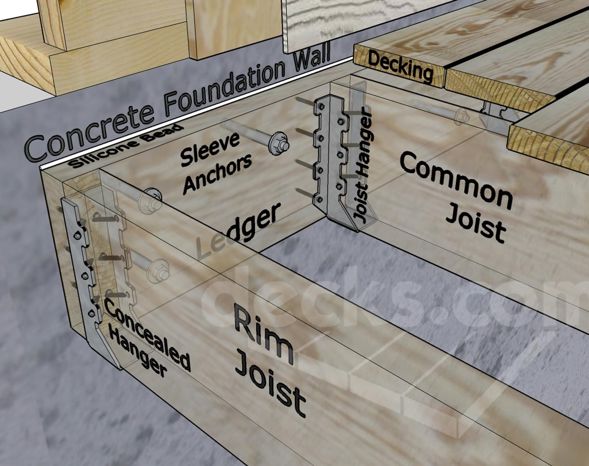
Credit: www.decks.com
Frequently Asked Questions
What Are The Best Adhesives For Wood To Concrete?
Strong construction adhesives like epoxy, polyurethane, and liquid nails work best. They bond wood to concrete without drilling. Always clean surfaces before application for a secure hold.
Can I Use Mounting Tape To Attach Wood To Concrete?
Heavy-duty mounting tape can hold lightweight wood temporarily. It’s not ideal for heavy or load-bearing projects. For durability, consider stronger adhesives or mechanical fasteners.
How Do Epoxy Adhesives Work On Wood And Concrete?
Epoxy creates a chemical bond between wood and concrete surfaces. It cures hard, providing a durable, water-resistant hold. Proper surface preparation ensures maximum adhesion strength.
Is It Safe To Avoid Drilling When Fixing Wood On Concrete?
Yes, avoiding drilling prevents concrete cracks and dust. Using adhesives or fasteners designed for concrete offers a solid fix. Choose methods based on wood weight and project demands.
Conclusion
Attaching wood to concrete without drilling is easier than you think. Use strong adhesives or special tapes for quick fixes. These methods save time and avoid dust or noise. Remember to clean surfaces well before starting. Choose the right product based on your project’s weight and weather.
With these tips, your wood stays secure and looks great. Try these simple steps for a smooth, hassle-free attachment. No need for drills or heavy tools. Just smart solutions that work well every time.