Are you looking to secure your gazebo on concrete but want to avoid the hassle of drilling? You’re not alone.
Drilling can be messy, time-consuming, and sometimes even damage your patio or driveway. Luckily, there are smart, simple ways to anchor your gazebo firmly without making a single hole. You’ll discover easy, effective methods that keep your gazebo stable through wind and weather—without the noise and dust of drilling.
Keep reading to find the perfect solution for your outdoor space and enjoy a worry-free setup today!
Benefits Of Non-drilling Methods
Choosing non-drilling methods to anchor your gazebo to concrete offers practical advantages. These techniques protect your outdoor space while providing strong, reliable support. They also save you time and effort compared to drilling into hard surfaces.
Preserves Concrete Integrity
Non-drilling methods keep your concrete surface intact. This means no cracks or damage that could weaken the foundation over time. If you rent your home or want to maintain resale value, avoiding permanent holes is a smart move.
Easy Installation And Removal
You can secure your gazebo quickly without special tools or professional help. Non-drilling anchors often use weights or clamps that you can adjust or remove anytime. This flexibility allows you to move or store your gazebo with minimal hassle.
Reduces Risk Of Structural Damage
Drilling risks hitting unseen pipes or wires beneath the concrete. With non-drilling options, you avoid those costly mistakes. This makes your project safer and less stressful, especially if you lack construction experience.
Cost-effective And Time-saving
Non-drilling anchors eliminate the need for expensive equipment and extra labor. You save money on drills, bits, and repairs. Plus, installation can often be done in under an hour, freeing you up for other tasks.
Offers Versatility For Different Surfaces
These methods work well on various hard surfaces beyond concrete, such as patios or decks. You don’t have to worry about matching anchor types to different materials. This adaptability gives you more options for placing your gazebo exactly where you want it.
Credit: mrsashleyfrench.com
Choosing The Right Anchoring System
Choosing the right anchoring system is crucial when securing your gazebo to concrete without drilling. The stability of your structure depends on how well the anchoring method matches your gazebo’s characteristics and the conditions around it. A poor choice can lead to safety issues or damage, so take time to assess what you really need.
Assessing Gazebo Size And Weight
Start by considering the size and weight of your gazebo. Larger and heavier gazebos require stronger anchoring systems to prevent shifting or tipping during strong winds.
If your gazebo is lightweight, simpler solutions like weighted anchor bags or heavy-duty rubber mats might suffice. For heavier gazebos, look for anchoring systems that distribute weight evenly and provide solid grip without damaging the concrete.
Ask yourself: How much force will the anchoring system need to resist? This question helps narrow down your options to those that can handle your gazebo’s demands.
Evaluating Environmental Conditions
Environmental factors play a big role in anchoring decisions. Is your gazebo located in an area prone to strong winds, heavy rain, or freezing temperatures?
For windy areas, anchoring systems with high resistance to movement, such as weighted anchors filled with sand or water, offer better security. In wet or freezing environments, materials that don’t degrade or lose weight over time are critical.
Consider local weather patterns and the concrete’s surface condition. Smooth or polished concrete may need different anchoring solutions compared to rough or porous surfaces. What challenges does your environment present to your anchoring system?
Using Weighted Anchors
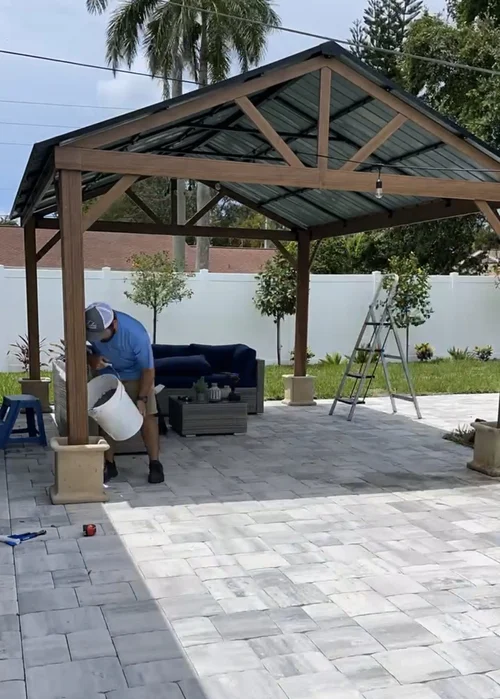
Using weighted anchors is a smart way to secure your gazebo to concrete without drilling. This method avoids damage to your surface and keeps your gazebo stable during windy days. Weighted anchors rely on heavy objects to hold the structure firmly in place, making setup and removal quick and easy.
Types Of Weighted Anchors
There are several types of weighted anchors you can choose from, depending on your needs and budget. Here are some popular options:
- Sandbags:Easy to fill and move, sandbags provide good weight and flexibility. You can place them around the legs of your gazebo for quick stability.
- Water Weights:These are plastic containers designed to be filled with water, offering a clean and adjustable weight source. They’re portable and easy to store when empty.
- Concrete Blocks:Heavy and durable, concrete blocks offer excellent stability but can be harder to move. They work well if your gazebo stays in one place for a long time.
- Weighted Base Plates:Specifically designed for canopies and gazebos, these plates often have straps or hooks to attach directly to the frame.
Placement Tips For Stability
Where you place your weighted anchors matters just as much as the type you choose. Positioning them correctly can prevent your gazebo from shifting or tipping.
- Place weights at each corner of the gazebo. This balances the load and prevents any side from lifting.
- Secure weights to the frame using straps or bungee cords. This keeps them from sliding off in strong winds.
- Distribute the weight evenly. Avoid putting all the heavy anchors on one side, which can cause uneven tension and instability.
- Check the ground surface. If the concrete is slippery, consider adding rubber mats under the weights to reduce sliding.
Have you tried weighted anchors before? You might be surprised how much stability they provide without any permanent changes to your patio or driveway. Give it a try and see how easy it is to keep your gazebo secure without drilling into your concrete.
Sandbags And Water Barrels
Securing your gazebo to concrete without drilling can be a challenge, but sandbags and water barrels offer practical, damage-free solutions. These options provide stability and keep your gazebo firmly in place during windy days. Understanding their benefits and how to use them effectively can make your outdoor setup safer and more reliable.
Advantages Of Sandbags
Sandbags are a simple yet effective way to anchor your gazebo without harming the concrete. They are easy to move around and adjust based on the wind conditions you face.
One key advantage is their affordability; you can fill old bags with sand or dirt from your yard, making it a budget-friendly option. Sandbags also conform well to uneven surfaces, providing stable weight distribution.
Have you noticed how sandbags absorb impact and reduce movement? This characteristic helps keep your gazebo steady, even during gusts. Plus, they’re reusable—just refill or replace the sand as needed.
Using Water Barrels Effectively
Water barrels add substantial weight and are perfect for longer-term setups. They can be filled and emptied easily, making them a flexible choice when you need strong anchoring without permanent fixtures.
Position the barrels at each corner of your gazebo frame and secure them using straps or ropes. This setup helps distribute the weight evenly and prevents the structure from tipping over.
Think about the convenience: water barrels double as a water source for your garden or cleaning needs once emptied. Their large size means they hold more weight, but make sure the surface beneath can support the load without damage.
Adhesive Solutions
Adhesive solutions offer a practical way to anchor a gazebo to concrete without drilling. They provide strong bonds that hold the structure firmly in place. This method avoids damaging the concrete surface and keeps the installation neat. Choosing the right adhesive and applying it correctly ensures long-lasting stability. Below are key points on selecting adhesives and how to apply them effectively.
Selecting Suitable Adhesives
Choose adhesives designed for outdoor use and concrete bonding. Look for:
- Epoxy adhesives with high strength and durability
- Polyurethane-based adhesives for flexible, weather-resistant bonds
- Construction adhesives rated for heavy materials and concrete
Check product labels for UV resistance and water-proof properties. Avoid adhesives that soften in heat or lose grip in moisture. Use adhesives recommended for both metal or wood (depending on gazebo frame) and concrete surfaces.
Application Techniques
Prepare the concrete surface by cleaning dirt, dust, and grease. Use a wire brush or pressure washer for best results. Ensure the surface is dry before applying adhesive.
Apply adhesive evenly to the base plates or footings of the gazebo. Press firmly onto the concrete. Use clamps or heavy weights to hold parts in place while the adhesive cures. Follow the adhesive’s curing time strictly for maximum strength.
Seal edges with extra adhesive to prevent water seepage. Avoid moving the gazebo during curing to maintain a secure bond. Proper application improves safety and extends the life of your anchored gazebo.

Credit: woodlarkgardenluxury.co.uk
Cable And Tether Systems
Cable and tether systems offer a reliable way to secure a gazebo to concrete without drilling. These systems use strong cables or tethers attached to heavy anchors or weights. This method avoids damage to the concrete surface while keeping the structure stable in windy conditions.
This approach works well for temporary setups or places where drilling is not allowed. It provides flexibility to move or adjust the gazebo easily. Proper installation and maintenance of cables ensure long-lasting support and safety.
Installing Cable Systems
Start by selecting heavy-duty cables or tethers that resist rust and wear. Attach one end of the cable to the gazebo frame’s anchor points. Use hooks, clamps, or loops designed for outdoor use.
Position strong weights or concrete blocks near the gazebo legs. Secure the other end of each cable to these weights. Make sure the cables are taut but not overly tight. Adjust the length to keep the gazebo steady without stressing the frame.
Check all connections to confirm they are secure and safe. Avoid sharp bends or twists in the cables to prevent damage.
Ensuring Safety And Durability
Regularly inspect cables and tether attachments for signs of wear or corrosion. Replace any worn parts immediately to maintain safety. Keep weights stable and prevent them from shifting or tipping.
Use weather-resistant materials to extend the lifespan of the system. Protect cables from sun damage by applying protective sleeves if needed. Tighten cables seasonally to account for stretching and environmental changes.
Proper care of cable and tether systems ensures your gazebo stays secure and safe for use.
Maintenance And Safety Tips
Keeping your gazebo securely anchored without drilling requires ongoing care. Maintenance and safety checks help you catch small problems before they become big risks. This attention also ensures your outdoor space stays comfortable and safe for everyone.
Regular Checks And Inspections
Look over your gazebo’s anchoring system every few weeks. Check that straps, weights, or adhesive pads remain tight and intact. Loose or worn anchors can cause your gazebo to shift or even blow away in strong winds.
Inspect the concrete surface too. Dirt, oil, or moss can reduce grip and make anchors less effective. Cleaning the area regularly keeps everything stable.
Have you noticed any sagging fabric or bent poles? These signs might mean the anchoring isn’t holding up well. Fix these issues right away to avoid accidents.
Weather Considerations
Think about your local weather when anchoring your gazebo. Heavy rain can soften the ground around concrete edges, affecting stability. Windy days can test your anchor’s strength more than you expect.
Use heavier weights or additional straps during stormy seasons. If a big storm is approaching, consider taking down your gazebo temporarily. It’s better to protect your investment than risk damage or injury.
Have you planned for unexpected weather changes? Simple actions like moving lightweight items inside can make a big difference in how your gazebo holds up.
Credit: www.youtube.com
Frequently Asked Questions
How Can I Secure A Gazebo On Concrete Without Drilling?
You can use heavy-duty adhesive anchors or weighted bases to secure a gazebo on concrete. These methods avoid drilling and provide strong stability.
What Materials Work Best For Anchoring Gazebos On Concrete?
Heavy-duty adhesive, rubber mats, and sandbags work well. These materials grip the concrete surface without damaging it or requiring holes.
Are Non-drilling Anchors Safe For Windy Conditions?
Yes, if you use strong adhesives and heavy weights. Ensure the anchors are designed for outdoor use and can withstand wind pressure.
Can I Use Sandbags To Anchor A Gazebo On Concrete?
Yes, sandbags are a simple and effective solution. Place them on each leg to hold the gazebo firmly without drilling.
Conclusion
Anchoring your gazebo to concrete without drilling is simple and safe. Use heavy weights or special brackets to hold it steady. These methods protect your concrete and keep the structure secure. You can enjoy your outdoor space without damage or hassle.
Try these easy steps for a strong, drill-free setup. Your gazebo will stay put, even on windy days. No tools or skills needed. Just smart, practical solutions for your backyard.