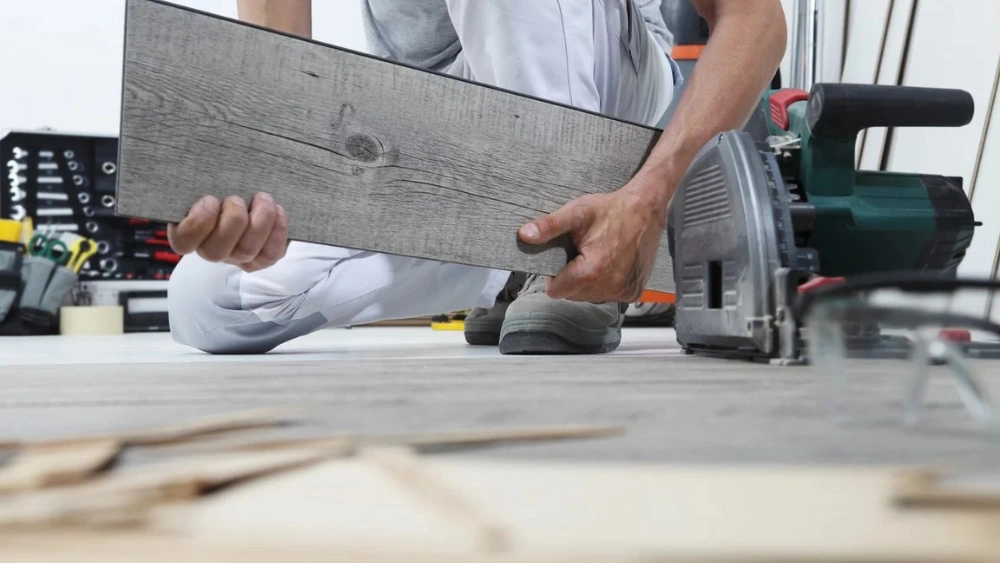
Are you thinking about upgrading your floors with vinyl plank flooring but wonder how thick it should be? The thickness of vinyl plank flooring matters more than you might think.
It affects how comfortable it feels under your feet, how durable it is, and even how easy it is to install. Understanding the right thickness can save you time, money, and headaches down the road. Keep reading to discover everything you need to know to make the best choice for your home.
Vinyl Plank Thickness Basics
Understanding vinyl plank thickness is important before buying flooring. Thickness affects durability, comfort, and installation. Thicker planks often feel sturdier and last longer.
Thickness varies by brand and style. Knowing the basics helps choose the right plank for your space.
Standard Thickness Range
Vinyl plank thickness usually ranges from 2 mm to 8 mm. Most common options fall between 4 mm and 6 mm.
- Thin planks (2-3 mm) are budget-friendly but less durable.
- Mid-range planks (4-6 mm) offer good balance of comfort and strength.
- Thick planks (7-8 mm) provide extra cushioning and noise reduction.
Thickness affects how the floor feels underfoot and how well it handles heavy use. Choose thicker planks for busy areas or uneven subfloors.
Measuring Thickness Accurately
Measure thickness with a ruler or caliper for best results. Check several planks to confirm consistency.
Measure from the bottom of the backing to the top wear layer. Avoid measuring only the top layer.
Accurate thickness helps plan underlayment and door adjustments. It ensures proper installation and lasting performance.
Types Of Vinyl Plank Flooring
Vinyl plank flooring comes in different types, each with unique thicknesses and features that affect durability and comfort. Understanding these types helps you choose the right flooring for your space and lifestyle. Let’s break down the main categories so you can see which one fits your needs best.
Luxury Vinyl Planks (lvp)
Luxury Vinyl Planks are popular for their realistic wood look and soft feel underfoot. They usually range from 4mm to 8mm thick, offering a balance between comfort and durability. The thickness includes a wear layer that protects against scratches and stains, which is crucial if you have pets or kids.
I once installed LVP in my own home and noticed how the 6mm thickness absorbed sound better than thinner options. It made the room quieter and more comfortable. Wouldn’t you want your floors to feel that cozy while still looking stylish?
Rigid Core Vinyl Planks
Rigid core vinyl planks are thicker and stiffer than traditional LVP, often between 5mm and 7mm. This type features a solid core made from materials like stone plastic composite, which adds stability and resistance to dents.
If you’re considering flooring for a high-traffic area or a room with fluctuating temperatures, rigid core vinyl is a smart choice. Its thickness provides extra support, making it less likely to flex or buckle. Have you ever stepped on a floor that felt unstable? Rigid core solves that problem.
Engineered Vinyl Planks
Engineered vinyl planks combine layers of vinyl with a plywood or composite base, giving them a thickness that typically ranges from 6mm to 12mm. This layered construction enhances strength and makes installation easier on uneven surfaces.
I found engineered vinyl particularly useful in my basement renovation, where the subfloor wasn’t perfectly level. The extra thickness and layered design helped create a smooth, durable floor. Could this be the solution if your floors aren’t perfectly flat?
Impact Of Thickness On Performance
The thickness of vinyl plank flooring plays a crucial role in its overall performance. Thicker planks often provide benefits that go beyond just appearance. Understanding how thickness impacts durability, comfort, and moisture resistance can help you make a smarter choice for your space.
Durability And Wear Resistance
Thicker vinyl planks generally offer better durability. They can withstand heavy foot traffic and resist dents or scratches more effectively. If your home has pets or kids, choosing a plank with a thicker wear layer can save you from frequent repairs or replacements.
Think about the areas in your home that get the most use. Would you want your flooring to show wear quickly? A thicker vinyl plank with a robust wear layer can keep your floors looking fresh longer.
Comfort And Sound Insulation
Have you ever noticed how some floors feel harder underfoot or echo more? Thicker vinyl planks provide extra cushioning, making walking or standing more comfortable. This added thickness also helps reduce noise, which is great if you live in an apartment or have a busy household.
Imagine the difference in sound when you walk on a thin plank versus a thicker one. The thicker option absorbs more impact noise, creating a quieter environment. This can improve your overall living experience, especially in multi-story homes.
Moisture Resistance
Moisture is a common concern with flooring, especially in kitchens or basements. While vinyl itself resists water, thickness can add an extra layer of protection. Thicker planks often include enhanced backing materials that prevent moisture from seeping through.
If you’ve dealt with warping or bubbling floors before, you know how important moisture resistance is. Choosing thicker vinyl planks can reduce these risks and increase the lifespan of your flooring, keeping your home safe and dry.
Choosing The Right Thickness
Thickness affects vinyl plank durability and comfort. Thicker planks offer better sound absorption and feel softer underfoot. Choosing the right thickness depends on the room’s use and your personal preference.
Choosing the right thickness for vinyl plank flooring is crucial. It affects durability, comfort, and appearance. Vinyl plank flooring comes in various thicknesses, ranging from 2mm to over 8mm. Thicker planks offer better sound insulation and feel more like hardwood. Each thickness serves different purposes based on location and usage.Residential Vs Commercial Use
Vinyl plank flooring for residential use typically ranges from 2mm to 5mm. This thickness is suitable for areas with moderate foot traffic. It is ideal for bedrooms, living rooms, and kitchens. For commercial use, thicker planks are recommended. A thickness of 5mm to 8mm is better for high traffic areas. Offices, retail spaces, and restaurants require durable flooring. Thicker planks withstand wear and tear more effectively.Subfloor Considerations
Assessing the subfloor is important before choosing thickness. A smooth, even subfloor allows for thinner planks. Imperfections in the subfloor may require thicker planks. They provide extra cushioning and stability. Concrete subfloors suit thicker planks. Wooden subfloors can accommodate thinner planks. Always inspect the subfloor condition before installation.Installation Methods
Installation methods affect the choice of thickness. Floating floors are versatile and suit various thicknesses. They are easy to install and remove. Glue-down installation requires careful selection of plank thickness. Thicker planks may need stronger adhesives. Click-lock systems work well with medium to thick planks. They provide a secure fit and are simple to install. Consider the installation method for best results.Thickness And Cost Relationship
Thickness plays a key role in the cost of vinyl plank flooring. Thicker planks often mean better durability and comfort, but they also come with a higher price tag. Understanding how thickness affects cost helps you make smarter choices for your budget and needs.
Price Differences By Thickness
Vinyl plank flooring usually ranges from 2mm to 8mm thick. Thinner options, around 2-3mm, are the most affordable and can cost as little as $1 to $3 per square foot. These work well for light-use areas but may wear out faster.
Mid-range thicknesses, such as 4-5mm, typically cost between $3 and $5 per square foot. They offer a good balance of price and durability, making them popular for most homes. If you want more comfort underfoot or better sound insulation, this range is a solid choice.
The thickest planks, 6mm to 8mm, can cost $5 to $7 or more per square foot. These are designed for heavy traffic and long-lasting performance. They often include extra layers for waterproofing and impact resistance, which adds to the cost.
Long-term Value
Think about how long you plan to keep your flooring. Cheaper, thinner planks might save money upfront but could need replacement sooner. That can add up to more expense over time.
Investing in thicker vinyl planks often means fewer repairs and replacements. You also gain added comfort and noise reduction, which makes your living space more enjoyable. Would you rather spend less now and risk frequent fixes, or pay more once for lasting quality?
Consider your lifestyle too. Homes with kids, pets, or heavy foot traffic benefit more from thicker flooring. The extra cost can feel worthwhile when you avoid damage and maintain appearance longer.

Credit: lcfflooring.ca
Tips For Installation And Maintenance
Installing and maintaining vinyl plank flooring properly is key to preserving its thickness and durability. Paying attention to details during setup and care can prevent issues like warping or surface damage. Let’s dive into practical tips that ensure your vinyl plank flooring stays strong and looks great for years.
Preparing The Subfloor
A smooth, clean subfloor is essential for vinyl plank flooring to lay flat and maintain its thickness over time. Remove any debris, nails, or old adhesives that could create bumps or uneven spots.
Check for moisture levels, especially if you’re installing over concrete. Excess moisture can cause the planks to swell or lose their thickness integrity.
Use a leveling compound if you find any dips or cracks. A perfectly level base means your flooring won’t flex or buckle later.
Proper Installation Techniques
Acclimate the vinyl planks in the room where they will be installed for at least 48 hours. This helps the material adjust to temperature and humidity, reducing expansion or contraction after installation.
Leave the recommended expansion gap around the edges. This space prevents the floor from buckling due to natural movement and helps maintain consistent thickness across the room.
Use the right tools like a tapping block and pull bar to join planks tightly without damaging their edges. Avoid forcing planks together as that can compress and thin out the material.
Maintaining Thickness Integrity
Regularly clean your vinyl plank flooring with a soft broom or vacuum to prevent dirt buildup, which can scratch and wear down the surface.
Use a damp mop with a mild cleaner designed for vinyl floors. Avoid harsh chemicals or excessive water that can seep into seams and weaken the planks.
Place protective pads under furniture legs to stop dents and maintain even thickness. Have you ever noticed how heavy furniture can leave permanent marks? Those can thin the plank in spots.
Common Thickness Myths
Many people assume that the thickness of vinyl plank flooring directly impacts its quality and durability. These common thickness myths can lead to confusion when choosing the right flooring for your home. Let’s clear up some of these misunderstandings so you can make an informed choice.
Thicker Always Means Better
It’s easy to think that thicker vinyl planks are always superior. But thickness alone doesn’t guarantee better performance or comfort.
For example, a 6mm plank with a high-quality wear layer can outperform a 8mm plank with a thin, weak surface. The wear layer, core material, and installation method often matter more than just thickness.
Have you ever noticed a thicker plank feeling less sturdy or hollow underfoot? That’s because thickness doesn’t always equal strength or stability. Focus on the whole product, not just one number.
Thin Planks Are Less Durable
Many believe that thin vinyl planks won’t last long or handle heavy traffic. This isn’t always true.
Thin planks can be very durable if they have a strong wear layer and quality core. Some thin vinyl planks are designed specifically for high-traffic areas and resist scratches and dents effectively.
Think about areas like kitchens or hallways—thin vinyl flooring with the right specs can hold up just fine without warping or cracking.
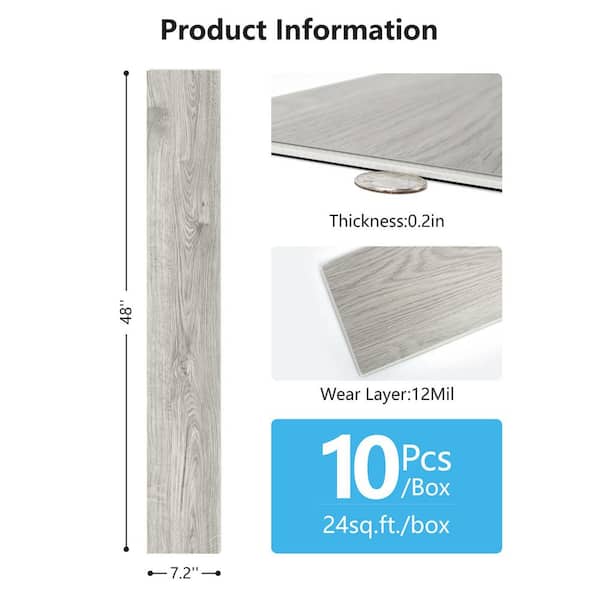
Before dismissing thin planks, check the wear layer thickness and manufacturer’s warranty. These details often tell you more about durability than the plank’s overall thickness.

Credit: floorstoyourhome.com
Credit: www.homedepot.com
Frequently Asked Questions
What Is The Standard Thickness Of Vinyl Plank Flooring?
Vinyl plank flooring typically ranges from 2mm to 8mm thick. Most residential options are around 4mm to 6mm. Thicker planks offer better durability and comfort underfoot.
Does Thicker Vinyl Plank Flooring Last Longer?
Yes, thicker vinyl planks generally provide better durability. They resist dents and wear more effectively. This makes them ideal for high-traffic areas.
Can Vinyl Plank Thickness Affect Installation?
Yes, thickness can impact installation methods. Thicker planks may require more precise leveling. Thinner planks are easier to cut and fit in tight spaces.
How Does Vinyl Plank Thickness Affect Comfort?
Thicker vinyl planks offer more cushioning and sound insulation. They feel softer and warmer underfoot. This enhances comfort, especially in living spaces.
Conclusion
Vinyl plank flooring comes in different thicknesses to fit your needs. Thicker planks often feel stronger and last longer. Thinner options work well for low-traffic areas or budget projects. Choose the thickness based on your room and how much use it will get.
Remember, thickness affects comfort and durability. Now you have a clearer idea of vinyl plank thickness. Pick the right one and enjoy your new floor for years. Simple and smart choices make a big difference.






