
Thinking about adding a ceiling fan to your home? You’re probably wondering, “How much would it cost to install a ceiling fan?” It’s a smart choice to boost comfort and save on energy bills.
But before you start, knowing the full cost can help you avoid surprises and plan your budget better. You’ll discover the factors that affect the price, what to expect for materials and labor, and tips to get the best value.
Keep reading—you’re just a few minutes away from making a confident decision for your home.

Credit: fandiego.com
Factors Affecting Ceiling Fan Installation Costs
Understanding the factors that influence ceiling fan installation costs can help you budget better and avoid surprises. Several elements come into play, from the fan’s design to the complexity of your home’s wiring. Let’s break down what affects the price so you can make an informed decision.
Type And Style Of Ceiling Fan
The kind of ceiling fan you choose directly impacts installation costs. Basic models with standard mounts are easier and quicker to install, which keeps labor costs low. On the other hand, fans with remote controls, lighting kits, or unique designs may require additional wiring and setup time.
Have you considered how your fan’s size and blade span might affect installation? Larger fans often need sturdier mounts and sometimes extra support, which can increase the cost.
Location And Accessibility
Where you want your ceiling fan installed matters a lot. If your ceiling is high or vaulted, expect more work and equipment like ladders or scaffolding, which adds to the price. Installing in tight spaces or tricky spots, such as corners or near beams, can also increase labor time.
Think about your ceiling height and room layout—are there obstacles that might slow down the installation? These details can influence how much you’ll pay.
Electrical Wiring Requirements
The condition of your existing wiring plays a big role in cost. If your room already has a ceiling fan or light fixture wiring, installation is straightforward and cheaper. However, if new wiring or circuit upgrades are needed, costs rise quickly.
Older homes often have outdated electrical systems that might not support modern fans safely. Are you prepared for potential rewiring or adding a new switch?
Professional Vs Diy Installation
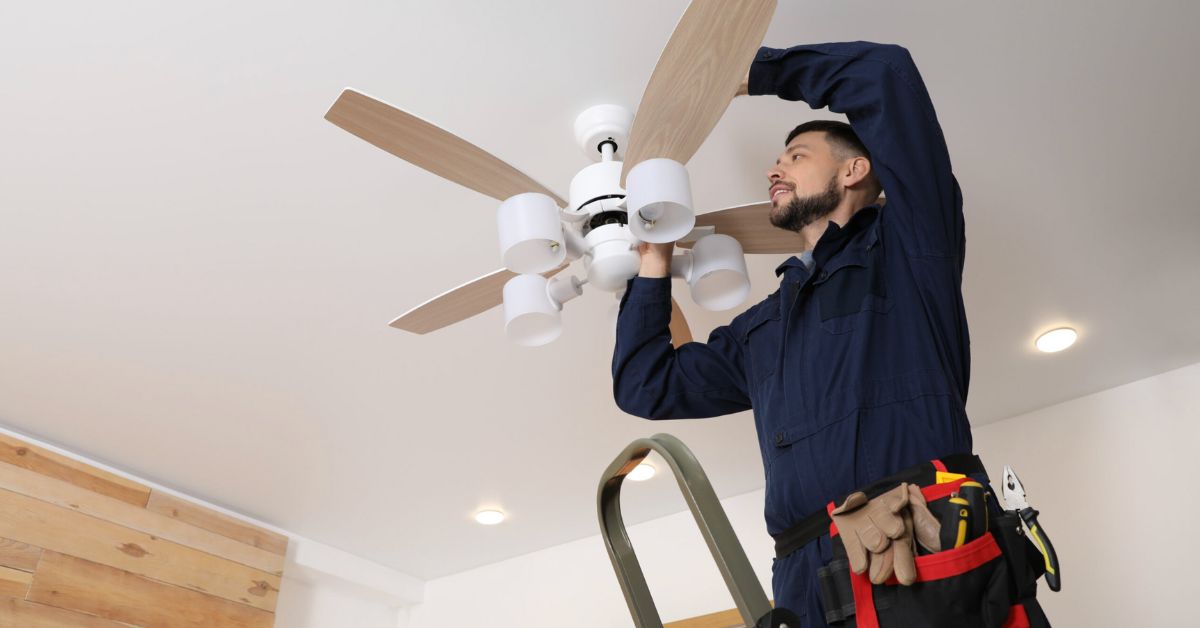
Choosing between hiring a pro or doing it yourself impacts your budget and safety. Professionals charge for their expertise, tools, and time but ensure the job is done correctly and safely. DIY can save money but risks improper installation and potential damage if you lack electrical knowledge.
Have you weighed the cost of professional installation against the risk of mistakes and safety hazards? Sometimes paying a bit more upfront saves headaches later.
Credit: smartfixhome.com
Average Cost Breakdown
Understanding the average cost of installing a ceiling fan helps plan your budget better. Costs vary based on the fan type, labor, and extra materials needed. Breaking down these expenses gives a clear picture of what to expect.
Ceiling Fan Prices
Ceiling fans range widely in price. Basic models start at around $50. Mid-range fans usually cost between $100 and $200. High-end or designer fans can go beyond $300. Features like remote control, lighting, and energy efficiency affect the price.
Labor Costs
Electricians typically charge by the hour to install ceiling fans. The average labor cost is $50 to $100 per hour. Most installations take 1 to 2 hours. Complex setups or ceiling height can increase labor time and cost. Some electricians offer flat rates for standard installations.
Additional Materials
Extra materials may be needed for installation. These include mounting brackets, wiring, switches, and electrical boxes. Costs for these items usually range from $10 to $50. If your ceiling lacks existing wiring, expect higher expenses. Safety gear and tools might also add to the total cost.
Regional Price Variations
Costs to install a ceiling fan can vary widely depending on where you live. Regional price differences often surprise homeowners trying to budget their home upgrades. Understanding these variations helps you avoid unexpected expenses and plan smarter.
Urban Vs Rural Areas
In urban areas, labor costs tend to be higher due to increased demand and higher living expenses for electricians. You might pay anywhere from $100 to $250 just for installation labor in a city.
On the other hand, rural installations often come with lower labor rates but can include extra travel fees or longer wait times for service. Sometimes, electricians charge a flat fee for reaching remote locations, adding to your overall cost.
Have you checked local electrician rates in both urban and rural areas? Comparing these can reveal surprisingly different pricing, even within the same state.
State Regulations And Permits
Some states require permits for ceiling fan installations, especially if new wiring or electrical boxes are involved. Permit costs vary, typically ranging from $20 to $150 depending on the municipality.
Skimping on permits might save money upfront but can lead to fines or insurance issues later. Always check your local building codes before scheduling installation.
Electricians in states with strict regulations may charge more to cover the extra paperwork and inspections. This means your final bill includes more than just labor and materials.

Credit: www.homeyou.com
Cost-saving Tips
Saving money on ceiling fan installation is possible with smart choices. Small efforts can lower your overall cost. Simple strategies help you get the best value without sacrificing quality.
These tips focus on spending less for quality fans and installation. The right approach can keep your project budget-friendly and efficient.
Buying Fans On Sale
Finding a ceiling fan on sale reduces upfront costs. Stores often discount models during holidays or clearance events. Check online and local stores for deals.
- Sign up for store newsletters to get sale alerts.
- Compare prices across different brands and retailers.
- Consider last season’s models for extra savings.
Buying on sale means you pay less but still get a reliable fan.
Diy Installation Techniques
Installing a ceiling fan yourself cuts labor costs significantly. Basic electrical skills and tools are needed. Follow step-by-step guides or videos for help.
- Turn off power before starting any wiring work.
- Use a sturdy ladder and proper safety gear.
- Test the fan and switch before finishing the job.
DIY installation saves money but requires care and patience.
Bundling With Other Home Projects
Combine ceiling fan installation with other home improvements. Electricians or handymen can do several jobs in one visit. This reduces service fees.
- Schedule painting, lighting upgrades, or repairs together.
- Ask for a package discount from contractors.
- Plan projects in advance to avoid rushed work.
Bundling tasks lowers costs and saves time on home upgrades.
Hiring A Professional
Hiring a professional to install your ceiling fan can save you time and prevent costly mistakes. While it may seem simple, the job involves electrical wiring and mounting that requires skill and safety knowledge. Investing in a qualified expert ensures your fan works efficiently and securely.
Choosing The Right Contractor
Start by looking for contractors who specialize in electrical or ceiling fan installation. Check online reviews and ask for recommendations from friends or family. A good contractor will provide a clear estimate and explain the installation process.
Think about the contractor’s availability and communication style. You want someone responsive who respects your schedule. A reliable professional will also offer advice on the best fan placement and wiring options based on your home’s layout.
Questions To Ask
- Are you licensed and insured?
- How many ceiling fans have you installed before?
- What is included in your installation service?
- Can you provide a written estimate and timeline?
- Do you offer a warranty on your work?
Asking these questions helps you understand the contractor’s experience and protects you from unexpected costs. Don’t hesitate to clarify anything that seems unclear or too vague.
Verifying Credentials
Always confirm that the contractor holds valid licenses and insurance. You can usually verify licenses through your state’s licensing board website. Insurance protects you from liability if accidents happen during installation.
Check if the contractor is affiliated with professional trade organizations, which often require members to meet certain standards. This extra step gives you confidence that you’re hiring a trustworthy and qualified professional.
Diy Installation Guide
Installing a ceiling fan yourself can save money and give a sense of accomplishment. This guide helps you understand the tools needed and the steps to follow. It also highlights important safety tips to keep you secure during installation. Follow along to install your ceiling fan with confidence.
Necessary Tools And Equipment
- Ceiling fan kit
- Voltage tester
- Wire strippers
- Screwdrivers (Phillips and flathead)
- Adjustable wrench
- Drill with bits
- Electrical tape
- Wire connectors
- Step ladder
Step-by-step Instructions
- Turn off power at the circuit breaker to the installation area.
- Use the voltage tester to ensure no electricity flows to the wires.
- Remove the existing light fixture or fan if there is one.
- Install the mounting bracket securely to the ceiling box.
- Assemble the fan parts according to the instruction manual.
- Connect the fan wires to the house wires using wire connectors.
- Attach the fan motor to the mounting bracket.
- Secure the fan blades to the motor.
- Install any light kits if your fan includes them.
- Turn the power back on and test the fan and lights.
Safety Precautions
- Always cut power from the main breaker before starting work.
- Double-check that wires are not live with a voltage tester.
- Use a sturdy ladder and place it on level ground.
- Follow manufacturer instructions carefully for wiring and assembly.
- Wear safety glasses to protect eyes from dust and debris.
- Do not overload the ceiling box; ensure it supports a fan.
- Ask for help if the fan is heavy or installation is complex.
Frequently Asked Questions
How Much Does Ceiling Fan Installation Usually Cost?
Ceiling fan installation typically costs between $100 and $300. Prices vary based on fan type, wiring, and labor rates. Complex setups or additional electrical work can increase the price. Always get a detailed estimate from a licensed electrician for accuracy.
Can I Install A Ceiling Fan Myself To Save Money?
Yes, you can install a ceiling fan yourself if you have basic electrical skills. Follow safety guidelines and manufacturer instructions carefully. However, hiring a professional ensures proper wiring and safety, especially for complicated installations or high ceilings.
What Factors Affect The Cost Of Ceiling Fan Installation?
Installation cost depends on fan size, electrical wiring complexity, and location height. Additional expenses may include new wiring, mounting brackets, or switches. Labor rates also vary by region. Proper planning helps avoid unexpected costs during installation.
Is It Cheaper To Install A Ceiling Fan During New Construction?
Yes, installing ceiling fans during new construction is generally cheaper. Electricians can wire fans more easily before walls and ceilings are finished. This reduces labor time and complexity compared to retrofitting fans into existing homes.
Conclusion
Installing a ceiling fan can fit many budgets. Costs depend on fan type, installation complexity, and labor charges. Choosing the right fan and professional help saves money and time. A ceiling fan adds comfort and value to your home. Plan your budget carefully for the best result.
Simple steps lead to cool rooms and lower energy bills. Now, you know what to expect when installing a ceiling fan.






