Have you ever wondered how much energy your LED bulb actually uses? Understanding this can help you save money on your electricity bills and make smarter choices for your home.
LED bulbs are known to be energy-efficient, but just how efficient are they compared to other types? You’ll discover the real energy consumption behind LED lighting and learn simple tips to get the most out of every watt. Keep reading to unlock the secrets that can brighten your home while shrinking your energy costs.
Led Bulb Energy Consumption
LED bulbs have transformed how we light up our homes and offices. Their energy consumption is significantly lower than traditional bulbs, but how much energy do they actually use? Understanding this can help you make smarter choices and save money on your electricity bill.
How Much Power Does An Led Bulb Use?
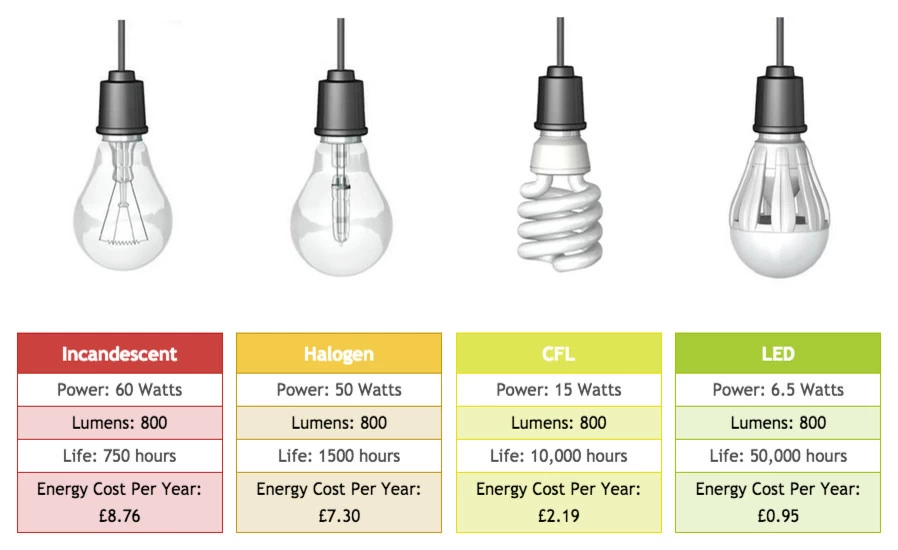
Most LED bulbs use between 4 to 20 watts of power, depending on brightness. This is a fraction of the energy consumed by incandescent bulbs, which often use 40 to 100 watts for similar light output.
If you replaced a 60-watt incandescent bulb with a 10-watt LED, you’d be using just one-sixth of the energy. That’s a substantial reduction in your home’s electricity consumption.
Comparing Led Energy Use To Other Bulbs
| Bulb Type | Typical Wattage | Energy Use (per 1,000 hours) |
|---|---|---|
| Incandescent | 60 W | 60 kWh |
| Compact Fluorescent (CFL) | 14 W | 14 kWh |
| LED | 10 W | 10 kWh |
Looking at this table, you can see how much more efficient LEDs are. The difference really adds up if you multiply it by the number of bulbs and hours used in your home.
Factors Affecting Led Energy Consumption
- Brightness:Higher brightness means higher wattage, but still much lower than traditional bulbs.
- Usage Time:The longer you keep the light on, the more energy it consumes.
- Quality:Not all LED bulbs are created equal; some use energy more efficiently.
Have you ever noticed some LED bulbs last longer and feel brighter even with the same wattage? That’s often due to better design and quality components.
How To Calculate Your Led Bulb Energy Cost
Calculating the exact cost is simpler than it sounds. Multiply the bulb’s wattage by the hours used, then divide by 1,000 to get kWh.
Next, multiply the kWh by your local electricity rate. For example, a 10-watt LED used for 5 hours a day costs far less than a 60-watt incandescent on the same schedule.
Do you know how much you could save by switching all your bulbs? Try this calculation for your home lighting setup and see the difference.
Comparing Led To Traditional Bulbs
Choosing the right bulb affects energy use and electricity bills. Comparing LED bulbs with traditional ones helps understand these differences. Traditional bulbs include incandescent and CFL types. Each type uses energy differently and lasts a different time.
Incandescent Vs. Led
Incandescent bulbs use more energy to produce light. They convert most energy into heat, wasting power. LED bulbs use up to 80% less energy. They turn almost all energy into light.
Incandescent bulbs last about 1,000 hours. LED bulbs can last 25,000 hours or more. This means fewer replacements and less waste with LEDs.
In terms of brightness, LED bulbs provide the same light as incandescent bulbs but use fewer watts. For example:
| Bulb Type | Wattage | Brightness (Lumens) |
|---|---|---|
| Incandescent | 60 W | 800 lm |
| LED | 10 W | 800 lm |
Cfl Vs. Led
CFL bulbs use less energy than incandescent bulbs but more than LEDs. CFLs save about 60% energy compared to incandescent. LEDs save even more energy—up to 75% compared to CFLs.
CFL bulbs contain small amounts of mercury, requiring careful disposal. LEDs do not have toxic materials, making them safer for the environment.
CFL bulbs last around 8,000 hours. LEDs can last three times longer or more. This reduces replacement costs and effort.
- Energy use: LED < CFL < Incandescent
- Lifespan: LED > CFL > Incandescent
- Environmental impact: LED safest
Factors Affecting Led Efficiency
Understanding what affects the efficiency of an LED bulb can help you make smarter choices about energy use and lighting quality. Not all LED bulbs are created equal, and several factors influence how much energy they use versus how much light they produce. Let’s break down the key elements that impact LED efficiency and how you can spot the best options for your needs.
Wattage And Lumens
Wattage measures how much energy a bulb consumes, but it doesn’t tell the full story about brightness. Lumens indicate the amount of light the bulb emits. A higher lumen count means a brighter bulb.
Think about it this way: a 10-watt LED bulb can produce the same lumens as a 60-watt incandescent bulb, using far less energy. When shopping, focus more on lumens than wattage to find the right brightness without wasting power.
- Low wattage + high lumens = efficient LED
- Check packaging for lumens to compare brightness easily
- Beware of bulbs with low lumens but high wattage—they’re less efficient
Color Temperature
Color temperature affects how light feels to your eyes and can influence energy use indirectly. Measured in Kelvins (K), it ranges from warm (2700K) to cool (6500K). Warm light uses slightly less energy but is softer, while cool light is brighter and more intense.
Your choice depends on where you use the bulb. Cooler temperatures work well in workspaces because they improve focus, but warmer tones create a cozy atmosphere in living rooms. Keep in mind, bulbs with very high color temperatures sometimes sacrifice a bit of efficiency for brightness.
- 2700K–3000K: warm, relaxing light, great for bedrooms
- 3500K–4100K: neutral white, good for kitchens and bathrooms
- 5000K–6500K: daylight, ideal for offices and garages
Have you noticed how some LED bulbs seem brighter even with the same wattage? That’s often due to differences in color temperature and lumen output combined. Paying attention to these details helps you pick the bulb that saves energy and suits your space perfectly.
Credit: ledrhythm.com
Cost Savings With Led Bulbs
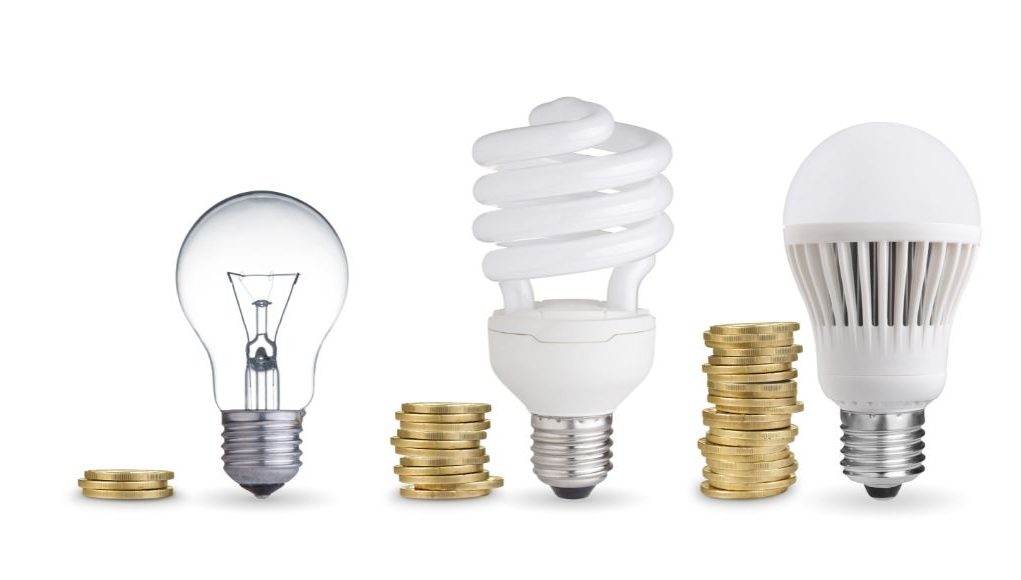
Cost savings with LED bulbs make them a smart choice for homes and businesses. They use less electricity than traditional bulbs. This leads to lower energy expenses over time. The initial price might be higher, but savings grow with use. LED bulbs also last longer, cutting replacement costs. These factors combine to reduce overall lighting expenses.
Long-term Savings
LED bulbs have a lifespan of up to 25,000 hours or more. Traditional incandescent bulbs last about 1,000 hours. This means fewer bulb changes and less money spent on replacements. Over several years, the savings on buying new bulbs add up. LED bulbs also perform well in various conditions. Their durability reduces maintenance costs in commercial settings.
Reduced Energy Bills
LED bulbs use about 75% less energy than incandescent bulbs. They convert more electricity into light, wasting less as heat. Lower energy use directly cuts monthly electricity bills. Using LED bulbs throughout a home or office shows noticeable savings. Even small changes, like switching a few bulbs, reduce costs. Energy-efficient lighting is a simple way to save money every month.
Environmental Impact Of Led Bulbs
LED bulbs offer a significant environmental advantage compared to traditional lighting options. Their design uses less energy, which lowers the overall demand for electricity. This leads to fewer greenhouse gas emissions from power plants. The materials and lifespan of LED bulbs also impact the environment in various ways. Understanding these factors helps make better choices for sustainable living.
Carbon Footprint
LED bulbs have a much smaller carbon footprint than incandescent bulbs. They use up to 80% less energy. This reduction means less fossil fuel is burned to produce electricity. Over time, the lower energy use adds up to a big decrease in carbon dioxide emissions. The long life of LED bulbs also reduces the need for frequent replacements, cutting down on manufacturing emissions.
Recycling And Disposal
LED bulbs contain electronic components that require special recycling. They do not have mercury, unlike some other bulbs, which makes disposal safer. Recycling LED bulbs recovers valuable materials such as metals and glass. Proper disposal prevents harmful substances from entering the environment. Many communities offer drop-off points or programs to recycle LED bulbs responsibly.
Credit: www.simplelighting.co.uk
Choosing The Right Led Bulb
Choosing the right LED bulb is key for saving energy and getting the light you want. Not all LED bulbs are the same. It is important to pick one that fits your needs and your home. Two main factors to consider are brightness levels and fixture compatibility. These affect how well the bulb works and how much energy it uses.
Brightness Levels
Brightness tells how much light a bulb gives off. It is measured in lumens. Higher lumens mean brighter light. Choose a brightness level that fits the room’s use.
- For reading or working, pick bulbs with 450 to 800 lumens.
- For general room lighting, 800 to 1,600 lumens works well.
- Lower lumens are good for night lights or mood lighting.
Choosing the right brightness helps avoid using more energy than needed. Brightness also affects comfort and visibility.
Compatibility With Fixtures
LED bulbs come in different shapes and sizes. Not all fit every fixture. Check your fixture’s size and socket type before buying.
- Common socket types are E26, E12, and GU10.
- Some LED bulbs need special dimmers.
- Outdoor fixtures may require weatherproof bulbs.
Using the right bulb for your fixture ensures safety and good performance. It also helps the bulb last longer and use energy efficiently.
Tips For Maximizing Led Efficiency
Maximizing the efficiency of LED bulbs saves energy and reduces costs. Small changes in how you use and install LEDs can make a big difference. These tips help you get the most light for the least power.
Smart Lighting Solutions
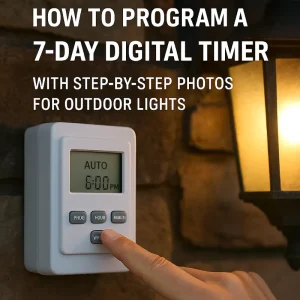
Use dimmers to lower brightness when full light is unnecessary. Motion sensors switch lights off in empty rooms. Timers control when lights turn on and off automatically. Choose bulbs with the right brightness and color temperature for each space. Group lights on separate switches to use only what you need.
Proper Installation
Install LED bulbs in fixtures that support them well. Avoid enclosed fixtures that trap heat, as heat lowers LED lifespan. Ensure bulbs fit securely to avoid flickering and power waste. Clean fixtures and bulbs regularly to keep light output high. Check voltage compatibility to prevent damage and inefficiency.

Credit: environmentamerica.org
Frequently Asked Questions
How Much Energy Does An Led Bulb Use Compared To Incandescent?
An LED bulb uses about 75-80% less energy than incandescent bulbs. It provides the same brightness with much lower wattage, saving electricity and costs.
What Is The Average Wattage Of A Standard Led Bulb?
Standard LED bulbs typically use between 8 to 12 watts. This wattage produces light equivalent to a 60-watt incandescent bulb, making LEDs highly energy-efficient.
How Long Do Led Bulbs Last Compared To Other Bulbs?
LED bulbs last about 25,000 to 50,000 hours. This lifespan is 10 to 25 times longer than incandescent or CFL bulbs, reducing replacement frequency and waste.
Can Led Bulbs Reduce Electricity Bills Significantly?
Yes, LED bulbs can lower electricity bills by up to 80%. Their low energy use and long lifespan contribute to substantial cost savings over time.
Conclusion
LED bulbs use very little energy compared to other lights. They save money on electricity bills each month. These bulbs last longer, so you buy less often. Choosing LED lights helps reduce your carbon footprint. Small changes like this make a big difference over time.
Bright, efficient, and cost-effective—LEDs are a smart choice. Consider switching to LED bulbs for your home today. Save energy, save money, and help the planet. Simple steps lead to lasting benefits for everyone.