Have you ever wondered how much electricity your LED light bulb actually uses? You might think it’s just a small number on your bill, but understanding this can help you save money and reduce energy waste.
You’ll discover the real power behind LED bulbs and why they are a smart choice for your home or office. Keep reading, and you’ll learn simple facts that can make a big difference in your energy use and costs.
Led Bulb Energy Efficiency
LED bulbs use much less electricity than traditional bulbs. Their energy efficiency saves money and reduces power use. This efficiency comes from how LEDs create light.
LEDs convert most electricity into light, not heat. Less energy loss means lower power bills and fewer carbon emissions. This makes LEDs a smart choice for homes and businesses.
How Led Bulbs Use Less Power
LEDs need only a small amount of electricity to shine bright. They use about 75% less energy than incandescent bulbs. This means a 10-watt LED can give the same light as a 60-watt bulb.
Energy Savings Over Time
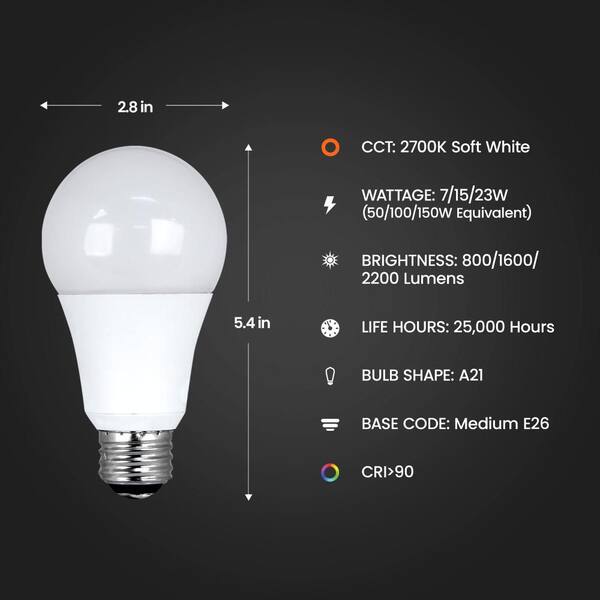
LED bulbs last longer than other bulbs, sometimes over 25,000 hours. This long life reduces the need for frequent replacements. Saving money on both electricity and bulbs.
Comparing Led Bulbs To Other Types
| Bulb Type | Wattage for 800 Lumens | Average Lifespan (hours) | Energy Efficiency |
|---|---|---|---|
| Incandescent | 60 watts | 1,000 | Low |
| Compact Fluorescent (CFL) | 13-15 watts | 8,000-10,000 | Medium |
| LED | 8-12 watts | 25,000+ | High |
Factors Affecting Led Efficiency
- Quality of the bulb and components
- Proper usage and voltage supply
- Heat management inside the bulb
- Correct fitting and fixture type
Choosing high-quality LED bulbs ensures better energy efficiency. Proper installation and use help maintain performance and save more energy.
Credit: www.homedepot.com
Comparing Led To Traditional Bulbs
Understanding how much electricity a LED light bulb uses compared to traditional bulbs can help you make smarter choices for your home and wallet. Traditional bulbs have been around for decades, but their energy demands vary widely. Comparing LEDs to these older options reveals clear differences in power consumption and efficiency that might surprise you.
Incandescent Vs. Led
Incandescent bulbs are the classic bulbs many grew up with. They use a filament heated until it glows, which wastes a lot of energy as heat.
A typical 60-watt incandescent bulb can be replaced by a 10-watt LED that produces the same brightness. That means LEDs use about 80% less electricity.
Think about your last electric bill—how much could you save if every bulb in your house was swapped to LED?
- Incandescent bulb:60 watts for 800 lumens
- LED bulb:10 watts for 800 lumens
- Energy savings:Around 50 watts per bulb
Cfl Vs. Led
Compact Fluorescent Lamps (CFLs) were once the main energy-saving alternative to incandescents. They use less power but contain small amounts of mercury, which can be hazardous.
LEDs use even less energy than CFLs—typically 25-30% less for the same brightness—and last much longer without toxic materials.
If you’ve ever had to replace a CFL because it stopped working or worried about proper disposal, LEDs offer a cleaner, more reliable option.
| Bulb Type | Power Usage (Watts) | Lifespan (Hours) | Environmental Concern |
|---|---|---|---|
| CFL | 14 | 8,000 | Contains mercury |
| LED | 10 | 25,000+ | No toxic materials |
Would you rather use a bulb that saves you money and lasts years, or one that needs frequent replacements and special handling?
Factors Affecting Led Energy Consumption
Understanding what affects LED light bulbs’ energy use helps in choosing the right one. Several factors change how much electricity an LED bulb consumes. These factors include the wattage of the bulb and how often it is used. Each plays a key role in energy savings and costs.
Wattage Variations
LED bulbs come in different wattages. Wattage shows how much power the bulb needs to work. Lower wattage bulbs use less energy but give less light. Higher wattage bulbs use more energy but are brighter. Choosing the right wattage depends on the room size and the light needed.
For example, a 5-watt LED bulb uses less electricity than a 10-watt bulb. However, a 10-watt bulb can light up a bigger area. Knowing the wattage helps predict the electricity cost better.
Usage Patterns
How long and how often you use LED bulbs affects energy use. A bulb on for many hours uses more electricity than one used briefly. Frequent switching on and off has little effect on LED energy use. Leaving the light on in empty rooms wastes power.
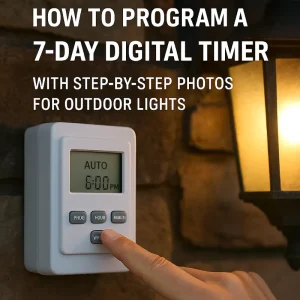
Using timers or motion sensors can reduce electricity waste. These tools ensure lights are on only when needed. Good usage habits lead to lower electricity bills and less energy waste.

Credit: environmentamerica.org
Calculating Electricity Usage
Understanding how much electricity a LED light bulb uses helps control energy bills. Calculating energy consumption shows the bulb’s power use over time. This knowledge guides smart choices for lighting and saving money.
Formula For Energy Consumption
Calculate energy use with a simple formula. Multiply the bulb’s wattage by the hours it runs. Then divide by 1,000 to convert to kilowatt-hours (kWh).
- Energy (kWh) = Power (W) × Time (hours) ÷ 1000
For example, a 10-watt LED used for 5 hours consumes:
- 10 W × 5 hours = 50 Wh
- 50 Wh ÷ 1000 = 0.05 kWh
This formula helps track electricity use easily and clearly.
Estimating Costs
Estimate the cost by multiplying energy used by the electricity rate. Rates usually show in cents or dollars per kWh.
- Cost = Energy (kWh) × Rate ($/kWh)
If the rate is $0.12 per kWh, the example cost is:
- 0.05 kWh × $0.12 = $0.006
This means running the bulb for 5 hours costs less than a cent. This method helps compare different bulbs and find savings.
Benefits Of Switching To Led
Switching to LED light bulbs offers more than just a change in your lighting. It brings noticeable benefits that affect your wallet and the world around you. Understanding these advantages can help you make smarter choices for your home and the environment.
Long-term Savings
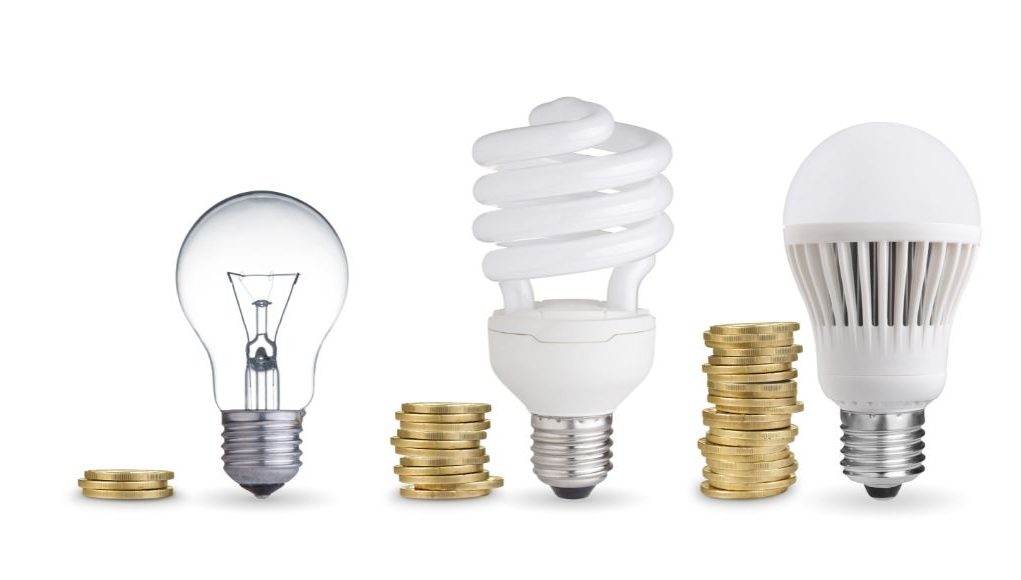
LED bulbs use significantly less electricity compared to traditional incandescent bulbs. This means your monthly energy bills drop noticeably after switching. Over time, the savings can add up to hundreds of dollars.
LEDs also last much longer—often up to 25,000 hours or more. This reduces the frequency and cost of replacements. Imagine how much you spend replacing bulbs every year; LEDs cut that cost dramatically.
- Lower electricity consumption means reduced bills
- Longer lifespan reduces replacement costs
- Less maintenance effort and fewer trips to the store
Environmental Impact
LED bulbs use less power, which means less demand on power plants and fewer greenhouse gas emissions. Choosing LED lighting contributes directly to reducing your carbon footprint. This small switch can add up if many people make the same choice.
Additionally, LEDs do not contain harmful chemicals like mercury, which is common in some other bulbs. This makes disposal safer and less damaging to ecosystems. Would you prefer lighting that protects both your home and the planet?
- Lower energy use reduces pollution and resource depletion
- No toxic materials make disposal safer
- Supports global efforts to combat climate change
Credit: www.simplelighting.co.uk
Tips For Maximizing Led Efficiency
Maximizing the efficiency of your LED light bulbs goes beyond just picking the right wattage. How you use and position them in your space can make a big difference in energy savings and lighting quality. Let’s look at some practical tips that help you get the most out of your LED bulbs every day.
Optimal Placement
Where you put your LED bulbs affects how well they light up a room and how much electricity they use. Placing bulbs too close to reflective surfaces like mirrors or white walls can increase brightness without extra power.
Think about the purpose of each light—task lighting needs to be brighter and more focused, while ambient lighting can be softer and spread out. Position LEDs in areas where their brightness directly serves your needs, such as over a kitchen counter or reading nook.
Have you noticed that some corners of a room stay dark despite multiple lights? Adjusting bulb placement can solve this. Try moving lamps or ceiling lights to fill dark spots instead of adding more fixtures.
Smart Lighting Solutions
Smart technology can transform how you use LED bulbs and save electricity without sacrificing comfort. Installing dimmers lets you adjust brightness to the exact level you need, avoiding wasted energy on overly bright lights.
Motion sensors and timers are also great tools. They ensure lights are on only when you need them—no more leaving LEDs on in empty rooms. This setup is especially useful in hallways, bathrooms, or outdoor spaces.
Consider smart bulbs that you control via apps or voice commands. They often have energy-tracking features to help you see your usage patterns and adjust habits. How much could you save by turning off lights automatically when you leave?
Frequently Asked Questions
How Much Electricity Does A Typical Led Bulb Use?
A typical LED bulb uses about 8 to 12 watts to produce light. This is much lower than traditional bulbs, saving energy and reducing electricity bills.
Are Led Bulbs More Energy-efficient Than Incandescent Bulbs?
Yes, LED bulbs use up to 80% less electricity than incandescent bulbs. They convert more energy into light, making them more efficient and cost-effective.
How Does Led Wattage Affect Electricity Consumption?
Higher wattage LEDs consume more electricity but produce brighter light. Choosing the right wattage helps balance energy use and lighting needs efficiently.
Can Led Bulbs Reduce My Monthly Electricity Bill?
Switching to LED bulbs can significantly lower your electricity bill. Their low power usage and long life reduce energy costs over time.
Conclusion
LED light bulbs use very little electricity compared to other bulbs. They save energy and reduce your electric bill. Using LED bulbs also helps the environment by lowering power demand. Choosing the right LED bulb can give you bright light without high costs.
Small changes like this make a big difference over time. Think about swapping old bulbs for LEDs today. Save money, use less energy, and enjoy good lighting. Simple steps like these help both your home and the planet.