Have you ever wondered how many shelter in place drills your workplace or school should have each year? Knowing the right number can make a big difference in keeping you and everyone around you safe during emergencies.
Too few drills might leave you unprepared, while too many could cause unnecessary stress. You’ll discover exactly how often these drills are needed and why sticking to the right schedule matters for your safety. Keep reading to find out how you can be better prepared when it counts the most.
Purpose Of Shelter In Place Drills
Shelter in place drills prepare people to stay safe during emergencies. These drills help individuals understand what to do when danger strikes. Practicing regularly builds confidence and reduces panic in real situations.
The drills teach how to quickly find a safe spot inside a building. They also show how to lock doors, close windows, and turn off ventilation. Knowing these steps can save lives during chemical spills, severe weather, or security threats.
Understanding Safety Procedures
Drills explain the exact actions to take during an emergency. They guide participants through each step clearly and calmly. This helps everyone stay focused and follow instructions correctly.
Building Quick Response Skills
Regular practice improves speed and accuracy in emergencies. People learn to act without hesitation or confusion. This fast response can prevent injuries and keep people safe.
Enhancing Communication And Coordination
Drills improve how groups work together during a crisis. They teach clear communication and teamwork. This coordination ensures everyone knows their role and stays informed.
Reducing Fear And Anxiety
Practice makes emergencies less scary. Drills give a sense of control and readiness. This lowers stress and helps people stay calm under pressure.

Credit: thedailyalphabet.com
Legal Requirements
Legal requirements guide how often shelter in place drills must happen. These rules help keep people safe during emergencies. Different locations have different laws and standards. Organizations must know and follow these rules carefully.
Regulations often come from government agencies or safety organizations. These rules set minimum drill frequency and procedures. Meeting these requirements protects people and avoids legal trouble.
Federal Regulations On Shelter In Place Drills
The Occupational Safety and Health Administration (OSHA) requires workplaces to conduct emergency drills. OSHA does not specify exact drill frequency for shelter in place. However, they expect employers to prepare employees for emergencies.
Schools and healthcare facilities follow specific federal guidelines. These guidelines may demand at least one drill per year. Some situations need more frequent drills based on risk level.
State And Local Laws
States and cities often have their own rules. These can be stricter than federal laws. Many states require schools to run shelter in place drills once or twice a year.
Local fire departments or emergency management offices may set additional requirements. These vary by region and building type. Organizations should check local codes regularly.
Industry-specific Requirements
Some industries face unique rules for drills. Healthcare, education, and manufacturing sectors often have detailed standards. These include how many drills and what scenarios to practice.
Following industry standards helps maintain certifications and licenses. It also improves safety culture within organizations.
Documentation And Reporting
Most laws require proper record keeping of all drills. Documentation must include date, time, participants, and drill type. This proof shows compliance during inspections.
Organizations should keep drill records organized and accessible. Good documentation supports continuous safety improvement.
Frequency Of Drills
Knowing how often shelter in place drills should happen is key to keeping everyone prepared and calm during emergencies. The right frequency depends on the environment and the specific needs of your location. Too few drills can leave people unready; too many might cause unnecessary stress or complacency.
Regulatory Requirements
Most workplaces and schools follow guidelines set by local or national safety authorities. These rules often require at least one shelter in place drill per year. Some industries with higher risks might need more frequent drills to comply with safety standards.
Building Type And Occupant Needs
Consider who occupies the building when deciding drill frequency. Hospitals and care homes might do drills quarterly due to vulnerable residents. In contrast, office buildings with fewer hazards might only need annual drills.
Balancing Frequency And Effectiveness
Running drills too often can cause people to ignore them, reducing their effectiveness. On the other hand, infrequent drills mean people might forget the procedure. Aim for a schedule that keeps everyone alert but not overwhelmed.
Adjusting Frequency Based On Feedback
Use feedback from participants to improve the drill process. If people express confusion or anxiety, you might need to slow down or add training sessions between drills. Regular reviews help tailor the frequency to your team’s comfort and readiness.
Practical Tips For Scheduling Drills
- Set a fixed time each year or quarter to create routine.
- Communicate clearly about drill dates to reduce panic.
- Include unexpected drills occasionally to test real preparedness.
- Combine drills with safety talks to reinforce learning.
Think about your own experience—have you ever felt unprepared during a drill because it was too rare or too frequent? Adjusting the frequency could make all the difference in real emergencies.
Best Practices For Conducting Drills
Conducting shelter in place drills requires clear steps to ensure safety and readiness. Following best practices helps everyone understand their roles. It also highlights areas for improvement. Drills should be simple, clear, and repeatable.
Planning And Preparation
Begin by setting clear objectives for the drill. Decide on the drill’s timing and scope. Inform key personnel about their roles. Prepare all necessary materials and equipment. Create a simple plan that outlines each step. Consider different scenarios to cover various emergencies. Practice communication methods to avoid confusion.
Execution And Monitoring
Start the drill exactly as planned. Make sure all participants follow instructions carefully. Monitor the process for any delays or mistakes. Use observers to note how people react and move. Keep communication lines open for quick updates. Stay calm to help everyone feel safe. Adjust the pace if needed to maintain order.
Post-drill Evaluation
Gather feedback from participants and observers. Identify what worked well and what did not. Discuss any safety concerns or confusion during the drill. Create a report summarizing key findings and suggestions. Update the drill plan based on lessons learned. Schedule follow-up drills to improve skills and confidence. Share results with everyone involved to build trust.
Role Of Emergency Services
Emergency services play a vital role in shelter in place drills. They guide and support organizations and communities during these safety exercises. Their expertise ensures that drills are effective and realistic.
Emergency teams include police, firefighters, paramedics, and other first responders. They help plan, execute, and evaluate shelter in place drills. Their involvement improves response times and safety awareness among participants.
Coordination With Local Authorities
Emergency services coordinate with local authorities to manage drills smoothly. They share important information about potential threats and safety protocols. This coordination helps create realistic scenarios for shelter in place drills.
Training And Guidance
Emergency personnel provide training sessions before drills. They explain correct actions to take during emergencies. Their guidance helps participants understand the importance of shelter in place procedures.
Monitoring And Evaluation
During drills, emergency services monitor participants’ actions carefully. They identify strengths and areas needing improvement. After drills, they offer feedback to improve future responses.
Communication Support
Emergency teams ensure clear communication during shelter in place drills. They use radios and other tools to keep everyone informed. Good communication reduces confusion and improves safety.
Training And Education
Training and education are the backbone of effective shelter in place drills. Without proper preparation, even the best plans can fall apart during an emergency. Your team and community must understand their roles clearly and know exactly what to do when a drill or real situation arises.
Staff Training Programs
Your staff needs regular, hands-on training to build confidence and muscle memory. This isn’t just about reading a manual; it’s about practicing steps until they become second nature.
Consider scheduling drills quarterly or semi-annually, combined with review sessions that discuss what went well and what can improve. Including role-playing scenarios helps your team think on their feet and react calmly under pressure.
Have you noticed how quickly people forget procedures if they aren’t practiced often? Small refresher courses between drills can keep everyone sharp without overwhelming their schedules.
Community Education Initiatives
Communities play a crucial role in shelter in place success. Educating residents through workshops, flyers, and social media campaigns ensures everyone understands the importance of drills and their personal responsibilities.
Interactive sessions where community members can ask questions or run through basic steps increase engagement and retention. You might find that neighbors helping neighbors creates a stronger safety net than any official plan alone.
What creative ways can you use to spread awareness about shelter in place procedures? Think beyond traditional methods—partner with local schools, businesses, or faith groups to reach different audiences.
Common Challenges And Solutions
Running shelter in place drills is essential, but you might find several hurdles along the way. These challenges can affect how smoothly your drills run and how prepared everyone truly becomes. Understanding common obstacles and practical solutions can make your drills more effective and less stressful for everyone involved.
Overcoming Communication Barriers
Clear communication is crucial during shelter in place drills, yet it often gets tangled in real-life scenarios. Different languages, hearing difficulties, or unclear instructions can confuse participants.
One way to fix this is by using multiple communication channels. You can send emails, post signs, and use loudspeakers simultaneously to ensure your message reaches all corners.
Another helpful tip is to test your communication tools regularly. In one drill, we discovered the PA system was barely audible in certain rooms. Fixing this improved response times drastically.
Ensuring Participation
Getting everyone to take shelter in place drills seriously is a common struggle. Some people might ignore drills or treat them casually, which defeats the purpose.
You can boost participation by explaining why these drills matter. Share stories or data about how drills saved lives or reduced injuries in emergencies.
Also, schedule drills at convenient times and keep them short but impactful. Offering incentives or recognition for active participation can motivate people to engage fully.
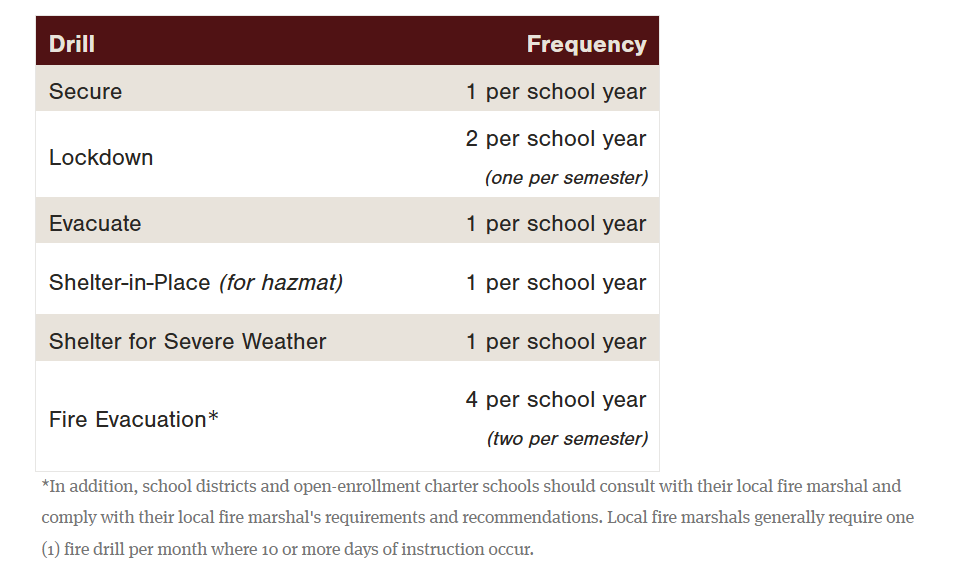
Credit: www.aliefisd.net
Case Studies
Examining real-world examples helps understand shelter in place drill requirements. Case studies reveal how different organizations manage drill frequency. They show the benefits of regular practice and highlight common challenges. Insights from these examples guide better planning and execution.
Successful Implementations
A school district in California runs quarterly shelter in place drills. Teachers and students know exactly what to do each time. This routine builds confidence and reduces panic during real emergencies. The district tracks drill results and adjusts plans accordingly.
A hospital in New York holds monthly drills. Staff members quickly secure patients and equipment. Clear communication and roles make the process smooth. Regular drills have improved response times and safety outcomes.
- Consistent scheduling helps everyone stay prepared.
- Clear instructions reduce confusion during drills.
- Feedback after each drill leads to improvements.
Lessons Learned
A manufacturing plant in Texas found that too few drills caused slow reactions. Employees forgot key steps and safety zones. After increasing drills to every two months, performance improved significantly.
An office building in Chicago initially held annual drills. Some staff missed the drills or treated them casually. The building management shifted to biannual drills and added brief training sessions. This change increased participation and awareness.
- Drills must be frequent enough to maintain readiness.
- Training alongside drills reinforces important actions.
- Engagement improves when drills are taken seriously.

Credit: www.teacherspayteachers.com
Frequently Asked Questions
How Often Should Shelter In Place Drills Be Conducted?
Shelter in place drills should be conducted at least twice a year. Regular practice ensures everyone knows safety procedures during emergencies. Frequency may vary based on local regulations and organizational policies.
Who Must Participate In Shelter In Place Drills?
All employees and occupants of a building must participate in shelter in place drills. Inclusion guarantees everyone understands their roles and can respond quickly during actual emergencies.
What Is The Main Purpose Of Shelter In Place Drills?
The main purpose is to prepare individuals to stay safe during hazards. Drills teach proper procedures to minimize exposure to dangers like chemical spills or severe weather.
Are Shelter In Place Drills Mandatory By Law?
Many local and state laws require shelter in place drills in workplaces and schools. Compliance ensures safety standards are met and reduces liability risks.
Conclusion
Regular shelter in place drills keep everyone prepared and safe. Most workplaces and schools require at least two drills each year. These practice sessions help people know what to do during emergencies. Quick action can save lives. Make sure drills happen often enough to build confidence.
Discuss the drill results with your team to improve next time. Staying ready is key to handling any crisis well. Keep drills simple and clear for everyone to understand. Safety depends on practice and teamwork.