Choosing the right ceiling fan can make a big difference in your comfort and energy bills. One question many people ask is, “How many blades is best for a ceiling fan?”
You might think more blades mean better airflow, but that’s not always true. The number of blades affects how your fan looks, how quietly it runs, and how well it cools your space. If you want to get the most from your ceiling fan, understanding the blade count is key.
Keep reading to discover what works best for your room and lifestyle.
Ceiling Fan Blade Basics
Understanding the basics of ceiling fan blades can make a big difference when you’re choosing the right fan for your space. The number of blades isn’t the only factor; how they function and the materials they’re made from play crucial roles too. Knowing these details helps you pick a fan that not only looks good but also performs efficiently and lasts long.
Functionality Of Blades
Ceiling fan blades create airflow by spinning and pushing air downward, which helps cool a room. The number of blades affects how much air is moved and how quietly the fan runs. Fewer blades, like three or four, usually spin faster and can move air more efficiently, but they might be a bit noisier.
More blades, such as five or six, tend to run quieter because they move slower and balance the load better. However, they might not circulate air as strongly as fans with fewer blades. Think about your room’s size and noise preference before deciding how many blades suit your needs.
Common Blade Materials
Blade material impacts the fan’s durability, weight, and even noise level. You’ll find blades made from:
- Wood:Offers a classic look and good airflow but may warp in humid areas.
- Metal:Very durable and good for outdoor use but can be noisy.
- Plastic or Composite:Lightweight and moisture-resistant, ideal for bathrooms or kitchens.
- MDF (Medium-Density Fiberboard):Affordable and available in many finishes but less durable than solid wood.
Choosing the right material depends on where you plan to install your fan and how often you use it. Have you noticed how some fans stay quiet and steady for years, while others wobble or lose balance? That often comes down to blade material and quality.
Credit: www.tataneu.com
Blade Count Variations
Blade count is a key factor in choosing the right ceiling fan for your space. It affects airflow, noise levels, and the overall style of the fan. Understanding the differences between various blade counts can help you find a fan that balances performance and aesthetics perfectly.
Two-blade Fans
Two-blade fans are less common but offer a unique look. They tend to spin faster, providing strong airflow with minimal drag. If you want a modern and minimalist design, this might catch your eye.
However, they can be a bit noisier and less stable than fans with more blades. Think about where you’ll place it—open spaces work best. Have you noticed how some two-blade fans feel like they’re cutting through the air more aggressively?
Three-blade Fans
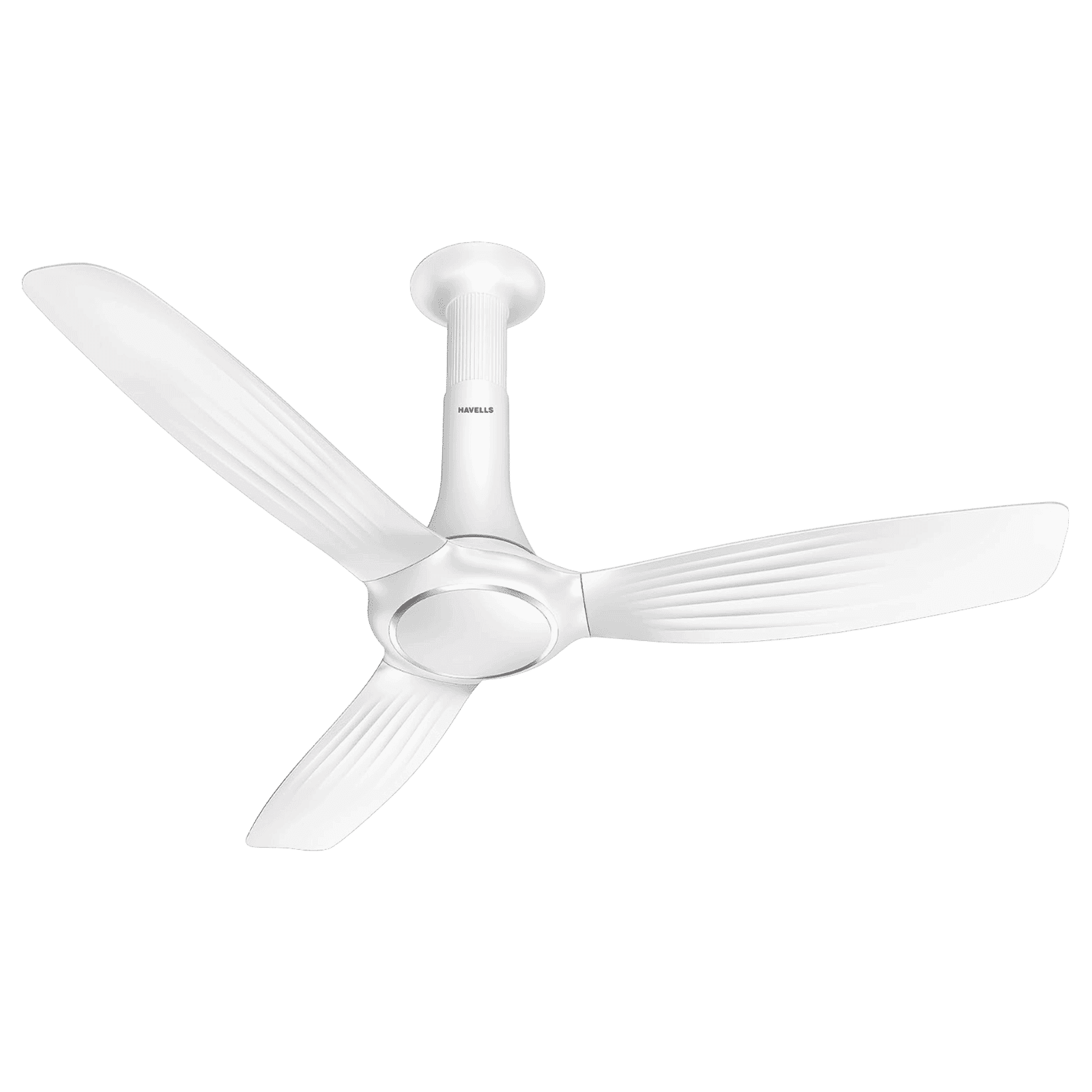
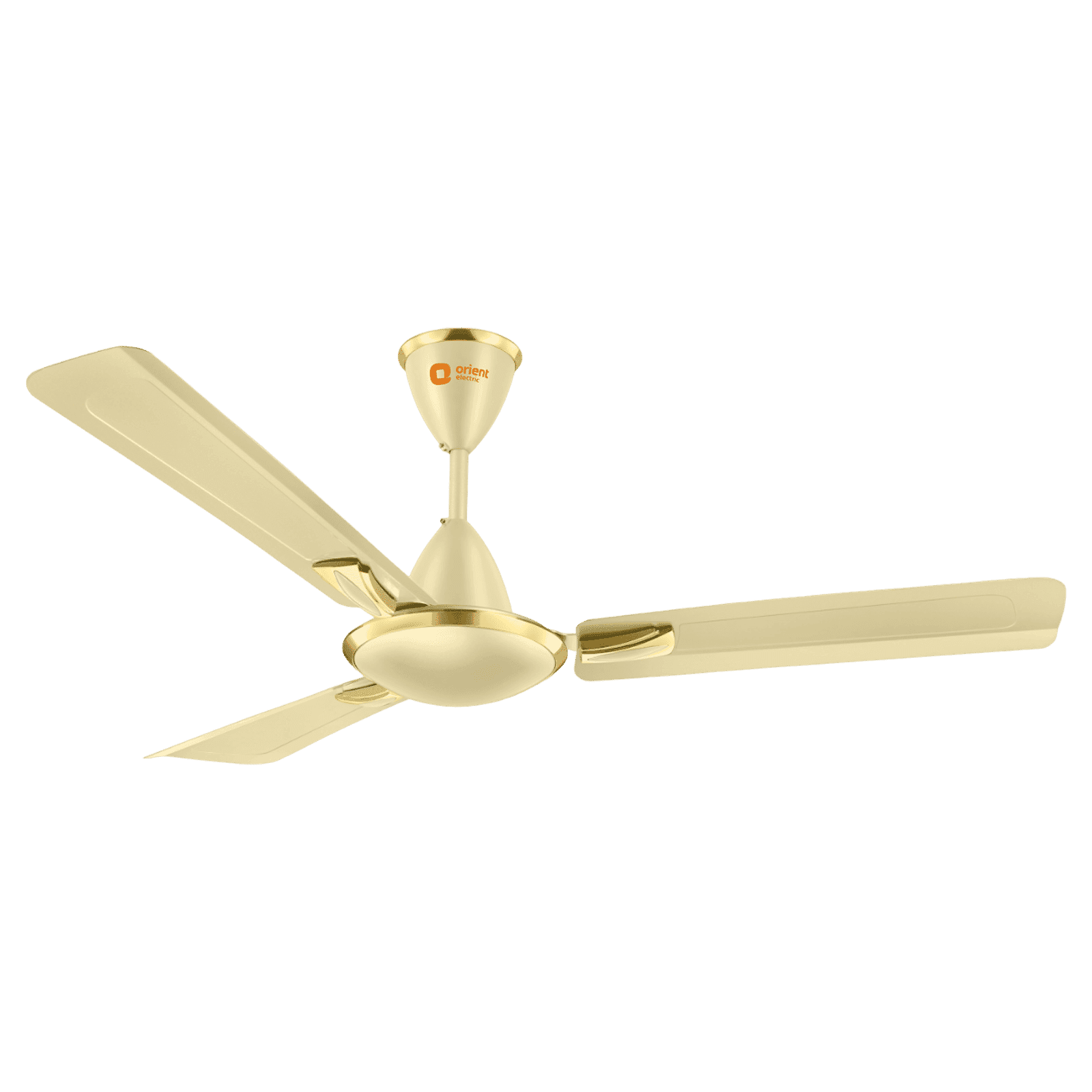
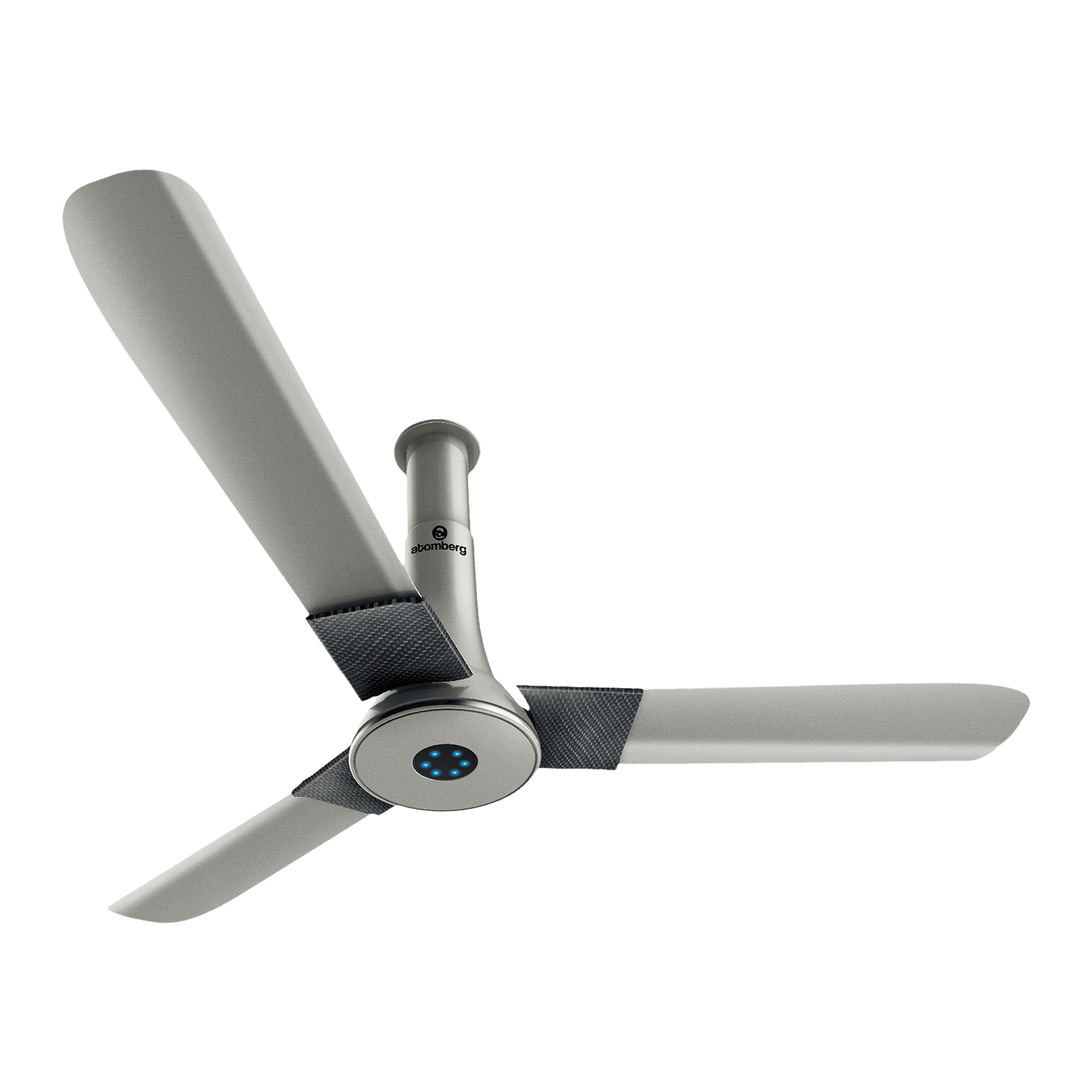
Three-blade fans strike a good balance between efficiency and style. They deliver solid airflow and tend to be quieter than two-blade models. Many contemporary ceiling fans use three blades for that sleek, modern appeal.
If you want something that doesn’t overpower your room but still moves air well, this is a smart choice. Are you aiming for a fan that blends well in both casual and formal settings? Three blades often fit that bill.
Four-blade Fans
Four-blade fans are popular in many homes due to their smooth airflow and quieter operation. They typically produce a gentler breeze, which can be perfect for bedrooms or lounges. The extra blade adds stability and reduces wobbling.
Still, they might not push as much air as fans with fewer blades. If you want comfort without strong gusts, four blades can offer that gentle touch. Have you experienced a fan that’s too strong? Four blades might solve that problem.
Five-blade Fans
Five-blade fans are known for their quiet, smooth airflow. They create a calming breeze that’s not too intense, making them ideal for relaxation areas. The additional blades help distribute air evenly around the room.
These fans often come with traditional or classic designs, which can enhance your room’s decor. But keep in mind, more blades can mean slightly less energy efficiency. Would you prioritize quiet operation over maximum airflow?
More Than Five Blades
Fans with six or more blades are rare but offer very quiet, gentle airflow. They focus more on style and ambiance than on strong air movement. If you want a fan that feels like a ceiling fixture rather than a machine, this might appeal to you.
That said, they usually consume more power and may not cool large spaces effectively. Are you looking for a fan that complements your room’s look more than cooling power? These could be your best bet.
Impact On Airflow
The number of blades on a ceiling fan significantly affects how air moves around your room. Airflow is not just about pushing air down; it’s about how efficiently and evenly that air circulates. Understanding this impact can help you pick a fan that keeps your space comfortable without wasting energy.
Efficiency Of Different Blade Counts
Fans with fewer blades, like three or four, usually move air faster. This is because there is less drag, so the motor works more efficiently and spins the blades quicker. If you want strong airflow to cool a large room, a fan with fewer blades might work better.
On the other hand, fans with five or more blades tend to move air more gently. They create a quieter and more comfortable breeze, which is ideal for bedrooms or smaller spaces. However, the motor may need to work harder, which can affect energy use.
Balancing Airflow And Aesthetics
Choosing the number of blades isn’t just about airflow; it’s about how the fan looks in your room. More blades often mean a fuller, more traditional look. If your decor is classic or cozy, a five-blade fan can add to that vibe while providing smooth airflow.
Fewer blades give a modern, sleek appearance that fits well in minimalist or contemporary spaces. But have you noticed some fans with three blades feel more like a statement piece? That’s because the design highlights airflow efficiency and style together.
Think about your priorities: do you want maximum cooling power or a quieter, stylish fan that blends into your room? Sometimes, the best choice balances both airflow needs and the look you want to achieve.
Noise Considerations
Noise is a key factor in choosing the right ceiling fan blade count. Fans create sound from blade movement and motor operation. Some fans hum or buzz, which can disturb quiet spaces. Understanding noise helps pick a fan that fits your comfort and room use.
Quietness And Blade Count
The number of blades affects the noise level of a ceiling fan. Fans with fewer blades often spin faster and can be louder. More blades typically move air slower and make less noise. But, too many blades might cause extra drag, making the motor work harder and create more noise.
Fans with 3 to 5 blades usually balance quietness and airflow well. This range keeps sound low and air moving efficiently. Fans with 6 or more blades can be very quiet, but only if the motor is strong enough to handle the load smoothly.
Factors Affecting Noise Levels
- Blade Material: Wood, plastic, or metal blades produce different sounds. Wooden blades often absorb sound better.
- Blade Design: Curved blades reduce air resistance and noise.
- Motor Quality: A high-quality motor runs quieter and with less vibration.
- Installation: A loose fan or unbalanced blades increase noise.
- Fan Speed: Higher speeds usually mean louder operation.
Choosing a fan with the right blade count and quality parts helps keep noise low. Proper installation and maintenance also play a big role in quiet performance.
Energy Consumption
Energy consumption is a key factor when choosing the right ceiling fan. The number of blades can affect how much power the fan uses. Understanding this can help save money on electricity bills and reduce environmental impact.
Blade Count And Energy Use
The number of blades influences the fan’s efficiency. Fans with fewer blades often use less energy. They spin faster and move air more effectively.
Fans with more blades tend to run slower but create a gentler airflow. This can mean higher energy use because the motor works harder. However, the difference in power consumption is usually small.
Choosing between 3, 4, or 5 blades depends on balancing airflow and energy savings. Fewer blades may save a bit more energy but might be noisier.
Eco-friendly Options
Look for fans with energy-efficient motors. DC motors use less power than traditional AC motors. They provide strong airflow with low energy use.
Energy Star certified fans meet strict efficiency standards. These fans help reduce electricity use and lower bills.
Using a ceiling fan with a smart control system can further save energy. Timers and remote controls help manage fan use efficiently.
Design And Style Preferences
Choosing the right number of blades for a ceiling fan is more than a matter of function. Design and style preferences play a big role. The fan should blend well with the room’s look. Each blade count offers a different style impact. It influences the fan’s shape, size, and feel. This section explores how blade numbers match decor and current design trends.
Matching Blades With Interior Decor
The number of blades affects the fan’s visual balance. Fans with fewer blades often look sleek and modern. They suit minimalist or industrial interiors. Fans with more blades appear fuller and traditional. They fit classic or rustic rooms well.
Consider the room’s theme:
- Three blades create a clean, open look.
- Four blades offer a balanced, symmetrical feel.
- Five or more blades add richness and texture.
Blade shape and material matter too. Wooden blades add warmth. Metal blades bring a contemporary vibe. Choose colors that match walls, furniture, or accents. This makes the fan a natural part of the decor.
Trends In Fan Design
Current fan designs favor simplicity and elegance. Many fans now use three or four blades. This keeps the look light and uncluttered. Energy efficiency pushes designers toward fewer blades. Less drag means lower power use.
Smart fans with built-in lights and controls are popular. Designers blend technology with stylish blades. Fans often feature smooth curves or sharp angles. Matte finishes and natural wood tones lead the trends.
Fans with unique blade shapes, like curved or tapered edges, are common. These shapes improve airflow and add flair. Choosing a blade number that fits these trends helps your fan look fresh and modern.
Choosing The Right Blade Count
Choosing the right blade count is key for a ceiling fan’s performance. The number of blades affects air movement, noise, and style. Picking the right count improves comfort and energy use. Several factors influence the ideal blade count for any room.
Room Size And Blade Count
Small rooms benefit from fans with fewer blades, usually 3 or 4. These fans spin faster and move air well in tight spaces. Large rooms need fans with 5 or more blades. More blades provide steady airflow and cover wider areas. Consider ceiling height too. Higher ceilings may require fans with longer blades or more blades to reach the floor.
Climate And Blade Efficiency
Hot climates require fans that move air quickly to cool the room. Fans with fewer blades often spin faster and create stronger airflow. In cooler climates, fans with more blades operate quietly and circulate air gently. This helps maintain warmth without strong drafts. Blade design and material also affect efficiency. Lightweight blades spin easier and save energy.
Credit: www.tataneu.com
Expert Recommendations
Experts in home design and HVAC systems often debate the ideal number of blades for ceiling fans. Their recommendations balance airflow efficiency, noise levels, and aesthetics. Knowing what professionals suggest can help you make a smart choice for your space.
Professional Insights
Many HVAC specialists recommend fans with 3 to 5 blades for optimal airflow. Fans with fewer blades tend to move air more efficiently because there’s less drag on the motor. This means a 3-blade fan often cools a room better and uses less energy.
However, designers sometimes prefer 5-blade fans for their quieter operation and classic look. More blades usually mean smoother airflow and less noise, which is ideal for bedrooms or living rooms where calm is key. You might notice a gentle breeze instead of a strong wind, which can be more comfortable.
Experts also point out that blade size and pitch matter as much as blade count. A 5-blade fan with wider, angled blades can outperform a 3-blade fan with narrower blades. So, focusing only on the number of blades misses part of the picture.
Common Consumer Choices
- 3-Blade Fans:Popular in modern homes, these are praised for their sleek design and strong airflow. Many users report feeling cooler faster, especially in open spaces.
- 4-Blade Fans:A middle ground, offering decent airflow and quieter operation. Homeowners often choose these for family rooms or kitchens.
- 5-Blade Fans:Favored for their silent and stylish performance. Users say these fans blend well with traditional decor and provide a gentle, even breeze.
Have you ever noticed how your ceiling fan’s blade count changes the room’s feel? Think about your priorities: Do you want maximum cooling power or a quieter, more decorative fan? Your personal needs should guide your choice more than trends.
Credit: www.tataneu.com
Frequently Asked Questions
How Many Blades Does A Ceiling Fan Need?
Most ceiling fans have 3 to 5 blades. Three blades offer faster airflow, while five blades provide quieter operation. The ideal number depends on room size and desired airflow balance.
Does Blade Count Affect Ceiling Fan Performance?
Yes, blade count affects airflow and noise. Fewer blades spin faster and create more airflow. More blades run quietly but may move less air overall.
Which Blade Number Is Best For Energy Efficiency?
Fans with 3 to 4 blades are generally more energy-efficient. They require less power to spin faster, providing better cooling while saving energy.
How Does Room Size Influence Blade Number Choice?
Smaller rooms suit fans with 3 blades for strong airflow. Larger rooms benefit from 4 or 5 blades for even air distribution and less noise.
Conclusion
Choosing the right number of blades affects your fan’s performance and style. Fans with fewer blades often move air faster and use less energy. More blades can make the fan quieter and look better in some rooms. Think about your space size and noise preference.
Also, consider how the fan fits your room’s decor. The best blade count matches your comfort and design needs. Take time to decide what works best for you. A good choice helps you stay cool and happy.