Are you wondering how long you should run your space heater without wasting energy or risking safety? Knowing the right amount of time to keep your heater on can save you money and keep your home cozy.
But how do you find the perfect balance between comfort and efficiency? You’ll discover simple tips and expert advice to help you use your space heater smartly. Keep reading to learn how to stay warm while keeping your energy bills low and your home safe.
Safe Operating Times
Space heaters provide a cozy warmth that can transform a chilly room into a comfortable haven. However, ensuring their safe operation is crucial, not just for efficiency but for your safety too. Knowing how long to run your space heater can prevent risks and optimize energy usage.
Recommended Running Duration
Experts suggest running a space heater for no more than a few hours at a stretch. Ideally, you should aim for two to three hours maximum. This duration helps in keeping the room warm without overloading the heater.
If you’re using it overnight, consider setting it on a timer or using one with automatic shut-off features to prevent overheating and reduce fire hazards. Always monitor the room temperature; if it feels comfortable, it might be time to switch the heater off.
Factors Affecting Usage Time
Several factors play a role in how long you can safely run your space heater. The size of your room is one of them. Smaller rooms heat up faster, requiring less time for the heater to be on.
Weather conditions also matter. On particularly cold days, the need for extended heating might increase. But remember, it’s important to balance warmth with safety.
Your heater’s model and efficiency are other considerations. Some models are designed for prolonged use and are equipped with safety features to prevent overheating. Check your heater’s manual for specific guidance on operating times.
Have you ever felt the cozy warmth of a space heater and wondered if it’s safe to leave it running while you step out for a quick errand? It’s always better to turn it off when you’re not around. This small step can save energy and prevent potential hazards.
Being mindful of these factors can help you make informed decisions on usage time. After all, safety should always come first, even while enjoying the toasty comfort your space heater provides.

Credit: www.dreo.com
Types Of Space Heaters
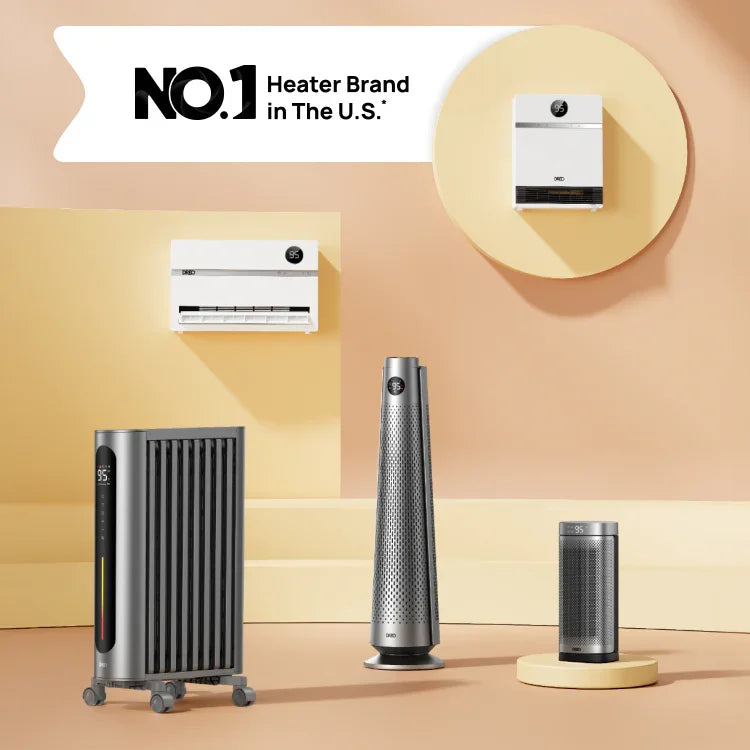
Choosing the right space heater can change how long you want it to run comfortably and safely. Different types of space heaters work in unique ways and affect room warmth differently. Knowing these differences helps you decide which heater fits your space and heating needs best.
Convection Heaters
Convection heaters warm the air by circulating it around the room. They work well in small to medium-sized spaces and create a steady, even heat. If you want a gentle warmth that lasts, convection heaters are a solid choice.
These heaters are quieter since they don’t rely on fans, making them great for bedrooms or offices. However, they can take a bit longer to heat a room compared to other types. Have you noticed how the air feels warmer after a few minutes with a convection heater on?
Infrared Heaters
Infrared heaters heat objects and people directly, not the air. This means you feel warmth instantly, similar to sunlight on your skin. They are perfect if you want quick heat focused on a specific spot.
Because they don’t heat the whole room, infrared heaters use less energy for targeted warmth. If you’re sitting at your desk or relaxing on the couch, this type can keep you cozy without running constantly. How often do you find yourself adjusting the heater because the room feels too hot or too cold?
Oil-filled Heaters
Oil-filled heaters use electricity to warm oil inside the unit, which then radiates heat slowly. This creates a long-lasting, steady warmth that continues even after the heater is turned off. They are excellent for maintaining a comfortable temperature overnight or during extended use.
These heaters are silent and safe for bedrooms or living rooms but take a bit longer to reach full temperature. If you want a heater that keeps running quietly without frequent on/off cycles, an oil-filled model might suit your needs. Have you ever noticed how some heaters make a room feel warmer long after they’re off?
Energy Efficiency Tips
Keeping your space heater energy-efficient doesn’t just save money—it helps you use power smarter. Small changes in how you set and manage your heater can make a noticeable difference. Let’s dive into some practical tips that can help you get the most warmth without wasting energy.
Optimal Temperature Settings
Setting your space heater to the right temperature is key. Aim for a comfortable but moderate setting, usually around 68°F (20°C). Going higher may feel cozy, but it quickly burns more electricity.
Think about how often you raise the heat past this point. Could lowering it just a few degrees still keep you comfortable? Often, wearing a sweater or using a blanket allows you to reduce the heater’s output without feeling cold.
Using Timers And Thermostats
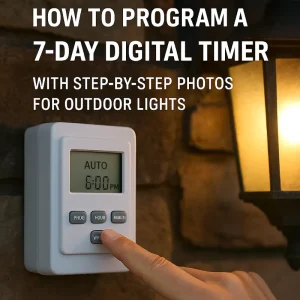
Timers and thermostats are your best friends for saving energy. A timer lets you run the heater only when you really need it, like before you get out of bed or when you return home.
Thermostats automatically turn the heater off once your room hits the set temperature. This prevents wasted energy from overheating. Have you tried setting a timer or thermostat on your heater yet? It’s a simple way to avoid running it all day for no reason.
Credit: www.dreo.com
Safety Precautions
Using a space heater can warm up your room quickly, but safety should always be your top priority. Running a heater for too long or using it incorrectly can lead to accidents. Knowing how to place your heater and protect your loved ones makes all the difference in preventing hazards.
Placement Guidelines
Where you put your space heater matters more than you might think. Keep it at least 3 feet away from anything that can catch fire, like curtains, furniture, or papers.
Place it on a flat, stable surface to avoid tipping over. Avoid running a heater under a desk or near water sources like sinks or bathtubs. Think about airflow—blocking vents can cause overheating.
Avoiding Fire Hazards
Fire hazards from space heaters often happen when people leave them unattended or too close to flammable items. Never leave your heater running overnight or when you leave the house.
Unplug the heater when not in use to avoid electrical issues. Check the cord regularly for damage—frayed or cracked cords increase fire risk. Do you know where your nearest fire extinguisher is? Having one nearby is a smart move.
Child And Pet Safety
Children and pets are naturally curious, which can lead to dangerous encounters with space heaters. Use heaters with cool-touch exteriors and tip-over shutoff features.
Create a safe zone around the heater using barriers or gates to keep little hands and paws away. Always supervise when your child or pet is in the same room as the heater. Could an accident happen when you’re not looking? Taking these precautions helps you avoid that risk.
Maintenance And Inspection
Keeping your space heater in good shape helps it run safely and efficiently. Regular maintenance and inspection reduce risks and improve heater life. Simple checks and cleaning prevent many common problems.
Regular Cleaning
Dust and dirt can build up inside and outside the heater. This buildup lowers heater performance and can cause overheating. Wipe the heater’s surface with a soft cloth often. Use a vacuum with a brush attachment to clean vents and grills gently. Avoid using water or liquid cleaners. Clean the heater before and after each heating season.
Checking For Damage
Inspect the heater for cracks, frayed cords, or loose parts. Damaged cords can cause electric shocks or fires. Look inside the heater for worn wires or burnt smells. Test the power switch and thermostat to ensure they work correctly. If you find any damage, stop using the heater and get it repaired or replaced. Regular checks keep your heater safe and reliable.
When To Turn Off The Heater
Knowing when to turn off your space heater is crucial for safety and energy efficiency. Leaving it on too long can cause overheating, waste electricity, or even pose fire risks. But how do you recognize the right moment to switch it off? Let’s look at clear signs and important considerations, especially if you use the heater overnight.
Signs Of Overheating
Your space heater should feel warm but not hot to the touch. If you notice the heater casing becoming excessively hot, it’s a red flag. Odd smells like burning plastic or metal can also signal overheating.
Another sign is the heater cycling on and off frequently. This could mean it’s struggling to maintain temperature and working too hard. Pay attention to unusual noises, such as buzzing or clicking sounds, which may indicate internal issues.
- Heater feels scorching or too hot
- Burning or chemical smells
- Frequent on/off cycling
- Unusual noises from the unit
Have you ever ignored a strange smell from your heater, only to regret it later? These early warnings help you avoid damage or accidents. If you spot any signs, turn off the heater immediately and let it cool down.
Nighttime Usage Considerations
Using a space heater while you sleep can keep you cozy, but it requires caution. Many experts suggest turning heaters off before bedtime to reduce fire risk. If you must use it overnight, choose models with built-in safety features like tip-over shutoff and overheat protection.
Set a timer to automatically turn the heater off after a few hours. This prevents it from running all night without supervision. Also, keep the heater away from bedding, curtains, and any flammable items to avoid accidents.
Ask yourself: Is the extra warmth worth the potential risk? Sometimes layering blankets or using a hot water bottle can be safer alternatives. Your safety should always come first when deciding how long to run a space heater.

Credit: www.facebook.com
Frequently Asked Questions
How Long Can I Safely Run A Space Heater?
Most space heaters can run safely for 8-12 hours continuously. Always follow the manufacturer’s guidelines for specific usage. Avoid leaving heaters unattended or overnight without safety features.
Should I Leave My Space Heater On All Day?
It’s not advisable to run a space heater all day. Use it in short intervals to prevent overheating and reduce energy costs. Consider a thermostat-controlled heater for better efficiency.
How Often Should I Turn Off My Space Heater?
Turn off your space heater every few hours to prevent overheating. Regular breaks help extend the heater’s lifespan and ensure safety. Never leave it on when you leave the room.
Can Running A Space Heater All Night Be Dangerous?
Running a space heater all night can be risky without safety features. Use heaters with automatic shut-off and tip-over protection. Always place it away from flammable materials.
Conclusion
Space heaters should run only as long as needed for warmth. Always watch the room temperature and turn off the heater once it feels comfortable. Avoid running space heaters all night or unattended to stay safe. Use timers or thermostats to control heating time easily.
Proper use saves energy and lowers costs too. Remember, safety and comfort come first when using space heaters. Keep these tips in mind for a warm, safe home.