
Have you ever wondered how your lights turn on the moment you enter a room, or how security systems alert you instantly when someone moves nearby? It’s all thanks to motion sensors—small devices that detect movement and react in seconds.
Understanding how a motion sensor works can help you see the technology behind your smart home, improve your security, and even save energy. You’ll discover the simple science inside these clever gadgets and why they are becoming a must-have in everyday life.
Keep reading, and you’ll soon know exactly how motion sensors keep you safe and make your home smarter.
Types Of Motion Sensors
Motion sensors detect movement using different technologies like infrared, ultrasonic, or microwave waves. Each type senses changes in the environment to trigger a response. These sensors help in security systems, lighting control, and automation.
Understanding the different types of motion sensors can enhance home security. They detect movement using varied technologies, offering unique benefits and applications. Here, we explore five popular types of motion sensors.Passive Infrared Sensors
Passive Infrared (PIR) sensors are common in security systems. They detect body heat from living beings. When a warm object moves within the sensor’s range, it triggers an alert. PIR sensors are energy-efficient and work well indoors.Ultrasonic Sensors
Ultrasonic sensors use sound waves to detect movement. They emit high-frequency sound waves, which bounce off objects. Changes in the echo pattern signal movement. These sensors are ideal for areas with obstacles, like warehouses.Microwave Sensors
Microwave sensors operate like ultrasonic sensors but use electromagnetic waves. They detect movement through changes in wave frequency. These sensors can cover larger areas and penetrate through walls. They are perfect for outdoor security systems.Tomographic Motion Detectors
Tomographic motion detectors use radio waves to create a mesh network. This network detects movement by sensing disruptions in wave patterns. These detectors are effective in large spaces and can track motion through walls. They offer enhanced coverage for complex areas.Camera-based Sensors
Camera-based sensors rely on visual movement detection. They use image processing to identify changes in a scene. These sensors can offer video evidence of detected motion. They are suitable for places where visual confirmation is crucial.Core Components
Understanding the core components of a motion sensor helps you see how it detects movement so accurately. Each part plays a specific role that together creates a seamless detection system. Let’s break down these essential elements to help you grasp how motion sensors work in everyday devices.
Sensor Element
The sensor element is the heart of a motion sensor. It detects changes in the environment, such as heat or light, depending on the sensor type.
For instance, Passive Infrared (PIR) sensors detect body heat, while ultrasonic sensors send out sound waves and listen for echoes. This element is constantly monitoring its surroundings, ready to trigger an alert when something moves.
Signal Processor
Once the sensor element detects movement, the signal processor analyzes this data. It filters out noise and false alarms to ensure accuracy.
This component acts like the brain, deciding whether the signal indicates real movement or just a harmless change like a curtain fluttering. Without a good signal processor, you’d get constant false alerts that could frustrate you.
Power Supply
Every motion sensor needs power to work, and the power supply provides this energy. It could be batteries, direct electrical wiring, or even solar panels.
Think about your home security sensors that run on batteries—you need to replace them periodically. The choice of power supply affects where and how you can install the sensor and how often it requires maintenance.
Communication Module
After processing, the sensor needs to communicate the detection to a control system or your phone. The communication module handles this task.
It might send signals via Wi-Fi, Bluetooth, or wired connections. This component ensures you get real-time alerts, making the sensor practical and user-friendly for home automation or security systems.
How Sensors Detect Motion
Understanding how sensors detect motion can change the way you think about everyday technology. These sensors pick up on tiny changes in their environment to know when something is moving. Let’s look at how they do this using different techniques that interact with heat, waves, and signals.
Detecting Heat Changes
Some motion sensors notice the heat given off by your body. These are called passive infrared sensors, or PIR sensors. They watch for sudden changes in temperature within their field of view.
If you’ve ever walked past a light that turns on automatically, you’ve experienced this firsthand. The sensor senses your body heat moving across its range and triggers the light. It’s a simple yet effective way to detect motion without any physical contact.
Emitting And Receiving Waves
Other sensors actively send out signals and wait for their return. These sensors use waves, like ultrasonic or microwave waves, to detect motion. When you move, you change the way these waves bounce back to the sensor.
Think about how bats navigate in the dark—these sensors work in a similar way. They emit waves and measure the time it takes for the waves to return, or changes in the wave pattern. This allows them to spot movement even in complete darkness.
Analyzing Signal Variations
After receiving signals, sensors analyze small variations to decide if something is moving. This involves comparing current data with previous readings to detect differences. If the pattern shifts, the sensor knows something has changed in the space.
Have you noticed how some security cameras only start recording when there’s movement? They rely on this quick analysis. This approach helps reduce false alarms by filtering out background noise and focusing on real motion.
Applications In Daily Life
Motion sensors have many uses in daily life. They help improve safety, save energy, and add convenience. These devices detect movement and trigger actions automatically. This makes everyday tasks easier and more efficient.
Home Security Systems
Motion sensors detect intruders in homes. They alert homeowners or security services quickly. This helps prevent theft and damage. Many systems include alarms and lights activated by motion. This scares away unwanted visitors and keeps homes safe.
Automatic Lighting
Lights turn on automatically when motion is detected. This works well in hallways, closets, and outdoor spaces. It saves energy by only lighting areas when needed. No more fumbling for switches in the dark. It also adds convenience and comfort.
Energy Management
Motion sensors control heating and cooling systems. They turn off devices in empty rooms. This reduces wasted energy and lowers bills. Offices and public places use these sensors to save power. Efficient energy use helps protect the environment.
Smart Appliances
Smart devices use motion sensors for better operation. For example, robotic vacuum cleaners detect movement to clean efficiently. Some fans and air purifiers adjust speed based on room occupancy. These smart features improve usability and save energy.
Advantages Of Motion Sensors
Motion sensors offer several benefits that improve daily life and save resources. They detect movement and trigger actions automatically. This helps devices work only when needed. Such smart technology supports safer homes and lowers energy costs.
Energy Efficiency
Motion sensors reduce unnecessary power use by controlling lights and appliances. Lights turn on only when someone is nearby. This cuts down on wasted electricity. It also lowers utility bills and helps the environment by saving energy.
Enhanced Security
Motion sensors alert homeowners to unexpected movement. They can activate alarms or cameras instantly. This quick response helps prevent theft and unwanted entry. Sensors work day and night, adding a layer of protection.
Convenience
Motion sensors add comfort by automating tasks. Lights and devices turn on and off without manual effort. This is useful in dark hallways or hands-full moments. It creates a smooth, hassle-free experience around the house.
Reduced Wear And Tear
Devices controlled by motion sensors run less often. This lowers wear and tear on bulbs and appliances. It extends their lifespan and reduces repair costs. Sensors help keep equipment working well for longer periods.
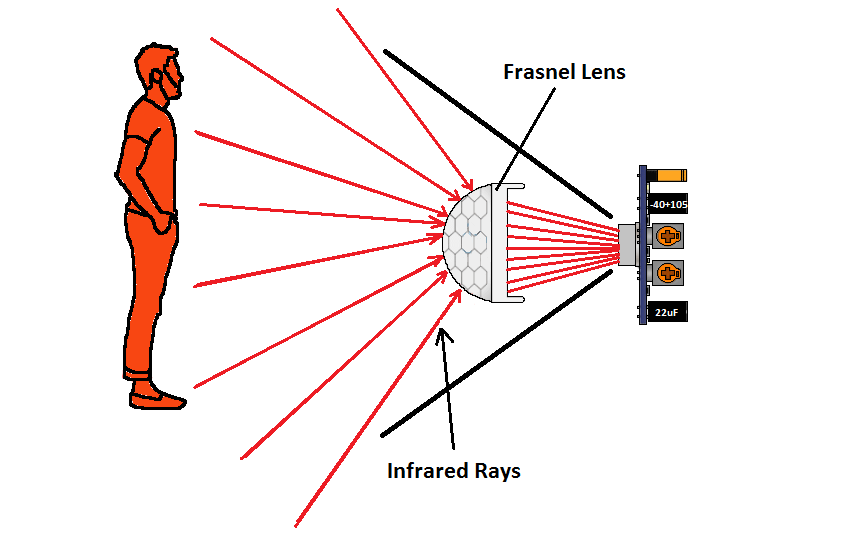
Credit: medium.com
Challenges And Limitations
Motion sensors are impressive gadgets, but they aren’t perfect. Understanding their challenges and limitations helps you set realistic expectations and troubleshoot issues effectively. Let’s look at some common hurdles you might face when using motion sensors.
False Alarms
One of the biggest headaches with motion sensors is false alarms. Pets, small animals, or even moving shadows can trigger the sensor unexpectedly. I once had my sensor go off repeatedly because a curtain was fluttering in the wind, causing more annoyance than security.
False alarms can drain your trust in the system and waste your time. To reduce these, consider adjusting the sensor’s angle or sensitivity. Some sensors allow you to set “pet immunity” zones, which can help if you have pets roaming around.
Environmental Interference
Environmental factors play a huge role in sensor performance. Rain, fog, or strong sunlight can confuse sensors, making them less reliable. For instance, direct sunlight hitting the sensor lens might cause it to misread heat signatures.
Electrical interference from nearby devices can also cause glitches. If your sensor is near heavy machinery or Wi-Fi routers, you might notice inconsistent behavior. Placing sensors thoughtfully and checking for interference sources can improve accuracy.
Range And Sensitivity Issues
Every sensor has limits on how far and how well it can detect motion. If you place a sensor too far from the area you want to monitor, it might miss movement entirely. On the other hand, high sensitivity can make it pick up even the smallest motions, leading to constant triggers.
Ask yourself: is your sensor covering the right space without being too sensitive? Sometimes, repositioning the sensor or adjusting its settings makes all the difference. Testing different setups helps find the sweet spot between coverage and false alarms.
Future Trends In Motion Sensing
Motion sensors are evolving rapidly, and the future holds exciting possibilities that will change how you interact with technology daily. These advancements promise smarter, more precise, and widely applicable devices. Let’s look at what lies ahead in motion sensing technology and how it might impact your life.
Integration With Ai
Imagine your motion sensor not just detecting movement but understanding it. AI integration allows sensors to analyze patterns and predict behaviors, making devices more intuitive. This means your home security system could distinguish between a pet and an intruder, reducing false alarms.
AI also enables personalized responses. Your smart lighting could adjust based on your usual routines without you lifting a finger. How would it feel to have technology that learns and adapts to you so naturally?
Improved Accuracy
Accuracy in motion detection is crucial, especially in sensitive environments like healthcare and industrial safety. Future sensors will use advanced materials and algorithms to minimize errors and react faster. This precision can save lives by detecting falls or hazardous movements instantly.
Think about how precise motion sensing could enhance your fitness tracker’s ability to monitor workouts or your gaming experience with more responsive controls. Improved accuracy brings technology closer to truly understanding your every move.
Expanded Use Cases
Motion sensors are no longer confined to security or lighting. Their applications are spreading into new fields like augmented reality, smart retail, and even agriculture. For instance, sensors could monitor crop growth or livestock movement, helping farmers make better decisions.
In your daily life, motion sensors could enable touchless interfaces in public spaces, reducing the spread of germs. What new uses can you imagine for motion sensing where it isn’t common today?

Credit: octiot.com

Credit: wasserstein-home.com
Frequently Asked Questions
How Does A Motion Sensor Detect Movement?
A motion sensor detects movement by sensing changes in infrared energy or microwave signals. When an object moves, it disrupts these signals. The sensor then triggers an alert or activates a device like a light or alarm.
What Types Of Motion Sensors Are Commonly Used?
Common motion sensors include Passive Infrared (PIR), ultrasonic, microwave, and dual-technology sensors. PIR sensors detect body heat, while ultrasonic and microwave sensors use sound or radio waves to sense motion.
Where Are Motion Sensors Typically Installed?
Motion sensors are usually installed in entryways, hallways, rooms, and outdoor areas. Their placement helps detect movement for security, lighting control, or automation purposes effectively.
Can Motion Sensors Work In Complete Darkness?
Yes, many motion sensors like PIR sensors detect body heat, which does not require light. This allows them to function accurately in total darkness.
Conclusion
Motion sensors detect movement by sensing changes in light, heat, or sound. They help keep homes and buildings safe and save energy. These sensors work quietly and quickly, making life easier. Understanding how they function can help you choose the right one.
Simple technology with big benefits. A smart way to protect and control your space.






