Are you holding a drill but unsure how to insert the drill bit correctly? You might think it’s simple, but a small mistake can lead to poor results or even damage your tool.
Knowing exactly how to put a drill bit into your drill not only saves time but also makes your work safer and more efficient. Keep reading, and you’ll learn the easy, step-by-step way to get your drill ready for any job—no guesswork, no frustration.
Your next project just got a whole lot easier.
Choosing The Right Drill Bit
Choosing the right drill bit is key to a successful drilling job. The correct bit matches the material and size needed for the project. Using the wrong bit can damage the material or the drill itself. Understanding the types of drill bits and their sizes helps you make the best choice.
Types Of Drill Bits
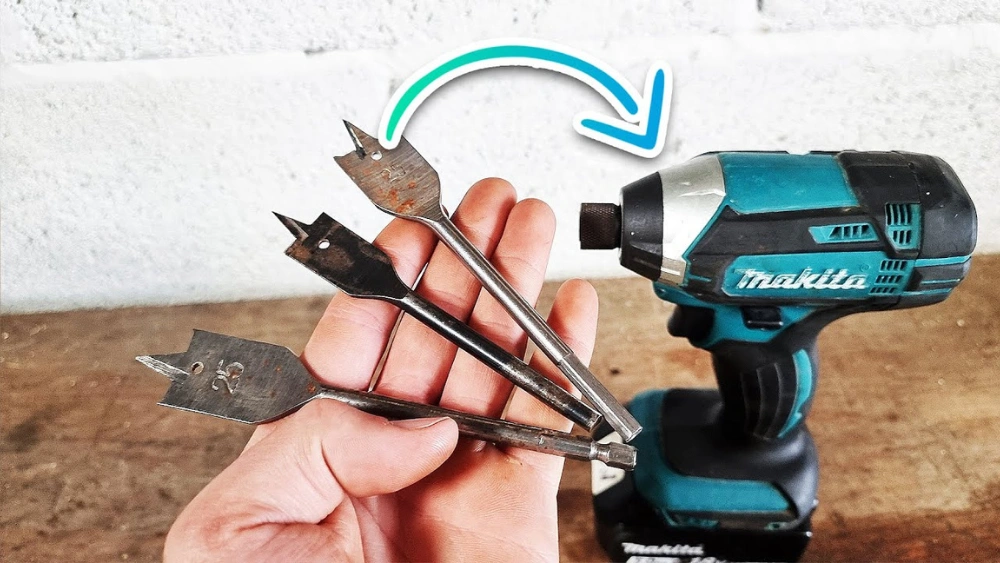
Different drill bits serve specific purposes. Twist bits are common and work well for wood and metal. Masonry bits are designed for bricks and concrete. Spade bits create large holes in wood quickly. For precise holes in metal, use a cobalt bit. Each type fits different materials and tasks.
Materials And Sizes
Drill bits come in various materials like high-speed steel, carbide, and cobalt. High-speed steel is good for soft materials. Carbide bits handle tough materials like tiles. Cobalt bits resist heat and last longer in metal drilling.
Size matters. Bits come in standard sizes measured in inches or millimeters. Choose a size that fits your screw or hole requirement. Too large or too small can cause problems during drilling.

Credit: www.youtube.com
Preparing The Drill
Preparing the drill is a key step before inserting any drill bit. It helps avoid damage and ensures smooth operation. Proper preparation also keeps you safe while working. Take time to check the drill and understand its features.
Checking The Drill Compatibility
Not all drill bits fit every drill. Check the drill’s chuck size first. Most drills have a 3/8-inch or 1/2-inch chuck. Match the drill bit shank to the chuck size. Look for bits labeled “compatible” with your drill type.
Also, consider the drill’s power source. Cordless drills work best with certain bits. Corded drills may handle heavier bits. Using the right bit prevents slipping and damage.
Safety Precautions
Unplug the drill or remove the battery before changing bits. This prevents accidental starts. Wear safety glasses to protect your eyes from dust and debris. Avoid loose clothing or jewelry that can catch on the drill.
Work in a clean, well-lit area. Keep hands away from the chuck while tightening. Secure the drill on a stable surface if possible. These simple steps reduce the risk of injury.
Removing The Chuck
Removing the chuck is a crucial step if you want to replace or clean the drill bit holder. It might seem tricky at first, but once you know what type of chuck you have and how to handle it, the process becomes straightforward. Knowing how to remove the chuck properly helps you avoid damaging your drill and ensures your tool stays in good shape for years.
Identifying The Chuck Type
Before you try to remove the chuck, you need to know which type your drill has. Most drills come with either a keyed chuck or a keyless chuck. A keyed chuck has a small hole where you insert a chuck key to tighten or loosen the grip on the bit.
Keyless chucks, on the other hand, can be loosened or tightened by hand. They often have ridges or a textured grip to help you twist the chuck open. Can you easily turn the chuck by hand, or do you need a tool? This question helps you identify your chuck type quickly.
Using The Chuck Key
If your drill has a keyed chuck, you’ll need the chuck key to remove it. Insert the key into the hole on the chuck, then turn it counterclockwise to loosen the jaws holding the drill bit. It might take a bit of force if the chuck is tight.
Once the chuck is loose, you can unscrew it from the drill spindle. Sometimes, tapping the back of the chuck gently with a wooden block or hammer helps loosen stubborn chucks. Have you noticed how the chuck key fits snugly and gives you leverage? That’s the secret to easily removing the chuck without damage.

Credit: www.youtube.com
Inserting The Drill Bit
Inserting the drill bit correctly is a crucial step that sets the stage for a smooth drilling experience. If the bit isn’t positioned right, you risk damaging your project or the drill itself. Let’s break down how to insert the bit so it stays secure and works efficiently.
Aligning The Drill Bit
Start by choosing the drill bit that fits your task. Hold the bit and the drill chuck in a way that lets you see both clearly.
Carefully line up the drill bit’s smooth end with the chuck’s opening. Make sure the bit sits straight—not at an angle—because even a slight tilt can cause wobbling during use.
Have you ever noticed your drill bit spinning unevenly? Misalignment is often the culprit. Taking a moment to align it properly saves time and frustration later.
Securing The Drill Bit
Once the bit is aligned, it’s time to lock it in place. Depending on your drill, you might need to tighten the chuck by hand or use a chuck key.
- If your drill has a keyless chuck, grip it firmly and twist clockwise until the bit feels snug.
- For keyed chucks, insert the key into the hole and turn it clockwise, tightening the jaws around the bit.
Don’t just make it “feel tight”—give the bit a gentle tug to confirm it’s firmly secured. A loose bit can slip, ruining your project and risking injury.
Testing The Setup
Testing the setup is a crucial step after inserting the drill bit. It confirms the bit is secure and the drill works correctly. This step helps avoid accidents and ensures smooth drilling. Take time to check everything before starting your project.
Powering On The Drill
Hold the drill firmly with both hands. Turn on the drill at a low speed first. Listen for unusual sounds or vibrations. If the drill runs smoothly, increase speed slowly. Stop immediately if you feel any shaking or hear strange noises.
Ensuring Stability
Check the drill bit for any wobbling or movement. A loose bit can cause damage or injury. Tighten the chuck if needed and test again. Keep the drill steady during operation. Use a firm grip and a balanced stance to maintain control.

Credit: www.darttoolgroup.com
Troubleshooting Common Issues
Running into issues while putting a drill bit into your drill can be frustrating. These common problems often have simple fixes that save you time and effort. Let’s look at how you can quickly troubleshoot and get back to work.
Drill Bit Slipping
If your drill bit keeps slipping while you work, it’s usually because it’s not secured tightly enough. Check that the chuck is fully tightened around the bit. Sometimes, dirt or debris inside the chuck prevents a firm grip—clean it out with a brush or compressed air.
Also, consider the type of drill bit you’re using. Worn or smooth-shanked bits tend to slip more. Switching to a bit with a slightly rougher or hexagonal shank can improve grip.
Ask yourself: Are you tightening the chuck by hand or using the key? Keyed chucks often provide a stronger hold. Try using the chuck key to ensure the bit is firmly locked in place.
Chuck Won’t Open
A stuck chuck can stop you from changing bits altogether. This usually happens if rust or debris builds up inside the chuck mechanism. Try applying a bit of penetrating oil and let it sit for a few minutes before attempting to open it again.
If the chuck still won’t budge, gently tap it with a rubber mallet while trying to turn it. Be careful not to damage the drill or chuck. Sometimes, holding the drill in a vice (with padding) while you turn the chuck helps apply more controlled force.
Have you checked if your drill has a locking mechanism? Some models lock the chuck to prevent accidental opening. Make sure to unlock it first, or you might be fighting the drill itself.
Frequently Asked Questions
How Do You Insert A Drill Bit Into A Drill?
First, loosen the chuck by turning it counterclockwise. Insert the drill bit’s shank into the chuck. Tighten the chuck clockwise by hand, then use the chuck key if available to secure the bit firmly.
What Type Of Drill Bit Fits My Drill?
Check your drill’s chuck size, usually 3/8 or 1/2 inch. Match the drill bit shank size to the chuck size for compatibility. Most drills accept straight-shank bits.
How Tight Should A Drill Bit Be In The Chuck?
The drill bit should be tight enough to prevent slipping but not overly forced. Use a chuck key or hand-tighten securely for safe operation.
Can I Put A Drill Bit In A Cordless Drill?
Yes, cordless drills have standard chucks compatible with most drill bits. Insert and tighten the bit the same way as with corded drills.
Conclusion
Putting a drill bit into a drill is easy once you know the steps. Tighten the chuck firmly to keep the bit in place. Always check that the drill is off before changing bits. Using the right bit for your project helps you work better.
Practice a few times to feel confident and safe. With these simple tips, you can handle your drill like a pro. Ready to start your next project? Just follow these steps, and you’ll do great.