Have you ever faced the frustration of a broken bolt stuck where you can’t reach it? You’re not alone.
When a bolt snaps off, it can stop your project dead in its tracks. But don’t worry—drilling out a broken bolt is something you can learn to do yourself. You’ll discover simple, step-by-step techniques that make this tricky task much easier.
By the end, you’ll have the confidence and know-how to tackle broken bolts without stress. Keep reading, and turn your stuck bolts into smooth fixes.

Credit: www.youtube.com
Safety Precautions
Drilling out a broken bolt can be a tricky task, and safety should never be an afterthought. The process involves sharp tools, metal fragments, and sometimes high speed, all of which can pose risks if you’re not properly prepared. Taking the right safety measures protects you from injury and helps ensure the job goes smoothly.
Protective Gear
Always wear safety glasses to shield your eyes from flying metal shards. Even tiny fragments can cause serious damage, so don’t skip this step.
Gloves protect your hands from sharp edges and hot surfaces, but make sure they fit well to avoid getting caught in the drill. Hearing protection is often overlooked but essential if you’re using power tools for extended periods.
Have a dust mask handy if you’re working with rusty or old bolts to avoid inhaling harmful particles. Your safety gear isn’t just extra—it’s a must-have that can prevent painful accidents.
Workspace Setup
Choose a well-lit area where you can clearly see your work. Shadows or poor lighting increase the chances of mistakes and injuries.
Secure the workpiece firmly in a vise or clamp to prevent it from moving while drilling. Ever tried drilling and had the bolt spin out of control? It’s frustrating and dangerous.
Keep your workspace clean and free of clutter. Tools and debris lying around can cause trips or distractions, making accidents more likely.
Have a first aid kit nearby—just in case. You never know when a small cut or scrape might need immediate attention.
Tools Required
Drilling out a broken bolt demands the right set of tools to make the job easier and safer. Without proper equipment, you might damage the surrounding material or waste time struggling with the bolt. Knowing exactly what tools to have on hand prepares you to tackle the problem efficiently.
Drill And Bits
A reliable drill is the foundation of this task. A cordless drill with adjustable speed works best because it gives you control and flexibility. You’ll also need a variety of drill bits, including small pilot bits and larger ones designed for metal drilling.
Choosing the right bit size is crucial. Start with a small bit to create a pilot hole, then gradually use bigger bits. This approach prevents the bolt from cracking further or damaging the hole.
Lubricants
Lubricants reduce friction and heat buildup while drilling, which protects both your drill bit and the bolt. Applying a few drops of penetrating oil before and during drilling can make a big difference. It seeps into the metal, softening rust and corrosion that often cause bolts to break.
Have you noticed how stubborn bolts become easier to remove after some lubricant? That’s the power of using the right fluid. WD-40, cutting oil, or even household alternatives like vinegar can work depending on the situation.
Extraction Kits
Extraction kits are designed specifically for removing broken bolts. They usually include special tools like screw extractors or easy-outs, which grip the inside of the drilled hole and twist the bolt out. These kits save you time and reduce the risk of further damage.
Many DIYers overlook having an extraction kit until they face a stuck bolt. Investing in one can turn a frustrating task into a manageable job. Do you have one ready in your toolbox?
Assessing The Situation
Before drilling out a broken bolt, it is important to carefully assess the situation. This step helps you choose the right tools and techniques. Understanding the bolt’s material and the location challenges ensures a smoother removal process. Taking time to evaluate these factors reduces the risk of damage and saves effort.
Bolt Material
Identify the bolt’s material first. Bolts can be made from steel, stainless steel, or even hardened alloys. Soft metals like aluminum are easier to drill. Harder materials require stronger drill bits and slower speeds.
Knowing the bolt material helps in selecting the correct drill bit. For steel bolts, use cobalt or titanium-coated bits. For softer metals, high-speed steel bits work well.
Location Challenges
Check the bolt’s location carefully. Some bolts sit in tight or awkward spaces. This limits tool access and visibility.
Look for nearby parts that may get damaged. Plan how to protect these areas before drilling. Consider using smaller drill bits for limited space. Also, think about the angle needed to drill straight into the bolt.
Preparing The Bolt
Preparing the broken bolt is a key step before drilling it out. Proper preparation helps prevent damage and makes the removal easier. It involves clearing debris and marking the exact spot to drill.
Cleaning The Area
Remove dirt, rust, and grease around the bolt. Use a wire brush or a rag for cleaning. This clears the surface and shows the bolt clearly. A clean area reduces drill slippage and keeps tools steady.
Center Punching
Mark the center of the broken bolt with a center punch. This small dent guides the drill bit to the right spot. Tap the punch gently with a hammer. The mark stops the bit from wandering during drilling.
Drilling Techniques
Drilling out a broken bolt requires careful techniques to avoid damaging the surrounding material. Choosing the right drill bit and following a clear drilling process helps remove the bolt safely. Precision and patience are key to success.
Choosing The Right Drill Bit
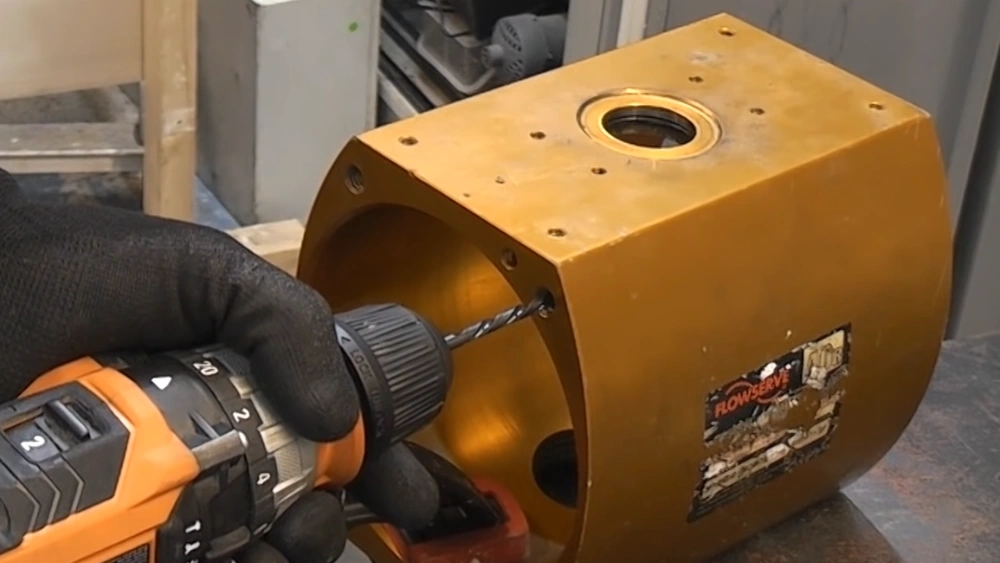
Select a drill bit smaller than the bolt’s diameter to start. A cobalt or titanium bit works best for hard metals. Use a center punch to mark the bolt’s center before drilling. This prevents the drill bit from slipping. Gradually increase the drill bit size if needed, but avoid going too large too fast.
Step-by-step Drilling
- Secure the workpiece firmly to avoid movement.
- Place the drill bit on the marked center of the bolt.
- Start drilling slowly to create a small pilot hole.
- Keep the drill perpendicular to the bolt for an even hole.
- Apply steady pressure without forcing the drill.
- Clear metal shavings regularly to avoid overheating.
- Increase drill bit size carefully until the bolt loosens or can be extracted.
Bolt Extraction Methods
Extracting a broken bolt can be tricky. Choosing the right method helps avoid damage and saves time. Several bolt extraction methods exist, each suited for different bolt conditions and tools available.
These methods focus on gripping or drilling out the bolt safely. Proper technique improves success and protects surrounding materials. Let’s explore common ways to remove broken bolts.
Using Easy Outs
Easy outs are special tools designed for bolt removal. They have a reverse thread that grips the bolt firmly.
- Drill a small hole in the center of the broken bolt.
- Insert the easy out into the hole carefully.
- Turn the easy out counterclockwise using a wrench.
- The tool bites into the bolt and twists it out.
Easy outs work best on bolts that are not rusted or too tight. Use steady pressure to avoid breaking the tool inside the bolt. These tools are affordable and widely available.
Alternative Techniques
Some bolts resist easy out removal. Alternative methods help in such cases.
- Left-Hand Drill Bits:These bits drill and may unscrew the bolt simultaneously.
- Welding a Nut:Weld a nut onto the broken bolt’s surface. Then turn the nut to remove the bolt.
- Using Pliers or Vise Grips:If part of the bolt sticks out, grip it firmly and twist.
- Drilling Out:Drill the bolt completely and replace it with a new one.
Choosing a method depends on bolt size, location, and damage extent. Test gently to prevent further issues.
Avoiding Common Mistakes
Drilling out a broken bolt can be tricky. Mistakes often cause more damage or wasted effort. Avoiding common errors saves time and protects your tools. Focus on careful steps for a smoother process.
Preventing Drill Bit Breakage
Use the right drill bit for metal bolts. Start drilling with a small bit before using a larger one. Keep steady, gentle pressure to avoid bending the bit. Cool the bit with oil to prevent overheating. Avoid forcing the drill, as it can snap the bit inside the bolt.
Ensuring Proper Alignment
Align the drill bit straight with the bolt’s center. An angled drill can cause the bit to slip or break. Mark the center of the bolt using a punch or marker. Secure the workpiece to keep it from moving. Check alignment often during drilling to stay on target.
Credit: www.kimballmidwest.com
Post-extraction Steps
After successfully drilling out a broken bolt, follow key steps to restore the work area. These post-extraction actions ensure the repair lasts and prevents future damage. Clean the hole and fix any thread damage before reassembling parts.
Thread Repair
Check the bolt hole threads carefully. Drilling out a broken bolt can damage the threads. Use a thread tap to clean and restore the threads.
If threads are too damaged, consider using a thread insert. Inserts provide strong, new threads for bolts. Choose the correct size to match the original bolt.
Proper thread repair keeps bolts tight and prevents loosening. Avoid cross-threading when re-installing the bolt.
Cleaning And Maintenance
Remove all metal shavings and debris from the drilled hole. Use compressed air or a small brush for thorough cleaning. This prevents dirt from damaging the threads or surrounding parts.
Apply a light layer of anti-seize lubricant to the threads. This helps future bolt removal and prevents rust. Check nearby components for damage during extraction.
Regular maintenance after bolt removal improves the lifespan of tools and parts. Keep the area clean and inspect for any signs of wear.
Expert Advice
Drilling out a broken bolt can feel frustrating, but expert advice can make the process much smoother. Knowing the right techniques and anticipating common obstacles helps you save time and prevent further damage. Here’s what you need to keep in mind to improve your chances of success.
Tips For Success
- Use the correct drill bit size:Start with a small bit to create a guide hole, then gradually increase the size. This reduces the risk of slipping or damaging the surrounding material.
- Keep the drill steady:Secure your drill and maintain a straight angle to avoid bending the bit or enlarging the hole unevenly.
- Apply cutting oil:Lubricate the area before and during drilling to reduce heat and wear on the bit.
- Work slowly:High speed can overheat the drill bit and the bolt, making the metal harder to drill through.
- Use a center punch:Mark the exact drill point to prevent the bit from wandering.
Common Challenges
One frequent issue is the bolt spinning instead of breaking free. This often happens if the bolt is still partly attached inside the hole. You can try gripping the bolt with locking pliers before drilling to keep it from turning.
Another problem is drill bit breakage. Cheap or dull bits wear out quickly on hardened bolts. Investing in high-quality, cobalt or titanium-coated bits can make a noticeable difference.
Rust and corrosion might also complicate the process. If the bolt is heavily rusted, soaking it in a penetrating oil overnight can help loosen it. Have you noticed how a little patience can sometimes prevent hours of frustration?

Credit: www.amazon.ca
Frequently Asked Questions
How Do You Safely Drill Out A Broken Bolt?
To safely drill out a broken bolt, first secure the workpiece. Use a center punch to mark the bolt’s center. Start with a small drill bit, then gradually increase size. Drill slowly to avoid damaging surrounding material or the bolt hole.
What Tools Are Needed To Drill Out A Broken Bolt?
You need a power drill, center punch, drill bits, and penetrating oil. An easy-out extractor set can help remove the bolt after drilling. Safety goggles and gloves are also essential for protection during the process.
Can You Drill Out A Bolt Without Damaging Threads?
Yes, use a drill bit slightly smaller than the bolt shaft. Drill straight and carefully to avoid widening the hole. After removing the bolt, clean the threads with a tap to restore them properly.
How Do You Loosen A Stuck Broken Bolt Before Drilling?
Apply penetrating oil and let it sit for at least 15 minutes. Tap the bolt gently with a hammer to break rust bonds. Use heat cautiously to expand metal and ease bolt removal before drilling.
Conclusion
Drilling out a broken bolt takes patience and the right tools. Start with a small drill bit and work carefully. Keep the drill steady to avoid damaging the material. Use proper safety gear to protect yourself. Taking your time helps prevent mistakes.
Practice makes the process easier over time. With the right steps, you can remove broken bolts effectively. Stay calm and focused during the task. This skill saves money and reduces frustration. Keep trying, and you will get better at it.