Are you ready to master a simple skill that can make your DIY projects easier and more professional? Knowing how to drill a hole in wood is one of those basic tasks that can save you time and frustration.
Whether you’re hanging a picture, building furniture, or fixing something around the house, drilling the right hole is key. You’ll discover easy steps and expert tips that anyone can follow. By the end, you’ll feel confident picking up that drill and getting the job done perfectly every time.
Let’s get started!
Choosing The Right Tools
Choosing the right tools is the foundation of drilling a perfect hole in wood. The right drill and drill bit will save you time, reduce mistakes, and protect your wood from damage. Understanding the differences between tools helps you match them to your specific project needs.
Types Of Drills
You might think all drills are the same, but they aren’t. Corded drills offer consistent power and are great if you have easy access to electricity. Cordless drills give you freedom to move around but check their battery life before starting long projects.
For wood, a drill with adjustable speed and a clutch is ideal. It helps prevent overdriving screws or damaging the wood surface. Have you noticed how a cheap drill can make your hole messy? Investing in a quality drill changes the game.
Selecting Drill Bits
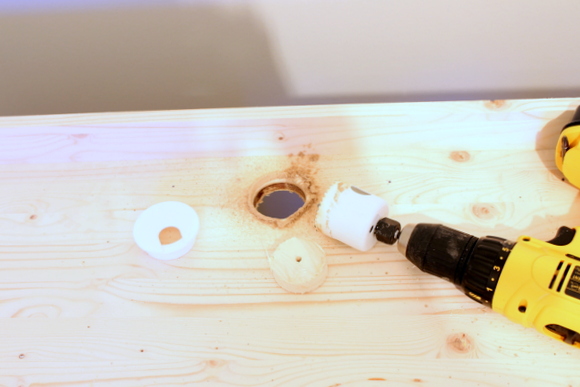
Choosing the right drill bit is just as important as the drill itself. Wood drill bits usually have a pointed tip to start the hole cleanly and cutting edges designed to remove wood chips efficiently.
- Twist bitsare common and work well for most wood types.
- Spade bitscreate larger holes quickly but can be rough around the edges.
- Forstner bitsare perfect for smooth, flat-bottomed holes, ideal for furniture projects.
Ask yourself: How precise does my hole need to be? The answer will guide your bit choice. Using the wrong bit often leads to splintering or holes that are too big. Test your bit on a scrap piece of wood first to see the result before drilling your actual project.
Credit: thediyplaybook.com
Preparing The Wood Surface
Preparing the wood surface is key to a clean and precise hole. Proper preparation helps avoid splinters and keeps the drill steady. Taking time to secure and mark the wood makes drilling easier and safer.
Securing The Wood
Hold the wood firmly before drilling. Use clamps or a vise to keep it still. This stops the wood from moving or spinning. A steady piece of wood helps drill straight holes and prevents accidents.
Place the clamps on a solid surface. Avoid squeezing the wood too hard to prevent damage. Check that the wood does not wobble before starting.
Marking The Drill Point
Mark the exact spot for the hole with a pencil. A clear mark guides the drill and improves accuracy. For better grip, create a small dent using a nail or an awl. This indentation stops the drill bit from slipping.
Double-check your measurements before marking. Accurate marks save time and material. Clear markings ensure a neat final result.
Drilling Techniques
Mastering drilling techniques can make your woodworking projects smoother and more precise. The way you handle your drill affects the quality of the hole and the safety of your work. Let’s focus on two key aspects: setting the drill speed and maintaining control.
Setting The Drill Speed
Adjusting the drill speed is crucial depending on the type of wood and the drill bit you use. Softer woods usually require higher speeds, while harder woods need slower speeds to avoid burning the material or dulling the bit.
If you’re working with a cordless drill, most models let you control speed with a trigger. Try starting slow and gradually increasing speed to see how the wood reacts. Have you noticed that too fast can cause rough edges? Slowing down often gives you cleaner, more accurate holes.
Maintaining Control
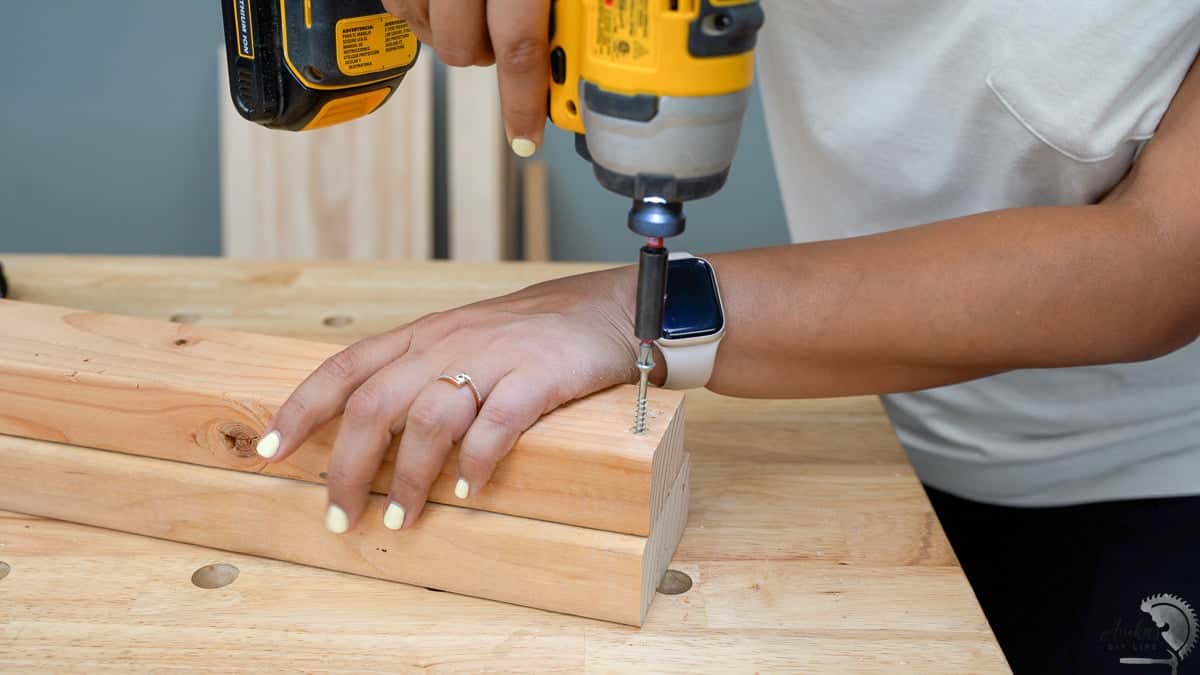
Keeping a steady hand is key to drilling straight and precise holes. Hold the drill firmly with both hands whenever possible; this reduces wobbling and improves accuracy.
Don’t rush the process—apply consistent pressure without forcing the drill. If you push too hard, you risk damaging the wood or breaking the bit. Think about your last project: did steady control help you achieve better results?
Using clamps to secure the wood piece can also give you better control, freeing your hands to focus on steady drilling. This simple step often prevents slips and mistakes that slow down your progress.
Credit: www.anikasdiylife.com
Avoiding Common Mistakes
Drilling a hole in wood might seem straightforward, but common mistakes can quickly turn a simple task into a frustrating experience. Avoiding these pitfalls will save you time, protect your materials, and improve the quality of your work. Let’s focus on two key areas that often cause trouble: splintering and alignment.
Preventing Splintering
Splintering happens when the wood fibers tear rather than cut cleanly. This usually occurs on the exit side of the hole. To avoid this, try placing a scrap piece of wood underneath your workpiece before drilling. This supports the fibers and reduces tear-out.
Another tip is to drill slowly and steadily. Rushing with high speed can increase splintering and burn the wood. If you’re using a handheld drill, holding it firmly and keeping it steady also helps maintain a clean hole.
Have you ever noticed how a sharp drill bit makes a huge difference? Dull bits tend to pull and tear fibers instead of cutting them, so keep your bits sharp or replace them regularly.
Checking Alignment
Misaligned holes can ruin a project, especially when precision is key. Before drilling, mark your spot clearly with a pencil or an awl to create a small indentation. This helps guide the drill bit and prevents it from wandering.
Using a drill press or a guide block can drastically improve accuracy. If those aren’t available, try clamping a square or a straight edge to the wood to keep your drill vertical. It might feel like extra work but it pays off with perfectly aligned holes.
Ask yourself: how often have you had to redo a hole because it was off-center? Taking a moment to check alignment before drilling can save you from that hassle.
Safety Measures
Drilling a hole in wood might seem straightforward, but ignoring safety can lead to serious accidents. Taking the right precautions protects you and ensures your project goes smoothly. Let’s focus on key safety measures that you should never overlook before you start drilling.
Protective Gear
Always wear safety goggles to shield your eyes from wood chips and dust. These tiny particles can cause irritation or injury if they get into your eyes.
Consider using ear protection if your drill is loud, especially during extended use. Prolonged exposure to noise can damage your hearing over time.
Gloves can protect your hands, but only use ones that fit well and don’t interfere with your grip. Ill-fitting gloves might catch on the drill, causing accidents.
Handling Equipment Safely
Before you start, check that the drill bit is properly secured and sharp. A loose or dull bit can slip and cause injury or damage your wood.
Keep a firm grip on the drill with both hands to maintain control. If your drill has a side handle, use it to help steady your movements.
Never force the drill through the wood. Let the drill do the work at its own pace to avoid kickbacks or bit breakage.
Think about where your hands and fingers are at all times. Position them away from the drilling path to avoid accidental punctures.
Have you ever paused before drilling to double-check your setup? This simple habit can save you from many common mistakes.

Credit: www.instagram.com
Finishing Touches
After drilling a hole in wood, the work isn’t quite finished. The final touches make a big difference in how professional and clean your project looks. Taking the time to clean up and smooth the edges ensures your piece is both safe and visually appealing.
Cleaning Up The Hole
Wood dust and splinters often cling to the hole right after drilling. Use a small brush or compressed air to clear out all debris inside the hole. This step prevents any interference when fitting screws, dowels, or other components.
If you skip cleaning, you might struggle with parts not fitting properly. I once tried assembling a shelf without clearing the holes and ended up struggling to insert screws. That extra moment to clean saved me a lot of frustration later.
Smoothing Edges
Rough edges around the hole can cause splintering or damage to whatever you insert. Lightly sanding the perimeter with fine-grit sandpaper softens the edges and improves the wood’s finish. You can also use a countersink bit to chamfer the hole for a smoother, more polished look.
Have you noticed how a perfectly smooth hole just feels better to work with? It’s not just about looks—smooth edges help prevent cracks from spreading, keeping your wood project stronger for longer.
Frequently Asked Questions
What Tools Do I Need To Drill A Hole In Wood?
To drill a hole in wood, you need a power drill, drill bits, a pencil, and safety gear. Choose the right drill bit size for your project. Always wear safety glasses to protect your eyes from wood chips.
How Do I Prevent Wood From Splitting When Drilling?
Use a drill bit smaller than the screw size to avoid splitting. Drill slowly and apply steady pressure. Placing a piece of scrap wood under the workpiece helps reduce tear-out. Pre-drilling pilot holes also minimizes wood splitting.
What Drill Bit Is Best For Wood Holes?
Spade bits, twist bits, and Forstner bits work best for wood. Twist bits are great for small holes. Spade bits handle larger holes quickly. Forstner bits provide clean, flat-bottomed holes for precision.
How Do I Drill A Straight Hole In Wood?
Mark the drilling spot clearly and hold the drill perpendicular to the wood. Use a drill guide or clamp a square as a guide. Drill slowly and keep the drill steady for accuracy.
Conclusion
Drilling a hole in wood is simple with the right steps. Choose the correct drill bit and mark the spot clearly. Keep the drill steady and apply gentle pressure. Take your time to avoid mistakes or damage. Practice on scrap wood to build confidence.
These tips help you drill holes safely and accurately every time. Now, you can start your woodworking projects with ease.