Imagine walking into your home and having the lights turn on just the way you like them. Picture your thermostat adjusting itself while you’re still on your way back from work.
What if your coffee maker started brewing the perfect cup the moment you woke up? If you’ve ever asked yourself, “How do I automate my home? ” you’re about to discover simple steps that can transform your everyday life. This isn’t about complicated gadgets or confusing setups.
It’s about making your home smarter, easier, and more comfortable—starting right now. Keep reading, and you’ll learn how to take control of your space with ease.
Benefits Of Home Automation
Home automation brings many benefits that improve daily life. It makes managing your home simpler and smarter. Automating devices helps save time and effort. It also boosts safety and cuts energy costs. These advantages show why many choose smart homes.
Enhanced Convenience
Control lights, thermostats, and appliances remotely. Schedule tasks to run automatically at set times. Use voice commands to manage devices easily. Avoid manual switching and adjusting. Enjoy more free time and less hassle every day.
Improved Security
Monitor your home with smart cameras and sensors. Receive alerts on your phone for unusual activity. Lock doors remotely or set them to lock automatically. Create a safer environment without extra effort. Feel more secure whether you are home or away.
Energy Efficiency
Smart devices help reduce electricity and heating bills. Adjust heating and cooling based on your schedule. Turn off lights and appliances that are not in use. Use energy reports to track consumption and improve habits. Save money while protecting the environment.

Credit: www.youtube.com
Key Components Of Smart Homes
Smart homes use technology to make daily life easier and more efficient. Several key components work together to create a connected and automated home environment. Each plays a vital role in controlling devices and improving comfort, safety, and energy use.
Smart Lighting
Smart lighting lets you control lights remotely or by schedule. You can change brightness and colors with a phone app or voice commands. This saves energy and adds convenience. Motion sensors can turn lights on or off automatically in rooms.
Smart Thermostats
Smart thermostats adjust heating and cooling based on your habits. They learn your schedule and keep the temperature comfortable. You can control them from anywhere using a mobile device. These devices help lower energy bills by avoiding waste.
Smart Security Systems
Smart security systems include cameras, alarms, and sensors. They send alerts to your phone if something unusual happens. You can watch live video or check past footage anytime. Some systems offer smart locks to control door access remotely.
Smart Appliances
Smart appliances connect to the internet for easier use. Examples include refrigerators, ovens, and washing machines. You can start or stop them with a mobile app. These appliances can also notify you about maintenance or problems.
Choosing The Right Smart Devices
Choosing the right smart devices is crucial for creating a home automation system that truly fits your lifestyle. The variety of options available can be overwhelming, but focusing on compatibility, usability, and budget will help you make smart choices. Let’s break down these key factors to guide you toward the best devices for your home.
Compatibility With Existing Systems
Before buying any smart device, check if it works with your current setup. Many devices rely on specific platforms like Alexa, Google Home, or Apple HomeKit.
Imagine buying a smart thermostat only to find it doesn’t connect with your voice assistant. That’s frustrating and wastes money.
Look for devices that support the same communication protocols, such as Wi-Fi, Zigbee, or Z-Wave, your hub or other gadgets use. This ensures smooth integration and easier control.
Ease Of Use
Think about how you will interact with your smart devices daily. A complicated app or setup process can turn you off quickly.
Choose devices with clear instructions and user-friendly apps. Devices that offer voice control or automation routines save you time and effort.
Ask yourself, “Will I enjoy using this device, or will it add stress?” Your answer will steer you toward devices that fit your comfort level with technology.
Budget Considerations
Smart home devices come in a wide price range. It’s tempting to buy the latest gadgets, but staying within your budget is essential.
Prioritize devices that offer the most value. For example, a smart plug can automate many appliances at a lower cost compared to a full smart lighting system.
Consider long-term savings, too. Devices that reduce energy use may cost more upfront but save money over time.
Credit: sg.style.yahoo.com
Setting Up A Smart Home Hub
Setting up a smart home hub is a crucial step to making your home truly automated. A smart hub acts as the central brain, connecting and controlling all your smart devices seamlessly. Without it, managing multiple gadgets can get confusing and inefficient.
Understanding Smart Hubs
A smart hub is a device or software platform that links your smart home products together. It allows you to control lights, thermostats, cameras, and more from a single app or voice command. Think of it as the command center that simplifies your smart home experience.
Not all hubs work the same way. Some rely on Wi-Fi, while others use Zigbee or Z-Wave protocols to communicate with devices. Knowing how your hub talks to devices helps you pick the right one for your setup.
Popular Hub Options
Several smart home hubs stand out for their reliability and ease of use. Here are a few popular choices:
- Amazon Echo (Alexa):Great for voice control and supports a wide range of devices.
- Google Nest Hub:Offers a user-friendly touchscreen and strong integration with Google services.
- Samsung SmartThings:Supports multiple protocols and works well with a diverse set of devices.
- Apple HomePod:Ideal if you are invested in the Apple ecosystem.
Choosing a hub depends on your preferred ecosystem and the devices you want to control. Have you checked which devices are compatible with your favorite hub?
Integration With Devices
Once you pick your hub, the next step is connecting your devices. Most hubs have apps that guide you through adding new gadgets step-by-step. This process usually involves putting devices in pairing mode and confirming the connection in the app.
Device compatibility is key. You don’t want to buy a smart bulb only to find it doesn’t work with your hub. Always check supported brands and protocols before purchasing new devices.
After integration, you can create routines or automation rules. For instance, you might want your lights to turn on automatically when you arrive home. What kind of daily tasks would you like your smart home to handle for you?
Wireless Technologies In Home Automation
Wireless technologies make home automation easier and more flexible. They connect devices without messy wires. This allows you to control lights, locks, and more from anywhere. Different wireless options suit different needs and setups. Understanding key wireless technologies helps you choose the right ones for your home.
Wi-fi
Wi-Fi is common in most homes. It uses your internet router to connect devices. Many smart home gadgets work with Wi-Fi. It offers high speed and good range inside your house. However, many devices on Wi-Fi can slow down your network. It is best for cameras, smart speakers, and thermostats.
Bluetooth
Bluetooth connects devices directly without a router. It uses less power and works well for short distances. Many smart locks and sensors use Bluetooth. It is simple to set up and pairs quickly. Bluetooth works great for controlling devices near you, like lights or speakers.
Zigbee And Z-wave
Zigbee and Z-Wave are made just for smart homes. They form a mesh network. This means devices connect through each other to extend range. Both use less energy than Wi-Fi. They are very reliable and secure. Zigbee often supports more devices, while Z-Wave has less interference. These technologies suit lights, sensors, and switches.
Voice Assistants For Smart Living
Voice assistants have become the heart of many smart homes. They give you hands-free control over your devices, making daily tasks easier and your living space more responsive. Imagine just saying what you need, and your home listens.
Amazon Alexa
Alexa works with thousands of smart devices, from lights to locks and even coffee makers. You can create routines, like turning off all lights and locking doors with a single command. It’s like having a personal assistant who never forgets your preferences.
One tip: use Alexa’s “Drop In” feature to quickly check on family members or pets without picking up your phone. It’s a simple way to stay connected and secure.
Google Assistant
Google Assistant shines with its ability to understand natural language and answer complex questions. It integrates seamlessly with Google services like Calendar and Maps, helping you manage your day effortlessly. Plus, it supports many smart home brands.
Try setting up voice commands to get weather updates, control your thermostat, or even broadcast messages to other rooms. It’s a practical tool that saves you time and keeps your home comfortable.
Apple Homekit
HomeKit offers a privacy-focused smart home experience, perfect if you’re already in the Apple ecosystem. You control your devices using Siri on your iPhone, iPad, or HomePod. The setup is straightforward, and everything works smoothly together.
Consider using HomeKit’s automation features to trigger scenes based on your location or time of day. For instance, you can have your lights dim and music play as you arrive home. It’s all about making your environment suit your lifestyle.
Diy Vs Professional Installation
Choosing between DIY and professional installation is key to automating your home. Each option has unique advantages and challenges. Understanding these helps pick the best path for your needs and skills.
Pros And Cons Of Diy
DIY home automation lets you control the process from start to finish. It can save money and offer a fun learning experience. You buy devices, install them, and program settings yourself.
- Pros:Lower cost, flexible schedule, personal satisfaction.
- Cons:Time-consuming, requires technical skills, possible setup errors.
DIY might be best for small projects or simple systems. It suits those who enjoy hands-on tasks and troubleshooting.
Benefits Of Professional Setup
Professional installation brings expertise and efficiency. Experts handle complex wiring, integration, and device compatibility. They ensure everything works smoothly and safely.
- Faster and more reliable setup
- Access to expert advice and support
- Customized solutions tailored to your home
- Warranty and service guarantees
Hiring a professional reduces stress and avoids costly mistakes. It fits larger, more advanced home automation systems.
Maintaining Your Smart Home
Keeping your smart home running smoothly needs regular care. A well-maintained system stays secure and efficient. Simple habits help avoid many common problems. Staying ahead means your devices work as they should.
Regular Software Updates
Smart devices need frequent software updates. Updates fix bugs and improve security. They add new features and enhance performance. Ignoring updates can leave your home vulnerable. Set devices to update automatically if possible. Check apps and hubs for update notifications. Make it a habit to review updates weekly.
Troubleshooting Common Issues
Devices may stop working or lose connection. Restarting the device often solves many problems. Check your Wi-Fi and internet connection first. Ensure devices have enough power or battery. Reset devices to factory settings if needed. Consult the device manual for specific steps. Keep a list of common fixes for quick access.
Future Trends In Home Automation
The future of home automation looks smarter and more connected. Advances in technology will make homes more efficient and easier to control. Expect systems that learn your habits and adjust settings automatically. Homes will become more intuitive and responsive to your needs.
Artificial Intelligence Integration
Artificial intelligence (AI) will play a key role in home automation. AI can analyze data from your devices and improve their performance. It helps systems understand your preferences and act without commands. AI-powered assistants will manage lighting, climate, and security seamlessly. This creates a more personalized and convenient living experience.
Expansion Of Iot Devices
The Internet of Things (IoT) will grow rapidly in homes. More devices will connect to the internet and communicate with each other. Smart sensors, appliances, and gadgets will work together to improve daily life. This expansion allows better monitoring and control of energy use and home safety. The network of devices will create a truly connected home environment.
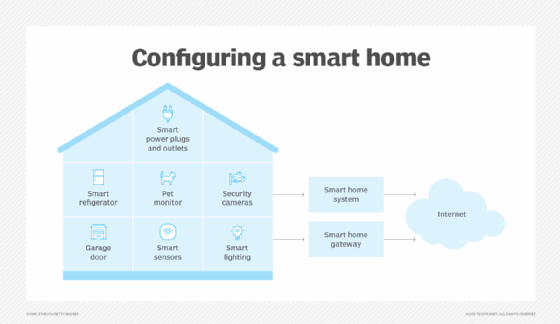
Credit: www.techtarget.com
Frequently Asked Questions
What Are The First Steps To Automate My Home?
Start by identifying tasks to automate, like lighting and climate control. Choose a central hub for device control. Invest in compatible smart devices. Prioritize easy installation and user-friendly apps to ensure smooth automation setup.
Which Smart Devices Are Essential For Home Automation?
Essential devices include smart bulbs, thermostats, security cameras, and voice assistants. These tools improve convenience, security, and energy efficiency. Choose devices compatible with your automation hub to ensure seamless integration and control.
How Can I Control My Smart Home Remotely?
Use smartphone apps linked to your home automation hub. These apps allow remote control of devices anytime, anywhere. Ensure your hub supports remote access and secure connections for safe, convenient home management.
Is Home Automation Expensive To Install?
Costs vary based on device quality and system complexity. Basic setups can be affordable, while advanced systems may be pricier. Start small and expand gradually to manage expenses effectively without sacrificing functionality.
Conclusion
Automating your home makes life easier and saves time. Small steps can lead to big changes. Start with simple devices like smart lights or thermostats. You can control many things from your phone. This adds comfort and security to your daily routine.
Keep learning about new tools and ideas. Enjoy the convenience that home automation brings. Your home can become smarter and more efficient. It’s a smart way to live better every day.