
Are you planning to drill into concrete but unsure if a regular drill will do the job? Choosing the right tool can save you time, effort, and frustration.
A hammer drill might be the answer you’re looking for, but do you really need one for your project? You’ll discover exactly when a hammer drill is necessary, how it works, and whether it’s worth the investment for your concrete tasks.
Keep reading to make the best choice for your tools and get the job done right.
Hammer Drill Basics
Understanding the basics of a hammer drill can change how you approach your concrete projects. This tool is not just another power drill; it has unique features designed to tackle tough materials like concrete. Knowing how it works and the types available can help you decide if it’s the right fit for your needs.
What Is A Hammer Drill?
A hammer drill is a power tool designed to drill holes in hard surfaces such as concrete, brick, and stone. Unlike a regular drill, it delivers a rapid hammering action that helps break up the material as it drills. This makes drilling into concrete faster and less strenuous on your arms.
If you’ve ever struggled to drill into concrete with a regular drill, you know how frustrating it can be. A hammer drill can save you time and effort by adding that extra impact force.
How Hammer Drills Work
The key feature of a hammer drill is its hammering mechanism. It combines rotary drilling with a pulsating hammer motion, which chips away at the concrete while the drill bit spins. This dual action allows the drill bit to penetrate hard surfaces more effectively.
Think about it as a rapid tapping combined with drilling. The hammer action creates small fractures in the concrete, making it easier for the bit to cut through.
Types Of Hammer Drills
There are mainly two types of hammer drills to consider:
- Standard Hammer Drills:These have a hammering action built into a regular drill. They are great for light to medium concrete work and are often more affordable.
- Rotary Hammer Drills:These use a piston mechanism for a stronger hammering force. They are larger and more powerful, ideal for heavy-duty concrete drilling and chiseling.
Your choice depends on the scale of your project. For hanging shelves or mounting fixtures, a standard hammer drill might be enough. But for bigger jobs like drilling large holes or extensive concrete work, a rotary hammer drill could save you hours of hard work.

Credit: www.reddit.com
Concrete Drilling Challenges
Drilling into concrete is not as simple as drilling into wood or drywall. Concrete is a tough, dense material that can wear down ordinary tools quickly. The surface often contains hard aggregates like gravel or small stones, which add to the challenge. Understanding these challenges helps in choosing the right tool for the job.
Why Concrete Requires Special Tools
Concrete is made of cement, sand, and stone. This mix creates a very hard surface. Regular drills are not built to handle such hardness. They can overheat or break when used on concrete. Hammer drills are designed to deliver rapid hammering action. This action breaks the concrete as the drill bit spins. It makes drilling faster and easier.
Common Issues When Drilling Concrete
- Drill bits can wear out quickly due to hard materials inside concrete.
- Heat builds up fast, causing damage to drill bits and the drill itself.
- Drilling without a hammer function takes too long and wastes effort.
- Concrete dust can clog the drill, reducing its efficiency.
- Improper tools can cause cracks or damage to the concrete surface.
Benefits Of Using Hammer Drills On Concrete
Using a hammer drill for concrete work offers clear advantages that can make your project smoother and more efficient. These tools are designed specifically to handle the tough nature of concrete, saving you time and effort. Let’s look at the key benefits that make hammer drills a smart choice for your concrete tasks.
Enhanced Power And Efficiency
Hammer drills combine rotary motion with a hammering action that breaks up concrete as it drills. This dual action lets you drill faster and with less strain compared to standard drills. You’ll notice that holes go through concrete more quickly, which means you spend less time and energy on each task.
Imagine trying to drill into concrete with a regular drill—it can feel like pushing a pen into a brick wall. A hammer drill changes that experience entirely, making tough jobs feel much easier. This efficiency not only speeds up your work but also reduces wear on your tools and your muscles.
Precision And Control In Concrete Projects
Despite their power, hammer drills offer a surprising level of control, allowing you to work accurately on detailed concrete tasks. Many models come with adjustable speed settings and depth stops, helping you avoid drilling too deep or damaging the surrounding material.
When you’re installing anchors, electrical boxes, or plumbing in concrete walls, precision is critical. Hammer drills help you place holes exactly where you need them without cracking or weakening the structure. Have you ever struggled with uneven holes or chipped edges during a concrete project? Using the right hammer drill can prevent those issues and improve your overall results.
Credit: www.popsci.com
Alternatives To Hammer Drills
If you don’t have a hammer drill, don’t worry. There are other ways to work with concrete that might fit your needs better, especially if your project is small or occasional. Understanding these alternatives can save you money and still get the job done effectively.
Using Rotary Drills
A rotary drill can handle concrete drilling, but it requires the right drill bits designed for masonry. These drills spin at high speed but lack the hammering action that makes hammer drills so efficient. You might notice it takes longer and demands more effort to drill through tough concrete.
One tip is to choose carbide-tipped masonry bits and keep the drill steady. You can also start with a smaller pilot hole before moving to larger sizes. Have you tried this? It can make a big difference in control and precision.
Manual Methods For Small Projects
If your project is very small, manual methods might work just fine. Using a masonry chisel and hammer lets you chip away carefully where you need holes or rough shaping. This approach is slower but gives you control and doesn’t require power tools.
Consider this if you’re working on a simple garden project or fixing a tiny crack. It’s also safer for beginners who might not want to handle electric tools. How often do you think about going back to basics for a hands-on approach?
Choosing The Right Hammer Drill
Choosing the right hammer drill for concrete can make a huge difference in your project’s outcome. Not all hammer drills are created equal, and picking the wrong one might slow you down or even damage your material. You want a tool that feels comfortable, works efficiently, and lasts through tough jobs.
Key Features To Consider
Start by checking the power source. Corded drills usually provide more consistent power, while cordless models offer better mobility. Think about where you’ll be working and if having a cord might get in your way.
Next, look at the impact energy, often measured in joules. Higher impact energy means the drill can break through concrete faster and with less effort. Are you tackling small repairs or heavy-duty construction? That will guide the power level you need.
Weight and ergonomics matter more than you might expect. A heavy drill can tire your arms quickly, especially if you’re drilling multiple holes. Try holding a few models if you can; comfort can save you time and frustration.
Other features to check include variable speed settings, an adjustable clutch, and vibration control. These can help you work more precisely and reduce fatigue. Does your project require delicate control or brute force?
Top Brands And Models
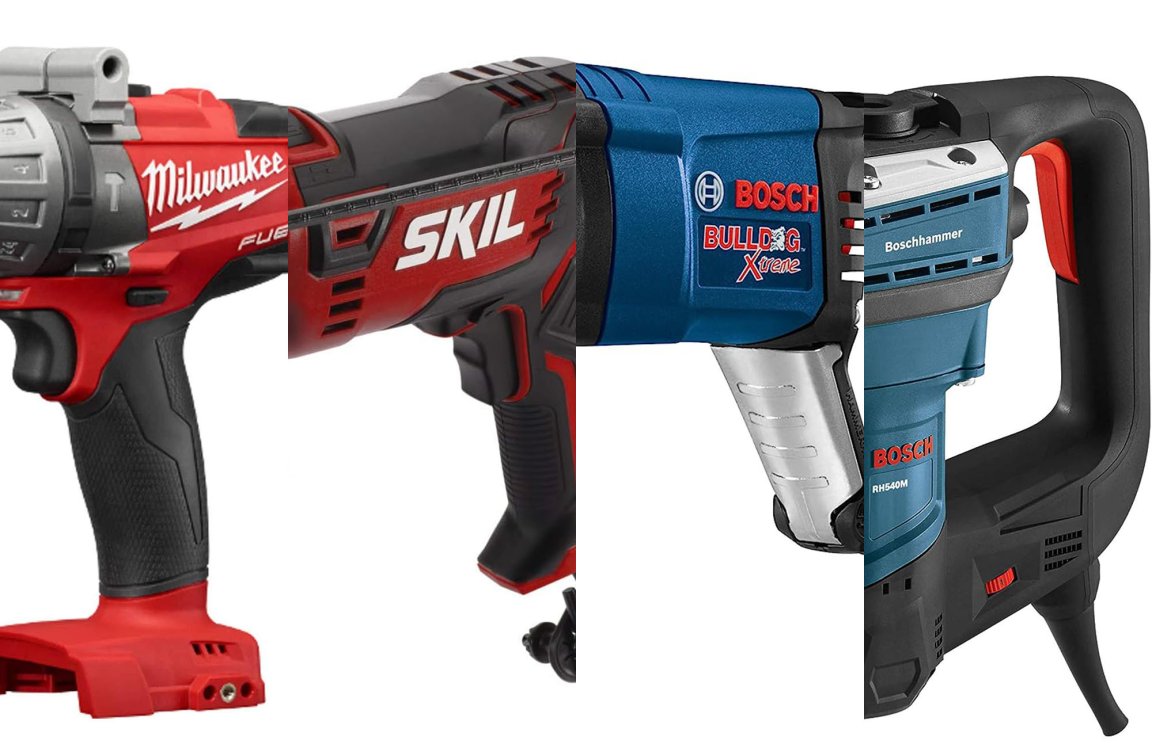
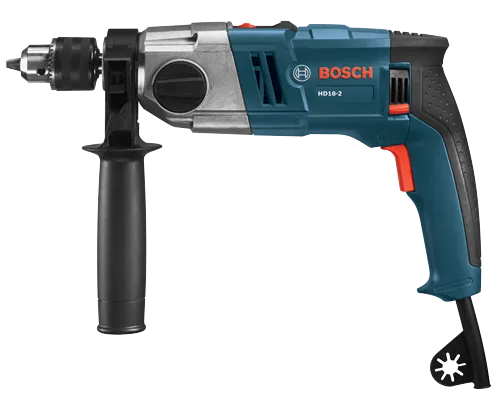
Some brands stand out for their reliability and performance in hammer drills for concrete. Bosch, DeWalt, Makita, and Hilti are often trusted by professionals and DIYers alike.
| Brand | Popular Model | Best For | Key Feature |
|---|---|---|---|
| Bosch | GBH2-28L | Medium to heavy-duty work | Excellent balance of power and control |
| DeWalt | DCH273B | Cordless convenience | Strong battery life and impact energy |
| Makita | HR2475 | Versatile, everyday use | Ergonomic design and durability |
| Hilti | TE 70-ATC | Heavy industrial jobs | Exceptional power and vibration reduction |
Which features are non-negotiable for you? Reflecting on your typical projects can help you narrow down choices quickly. Sometimes investing a bit more upfront saves hours of frustration later.
Credit: cbicorporate.com
Safety Tips For Concrete Drilling
Drilling into concrete requires care and attention to avoid accidents. Concrete dust and flying debris can harm your eyes and lungs. The powerful action of a hammer drill can cause loss of control without proper handling. Follow safety tips to protect yourself and work efficiently.
Protective Gear
- Wear safety goggles to shield your eyes from dust and chips.
- Use a dust mask or respirator to protect your lungs from fine particles.
- Wear ear protection to reduce noise exposure from the drill.
- Put on sturdy gloves to protect your hands from vibration and sharp edges.
- Use work boots with non-slip soles for stable footing.
Safe Operating Procedures
- Check the drill bit is suitable for concrete and in good condition.
- Secure the workpiece or area to prevent movement during drilling.
- Hold the drill with both hands for better control and stability.
- Start drilling at a low speed to avoid sudden jerks or slips.
- Apply steady, moderate pressure; do not force the drill into the concrete.
- Take breaks to prevent overheating of the drill and reduce fatigue.
- Keep the drill cord clear of the drilling area to avoid tripping.
- Unplug the drill before changing bits or making adjustments.
Maintenance And Care
Proper maintenance and care extend the life of your hammer drill. It keeps the tool working well and safe to use. Neglecting maintenance can lead to performance issues and costly repairs. Simple care routines make a big difference.
Cleaning And Storage
After each use, remove dust and debris from the drill. Use a dry cloth to wipe the exterior parts. Compressed air can clear dust from vents and moving parts. Avoid using water or harsh chemicals that may damage the tool.
Store the hammer drill in a dry, cool place. Keep it in its case or on a shelf away from moisture. Proper storage prevents rust and electrical problems. Make sure the drill is unplugged or the battery is removed before storing.
Troubleshooting Common Issues
Check the power source if the drill won’t start. Ensure the battery is charged or the cord is plugged in securely. If the drill stops during use, allow it to cool down; overheating can cause shutdowns.
Listen for unusual sounds or vibrations. These may indicate worn parts or loose components. Inspect the drill bit for damage and replace it if needed. Tighten any loose screws or parts to avoid further problems.
Frequently Asked Questions
What Is A Hammer Drill Used For In Concrete?
A hammer drill combines rotary drilling with hammering action. It efficiently drills into hard materials like concrete and masonry. This tool saves time and effort compared to regular drills. It’s essential for anchoring, installing fixtures, or making holes in concrete surfaces.
Can A Regular Drill Work On Concrete?
A regular drill can work on concrete but is less effective. It lacks the hammering action needed for tough materials. Using a regular drill may cause slow progress and drill bit wear. For best results, a hammer drill is recommended for concrete.
When Should You Choose A Hammer Drill?
Choose a hammer drill when drilling into hard materials like concrete, brick, or stone. It is ideal for construction, renovation, and heavy-duty projects. If you only drill wood or metal occasionally, a regular drill suffices. Hammer drills offer more power and durability for concrete tasks.
Do Hammer Drills Damage Concrete?
Hammer drills do not damage concrete if used correctly. They create controlled holes with less effort than standard drills. Using the right drill bit and speed prevents cracking or chipping. Proper technique ensures clean, precise holes without weakening the concrete.
Conclusion
Choosing the right tool matters for your concrete work. A hammer drill makes drilling easier and faster. It reduces effort and saves time on tough surfaces. For small jobs, a regular drill might work fine. But for heavy or frequent tasks, a hammer drill is worth it.
Think about how often you drill into concrete. Investing in the right drill helps you finish projects with less hassle. Your work stays clean and precise. Simple tools can make a big difference. Consider your needs and decide what suits you best.






