Are you wondering if you can run a ceiling fan using 14 2 wire? If you’ve ever faced this question, you’re not alone.
Getting your ceiling fan wired correctly is crucial for both safety and performance. Using the wrong wire can lead to frustrating issues or even hazards. You’ll discover exactly what 14 2 wire is, whether it’s suitable for your ceiling fan, and what you need to know before making a decision.
Keep reading to make sure your fan runs smoothly and safely without costly mistakes.
Ceiling Fan Wiring Basics
Understanding ceiling fan wiring is essential before installation. It ensures safety and proper function. Ceiling fans usually need more than just a simple power wire. They require wiring for the fan motor and the light kit, if included. Knowing the basics helps you decide if 14/2 wire is enough for your fan.
Wiring can differ based on fan features and wall controls. Fans with separate light and fan switches need more wires. The wiring must handle the current safely and meet electrical codes. Proper connections prevent shorts and hazards.
Types Of Wires In Ceiling Fan Installation
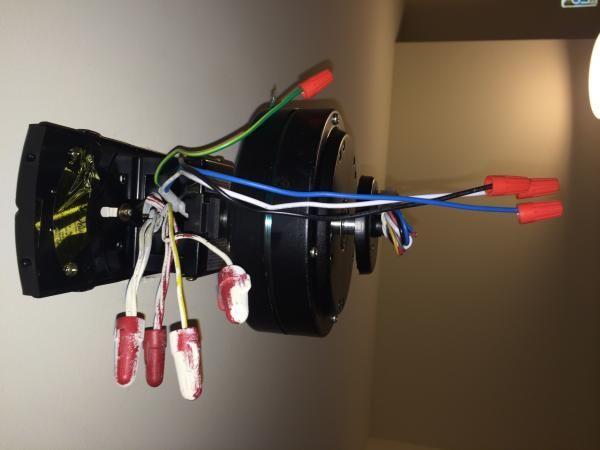
Typically, ceiling fans use three wires:
- Black wire:Powers the fan motor
- Blue wire:Powers the light kit (if present)
- White wire:Neutral wire completing the circuit
Ground wires (bare copper or green) provide safety from electrical faults.
Understanding 14/2 Wire
14/2 wire contains two insulated conductors and one ground wire. It usually has one black, one white, and one bare copper wire. This setup supports a single power source and a neutral. It does not have a separate wire for controlling the fan and light independently.
When 14/2 Wire Works For Ceiling Fans
Use 14/2 wire if your fan has no separate light or switch. It powers both fan and light together on one switch. This wire type is common in simple installations without dimmers or multiple controls.
Limitations Of 14/2 Wire For Ceiling Fans
14/2 wire cannot control fan and light separately. It limits user options like turning lights off but keeping the fan on. For more control, 14/3 wire or additional wiring is necessary. Always follow local electrical codes and safety standards.
Understanding 14 2 Wire
Understanding the 14 2 wire is essential before deciding if you can run a ceiling fan with it. This type of electrical wire is common in household wiring and has specific characteristics that affect how you use it. Knowing its structure and capacity helps you make safe and effective electrical choices.
What Is 14 2 Wire?
The 14 2 wire consists of two insulated conductors and one bare ground wire. The number 14 refers to the gauge or thickness of the wire, which influences the amount of current it can safely carry. The “2” indicates there are two insulated wires inside — typically one black (hot) and one white (neutral).
Common Uses Of 14 2 Wire
14 2 wire is commonly used for lighting circuits and small appliances. It can safely handle up to 15 amps of current, which fits many household lighting needs. This wire type is often found running to ceiling fixtures, switches, and outlets.
Can 14 2 Wire Handle A Ceiling Fan?
Ceiling fans usually require a 15-amp circuit, which 14 2 wire can support. However, if your fan has a separate light kit or multiple speed controls, you might need additional wiring. This is because 14 2 wire only provides one hot conductor, limiting control options.
Key Limitations Of 14 2 Wire
- Only one hot wire means limited control over multiple functions.
- Not suitable for circuits requiring more than 15 amps.
- May require additional wiring if you want separate switches for fan and light.
Have you ever tried installing a fan with a light and found your switch options limited? That’s often because 14 2 wire can’t provide separate control without extra wiring. Understanding this upfront can save you time and frustration.
Suitability Of 14 2 Wire For Ceiling Fans
Choosing the right wiring for your ceiling fan is crucial for safety and performance. The 14 2 wire, commonly used in household electrical setups, often comes up in this context. But is it truly suitable for running a ceiling fan? Let’s break down the details to help you make an informed decision.
Understanding 14 2 Wire Specifications
The 14 2 wire consists of two insulated conductors and a ground wire. It is rated for 15 amps and typically used for lighting circuits in residential homes. The gauge of the wire (14 AWG) determines how much current it can safely carry without overheating.
Electrical Load Requirements Of Ceiling Fans
Ceiling fans usually draw less current than large appliances, often under 1 amp during operation. However, many ceiling fans come with integrated lights or multiple speed settings, which can increase the electrical load. Do you know the total wattage of your fan and its accessories? That’s key to matching it with the right wire.
Safety Considerations For Using 14 2 Wire
Using 14 2 wire is generally safe for ceiling fans if the circuit breaker matches the wire’s capacity. A 15-amp breaker paired with 14 AWG wire prevents overheating and fire risks. But if your fan setup includes additional electrical devices on the same circuit, you might need a heavier gauge wire for safety.
Practical Tips For Installation
- Check your fan’s wattage and compare it with the wire rating.
- Ensure the circuit breaker is compatible with 14 2 wire’s ampacity.
- Consult local electrical codes, as some areas require specific wiring standards.
- If unsure, don’t hesitate to ask a licensed electrician to inspect your setup.
Have you ever tried installing a ceiling fan only to find the wiring insufficient? Understanding these basics can save you from costly repairs and potential hazards. Always prioritize safety and accuracy over convenience when dealing with electrical wiring.
Safety Considerations
Before you decide to run a ceiling fan on 14 2 wire, safety has to be your top priority. Using the wrong wiring can lead to electrical hazards, including fire risks or damage to your fan. Understanding the limits and proper installation practices will help protect your home and loved ones.
Understanding Wire Gauge And Current Capacity
14 2 wire is rated for a maximum of 15 amps. Ceiling fans typically draw less current, so this wire can be sufficient in many cases. However, if your fan has additional features like lights or remote controls, the current draw might increase.
Using a wire that’s too thin for the load risks overheating. Have you checked the amperage rating of your ceiling fan against the wire gauge before installation? If not, it’s worth doing so to avoid serious issues.
Ensuring Proper Grounding
Grounding is not just a recommendation; it’s a safety requirement. The 14 2 wire includes a ground wire, which must be connected properly to prevent electrical shocks. Neglecting this step can put you and your family at risk.
During installation, double-check all ground connections. Even one loose or missing ground can turn your ceiling fan into a dangerous device.
Following Local Electrical Codes
Electrical codes vary by location but are designed to keep installations safe. Using 14 2 wire might be allowed for ceiling fans in your area, but it’s critical to verify this. Ignoring local codes can lead to penalties and unsafe wiring.
Have you consulted your local building authority or an electrician about your wiring plans? This small step can save you from costly mistakes and ensure your ceiling fan runs safely and efficiently.
Using A Dedicated Circuit Or Proper Circuit Sharing
Ceiling fans generally don’t require a dedicated circuit, but sharing circuits improperly can cause overloads. If your 14 2 wire is part of a shared circuit, consider the total load on that line. Overloading can trip breakers or cause wiring damage.
Ask yourself: Are other high-power devices on the same circuit? If yes, you might want to rethink your wiring setup to avoid future headaches.
Installation Tips
Installing a ceiling fan with 14-2 wire requires careful attention. Safety and functionality depend on proper wiring and connections. Follow these tips to ensure a smooth installation process and a well-working ceiling fan.
Preparing The Wiring
Turn off the power at the circuit breaker before starting any work. Use a voltage tester to confirm no electricity flows through the wires. Strip about 6 inches of the outer sheathing to expose the inner wires. Remove about ¾ inch of insulation from each wire end. Check that the 14-2 wire includes a black (hot), white (neutral), and bare copper (ground) wire. Organize the wires carefully to avoid crossing or damage. Ensure the electrical box supports the weight of the ceiling fan. Replace the box with a fan-rated one if needed.
Connecting The Fan
Match the wires from the fan to the house wiring carefully. Connect the black fan wire to the black (hot) wire from the 14-2 cable. Join the white fan wire to the white (neutral) wire. Attach the fan’s ground wire to the bare copper ground wire. Use wire nuts to secure each connection tightly. Wrap connections with electrical tape for extra safety. Push the wires gently into the electrical box. Mount the fan bracket firmly to the box. Follow the fan manufacturer’s instructions for final assembly and testing.
Credit: www.diychatroom.com
Common Mistakes To Avoid
Running a ceiling fan on 14 2 wire might seem straightforward, but many people make avoidable mistakes that can lead to safety issues or poor performance. Understanding these common pitfalls can save you time, money, and frustration. Let’s look at some mistakes you should steer clear of when working with 14 2 wire for your ceiling fan.
Using 14 2 Wire For Both Fan And Light Separately
One common error is trying to control the fan and light independently using only 14 2 wire. This wire contains just two conductors plus a ground, which limits your ability to run separate switches for the fan and light.
Many homeowners expect to have separate control but end up with both fan and light operating on the same switch. Before wiring, ask yourself if you want separate control. If yes, 14 2 wire won’t be enough; you’ll need 14 3 wire or more.
Ignoring Wire Gauge And Load Capacity
Some people overlook the importance of wire gauge relative to the electrical load. While 14 gauge wire is usually fine for ceiling fans, overloading it can cause overheating or tripping breakers.
Check the fan’s wattage and the circuit rating before proceeding. Are you sharing the circuit with heavy appliances? If so, consider using a thicker wire or a dedicated circuit for safety.
Skipping Proper Grounding
Failing to connect the ground wire properly is a safety hazard. The bare or green ground wire in 14 2 wiring must be attached securely to the fan’s grounding terminal and the electrical box if it’s metal.
I once saw a setup where the ground was left unconnected, which made the fan potentially dangerous during a short circuit. Don’t ignore grounding—it’s a critical safety step.
Confusing Neutral And Hot Wires
Another frequent mistake is mixing up the neutral (white) and hot (black) wires. Reversing these can cause the fan to malfunction or create electrical hazards.
Always use a tester to verify which wire is hot before connecting. It’s simple but crucial to avoid problems down the line.
Overlooking Local Electrical Codes
Many DIYers skip checking local codes, which can lead to failed inspections or unsafe installations. Electrical codes vary by location and often specify wire types and circuit requirements for ceiling fans.
Ask yourself: Have you reviewed your area’s electrical guidelines? It’s worth a quick call to your local building department to confirm what’s allowed.
Troubleshooting Wiring Issues
Wiring a ceiling fan with 14 2 wire can cause some issues. Troubleshooting wiring problems helps ensure safety and proper function. Many problems come from simple mistakes or wrong connections. Checking the wiring carefully can save time and avoid damage.
Knowing what to look for helps fix problems faster. Simple tools like a voltage tester or wire stripper can help. Always turn off the power before touching wires. Safety first.
Identifying Common Wiring Mistakes
- Check if the hot wire connects to the fan’s power input.
- Make sure the neutral wire is connected properly.
- Look for loose wire nuts or exposed wires.
- Verify that the ground wire is attached to the fan or box.
Using A Voltage Tester For Safety
Use a voltage tester to confirm power is off. Test both wires before touching them. A working tester shows no current. This prevents shocks and accidents.
Checking The Fan Switch And Remote Receiver
Sometimes the fan switch or remote receiver causes issues. Inspect these parts for damage or loose wires. Replace faulty switches or receivers to restore function.
Inspecting Wire Connections Inside The Ceiling Box
Open the ceiling box carefully. Look for any burnt or frayed wires. Tighten all wire nuts and ensure no wires are pinched. Clean connections improve reliability.
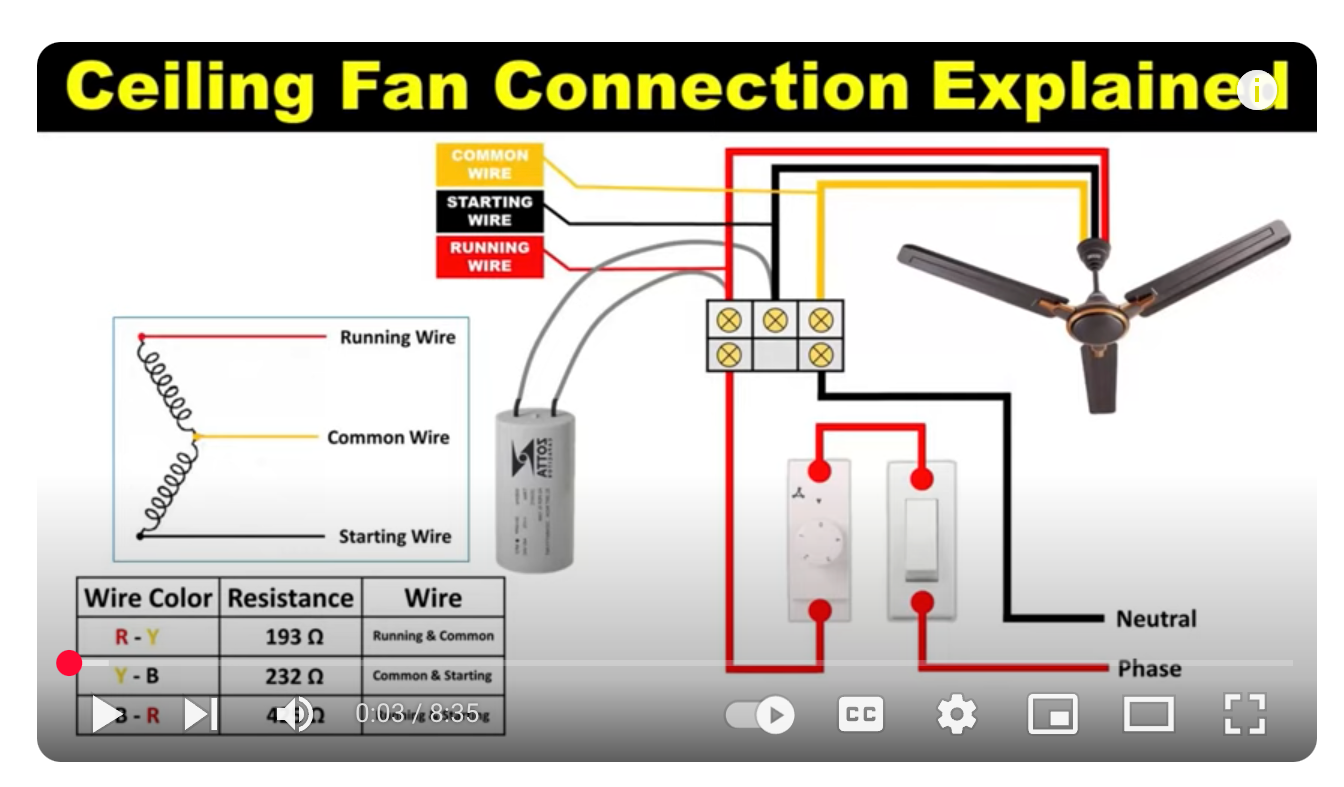
Credit: www.doityourself.com
Professional Advice
Professional advice is essential when deciding if you can run a ceiling fan on 14 2 wire. Electrical safety and proper functionality depend on the right wiring. Experts stress the importance of understanding electrical codes and wire capacity.
Using a 14 2 wire might not always be suitable for ceiling fans. The wire gauge and circuit load must be compatible to avoid hazards. Consulting a licensed electrician ensures the setup meets local regulations and safety standards.
Understanding Wire Gauge And Capacity
14 2 wire has a smaller gauge than 12 2 wire, meaning it carries less current safely. Ceiling fans typically require a circuit that can handle their load without overheating. Using a wire with insufficient capacity can cause electrical fires or damage.
Checking Local Electrical Codes
Electrical codes vary by region and dictate what wiring is allowed for ceiling fans. These codes protect homes from unsafe electrical practices. A professional can confirm if 14 2 wire complies with local rules for ceiling fan installation.
Ensuring Proper Circuit Protection
Circuit breakers or fuses must match the wire’s capacity to prevent overloads. Using 14 2 wire with a breaker designed for thicker wire risks tripping or fire. Professionals recommend matching wire size with breaker ratings for safety.
Hiring A Licensed Electrician
A licensed electrician has the knowledge and tools to assess your wiring needs. They can install or upgrade wiring safely and legally. Their expertise prevents costly mistakes and guarantees your ceiling fan works correctly.
Credit: www.doityourself.com
Frequently Asked Questions
Can You Run A Ceiling Fan On 14/2 Wire Safely?
Yes, you can run a ceiling fan on 14/2 wire if it is rated for 15 amps. Ensure the circuit breaker matches the wire gauge to prevent overheating or hazards.
Is 14/2 Wire Suitable For Ceiling Fan Installation?
14/2 wire is suitable for ceiling fans with light kits on a 15-amp circuit. It provides two conductors plus ground, enough for basic fan wiring.
Can 14/2 Wire Handle Ceiling Fan And Light Combo?
Yes, 14/2 wire can handle both ceiling fan and light if controlled together by one switch. Separate controls require additional wiring.
Do Electrical Codes Allow 14/2 Wire For Ceiling Fans?
Most electrical codes allow 14/2 wire for ceiling fans on 15-amp circuits. Always check local codes for specific requirements before installation.
Conclusion
Using 14-2 wire for a ceiling fan can work in some cases. It depends on your fan’s wiring and switch setup. Safety matters most; always check local codes and follow instructions. If unsure, ask a licensed electrician for help. Proper wiring keeps your fan running smoothly and safely.
Small steps like these save time and prevent problems later. Choose the right wire for a strong, reliable connection. This keeps your home safe and your fan working well.