Are you thinking about upgrading your floors without the hassle of ripping out your old ceramic tiles? You might be wondering, “Can you install Pergo over ceramic tile?”
The answer could save you a lot of time, money, and effort. Imagine transforming your space quickly and easily, giving your home a fresh, modern look without the mess of demolition. Keep reading, and you’ll discover everything you need to know to make the best decision for your flooring project.
Credit: floorcoveringslocal.co.uk
Pergo Flooring Basics
Pergo flooring is a popular choice for homeowners looking to refresh their spaces. Its versatility and ease of installation make it a favorite for many. Understanding the basics of Pergo flooring can help you decide if it’s right for your home.
What Is Pergo?
Pergo is a brand known for its high-quality laminate flooring. It mimics the look of wood, stone, or tile. It’s made from durable materials, ensuring long-lasting performance. The flooring consists of layers that resist wear and tear. A protective top layer keeps it looking new.
Benefits Of Pergo Flooring
Pergo flooring offers numerous advantages for homeowners. It’s easy to install, often requiring no nails or glue. This makes it a convenient option for DIY enthusiasts. The flooring is also scratch-resistant, ideal for homes with pets or children.
Cleaning Pergo is simple. Its surface repels dirt and stains. Regular sweeping and occasional mopping keep it pristine. The flooring is available in many styles. You can find designs to match any decor theme.
Pergo is also budget-friendly. It provides a high-end look without the high cost. This makes it accessible for various budget ranges. Its durability ensures it lasts for years, offering great value.
Credit: mrsashleyfrench.com
Ceramic Tile Characteristics
Ceramic tiles are a popular flooring choice. They offer strength and style in many homes. Understanding their characteristics helps decide if Pergo flooring can go on top. These tiles vary in durability and surface texture. Knowing common problems with ceramic tiles also matters for installation.
Durability And Surface Texture
Ceramic tiles are very durable. They resist scratches and heavy foot traffic well. The surface can be smooth or textured. Smooth tiles feel slick but are easier to clean. Textured tiles provide better grip but may trap dirt. Both types can affect how well Pergo flooring sticks. A flat, stable surface is best for installing Pergo.
Common Issues With Ceramic Tiles
- Cracks can develop over time from impact or shifting floors.
- Loose tiles create uneven spots that challenge new flooring adhesion.
- Grout lines may be uneven or deteriorated, causing surface irregularities.
- Moisture can seep under tiles, leading to mold or damage.
These issues must be fixed before adding Pergo. A solid, dry base ensures long-lasting results.
Preparing Ceramic Tile For Pergo
Preparing ceramic tile for Pergo flooring ensures a smooth and lasting installation. The tile surface must be clean and even. This avoids problems like uneven flooring or loose planks later. Proper preparation saves time and money.
Cleaning And Repairing Tiles
Start by cleaning the ceramic tile thoroughly. Remove dirt, grease, and dust using a strong cleaner. Scrub grout lines well, as dirt often hides there. Allow the floor to dry completely before moving on.
Check for cracked or loose tiles. Replace or fix these to create a stable base. Fill in any gaps or holes with a suitable filler. Smooth the surface to avoid bumps under the Pergo flooring.
Leveling The Surface
Check the tile surface for uneven spots. Use a level tool across the floor to find high or low areas. Sand down raised tiles or add leveling compound to low spots.
Allow any leveling material to dry fully. The surface must be flat and firm. This step prevents lippage and protects the Pergo planks from damage.
Installation Methods
Installing Pergo flooring over ceramic tile offers several choices. Each method has its own benefits and requirements. Choosing the right technique depends on your skill level and the condition of the tile floor. Proper installation ensures a smooth, durable surface that looks great.
Floating Floor Technique
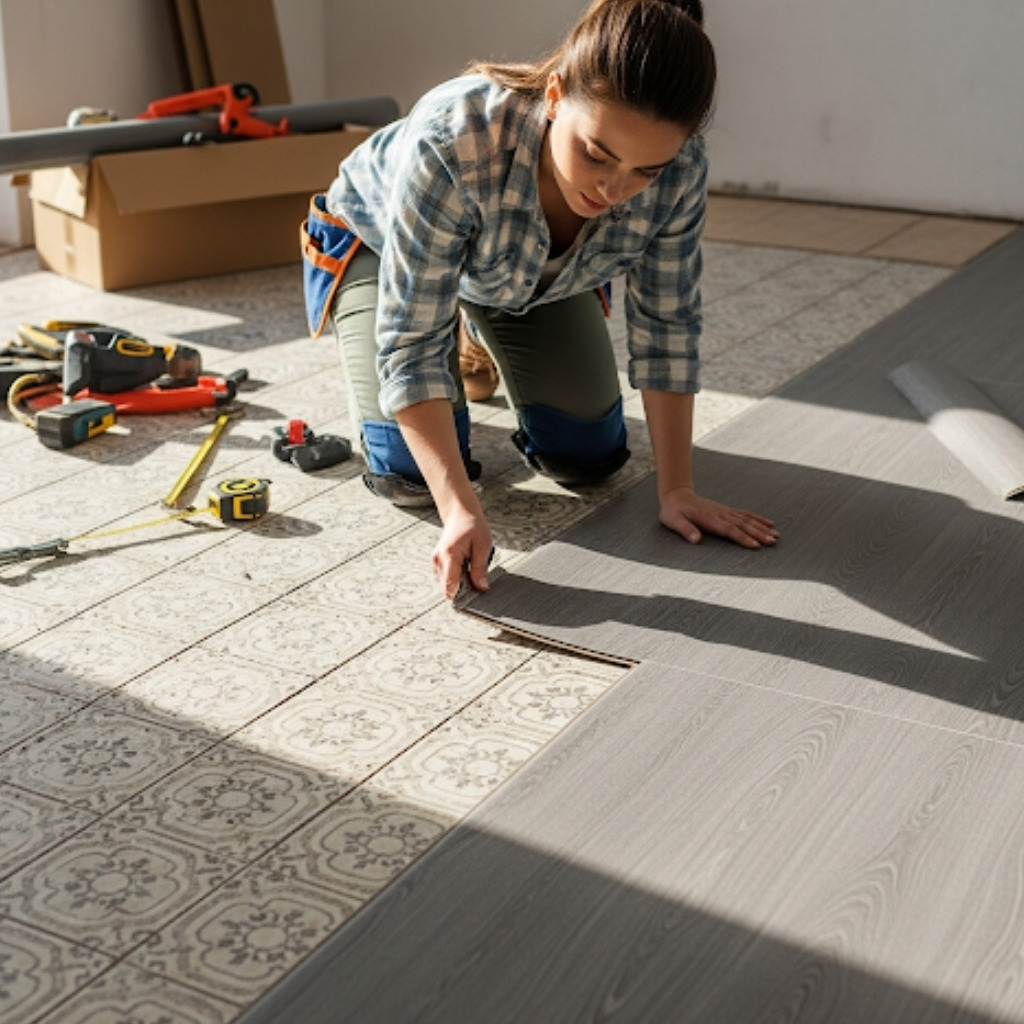
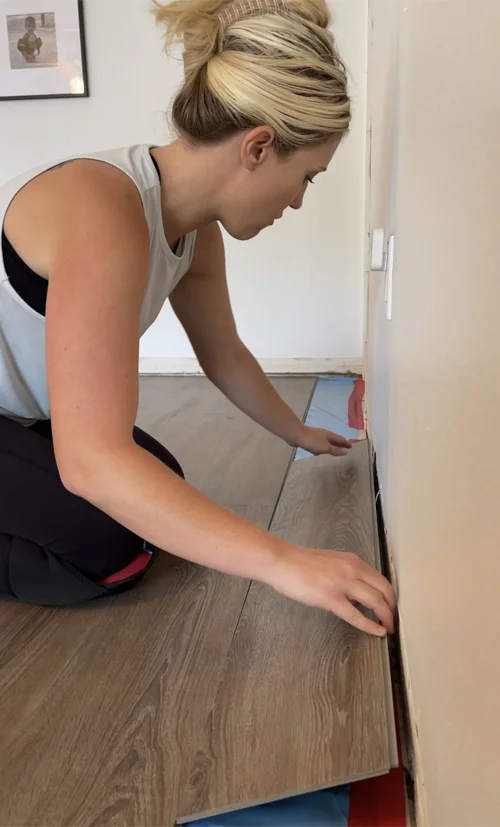
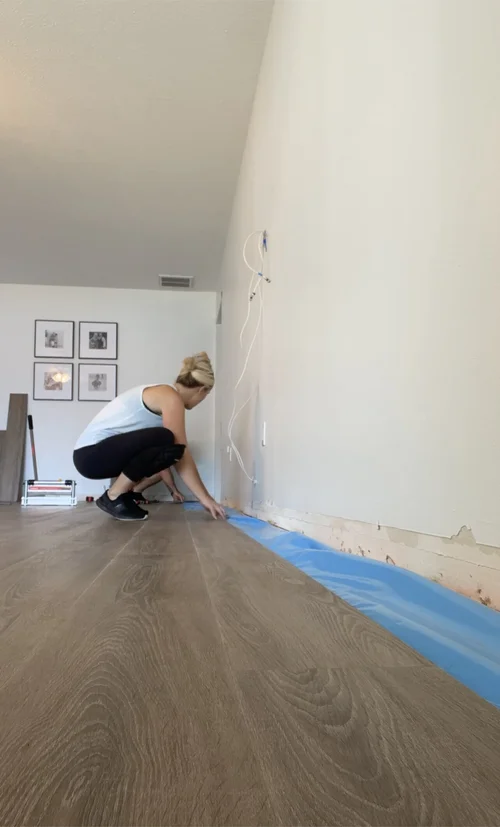
The floating floor technique is popular for installing Pergo over tile. The planks click together and rest on top of the tile without glue or nails. This method allows the floor to expand and contract naturally. It is quick, clean, and easy to remove if needed. A moisture barrier under the planks protects against dampness from the tile.
Glue-down Option
The glue-down option uses adhesive to stick Pergo planks directly to the tile. This creates a solid, stable floor with no movement between planks. It works best on flat, clean tile surfaces. Apply the glue evenly and press the planks firmly. This method requires more tools and time but offers a sturdy finish.
Using Underlayment
Underlayment adds comfort and soundproofing beneath the Pergo floor. It also helps level out minor imperfections in the tile surface. Use a thin foam or cork underlayment designed for laminate floors. Roll it out smoothly before placing the Pergo planks. This layer protects the flooring and improves walking comfort.
Tools And Materials Needed
Installing Pergo flooring over ceramic tile requires the right tools and materials. Proper preparation helps achieve a smooth, durable surface. Use tools that make the job easier and ensure accuracy.
Choosing the correct underlayment also plays a key role. It helps with moisture control, sound reduction, and floor stability.
Essential Tools
- Measuring tape for accurate cuts and layout
- Utility knife to trim underlayment and flooring
- Tapping block to fit planks tightly together
- Rubber mallet to gently tap flooring pieces
- Pull bar for tight spaces near walls
- Chalk line to mark straight cutting lines
- Level to check floor flatness
- Broom and vacuum for cleaning the tile surface
Recommended Underlayment Types
- Foam underlayment with moisture barrier for sound and moisture control
- Cork underlayment for extra sound insulation and cushioning
- Felt underlayment for added floor stability and comfort
- Combination underlayment with both soundproofing and moisture protection
Potential Challenges
Installing Pergo flooring over ceramic tile may seem easy but has some challenges. These issues can affect the floor’s durability and appearance. Understanding these challenges helps prepare for a smoother installation process. Here are some key concerns to consider before starting.
Dealing With Uneven Tiles
Ceramic tiles often have slight height differences. This unevenness can cause gaps or rocking in the Pergo planks. Uneven surfaces may lead to damage or creaking sounds over time. It is important to check and level the tiles before installation.
Using a leveling compound or sanding high spots helps create a flat surface. Skipping this step may reduce the lifespan of the new floor and affect its look.
Moisture Concerns
Ceramic tile can trap moisture underneath the Pergo flooring. Moisture buildup may cause the Pergo to warp or swell. Moisture barriers or underlayment with vapor protection are necessary.
Testing the tile and subfloor for moisture prevents future problems. Proper ventilation and moisture control help maintain floor stability and avoid mold growth.
Expansion And Contraction Issues
Pergo flooring expands and contracts with temperature changes. Ceramic tile does not move much, which can cause stress on the Pergo joints. This may lead to gaps or buckling.
Leaving proper expansion gaps around the room’s edges allows room for movement. Using flexible adhesives or underlayment can reduce pressure on the floor. Ignoring these factors risks damaging the flooring soon after installation.
Maintenance Tips
Maintaining your Pergo floors installed over ceramic tile is key to preserving their beauty and durability. Proper care keeps the flooring looking fresh and extends its lifespan. Let’s look at practical tips that help you clean and protect your floors effectively.
Cleaning Pergo Floors
Keep dirt and grit off your Pergo floors by sweeping or vacuuming regularly. Use a soft broom or a vacuum designed for hard floors to avoid scratches.
When mopping, choose a damp mop instead of soaking the floor. Excess water can seep into the seams and cause damage over time.
Use cleaning products made specifically for laminate flooring. Harsh chemicals or abrasive cleaners can dull the finish or cause discoloration.
Preventing Damage
Place felt pads under furniture legs to stop scratches when moving pieces around. This simple step saves you from costly repairs later.
Try to avoid walking on the floor with high heels or shoes with sharp objects stuck in the soles. These can leave dents or punctures.
Have you ever thought about how sunlight affects your floors? Use curtains or blinds to limit direct sun exposure, which can fade colors over time.
Spills should be wiped up immediately to prevent stains and warping. Don’t let liquids pool on the surface, even if your Pergo floor is water-resistant.
Credit: mrsashleyfrench.com
Expert Advice
Getting expert advice can make a big difference when installing Pergo flooring over ceramic tile. It’s not just about laying planks on top of tiles; you need to understand the condition of your existing floor and the right preparation steps. Experts help you avoid costly mistakes and ensure the new floor lasts longer and looks better.
When To Consult Professionals
If your ceramic tile floor is cracked, uneven, or loose, calling a professional is a smart move. They can assess whether the tiles need repair or removal before adding Pergo. Even if the tiles look fine, a pro can test moisture levels and recommend the best underlayment.
Consulting experts also pays off if you’re unsure about tools or installation techniques. Imagine spending hours on a DIY project only to discover the floor isn’t stable. Professionals can save you time and frustration by guiding you through critical checks and installation steps.
Common Mistakes To Avoid
- Skipping floor preparation:Not cleaning or leveling the tile surface can cause the Pergo planks to shift or warp.
- Ignoring moisture issues:Moisture trapped under the new floor leads to damage. Always test and address any dampness.
- Using the wrong underlayment:Choosing an incompatible underlayment can affect the floor’s durability and sound insulation.
- Not leaving expansion gaps:Floors need space to expand and contract. Forgetting gaps can cause buckling.
Have you ever rushed a home project only to fix it later? Taking a moment to understand these pitfalls can save you headaches down the road. What’s the one part of your flooring project that worries you the most?
Frequently Asked Questions
Can Pergo Flooring Be Installed Over Ceramic Tile?
Yes, Pergo flooring can be installed over ceramic tile if the tiles are level and in good condition. Ensure the surface is clean and free of debris before installation.
Do I Need Underlayment For Pergo Over Ceramic Tile?
Underlayment is recommended when installing Pergo over ceramic tile. It helps with moisture protection, sound reduction, and provides a smooth surface for locking the planks.
Will Pergo Flooring Stick To Ceramic Tile?
Pergo flooring uses a click-lock system and does not require adhesive. It lays over ceramic tile as a floating floor, so it does not stick directly to the tile.
Is It Necessary To Remove Ceramic Tiles Before Installing Pergo?
Removing ceramic tiles is not necessary if they are intact and level. Installing Pergo over them saves time and labor costs while providing a smooth base.
Conclusion
Installing Pergo over ceramic tile works well with proper prep. Clean and level the tile surface before starting. Use the right underlayment to protect the new floor. This method saves time and avoids tile removal. It gives a fresh look without much mess.
Take your time to follow steps carefully. The result is a durable and beautiful floor. This option suits many home improvement projects. Simple, smart, and effective.