
Are you wondering if a steam mop is safe for your vinyl plank floors? You want your floors to shine without causing damage, but with so many cleaning options, it’s hard to know what’s best.
Using the wrong method could lead to warping, discoloration, or costly repairs. Keep reading to discover whether steam mopping is the right choice for your floors—and learn the safest, most effective ways to keep them looking brand new. Your floors deserve the best care, and we’re here to help you give it to them.
Steam Mops And Vinyl Plank Floors
Steam mops have grown popular for easy floor cleaning. Many wonder if they suit vinyl plank floors. This section explores how steam mops work and the traits of vinyl planks. Understanding these helps decide if steam mops are safe for your floor.
How Steam Mops Work
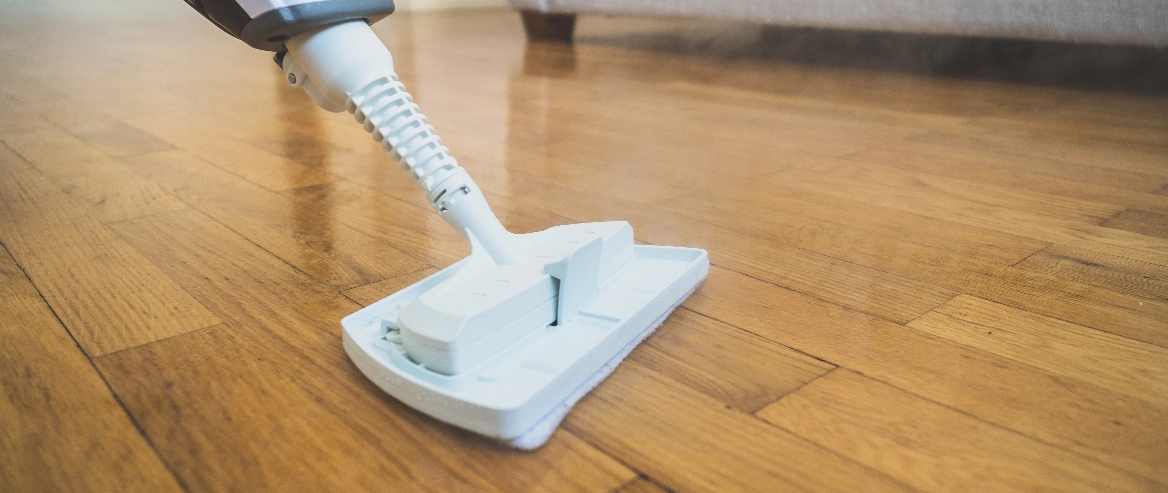
Steam mops use hot steam to clean floors. They heat water inside the mop until it turns to steam. This steam loosens dirt and kills germs. Steam mops do not need harsh chemicals for cleaning. The mop head absorbs moisture and dirt, making floors cleaner.
Steam temperature is high but controlled. Too much heat or moisture can damage some floors. Steam mops offer quick drying times compared to wet mops. They work best on sealed, hard floor surfaces.
Vinyl Plank Floor Characteristics
Vinyl plank floors are popular for durability and style. They look like real wood but are made of synthetic material. These floors resist scratches, stains, and water. Vinyl planks have a protective layer on top.
Sealed vinyl plank floors handle moisture well. But excess heat or water can cause warping or bubbles. Some vinyl floors have lower heat resistance than others. Always check manufacturer care instructions before steam cleaning.
Vinyl planks are easy to maintain with gentle cleaning methods. Avoid harsh scrubbing or soaking the floor. Use cleaning tools designed for vinyl surfaces. Proper care keeps vinyl floors looking new longer.
Risks Of Using Steam Mops
Using a steam mop on vinyl plank floors carries certain risks. Steam mops use high heat and moisture to clean. These elements can harm vinyl floors if not used carefully. Understanding these risks helps protect your floors and keep them looking good.
Potential Damage To Vinyl
Vinyl plank floors can warp or peel from high heat. Steam mops release very hot steam that may soften the vinyl. This heat can cause the planks to lift or separate at the seams. Over time, the finish on vinyl floors can fade or become dull. The hot steam may also weaken the adhesive holding the planks in place. Damaged vinyl floors may need costly repairs or replacement.
Moisture Concerns
Steam mops produce a lot of moisture in a short time. Vinyl floors are sensitive to water and moisture exposure. Excess water can seep into the seams and under the planks. This moisture can cause swelling and buckling of the floor. Prolonged dampness encourages mold and mildew growth beneath the surface. It is difficult to dry moisture trapped under vinyl planks. This hidden moisture can damage the floor structure and subfloor.
Safe Steam Mop Practices
Using a steam mop on vinyl plank floors needs care and the right steps. Steam can clean well but may harm floors if used wrong. Following safe steam mop practices helps keep floors shiny and strong. It also stops damage like warping or discoloration. Learning how to select and use your steam mop makes a big difference.
Selecting The Right Steam Mop
Choose a steam mop made for delicate floors. Look for models with adjustable steam settings. Lightweight mops are easier to handle and cause less pressure on floors. Avoid mops that produce very high heat or heavy steam. Check if the mop has soft pads to protect the vinyl surface. Using the correct mop helps avoid scratches and moisture damage.
Adjusting Temperature And Steam Levels
Set the steam level to low or medium. High heat can warp vinyl planks or loosen adhesive. Use just enough steam to clean without soaking the floor. Wait for the mop to heat fully before use. Move the mop slowly to let steam work but not sit too long. Control steam output to keep floors dry and safe.

Credit: www.facebook.com
Alternative Cleaning Methods
Steam mops can clean vinyl plank floors gently if used correctly. Avoid high heat and excessive moisture to prevent damage. Always check the manufacturer’s guidelines before use.
Vinyl plank floors are a popular choice for many homeowners due to their durability and stylish appearance. However, cleaning them can be a bit tricky, especially when considering the use of steam mops. If you’re uncertain about using a steam mop, explore alternative cleaning methods that are both effective and safe.
Recommended Cleaning Products
Selecting the right cleaning products is crucial for maintaining the pristine look of your vinyl plank floors. Opt for pH-neutral cleaners specifically formulated for vinyl floors. These products help in removing dirt without damaging the surface. Avoid abrasive cleaners or those containing wax, as they can harm the floor’s finish. A mild dish soap mixed with warm water can also do wonders for everyday cleaning tasks.
Manual Cleaning Techniques
Using manual techniques can give you greater control over the cleaning process. Start by sweeping or vacuuming to remove loose dirt and debris. This ensures that you don’t accidentally scratch the surface while mopping. A damp mop with warm water is often sufficient for regular cleaning. For stubborn stains, gently rub the affected area with a soft cloth and a bit of vinegar. Consider using a microfiber mop, as it effectively captures dust and dirt without leaving streaks. Do you find mopping tedious? Try breaking it up into smaller sections to make the task more manageable and less overwhelming.
Maintenance Tips For Vinyl Floors
Maintaining vinyl plank floors takes more than just regular mopping. You need to protect them from scratches and wear, and keep up with a consistent cleaning routine to ensure they look their best. Proper care can extend the life of your floors and keep them shining for years.
Preventing Scratches And Wear
Have you ever noticed small scratches on your vinyl floor after moving furniture? Those marks can build up quickly and dull the surface. Use felt pads under furniture legs to avoid direct contact and prevent scratches.
Also, avoid dragging heavy items across the floor. Instead, lift and carry them. Place doormats at entryways to catch dirt and grit that can act like sandpaper underfoot.
Regular Cleaning Schedule
Keeping a steady cleaning routine helps your vinyl floors stay spotless without damage. Sweep or vacuum daily to remove loose dirt and debris that can scratch the surface.
For deeper cleaning, use a damp mop with a gentle, vinyl-friendly cleaner. Avoid harsh chemicals or abrasive tools that can strip the floor’s protective layer. How often do you clean your floors? Setting a schedule can make maintenance easier and more effective.
Credit: www.electrodry.com.au
Frequently Asked Questions
Can Steam Mops Damage Vinyl Plank Floors?
Yes, steam mops can damage vinyl planks by causing warping or peeling. High heat and moisture may weaken the adhesive and finish.
Is It Safe To Use A Steam Mop On Vinyl Floors?
Generally, it is not recommended. Steam mops may void warranties and shorten your vinyl floor’s lifespan due to moisture damage.
What Cleaning Methods Are Best For Vinyl Plank Floors?
Use a damp mop or microfiber cloth with mild cleaner. Avoid excessive water and harsh chemicals to maintain floor integrity.
How Often Should I Clean Vinyl Plank Floors?
Clean vinyl floors weekly or as needed. Regular dry sweeping and occasional damp mopping help prevent dirt buildup and damage.
Conclusion
Steam mops can clean vinyl plank floors, but with care. Use low steam settings to avoid damage. Avoid leaving water on the floor too long. Always check manufacturer advice before starting. Regular cleaning keeps floors looking fresh and new. A gentle approach helps maintain floor quality.
Choose the right tools for safe cleaning. Keep your vinyl planks bright and durable by cleaning smart. Simple steps make a big difference.






